
Two Days in Seoul: The Historic Centre and Namsan

Divide two full days in Seoul between the historic centre and Namsan. On the first, choose Gyeongbokgung and an introduction to craft culture around Anguk and Insadong. On the second, see Namsangol's traditional houses, continue into Namsan Park and decide whether the tower observation deck matters to you. The contrast creates variety without repeatedly crossing between distant districts.
Swap the days to suit opening calendars and weather. The plan includes lunch and rest, and all visit allowances are estimates. If arrival or an airport journey occupies part of those two days, reduce the programme to one principal experience in each available block.
Give the two days different characters
The first day explores the old capital through palace courtyards, crafted objects and smaller city spaces. The second changes scale, moving from a traditional house to a hilltop park and the wider city. Different ways of encountering Seoul are more useful here than repeating similar visits.
Preparing this trip is much more convenient with RoadMe: the app works through a personal day-by-day plan around your interests, dates and pace. Try setting how much time you want for museums and walking so that both days reflect what you enjoy.
| Day | Main framework | Keep flexible |
|---|---|---|
| First | Gyeongbokgung, lunch near Anguk, crafts museum or Insadong | Smaller visits and an evening walk |
| Second | Namsangol, lunch and Namsan | Tower deck and a Myeongdong continuation |
Choose one priority for each day. If the palace is especially important, do not give it the minimum allowance to preserve a long afternoon list. If a panorama matters most, avoid turning the second morning into an exhaustive house-by-house tour. Shortening a plan becomes easier once each visit has a clear purpose.
Day one: Gyeongbokgung in the morning
Start around Gwanghwamun and allow roughly three hours for the palace, including entry and pauses. This suits an introduction but does not promise the complete complex. Breakfast and the journey from your accommodation belong outside that block.
Gyeongbokgung was the main palace of the Joseon dynasty. Its importance is visible in the organisation of space: movement through gates and broad courts towards the throne hall made government hierarchy apparent. Recognising the system is more useful initially than memorising every building name.
Pause at Geunjeongjeon, then choose a direction according to your interests. Water and pavilions, painted timber structures or more intimate courts offer different reasons to linger. Check access to individual interiors separately; seeing a building and entering its rooms are different visits.
A second major palace is not essential merely because it looks nearby. Each complex has its own organisation and deserves attention. If you want the historical theme to continue, crafts and neighbouring streets provide another scale of experience.
After lunch: choose the crafts museum or a street walk
Head towards Anguk, leaving enough time for a proper lunch. Decide whether your afternoon should include a substantial indoor visit or the streets of Insadong. You can combine parts of both, but neither needs to become another full programme.
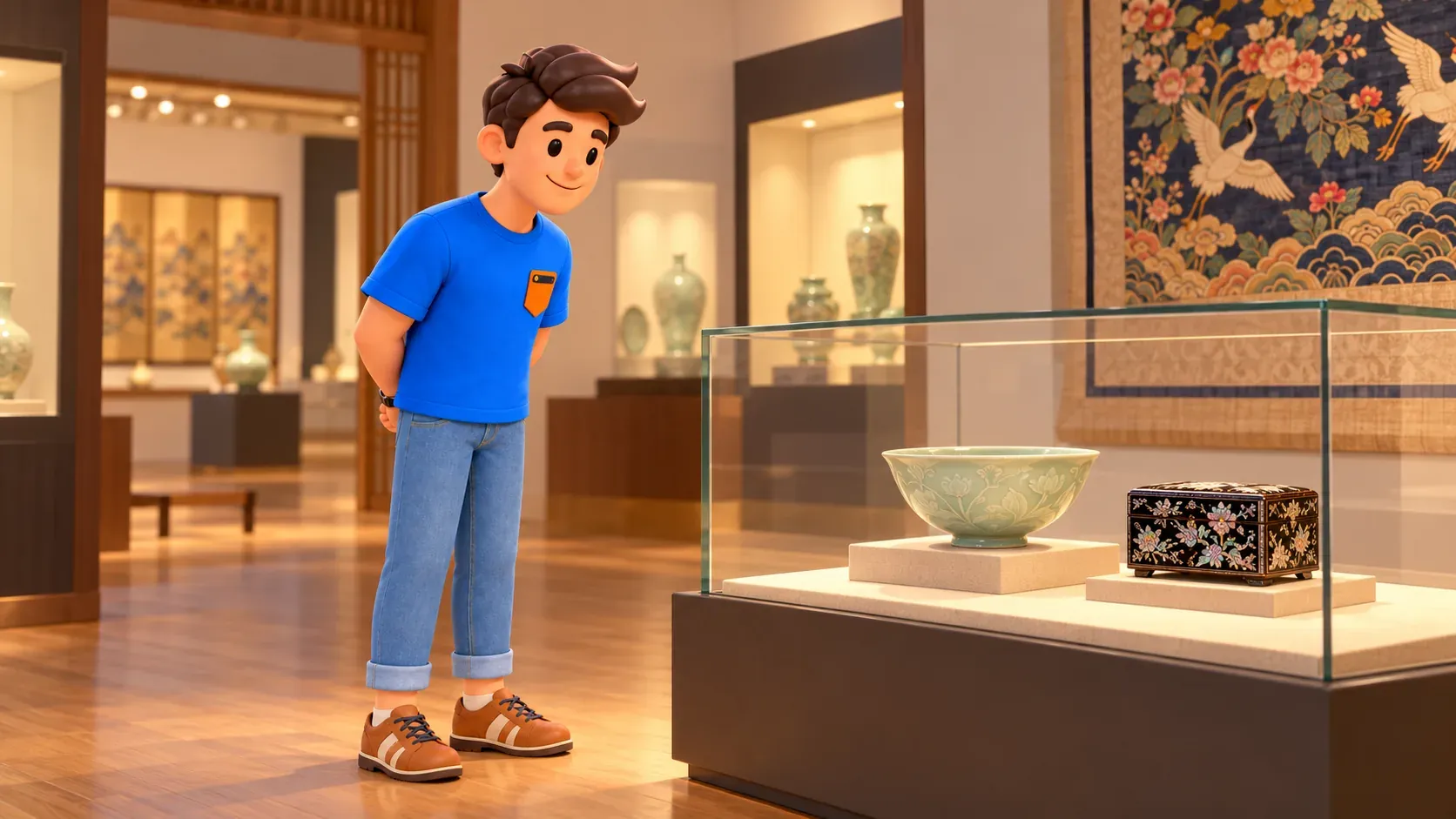
The Seoul Museum of Craft Art explores how ceramics, metal, lacquer and textiles connect everyday life with artistic skill. Choose one or two subjects and consider around one and a half to two hours if the exhibitions suit you. Check its calendar and available displays before leaving.
Insadong and Ssamziegil offer an alternative through smaller craft spaces. The experience moves between a shop, courtyard, display and tea break. Looking at materials and forms is worthwhile even when you have no intention of buying a souvenir.
For a fuller historical afternoon, use the separate route through Insadong, Jogyesa and Cheonggyecheon. It replaces this part of day one rather than being added after a long museum visit. Making that choice keeps the day realistic.
Day two: begin with the houses of Namsangol
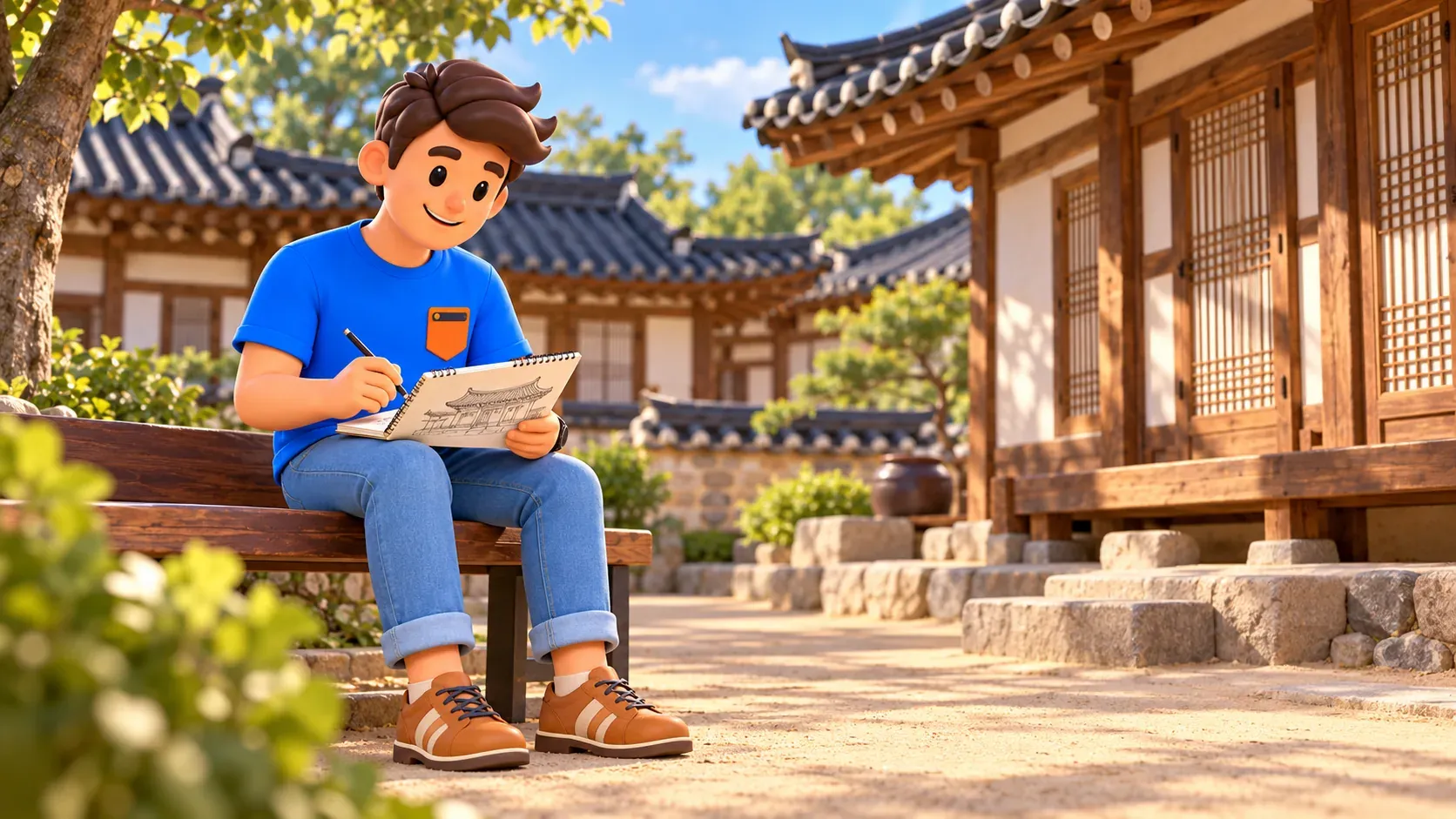
Start at Namsangol, a museum ensemble of traditional Korean houses at the foot of Namsan. Unlike a walk through a residential district, specific homes give you a clear focus on domestic space. Allow roughly an hour to an hour and a half for a first look with pauses.
Notice the relationship between house and courtyard. Thresholds, open space, timber and window patterns establish a more intimate scale than yesterday's ceremonial palace areas. A few details are enough to make a comparison; this itinerary does not require an exhaustive study of every structure.
The ensemble includes the house associated with master carpenter Lee Seung-eop and a house of the Min family. Their names suggest different owners and social contexts. Understand the setting as a museum introduction to traditional housing rather than a single untouched ancient neighbourhood.
Garden space and traditional-house access have different conditions. An open outdoor area does not guarantee entry to every interior. Some houses have particular access limitations because of their entrances, so check suitability for the individual spaces that matter to you.
Take a break before Namsan
Have lunch after Namsangol and before the main park section. On a short trip, food can become the break you try to compress, yet proper rest is especially useful before walking on a slope. Use the pause to assess the weather and the day's comfortable level of exertion.
Namsangol sits beside the hill, but map proximity does not make the ascent direct or short. Choose an actual available approach to the park, accounting for height difference, stairs and your chosen way of reaching it. Straight-line distance between two pins is not a reliable travel estimate.
For an easier day, shorten the house visit or choose a limited section of the park rather than a long circuit. The return belongs in the plan too. Deciding how high to go should include the energy and time required to come back down.
Namsan: park views and tower entry are separate decisions
Set aside a distinct block of roughly two to three hours for park views, the chosen approach and rest around upper Namsan. This estimates a style of outing rather than a universal ascent time. The actual route can change it substantially.
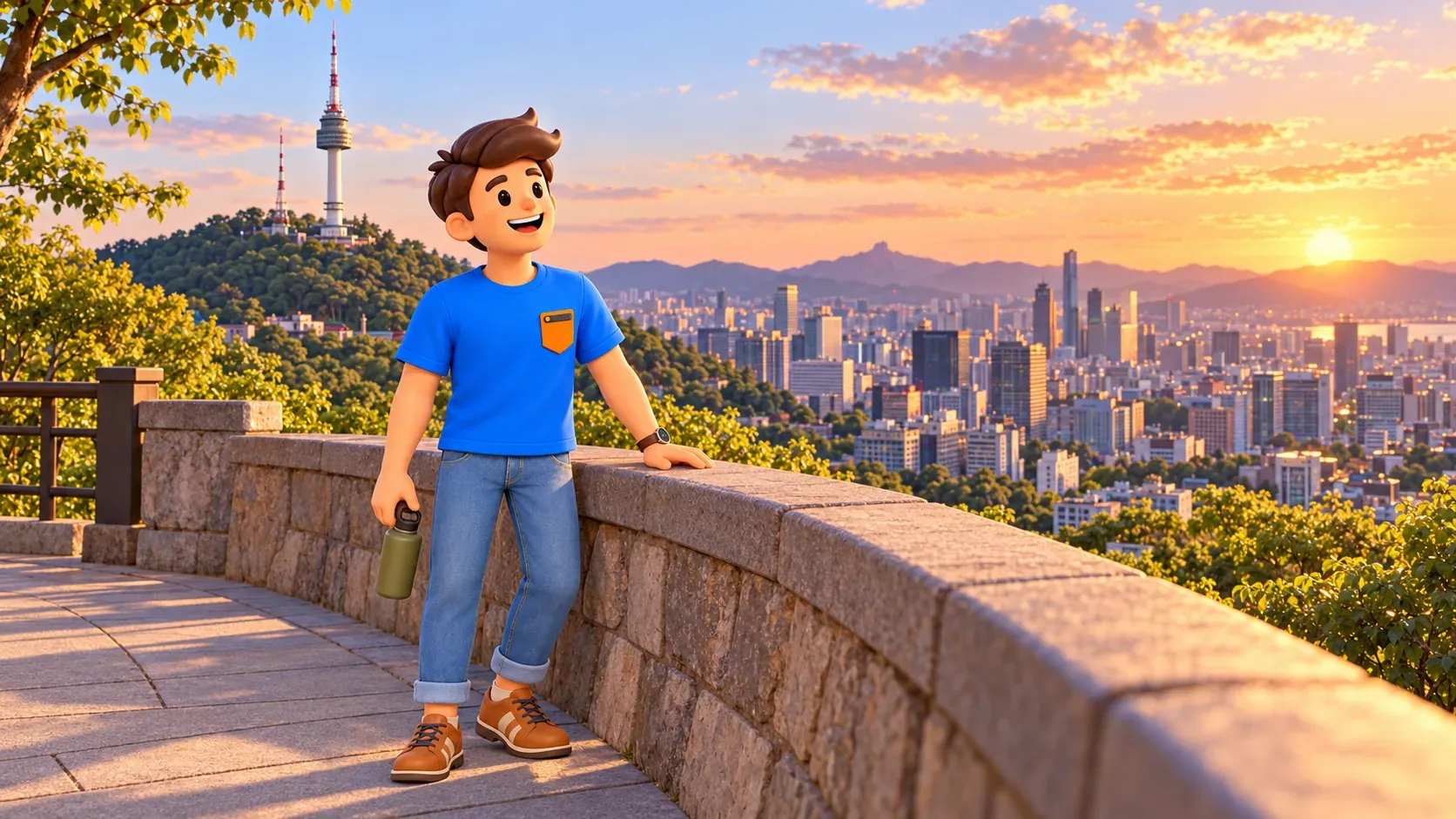
Palgakjeong Pavilion and the beacon site offer reasons to look beyond the modern tower. The hill's history connects observation of the surrounding territory with transmitting signals. A small historical thread helps you understand the panorama as part of the city's organisation.
The N Seoul Tower observation deck is a separate visit with its own ticket and time requirement. Choose it because you want that particular view, rather than simply because you have reached the area. A park walk remains a meaningful experience without entering a paid deck.
Before buying, consider visibility and the time left in your day. Cloud, rain and haze change the panorama; the same height does not promise the same experience every day. Leaving room to decide after assessing conditions is useful.
For choices like these, RoadMe is a more convenient way to plan: the app develops a personal trip itinerary according to your interests and preferred pace. Try deciding whether architecture, walking or panoramas matter most and turn a scattered wish list into a clear two-day plan.
Continue to Myeongdong only if you feel like it
After Namsan, you can continue into Myeongdong if your chosen descent and energy allow. Dinner and a small neighbourhood walk make a suitable ending. This remains optional: returning to your accommodation after the park is also a complete conclusion to the day.
Myeongdong Cathedral provides a cultural focus among the shopping streets. You can see the exterior, while entering depends on current rules and services. Respecting the building's purpose matters more than adding another completed attraction.
Choose a particular evening aim: dinner, a short walk or shopping. Trying all three after a hill visit overloads the day again. A pleasant finish should allow you to enjoy the area without constantly checking the time for the next commitment.
Swap the days and preserve the main experiences
Gyeongbokgung normally closes on Tuesdays; Namsangol's traditional houses normally close on Mondays. Holiday exceptions can change calendars. Compare both dates before fixing the programme, then swap the days if needed. Their different themes still work in either order.
The crafts museum has its own schedule. If it does not fit, keep Insadong as the street-based alternative instead of choosing a distant museum simply to preserve a museum stop. The first day's purpose is a palace and an introduction to craft culture, which can be achieved in different ways.
In poor weather, consider Namsan first. If views and outdoor walking lose their appeal, replace the large open-air block with one museum and recalculate travel and rest. Neither palace courtyards nor a hill park automatically become comfortable during heavy rain.
Prepare the practical outline
Save the main entrances, check calendars, identify lunch possibilities in each area and decide on the second day's comfortable effort level. Choose tickets and transport after establishing which visits actually remain. This reduces unnecessary commitments before the shape of the trip is clear.
Agree on priorities with anyone travelling alongside you. One person may care most about ceramics and another about the view. Knowing that in advance helps divide attention fairly and avoids renegotiating the entire afternoon after every interesting doorway or display.
Keep useful names in Korean as well as the language you read. They can help with signs or asking for an entrance. A saved location should correspond to the actual way in, rather than merely the middle of a large palace or park.
Do not treat an evening after arrival as another full sightseeing block. It can introduce the area around your accommodation without absorbing half this itinerary. For a realistic assessment, see the guide to Seoul neighbourhoods and trip length.
The two days then have clear identities: royal capital and craft culture first, traditional domestic space and a wider city view next. That framework leaves enough freedom to notice Seoul between its main visits.


