
Three Days in Seoul: A Palace, Art and the Hangang

With three full days in Seoul, explore the historic centre, spend proper time in a major museum and see the Hangang from an island park. Give the first day to Gyeongbokgung and Insadong, the second to the National Museum of Korea or Leeum, and the third to Seonyudo and the river. Each part has its own theme and manageable geography.
This plan gives each day one principal visit, with space for food and rest. It suits a first introduction when you want varied impressions without a long compulsory checklist. Swap the days around calendars and weather; every time allowance below is an estimate.
Three days, three ways of seeing Seoul
The historic centre helps explain the organisation of a royal capital. A museum day gives objects and artistic ideas time to hold your attention. The Hangang and Seonyudo reveal another scale: a river, urban banks and a place given a new purpose.
Preparing this trip is much more convenient with RoadMe: the app develops a personal day-by-day plan around your interests, dates and pace. Try choosing your balance of history, art and walking to shape a trip that uses the three days more effectively.
| Day | Principal experience | Gentle addition |
|---|---|---|
| First | Gyeongbokgung | Lunch and Insadong |
| Second | One major museum of your choice | A nearby park or neighbourhood |
| Third | Seonyudo island park | Bridge, river views and rest |
More days increase your freedom rather than the compulsory size of the programme. You can stay longer with one display, return to a shop window or finish a park early. That space is especially useful with changeable weather or when a long journey calls for a gentle start.
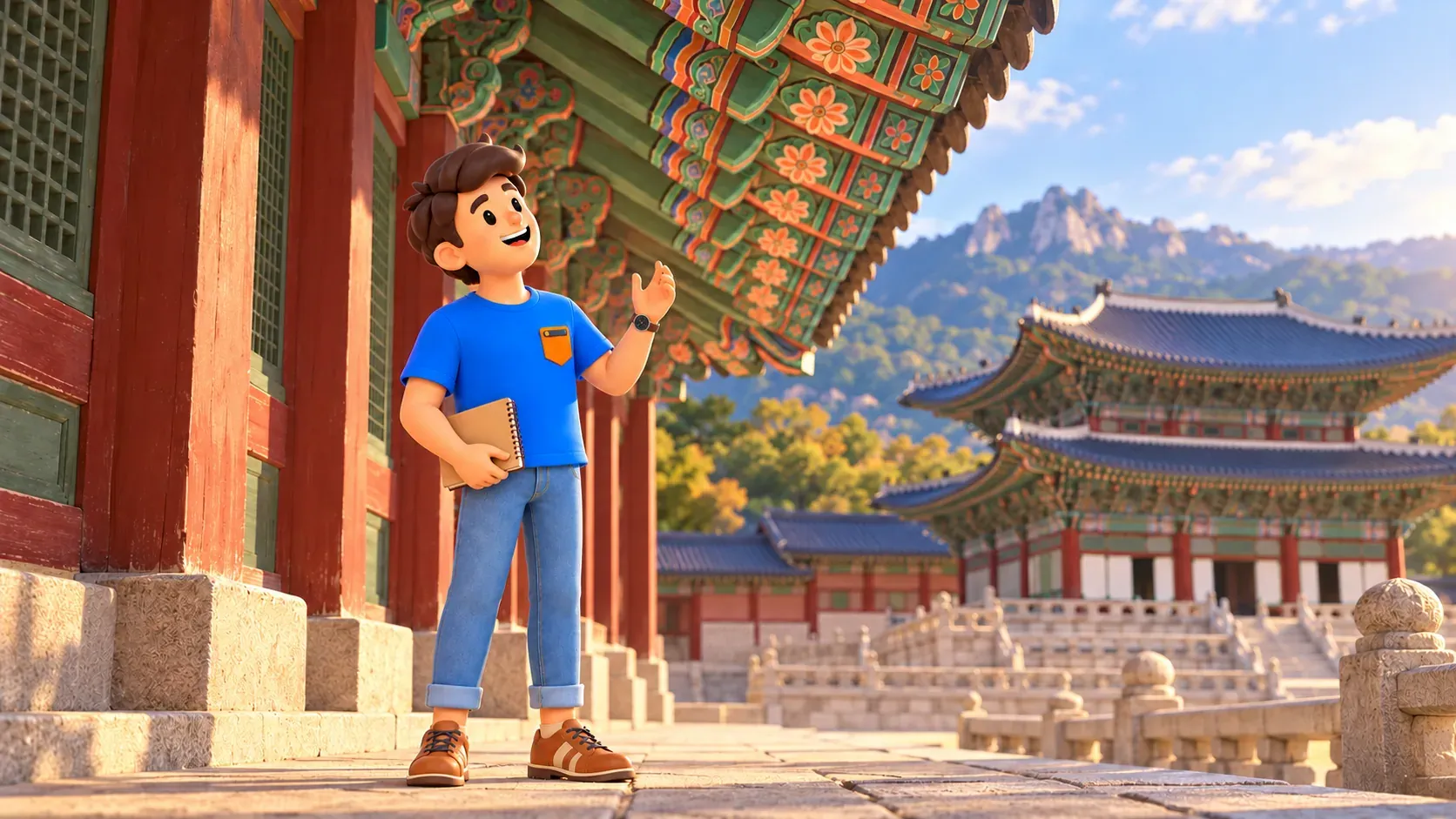
Day one: the palace city
Begin near Gwanghwamun and allow roughly three hours for Gyeongbokgung, including entry and short pauses. The square and gate reveal the connection between the royal complex and the city axis. Inside, broad ceremonial courts gradually lead towards halls and more intimate areas.
Gyeongbokgung was the main palace of the Joseon dynasty. A first visit is valuable for seeing how architecture expressed the purposes and status of different spaces. Around the throne hall, Geunjeongjeon, notice the stone terrace, the balance of hall and courtyard, and the approach through the grounds.
Continue according to your curiosity. Rooflines and painted timber may attract one visitor, while water and pavilions interest another. Seeing every section is not essential to completing the experience. Some parts can remain a reason to return separately.
Viewing an exterior and entering rooms involve different access conditions. Follow current boundaries and signs. This programme does not rely on a particular ceremony or temporary opening; include those only after confirming the relevant schedule.
Insadong after lunch: return to a smaller scale
Head towards Anguk and Insadong, keeping lunch as a proper block. The afternoon shifts from a large state setting towards shops, galleries, tea spaces and courtyards. A purchase does not have to be the purpose of the walk.
At Ssamziegil, notice how paths around a courtyard connect small spaces. Enter a few places according to your interests, compare materials and take a break. Roughly one and a half to two hours after lunch can give Insadong a comfortable introductory visit.
If you want to continue, choose one short addition. A fuller sequence involving a temple and stream appears in the one-day historic centre route. Borrow a suitable part according to your remaining energy rather than adding its entire afternoon.
With a substantial museum ahead tomorrow, a quiet evening is sensible. You have already encountered palace space and craft culture. Dinner near your accommodation can contribute more than another journey merely intended to fill the final hours.
Day two: choose one major museum
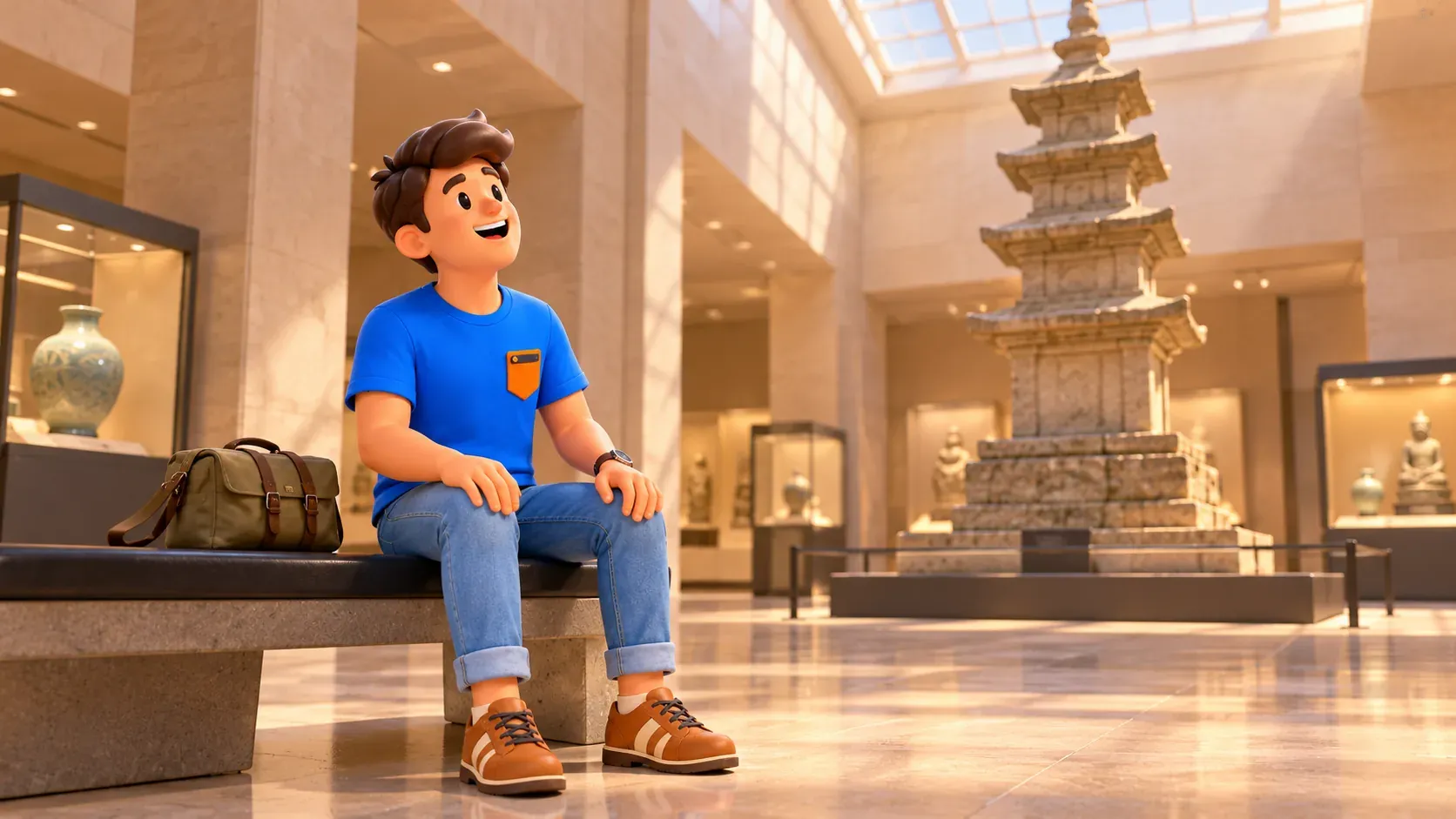
Decide whether you want broad historical context or an art collection considered together with its architectural setting. The National Museum of Korea and Leeum are alternatives for this day. They should not become two compulsory full visits joined by an additional walk.
The National Museum of Korea in Yongsan suits an introduction to different periods and artistic traditions. Choose one or two themes such as archaeology, Buddhist art or ceramics. Leave a substantial block of roughly three to four hours, including breaks, for a meaningful visit.
Leeum in Hannam-dong suits a day focused on artworks and the museum environment. Current exhibitions and access arrangements matter to the choice. A familiar name does not guarantee that every display available on your date will match your interests.
Include lunch and somewhere to sit away from the galleries. Attention becomes tired after hours of looking even when your feet still feel ready to move. A short pause lets impressions settle and helps you decide whether another room will add something useful.
After the museum, keep the continuation nearby
After the National Museum, leave time for Yongsan Family Park. A walk changes the light, distances and kind of attention. It can remain short rather than turning a restorative break into another extensive circuit.
After Leeum, choose a small Hannam-dong street walk and food in that area. If religious architecture interests you, an exterior look at Seoul Central Mosque may be an option, respecting the place's purpose and current visiting conditions. This is a choice, not a compulsory art-day extension.
The two continuations cannot be swapped without travelling. The family park belongs to the National Museum option; Hannam-dong streets belong to Leeum. Keeping those pairings clear prevents the convenience of one location from being mistakenly applied to the other.
If the main exhibition leaves you ready to return, keep that decision simple. A major museum already gives the day substance. The evening can belong to dinner and thinking about tomorrow instead of filling every available minute.
Day three: the Hangang and Seonyudo island park
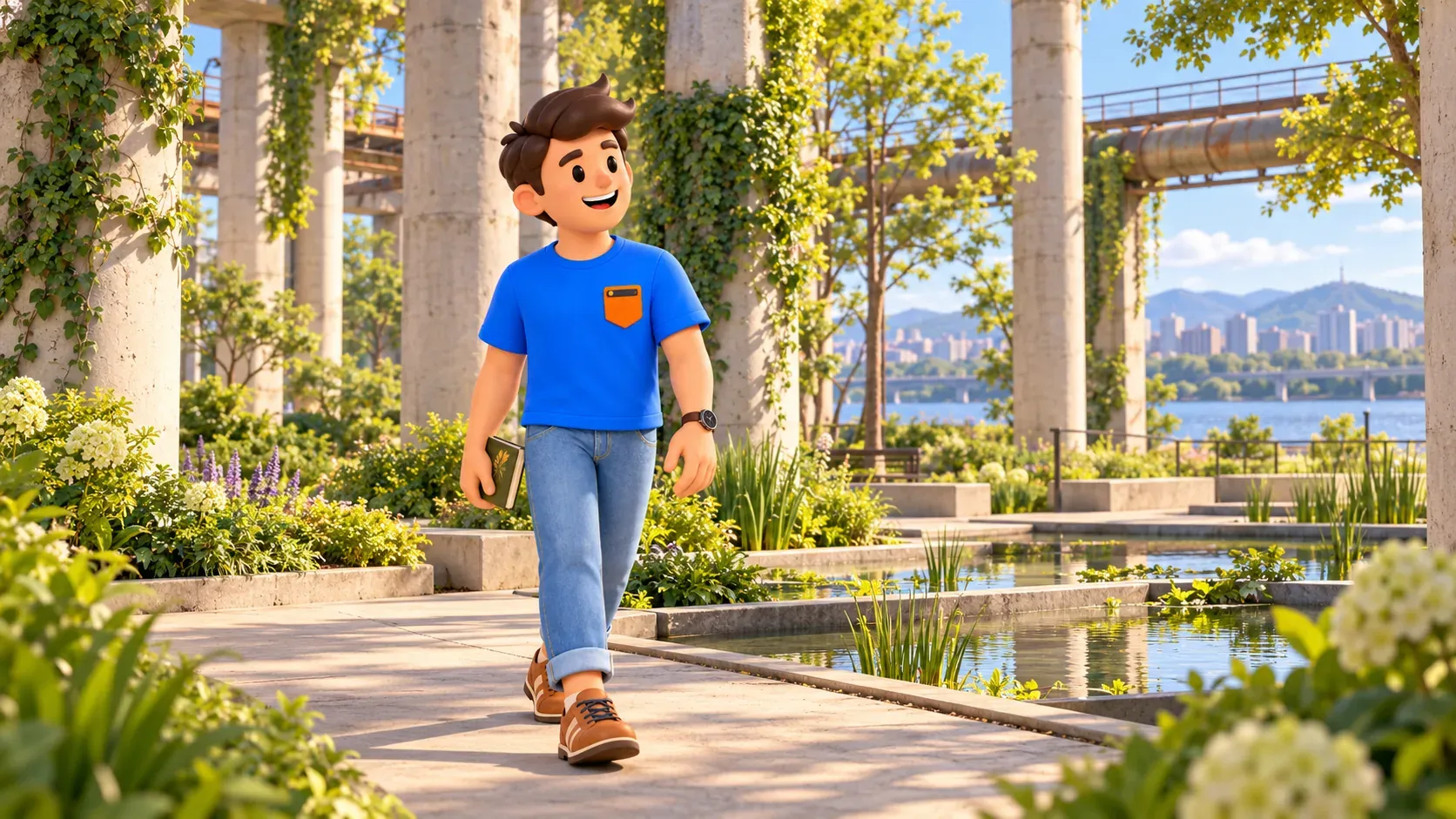
On the third day, exchange museum interiors for river space. Choose an approach through Seonyugyo footbridge and give the crossing attention: the island experience begins before reaching its gardens. Check the actual way from your selected station exit rather than navigating only to a park's centre point.
Seonyudo was created on a former water purification site. Technical structures became part of the landscape, so concrete, columns and water spaces help reveal the area's history. That gives you something to look for beyond conventional flowerbeds.
Choose a modest circuit with several pauses. You can concentrate on plants combined with old structures, or return more frequently to river views. About two to three hours for the park, crossing and rest is a useful allowance, adjusted to your own pace.
Walking every path is unnecessary. Different spaces, observing water and finding a comfortable pause can make a complete visit. Stay within open areas and do not treat former technical structures as permission to climb.
Keep the rest of the river day flexible
After the island walk, leave lunch and the next decision open. Linger at a favourite view, cross the bridge again or return to the urban area. Knowing a suitable finishing point beforehand prevents tiredness from turning the search for transport into an extra task.
To combine a museum day and Hangang walk into a convenient personal trip, try RoadMe. The app works through the plan around your interests and pace, making it easier to use your selected places rather than rebuilding each day from separate notes.
Sunset varies by season and weather shapes the enjoyment of open space. A clear day may invite a pause for evening light; wind or rain may make an earlier finish preferable. Sunset is a possible addition, not a promised event with guaranteed conditions.
The bridge, island and riverbanks have their own access conditions. Read local signs and temporary restrictions. An attractive illustration cannot replace an actual open path, especially after heavy rain.
Fit the days around calendars
Allocate visits with stricter conditions first. Gyeongbokgung normally closes on Tuesdays, with holiday exceptions. Your chosen museum has its own calendar, and a particular Leeum exhibition may have separate access arrangements. The park day is easier to keep flexible around the weather.
The sequence need not follow this article. If a museum works best on the first morning, start there and move the palace. The themes remain clear in any order: history, art and river do not depend on a rigid narrative sequence.
In poor weather, replace a whole block deliberately. A long walk on Seonyudo in heavy rain does not become comfortable because it is already scheduled. Choose one suitable indoor visit, then recalculate travel, food and rest instead of adding it to another complete programme.
Know what to leave for another trip
This version deliberately leaves out a complete palace collection, Gangnam, theme parks and multiple viewpoints. Each could anchor a different day. If one matters more than a chosen theme, replace a whole day while preserving sensible geography and enough visiting time.
For a shorter stay, consider the two-day plan with the historic centre and Namsan. Compare by interests: an extra day allows more space for a museum and river rather than obliging you to race through additional attractions.
Before leaving, save entrances, check calendars, choose your museum and assess weather for the island. Keep the approach and return in view, particularly if unfamiliar station corridors or exits may take longer than expected. A little preparation leaves more attention for the place itself.
Agree on the main priorities with anyone travelling alongside you. One person's ideal museum visit may be another's limit, while the river may invite longer pauses than expected. A shared understanding makes it easier to shorten one section without feeling that the day's purpose has been lost.
Then leave the programme some freedom. Three days with different characters introduce Seoul as a historic capital, a place for art and a large city beside a river. The spaces between the principal visits are part of that introduction too.


