
Silom on Foot: a Library, Old Homes and a Hindu Temple

Silom is easy to approach as a business district, but a short walk can give it a more varied shape. Domestic houses preserved as a museum, a working library and a Hindu temple belong to the same wider neighbourhood. They offer a different afternoon from a circuit of royal monuments. The connection is everyday city life: somewhere to live, somewhere to read and somewhere to worship, with present-day streets between them.
Allow around three hours for Bangkokian Museum, Neilson Hays Library and Sri Maha Mariamman Temple. Start at the museum on the western side, continue towards the library on Surawong Road, then turn your attention south towards Silom and the temple. This is a selective cultural walk, not a promise of complete tours at all three places. The museum gets the main visit; the library is a shorter encounter subject to admission, and the temple is a respectful final stop.
Use the homes as the main visit
This version suits travellers who want to understand a neighbourhood through smaller institutions rather than add another major palace to the day. Give the museum enough attention to notice how domestic rooms work together. At the library, look first at the setting and ask about the current visitor arrangements. At the temple, let religious use determine the visit. The three places do not need equal durations to make the outing feel balanced.
RoadMe can develop this walk into a personal Bangkok trip based on your interests, dates and pace. Planning the whole itinerary in the app is much more convenient when you want smaller cultural places, major sights and proper rest to fit together.
Choose a day when the places you care about are open. Neilson Hays Library normally closes on Mondays; check the museum’s current visiting day and any special arrangements before leaving. A public holiday or event can change the balance. The route is intended for daylight and does not rely on entering a religious interior late in the evening. Travel from your hotel and the onward journey are separate from the three hours.
| Estimated time from the start | Suggested focus |
|---|---|
| First 60 minutes | A selected visit at Bangkokian Museum |
| 60–85 minutes | Neighbourhood walking towards Neilson Hays Library |
| 85–115 minutes | A short library encounter, according to access |
| 115–145 minutes | A seated drink pause and approach towards the temple |
| 145–170 minutes | Sri Maha Mariamman Temple, respecting visitor rules |
| Last 10 minutes | Finish and organise the next journey |
These are planning allowances, not measured walking intervals or guaranteed visit lengths. If the museum holds you longer, extend the outing or keep the library to a brief permitted exterior look. A reading session, a full meal or an event needs additional time. Deciding what is optional before arrival is more useful than trying to recover minutes by rushing through the place you most wanted to see.
Bangkokian Museum: look at a home rather than a monument
Bangkokian Museum is also known as Bangkok Folk Museum. It presents domestic life in an earlier Bangkok through a preserved family setting. That makes it a useful counterpoint to royal sites: the scale changes from ceremonial spaces to rooms and household arrangements. Do not confuse it with the National Museum. The reason to come here is the chance to think about how a home was organised, not to expect a complete survey of Thai history.
Begin by seeing the relation between the houses and the available outdoor space. Then choose a small thread for the visit: how a room is furnished, how light enters, or how one space leads to another. Follow the actual visitor route and any instructions about shoes or access. These are old buildings, so stay within permitted areas and keep hands away from objects unless staff explicitly invite interaction. You can look closely without needing to touch.
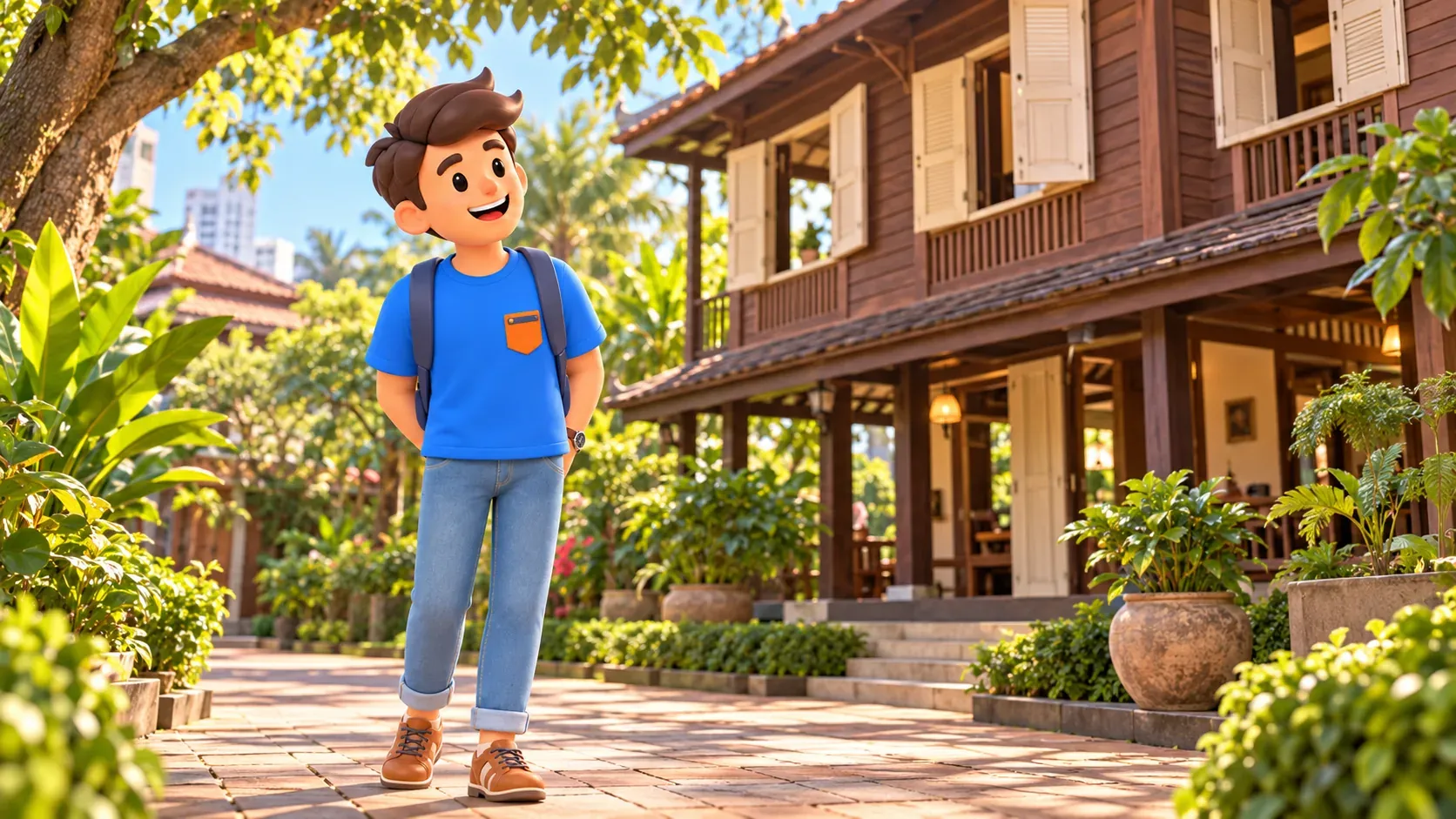
One room understood is more memorable than several rooms hurried through. Pick a domestic detail that differs from your own home, then ask what it suggests about daily routines. Keep the answer modest: a display is a particular family setting, not proof that everyone in Bangkok lived the same way. That distinction gives the visit more value. You are seeing one window onto city life rather than collecting a universal picture from a single address.
Leave time to notice the whole setting
The hour in the outline is for a selected visit. It is not a claim that every room, display and explanation can be completed within that time. If household history is your main interest, use more of the afternoon here and simplify the library stop. Before leaving, return your attention to the setting as a whole. The contrast with the street outside helps explain why a small house museum can change the way you see a district of modern buildings.
The streets between the institutions are part of Silom
Continue along public streets towards the library rather than looking for a shortcut through private compounds. Use a current map for the actual line, crossings and entrances. Nearby markers do not always mean a straight pedestrian connection. The walking allowance includes ordinary navigation and brief pauses to check direction. It does not require following an invented alley sequence or walking continuously along a picturesque lane. This is a lived-in urban district with different streets and surfaces.
Look for a change in scale: a modest frontage below a taller building, plants beside a doorway, or an older wall meeting a current business. These are suggestions for attention, not a list of guaranteed scenes. Keep residential entrances clear and ask before close photographs of people or their work. You can make the walk personal by choosing one thing to compare at each stop. The route gains detail without turning somebody’s daily routine into a staged attraction.
Neilson Hays Library: a building with a continuing purpose
Neilson Hays is a historic library with a continuing literary community. Its neoclassical building gives the walk a different architectural language from the domestic houses. See the exterior as a whole before approaching: proportion, openings and the entrance can be enough for a short architectural encounter. The important point is that the building still has a purpose. Treat it as somewhere people use, rather than assuming every attractive heritage interior is arranged for sightseeing.
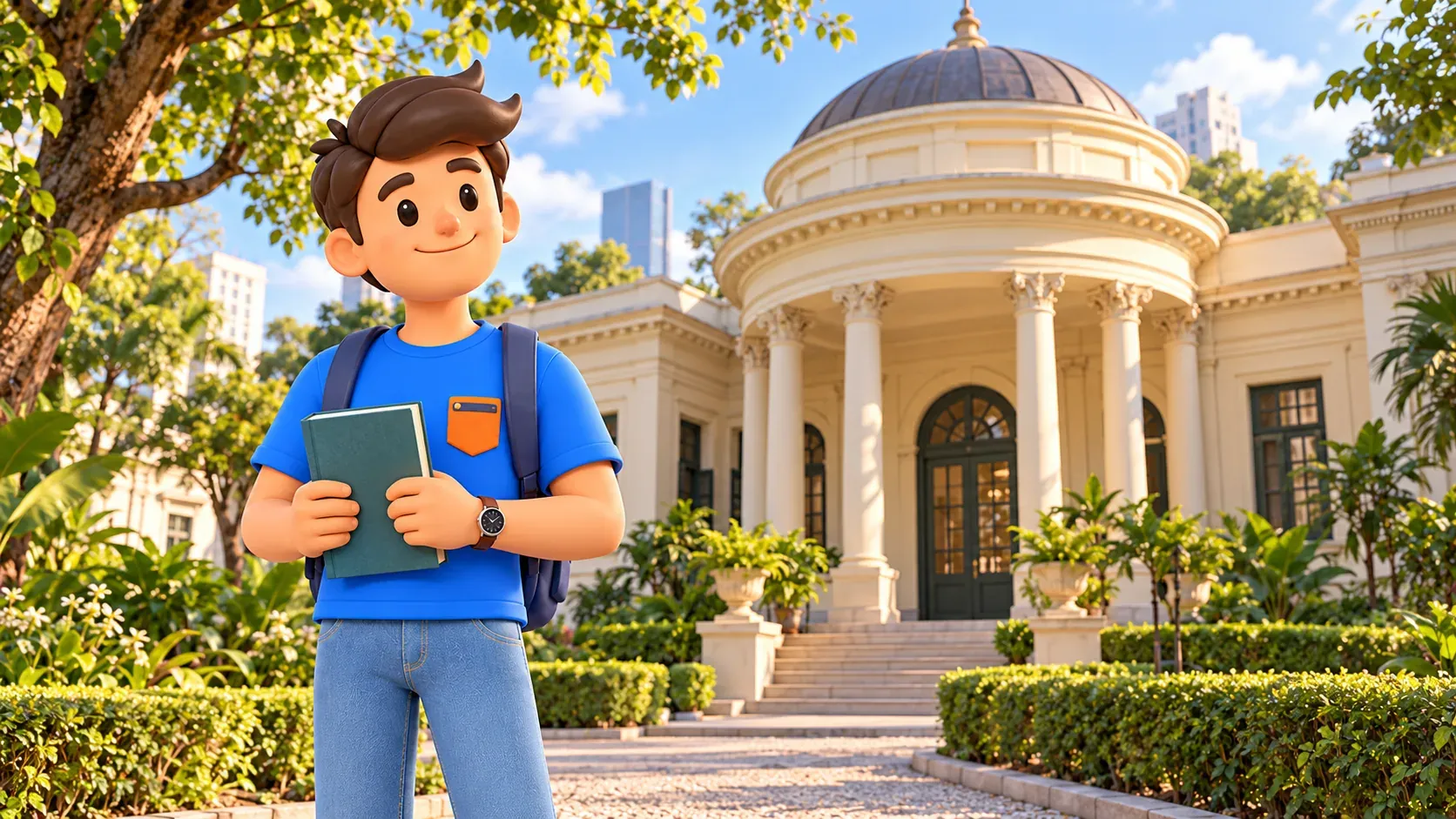
Ask about the current arrangements if you want to go inside or spend time reading. A short visit, membership access and a scheduled event are different things. Do not assume that an exterior stop includes an unrestricted reading session or that an event is happening on your day. If you mainly want to read, give the library its own longer outing. That lets this afternoon remain a walk while a future visit can serve a different interest properly.
The library prohibits casual photography and filming inside. Outside, respect privacy, keep access clear and avoid disruption. This makes the stop a good place to put the camera away and look without collecting an interior image. A short observation of a doorway or façade can still become a strong memory. The absence of a photograph does not mean the visit was incomplete, especially in a place whose main purpose is reading and community life.
Architecture without a long photo session
Choose one feature to hold in mind before you move on. Is the entrance inviting or formal? How does the building sit beside its surroundings? What feels different after the museum’s domestic scale? You do not need to settle an architectural classification on the pavement. A few attentive minutes can carry the comparison. If others are entering, move aside and finish your conversation somewhere that does not obstruct the path or make readers feel observed.
A pause before the change of religious setting
Use a convenient place for a drink on the actual line towards the temple. No named café is necessary to make the route work. Sit if you need to, check the remaining time and decide whether you want a short temple encounter or an earlier finish. A full meal needs a larger allowance. The pause is also a useful moment to compare what the museum and library contributed, instead of treating the next stop as another item to complete.
With RoadMe, build a personal itinerary around what you enjoy most, from domestic history to architecture and neighbourhood walks. The app makes organising the whole trip more convenient than joining separate lists after every stop.
Continue towards Silom using the available public crossings. Keep water and the day’s heat in mind, and shorten the optional parts if your attention is fading. A good small itinerary does not require equal energy at every place. If the museum was enough, you can end with the library exterior and leave the temple for another suitable visit. That preserves the different purposes of the places rather than making all three compete for the last few minutes.
Sri Maha Mariamman: approach as a religious visitor
Sri Maha Mariamman is a Hindu temple with a Tamil connection. Its South Indian architectural character introduces another layer to the walk. Notice the entrance tower from a suitable public position without blocking people coming to worship. The temple is not a Buddhist wat with a different colour scheme, and its religious identity matters. You do not need a catalogue of every figure to appreciate that the neighbourhood holds several cultural histories at once.
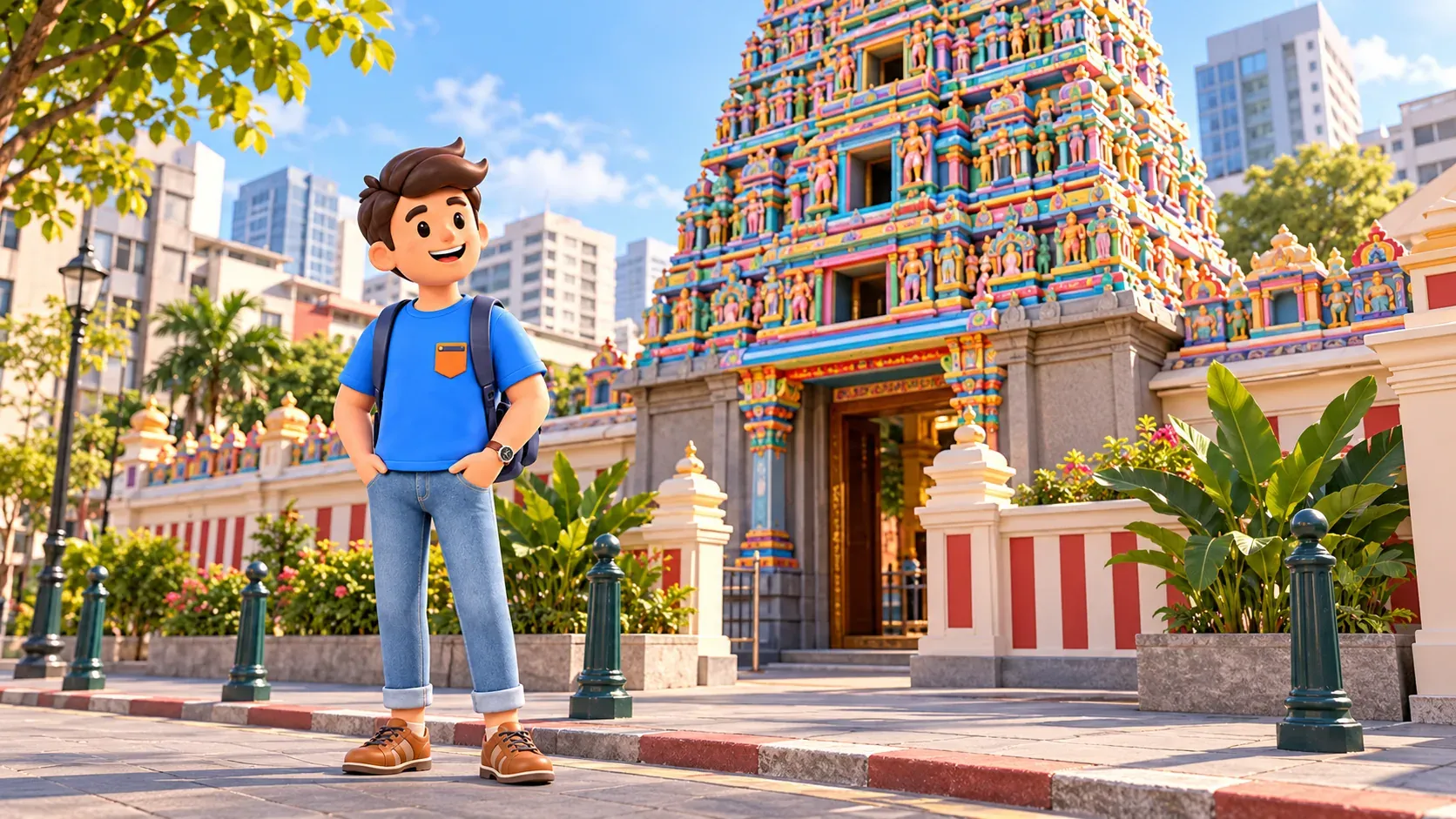
Follow the current visitor directions, dress with shoulders and knees covered, and remove shoes where instructed. Interior photography is prohibited. Let people using the temple have room and do not imitate rituals simply for a picture. You may visit attentively without taking part in an act of worship. If access is limited or activity makes a short visit unsuitable, keep to the permitted exterior view and finish. A closed or busy area is not an invitation to find another way inside.
Keep the final comparison simple: home, library and temple are three spaces with different relationships to the public. At the museum you are a visitor to a preserved domestic story; at the library you share a setting used by readers; at the temple religious practice leads. Recognising that difference is part of the route’s value. The walk becomes more thoughtful when each place is allowed its own rules, rather than judged by the same expectation of access and photography.
Finish in the district you have actually reached
Use the last minutes to leave calmly and decide the next journey from the temple area. A nearby transport name is not the same as already standing at its entrance. Count the walk and any onward travel separately. For a different cultural outing, our three-hour Siam walk pairs a house, art centre and Buddhist temple. For more streets and creative places, the Charoen Krung route offers another afternoon. Treat them as separate choices unless you deliberately extend the day.

You do not need to add the riverfront, another gallery and a full shopping programme to justify walking here. The three chosen places already show a district with several kinds of life. Leave with one detail from each, or with one visit that genuinely held your attention. That is enough of a thread for a short Silom afternoon and a useful reason to return with a different interest another day.


