
Charoen Krung in Three Hours: the Post Office, Art and Warehouse 30
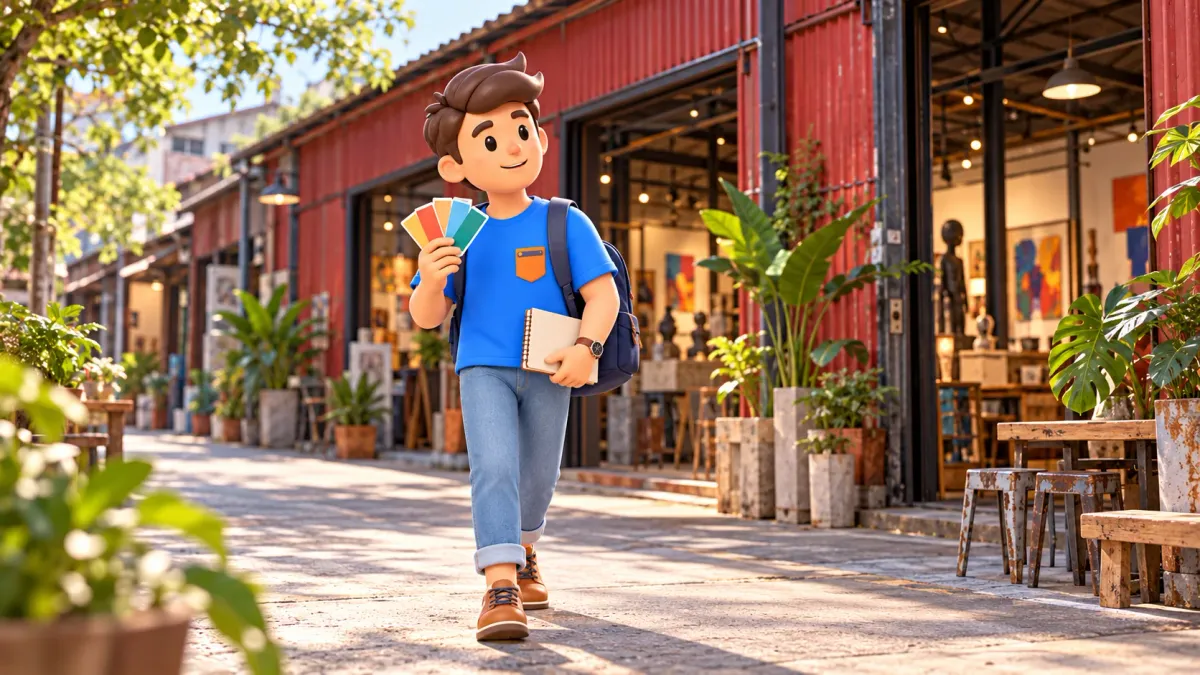
Charoen Krung offers a different way into Bangkok: look at how older buildings acquire new uses, then give one exhibition your attention. The Grand Postal Building, Warehouse 30 and River City Bangkok make a useful short sequence. They do not need to become three exhaustive visits. In roughly three hours, architecture, a few streets and a chosen cultural stop can sit comfortably beside lunch or a drink.
This walk covers a small part of the wider Charoen Krung area. It begins at the postal building and moves towards Warehouse 30 and River City, with arrival and the return journey counted separately. The timings below are planning estimates, not measured walking times. Check the programme of the place you most want to enter before choosing the date, and keep the rest light enough to support that visit.
A three-hour route with one real exhibition stop
Use the Grand Postal Building as the architectural beginning, Warehouse 30 as the middle section and River City as the possible exhibition-focused finish. Choose only one substantial indoor art stop. If a TCDC activity or a gallery at Warehouse 30 becomes your priority, give it the time and shorten the later interior. The point is to look properly somewhere rather than pass quickly through every available doorway.
RoadMe can work this idea into a personalised Bangkok route based on your interests, available hours and pace. Planning in the app is much more convenient than assembling separate recommendations, especially when you want art, food and neighbourhood walks to fit one coherent trip.
A late-morning start is one possible shape for the day, with a midday pause and an afternoon finish. If TCDC is essential, remember its usual Monday closure and check the particular service or event you want. An exterior walk can have a different calendar from an interior visit. Do not assume that one institution’s hours describe every gallery, shop or service on the route.
| Time from the start | Suggested use |
|---|---|
| First 25 minutes | Grand Postal Building exterior and orientation |
| 25–65 minutes | Warehouse 30 connection and a selective look around |
| 65–95 minutes | A seated meal or drink break |
| 95–160 minutes | Continue to River City and see the chosen exhibition |
| Final 20 minutes | Unhurried finish and onward arrangements |
Begin at the Grand Postal Building
The postal building gives the walk a strong opening through its scale and public architectural character. Stand at an appropriate accessible viewpoint and notice the relationship between the broad façade and the street. The interest here is not just in a photogenic wall. A building associated with communication now also provides a setting for design culture, making it a useful introduction to the wider creative area.
TCDC, the Thailand Creative & Design Center, is based in the Grand Postal Building. That connection is enough to give the first stop meaning without promising access to every room. A library service, an exhibition, a talk and an exterior visit are different experiences. Check the conditions for the one you actually want. Do not treat a reference to TCDC as a guarantee of unrestricted free entry to all its facilities.
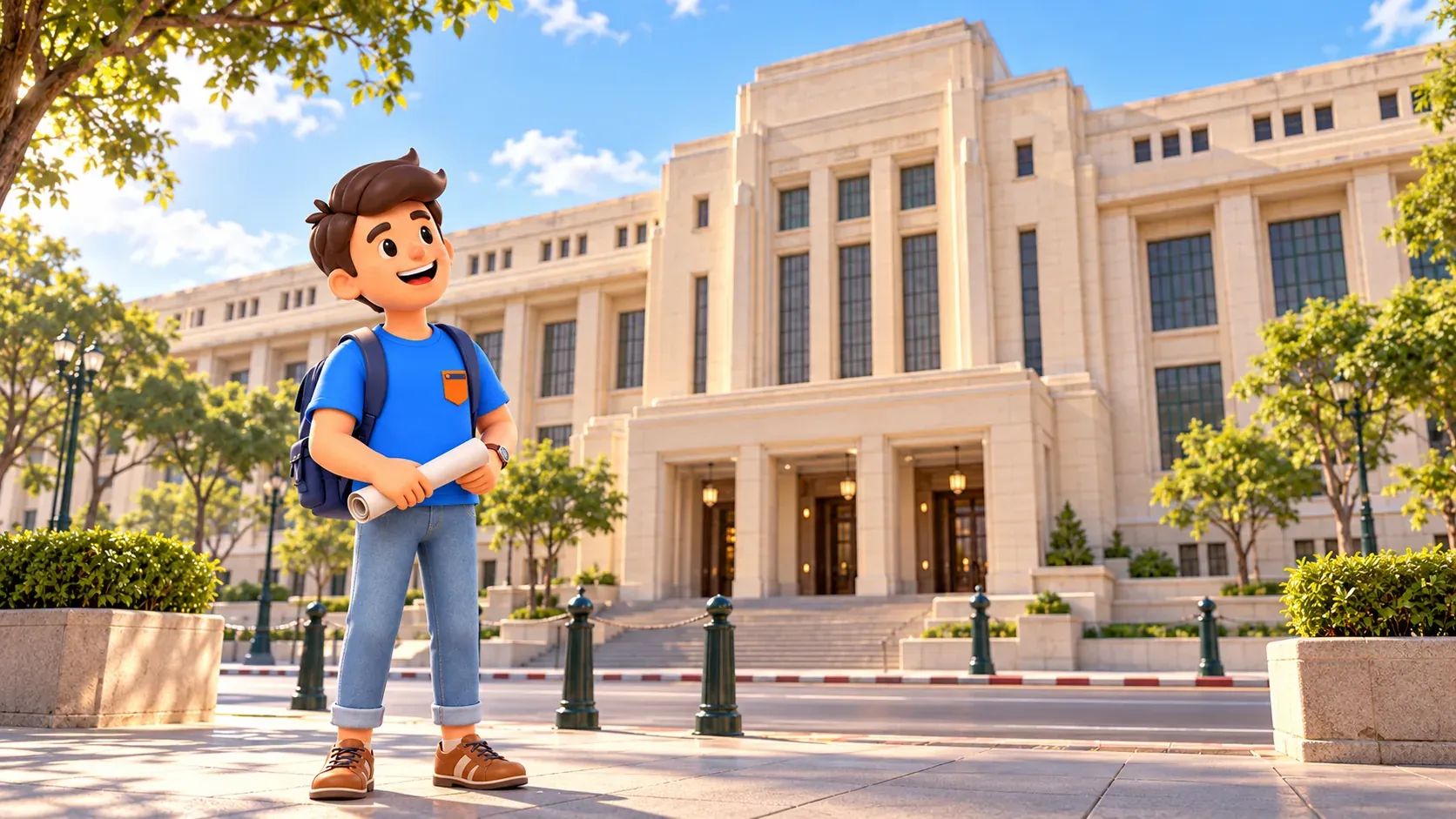
For the short route, spend your main attention on the exterior unless you have deliberately chosen an indoor activity. Notice massing, rhythm and the contrast with the smaller streets you will follow. If you do enter, reduce time elsewhere rather than adding the visit on top of the entire plan. A good beginning should help settle your attention; it need not contain a complete institutional history or a tour of every service area.
Walk towards Warehouse 30 through the ordinary streets
The street connection belongs to the outing. Use public routes, ordinary crossings and the access points that are actually open. This is not a promise of a continuous riverside promenade. Charoen Krung’s creative identity is easier to understand when you also notice shopfronts, deliveries and changes in building scale, rather than treating the distance between named places as empty time that should be removed.
Warehouse 30 gives that theme a clear architectural example. Former wartime warehouses have been adapted into a creative community setting with galleries, shops and places to pause. The appeal includes the industrial frame as well as whatever is operating during your visit. Look at a roof span, a doorway or the relationship between an older structure and its newer use. A little context helps without requiring the full history of every unit.
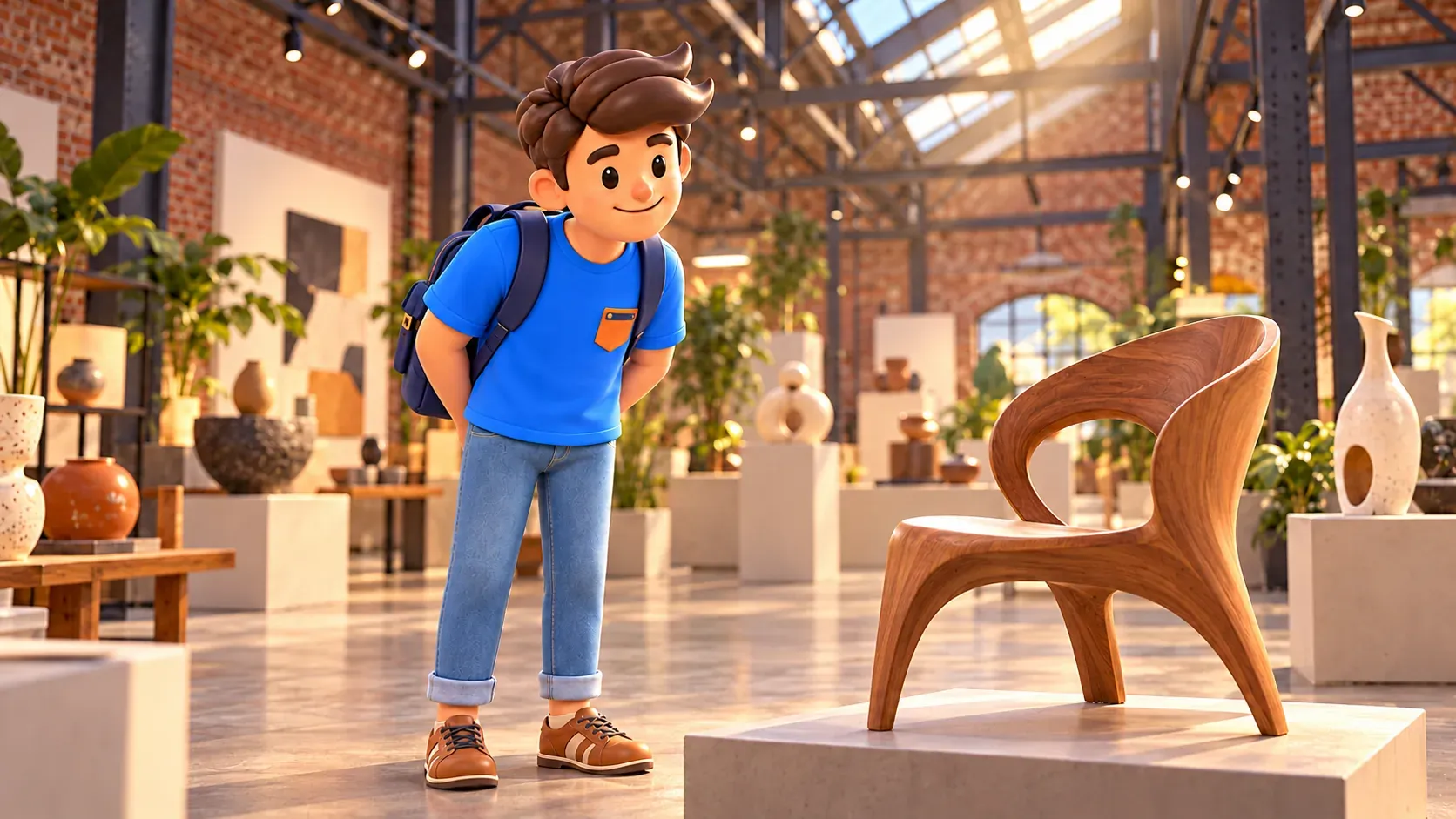
Be selective about entering. If a gallery or design space catches your attention and is open, it can become the main art stop instead of the later exhibition. If the current offer does not match your interests, a shorter look at the setting is enough. Individual tenants and programmes change, so an old list of shops should not determine the afternoon. Choose what is present and genuinely appealing, not what a photograph suggests must still be there.
How to look when design is not your specialist subject
You do not need a professional vocabulary. Choose an object or a spatial detail and ask a simple question: what makes it feel light, heavy, warm or formal? Compare timber with metal, or a broad warehouse interior with the street outside. These observations can be more engaging than trying to memorise every maker’s name. In a retail or gallery setting, ask before touching objects and follow photography rules.
If you are travelling with someone whose interests differ, agree on a short shared look and a clear meeting point before separating. One person may want more time with furniture or craft while another prefers a café. The route works better when those differences are acknowledged than when everybody moves through the same rooms at the same pace. Keep the total indoor time proportionate to the three-hour outing.
Make the midday pause part of the plan
Choose a comfortable open place for a meal or drink, with prices and a menu that suit you. It can be within the creative area or on a nearby street; a particular fashionable café is not essential. A seated half-hour is a useful opportunity to decide where your attention should go next. Perhaps the warehouse visit already supplied the cultural highlight, or perhaps you are looking forward to one exhibition at River City.
Do not use the whole pause to plan several extra galleries. Let the earlier impressions settle and look at the current conditions of the one visit still important to you. If the morning has absorbed more time, shorten the finish. You will get more from a chosen exhibition with a little energy left than from several rushed rooms after skipping lunch. The break supports the cultural part rather than competing with it.
River City Bangkok: choose one exhibition, not every floor
River City brings art, galleries and antiques into the riverside part of the walk. Its programme changes, so choose according to the dates and subject of your actual visit. A show seen in an older recommendation may have ended, and different exhibitions can have different entry arrangements. The centre’s general opening and access to a specific event are not the same piece of information.
Within the suggested budget, aim for one exhibition or a focused gallery visit. The allowance includes getting from the previous area and entering, so it is not a guaranteed full hour inside every space. If a particular show needs more attention, extend the trip or shorten the beginning. There is no need to cover every floor to make the stop worthwhile. A clear preference is more useful than a large unfinished list.
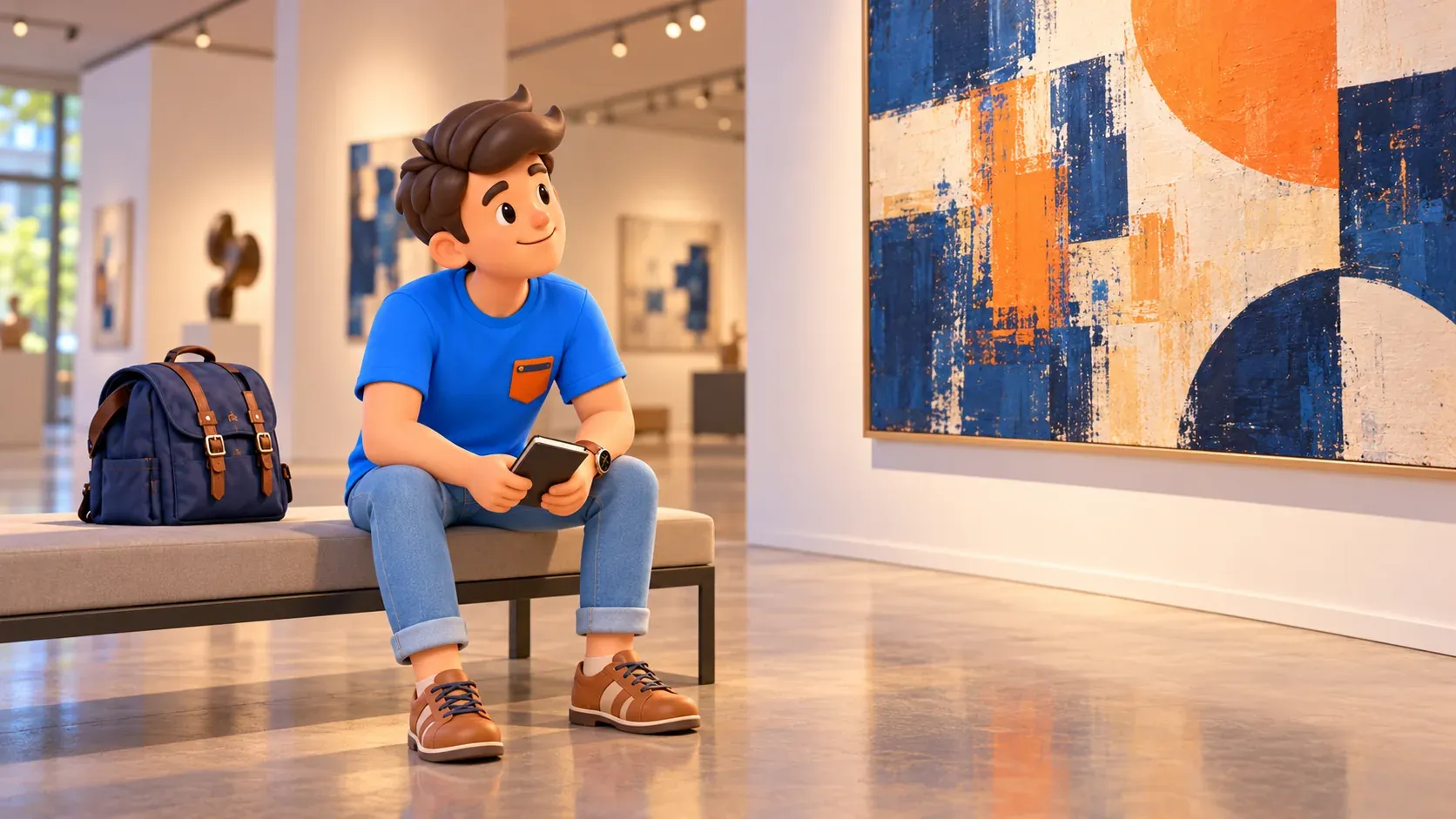
Choose one work that holds you and look before reading everything around it. Then use the available interpretation to test what you noticed. Colour, scale, material and arrangement can provide an entry point even when the artist is new to you. If you enjoy antiques more than a temporary exhibition, make that your theme instead. A change of focus is a personal choice, provided the visit remains within the access conditions of the spaces you enter.
A calm finish instead of another obligatory gallery
Keep the last part for an unhurried finish and your next journey. If you want another drink or a moment near an accessible river view, count that time honestly rather than assuming it happens outside the afternoon. Private terraces and premises have their own conditions. The walk can end with a seated conversation about one thing you enjoyed, without another admission or a perfect sunset photograph.

With RoadMe, you can develop a personal trip plan that gives more room to the Bangkok experiences you value, whether that is art, design or a slower district walk. The app makes organising the whole stay easier than trying to connect separate routes while you are already out.
Before leaving the area, settle how you will continue or return. Do not turn a short cultural route into an automatic evening marathon. Talat Noi lies beyond this outing’s northern end and can be explored separately; our two-hour Talat Noi walk gives it its own time. Adding that complete route would extend the day, not fit invisibly inside these three hours.
How to adapt the walk to your interests
For an architecture-led version, keep the postal exterior and warehouse setting, then make the indoor stop shorter. For an art-led version, select the exhibition first and let it set the date and the time you protect. For companions with different preferences, preserve a shared beginning and a real pause. If you want to distribute culture across a longer stay, our three-day Bangkok plan provides the broader frame. This short route works best when it leaves you with something you looked at closely, not just several places you passed through.


