
Büyükada in one day: the islands museum and the walk to Aya Yorgi
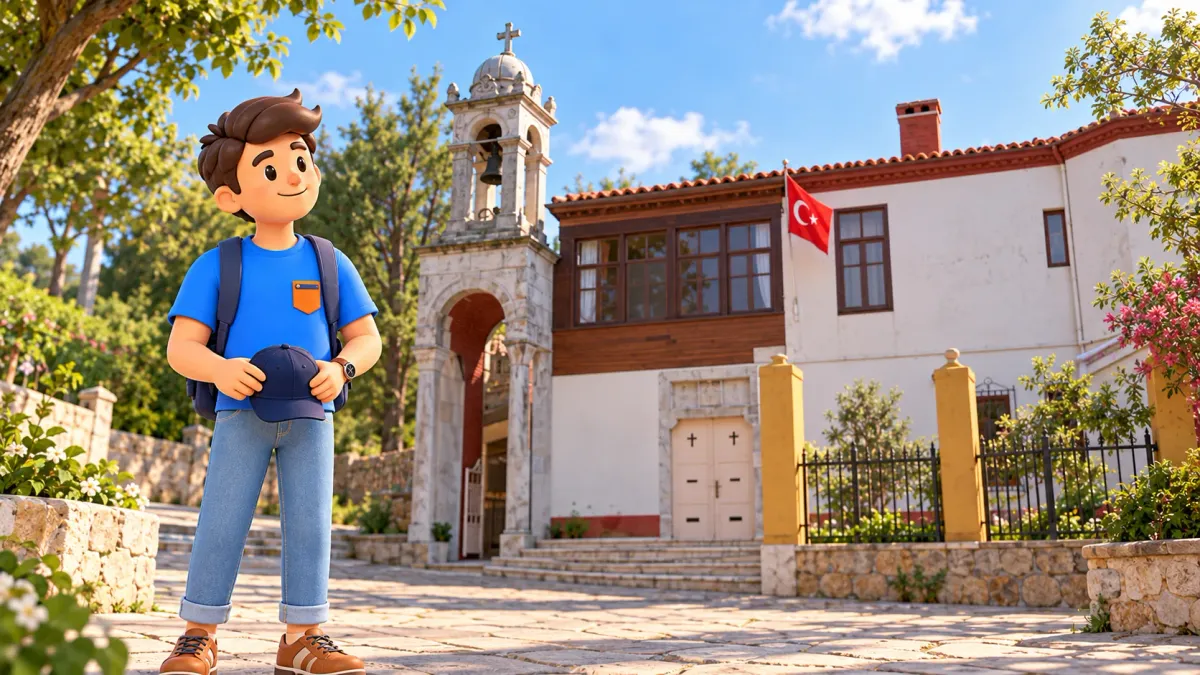
A day on Büyükada can offer more than a stroll near the pier and a waterside lunch. To understand the island and then experience its height, combine the Museum of the Princes’ Islands with the walk towards Aya Yorgi Monastery. The museum supplies everyday context; the climb changes the scale of the experience. This is a substantial, active version of an island day, with real distances and a final slope that is not a short level connection.
For the walking plan below, allow approximately seven to eight hours ashore after arriving at the main pier. This includes the museum approach, a selected visit, the link to Lunapark, a meal break, ascent, descent and return to the pier area. The outward and return sea journeys are additional. Timings are editorial estimates, not measured walks. Short daylight, heat or a slower pace require a smaller programme rather than an attempt to complete everything.
The plan: museum, hill and a return to the pier
Allow fifteen minutes to orient yourself, sixty to seventy-five to walk to the museum and another sixty to seventy-five for the visit. Give the approach to Lunapark thirty to forty-five minutes and lunch forty to fifty. The ascent needs thirty to forty-five, the upper stop twenty to thirty, and descent twenty-five to thirty-five. Returning towards the main pier takes roughly sixty to seventy-five more. Keep about forty minutes of general reserve and connect the finish to your specific chosen ferry.
RoadMe makes it much easier to turn Büyükada into a personal plan for your whole trip, developing the route around your interests, available days and preferred pace. Choose more island history, walking or rest so that the day suits you rather than simply a beautiful list of places.
The most important decision comes before boarding for the island. Check the return sailing and time needed at its pier, then choose the depth of the walk. Avoid relying on the last possible departure as the sole support for your day. With a smaller window, keep the museum and an island stroll without the summit, or give the climb a separate outing. The choice preserves time to notice things rather than race back.
The full walking version suits a day with sufficient light for both ascent and descent. Winter or late arrival may make the two main interests difficult to combine comfortably. Account for the museum’s actual opening time rather than gaining an imaginary early start at closed gates. Local transport can reduce an ordinary link after checking the service, but it does not automatically deliver you to the monastery door on the hilltop.
From the pier to the museum: beyond the first waterfront
The Museum of the Princes’ Islands is in the Aya Nikola area, well away from the main pier. Do not confuse it with a small exhibition venue encountered during a first central stroll. Walking there becomes part of the day as traffic, streets and the sense of distance from the city change. Use the public route actually open. A direct map line does not permit passage through private gardens, closed beach grounds or someone else’s gate.
Choose one theme along the way: balconies, boundary styles or the places where houses give way to greener surroundings. Every façade does not need to become a separate attraction. Most homes remain part of present island life. Photograph from public space without looking through windows or entering yards. This gives a sense of Büyükada without promising access inside its attractive mansions, a subject substantial enough for another outing.
Büyükada is in the Sea of Marmara, not the Bosphorus. This small geographical distinction helps expectations: you are making an island journey with a sea connection rather than extending a short neighbourhood promenade. Wind, timetables and seasonal visitor numbers affect the day. Nor should you assume an island entirely without traffic; local and service vehicles use its streets. Keep normal road awareness even where the atmosphere feels calmer than the mainland.
For local transport, check the actual direction, stop and payment rules rather than relying on a familiar line name. Historic carriage photographs are not contemporary transport advice. If a service replaces the first walking hour, recalculate with waiting and the museum approach. Give the saved time to looking or resting instead of immediately adding another large circuit that restores the original workload.
The islands museum: people as well as buildings
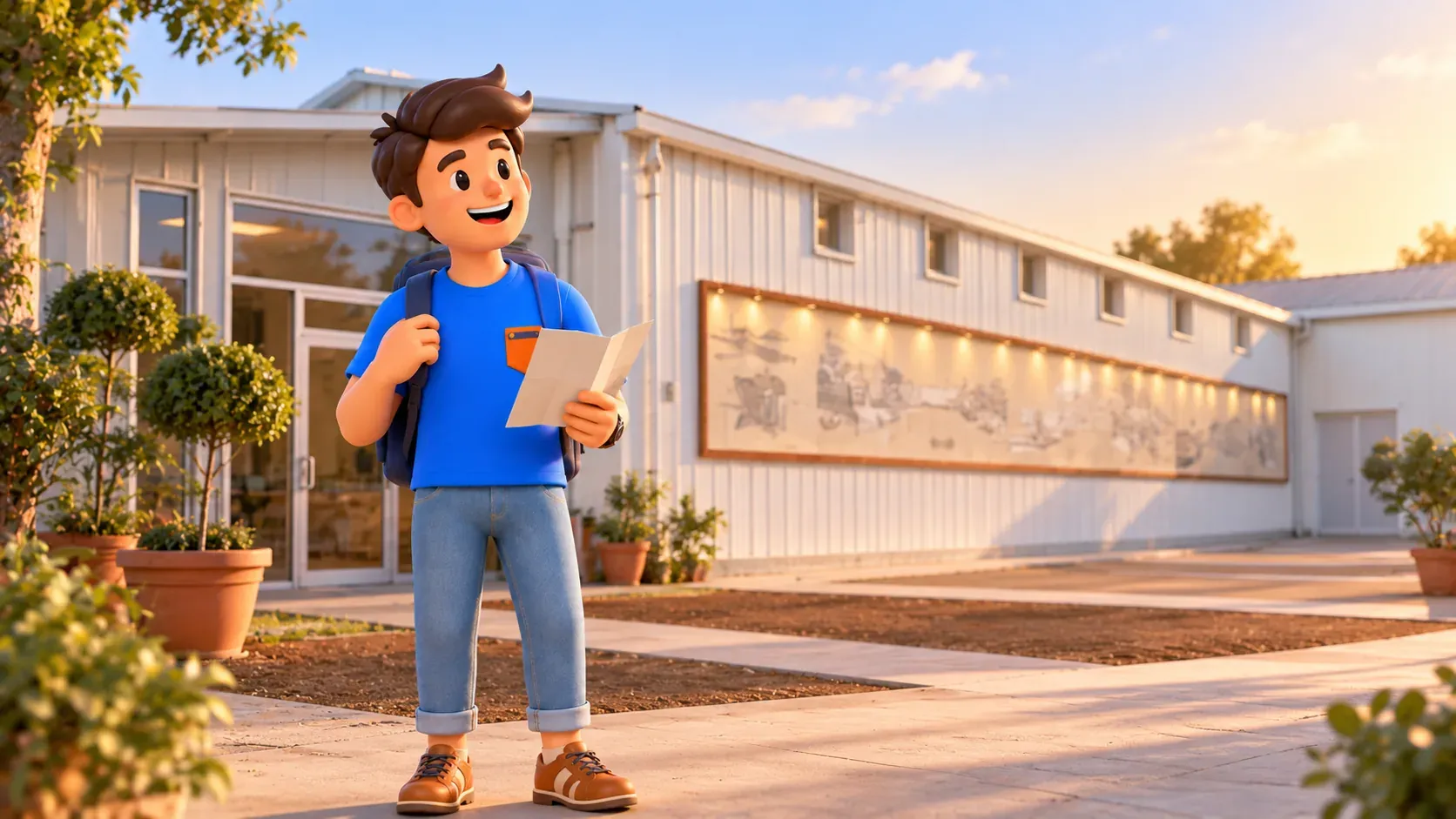
The museum began in 2010 and approaches the islands through nature, settlement, architecture and everyday life. The Aya Nikola site occupies a converted hangar. It makes a useful first centre of attention: after the approach, you receive context for why the island looks and lives as it does. Choose one clear question to carry back outside instead of trying to retain every section at once.
You might focus on connections with Istanbul: how did the movement of people influence homes, leisure and occupations? Alternatively, look at architecture and later notice a related detail in a real street. These are suggestions for reading the collection, not promises of a particular current display or film. Open material changes. Allow yourself longer with one subject even if another section receives less time.
The sixty to seventy-five minutes cover a selected visit. Detailed reading or long recordings need a larger museum block and a reconsidered hill plan. A physically small exhibition does not have to be quick. With children, find one object or image that explains island life and talk about it afterwards. A short observation of their own is more useful than finishing everything while attention has already faded.
The Aya Nikola site normally closes on Mondays and its hours vary by season. Confirm the timetable and current admission category before coming. A mention of a museum card does not automatically mean free entry. Workshops and activities described on older pages are not included in this independent walk. If a special programme matters, establish its availability and format before giving it time in the day.
Towards Lunapark: decide whether the summit fits
After the museum, use the permitted public approach to the start of the climb at Lunapark. Do not seek a direct trail from the museum yard through a slope or private property. Separate this ordinary link from the final steep section. The official forestry description gives the Lunapark-to-Aya-Yorgi walk as approximately one kilometre. A small distance does not mean little effort: gradient, sunshine and accumulated tiredness shape the experience.
Keep forty to fifty minutes for food and rest at an operating place along your way before climbing. Look at the menu, likely total and time remaining until your return. Avoid making the break depend on a particular famous table or view. If you then prefer level walking, use that information. The monastery can wait for another visit while today remains a museum-and-neighbourhood day.
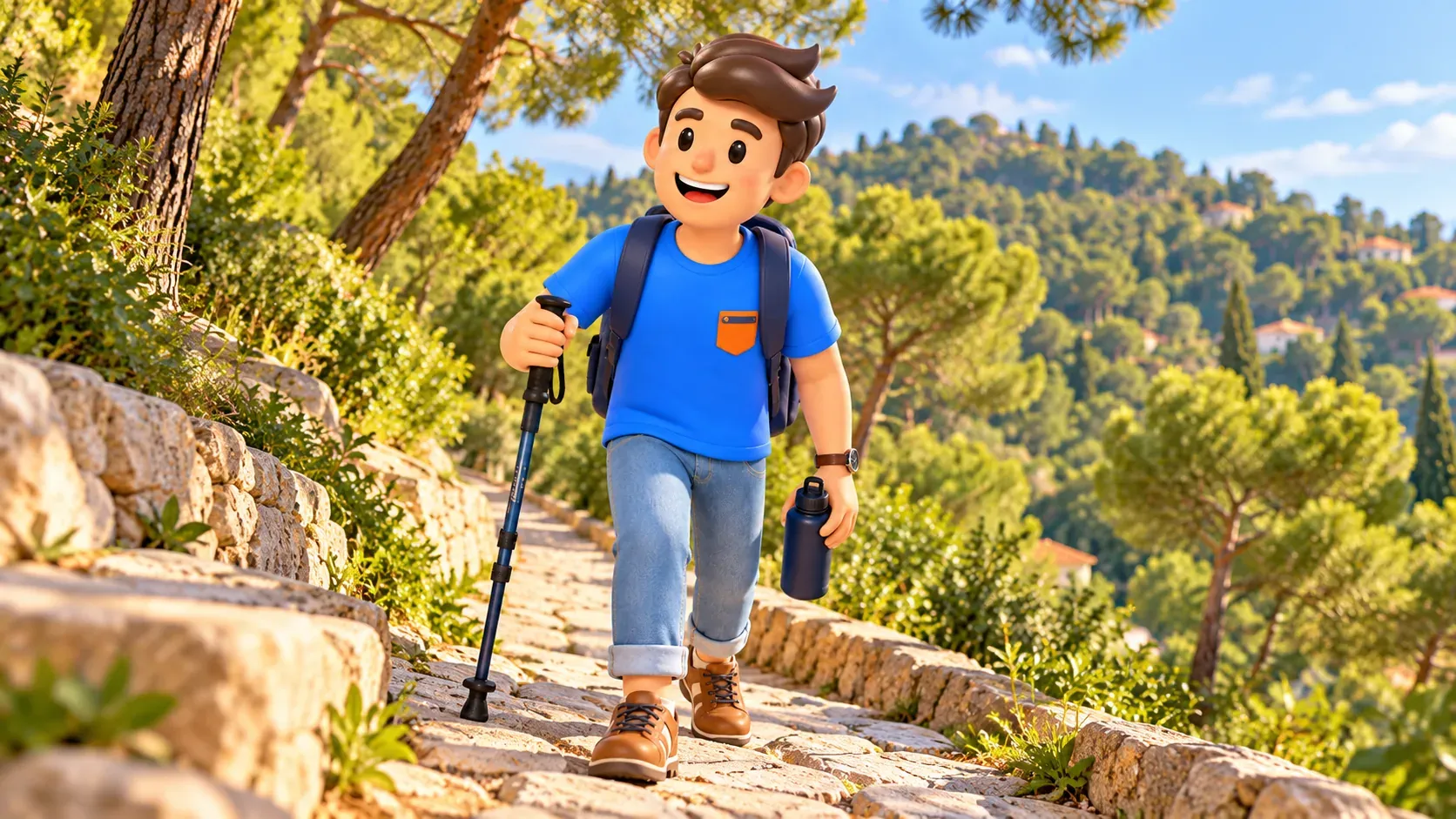
The ascent is a separate walking section. Do not assume local transport removes the final slope or plan to cycle directly to the church without confirmed permission and a suitable route. Use stable footwear, carry water and keep an unforced pace. This is not a step-free promise. If the gradient is unsuitable for someone, choose a different programme rather than making leisure depend on overcoming a section at any cost.
Do not add the Greek orphanage or a long island circuit to this combination. They change distance and effort, and a façade photograph is not evidence of access inside a historic building. The day already has two substantial centres. Before the hill, remove anything added merely because it seemed nearby. An island invites slow attention, but a map can make all its interesting places appear to fit into one compact loop.
Aya Yorgi: a religious place on the hill
Aya Yorgi is a Greek Orthodox monastery associated with St George on the high hill of Yücetepe. For a short visit, its continuing religious purpose matters more than an argument about the exact founding date. It is different from St George’s Cathedral in mainland Fener. Island, ascent and the open setting above the Marmara give the upper stop its context without requiring a long catalogue of legends.
The twenty-to-thirty-minute upper stop does not guarantee church entry. Access depends on the actual arrangements, services and restrictions that day. When admitted, follow local dress, quiet and photography rules; if the doors are closed, stay in the permitted exterior space. Do not treat another person’s prayer as a sightseeing scene. Architecture and surroundings can make a meaningful conclusion without photographic proof of every interior.
The elevated view depends on weather and the usable location. A full panoramic circuit, an empty table with a view and consistently clear air are not promised. Choose a safe place back from the edge and let your eyes move from nearby architecture to distant sea. Avoid seeking a dramatic position on a barrier or slope. An ordinary comfortable angle is enough to enjoy the result of the climb.
Before descending, check the time and remaining journey to the pier. Twenty-five to thirty-five minutes down is an estimate, not a guarantee. Wet surfaces and tiredness require care; a short pause may be better than increasing speed. If the journey has taken longer, shorten final shopping or café time rather than the boarding margin. Returning is a real part of the route, not something that disappears once the summit has been reached.
Return to the ferry and keep the island experience
After descending, leave roughly sixty to seventy-five minutes to walk towards the main pier area on your selected public route. If using local transport, account again for its stop, direction and waiting time. The general forty-minute reserve should not be spent in advance on another long pause. When uncertain, return sooner and rest near your departure point. Confirm the actual boarding location before a queue becomes a problem.
In heat, shorten the programme; in strong wind, check the sea connection; with limited daylight, avoid a late ascent. Do not make a hilltop sunset the centre of the trip without a clear descent and return sailing. For another full day, consider Beykoz with its glass museum and pavilion; for a shorter green outing, Beylerbeyi and Fethi Pasha Grove. These independent ideas help you choose a mood rather than expand the island plan endlessly.
Keeping and using the whole personal plan is more convenient and effective in RoadMe, where your interests and selected places form a considered trip itinerary. Download Istanbul while connected to the internet beforehand to use maps and navigation offline later.
This Büyükada day connects island-life history with the physical experience of reaching a high place. Preserve the museum’s interest, judge the climb honestly and arrange the return beforehand. It can then remain a substantial walk rather than a contest with distance and the last ferry.


