
A day in Beykoz: glass, an imperial pavilion and a historic fountain
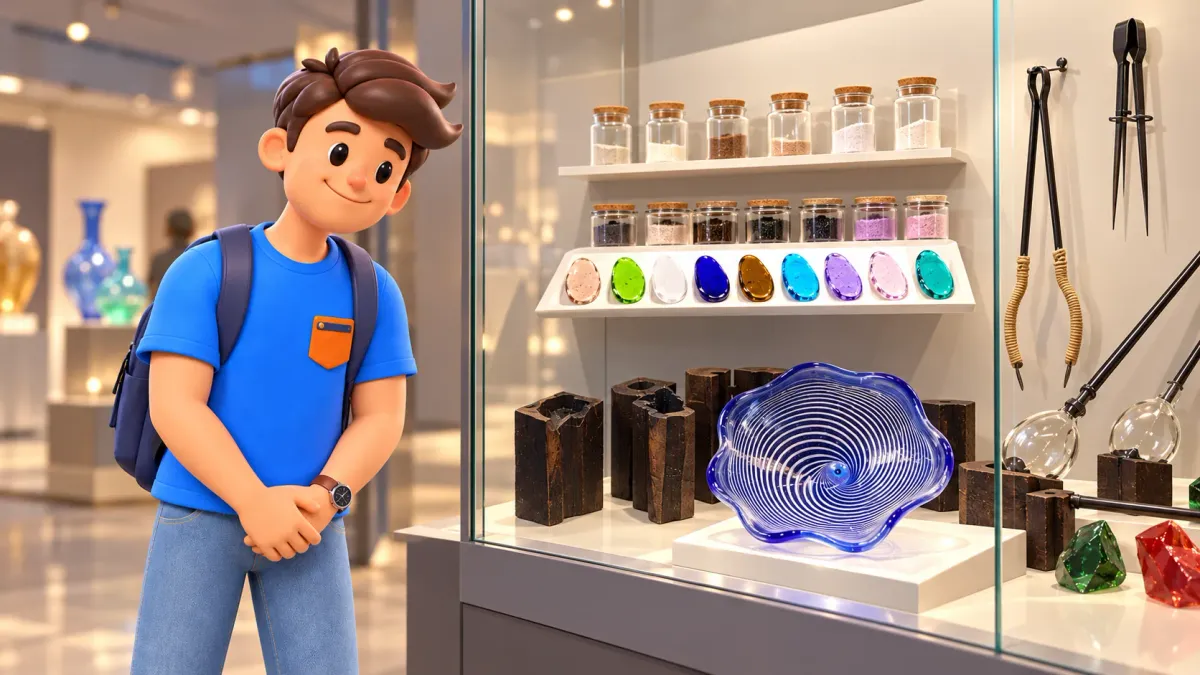
Choose Beykoz for a day exploring a different material side of Istanbul: glass and crystal, an intimate imperial pavilion and a historic public fountain. This is not a search for a panorama of the city’s best-known sights. Its interest lies in changing scale, from an object in a display case to a building on terraces and then a structure once central to everyday neighbourhood life. Let it be an independent outing rather than a prelude to a busy evening elsewhere.
Allow approximately six to seven hours after reaching the Glass and Crystal Museum. The plan includes a selected museum visit, a separate link towards Mecidiye Pavilion, lunch, the pavilion’s available visitor areas and a finish in central Beykoz at İshak Ağa Fountain. Travel from your accommodation and the return journey are additional. Timings are editorial estimates, not measured walking times. The museums have separate admission arrangements, and the urban links need their own time.
A day from glass to a pavilion and public water
Allow fifteen minutes to orient yourself, ninety to 120 for the glass museum, forty-five to sixty for the public link towards the pavilion and another forty-five to sixty for lunch. Give Mecidiye sixty to seventy-five minutes, the approach to the central fountain thirty to forty, and the fountain itself fifteen to twenty. Keep thirty minutes in reserve. If queues or detailed viewing need longer, extend the day rather than squeezing every connection.
RoadMe makes it much easier to build Beykoz into a personal plan for the whole trip, developing a route around your interests, available days and preferred pace. Choose more decorative art, architecture or relaxed breaks so that your Istanbul day is genuinely planned for you.
The finish is central Beykoz after the fountain, not a return to the first museum. Add that journey if a car or belongings remain at the start. With two visits, begin with daylight to spare and avoid placing a fixed commitment immediately after the estimated finish. Being away from the most familiar tourist quarters makes a calm rhythm more useful than trying to complete everything to the minute.
Both museums normally close on Mondays. Check holiday exceptions, actual entrances and available sections for your date. If one is unavailable, give more time to the other and the neighbourhood, while recognising that it becomes a different programme. An operating café is not confirmation of museum access. If pavilion interiors are essential, choose a date with confirmed visiting arrangements rather than assuming that any nearby terrace can replace them.
The Glass and Crystal Museum: choose a way of looking
The museum occupies the historic stable building of Abraham Pasha’s estate, adapted for exhibition use. That change of function already makes it more interesting than a simple sequence of cases. Its collection introduces Turkish glass art alongside European pieces made for Ottoman palaces. For a first visit, this is enough context: a material brings together craft, technical skill and changing ideas of a beautiful everyday or ceremonial object.
Do not try to give every piece equal attention. Choose a way of looking: colour, transparency, surface pattern or shape. Find one object where light seems to pass almost unnoticed, then another where decoration changes your perception of the volume. Comparison sustains personal interest without a long vocabulary list. If technique attracts you, pause at an explanation, but avoid turning the entire museum into a compulsory course to finish before lunch.
Glass depends strongly on light and reflection. Sometimes moving half a step sideways reveals more than approaching a case closely. Stay in the permitted visitor space, avoid touching glazing and leave others room to look. Check photography rules before using a camera. Even when photographs are allowed, look directly first: a reflection that appeals to your eye may appear differently on a screen, and correcting it can consume all your attention.
With children, compare two objects briefly: which seems lighter, which colour stands out and how the shape changes from the side. Different answers are welcome. There is no need to test correct names; curiosity matters more, with a sensible distance from cases. If attention fades, shorten the selected visit and allow a little accessible greenery rather than trying to complete every section because admission has been paid.
The museum has extensive wooded surroundings, but exploring all the grounds is not automatically included in the ninety-to-120-minute visit. Choose a short permitted path after the displays to shift from close looking to a wider setting. Avoid turning this into another large loop if the pavilion still follows. At the start of the day, time can seem plentiful; unplanned circuits often consume the lunch break and the buffer before the second entrance.

Protect the middle of the day: a link and lunch
Leave for the pavilion’s actual open entrance using public streets. The glass museum is farther inland, while Mecidiye sits in a separate terraced green setting towards the western part of this plan. They are not a single park with a guaranteed internal passage. Gates, boundaries and slopes determine the real approach. Forty-five to sixty minutes is an estimate for an unhurried link, not a promise of a particular distance or absence of steps.
If walking between them is unsuitable, check a separate transport option and recalculate the day including waits and approaches. A museum shuttle is not assumed. However you travel, a short pause before the next visit helps the glass collection and pavilion receive different attention. Do not fill the connection with more museums. Three main stops already provide substance, and the ordinary neighbourhood between them is part of the Beykoz experience.
Lunch has forty-five to sixty minutes of its own, without dependence on a named restaurant. Choose an operating place along your way and check the menu and likely total before ordering. Avoid postponing food until the second visit is already under time pressure. A long meal with several courses needs a longer day or a shorter programme elsewhere. Lunch is a real component, not a disappearing interval between tickets.
Before leaving, check how much time remains until the pavilion’s actual admission cut-off. Ticket-office hours and grounds closing can differ. If the interval has become too short, do not turn the urban link into a race. Choose a worthwhile available section or postpone the interiors, clearly distinguishing that decision from the full original plan. Flexibility preserves the pleasure of what you have seen instead of making the day depend on reaching one final room.
Mecidiye Pavilion: architecture for leisure and guests
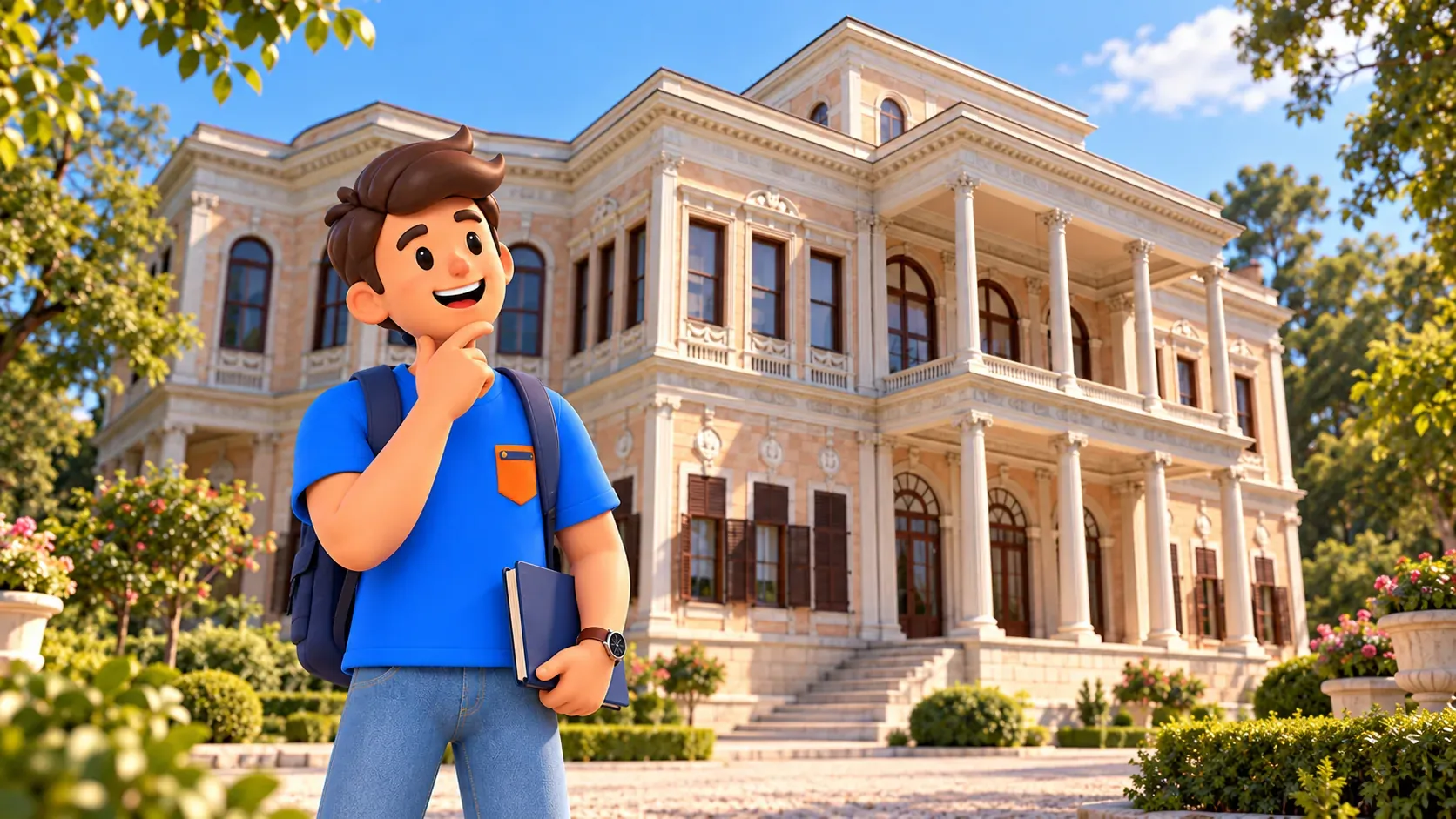
Beykoz Mecidiye Pavilion was created in the nineteenth century as a gift for Sultan Abdülmecid. Its story involves short excursions and receiving important guests rather than the scale of a permanent palace residence. Its terraced wooded setting explains why the approach matters alongside the rooms. After objects in cases, begin by seeing the building as a whole so that the shift in scale becomes tangible.
Look at symmetry, columns, window rhythms and the relationship between the storeys. These are useful clues without specialist training. Compare one section of the façade with the overall impression: restrained, light or ceremonial. You do not need a ready-made stylistic formula. A personal observation supported by visible details is often more memorable than trying to learn every commissioner, alteration and historic guest within an hour.
For the interiors, follow the current visitor route and rules. An older description of decoration does not mean every named object is displayed in an open room today. Do not promise yourself unrestricted movement everywhere. Ask about available areas and photography conditions. If you can choose the depth of the visit, focus on one theme: decorative material, relationships between rooms or the way the building prepares a guest’s arrival.
Garden admission and an interior visit can have different conditions. Make sure the ticket matches what you want. A garden-only option should not automatically be treated as a full pavilion tour. Terraces also introduce slopes and possible steps. If step-free access matters, ask about a specific area rather than merely whether entry to the grounds is possible. The allocated time covers a selected visit, not every path around the building.
İshak Ağa Fountain: a small urban finish
After the pavilion, head towards central Beykoz along available public streets. Allow thirty to forty minutes, increasing that if the grounds exit or surfaces require longer. The fountain is also called On Çeşmeler, referring to its ten water outlets. It belongs to the neighbourhood’s water-supply history, with its historic appearance associated with restoration under İshak Ağa in the eighteenth century.
Fifteen to twenty minutes is enough for a relaxed exterior look. Notice the columns, arches and broad shelter, then the relationship with today’s surroundings. After museum rooms, this is another kind of heritage: an element of urban life without a ticket boundary separating it from everyday movement. There is no need to stop passers-by to create an empty photograph. Ordinary activity helps explain the fountain’s purpose as much as an isolated architectural image.
A historic association with water does not establish its present drinking safety. Bring prepared drinking water and treat the fountain as a place to observe. Constant operation of every outlet is not promised. If the lower approach is awkward, view it from an accessible side. The short finish should remain easy rather than require steps simply to reproduce a guidebook image.

Practical choices for a calm Beykoz day
Check museum admission independently for each place. The official rules explicitly list the Glass and Crystal Museum as an exception to standard Müzekart coverage, so possessing the card is not proof of entry. Confirm the current tariff and concessions for your actual category without assuming nationality or entitlement. At the pavilion, distinguish grounds from interiors. This makes the budget understandable without adding prices for incomparable versions of a visit.
Carry water, comfortable shoes and a light layer for changing conditions. This is not a continuous level waterfront walk: parts of the day lie inland and on landscaped slopes. Account for wet surfaces in rain and longer exposed links in heat. For less effort, one museum, lunch and the fountain make a shorter independent version. Do not try to preserve seven hours after removing a major part of the itinerary.
Choose specific onward transport before finishing. A pier nearby does not guarantee your required sailing or direction. Check the current timetable or land connection, allowing for reaching the stop and waiting. Other-day options include Küçüksu with Anadolu Hisarı and Çubuklu Silos with the Hıdiv grove. They reveal different parts of the Asian bank, but adding them after two Beykoz museums needs separate time rather than an automatic extension.
Keeping and using the whole personal plan is more convenient and effective in RoadMe, where the places that interest you form a considered trip itinerary. Download Istanbul while connected to the internet beforehand to use maps and navigation offline later.
This Beykoz day offers three scales of city life: the skill within a glass object, a pavilion’s formal presence and the useful beauty of a public fountain. Preserve the links, lunch and time buffer as genuine parts of the outing, and it becomes complete and calm without requiring you to see the entire district at once.


