
Two Days in Zurich: The Centre and a Gentle Lakeside Day

Two days in Zurich give you room for two different moods. Spend the first with the historic centre and the university hillside, then devote the second to Museum Rietberg, parks and the left lakeshore. Familiar city landmarks sit alongside art and green spaces, with ordinary walking time between them rather than a continuous series of admissions.
The plan assumes two full days. Arrival, hotel arrangements and your journey home need separate time. Museum Rietberg is the main museum visit; tower climbs and other large collections remain optional choices. This arrangement suits a first trip when you want to discover several sides of Zurich while keeping a comfortable pace.
Give each day a different purpose
On day one, walk from Lindenhof through St. Peter and Münsterhof to Münsterbrücke and the eastern bank of the Limmat. After lunch, explore Niederdorf before reaching Polyterrasse and the university buildings. Rechberggarten can form part of the hillside walk before you return towards the older streets.
On day two, start at Museum Rietberg and Rieterpark. After the museum, a park walk and a proper break, continue through Belvoirpark to the Succulent Plant Collection. Finish beside the lake, heading north towards Rentenwiese. This is one lakeshore, so the next experience does not require repeated trips across the city.
For a trip like this, it is more convenient to prepare a personal plan in RoadMe: the app works out the itinerary by day around your interests, dates and pace. You can give time to the subjects you enjoy instead of constructing a two-day programme from separate attraction lists.
The first day can be largely outdoors, while the second follows the museum calendar. Rietberg is closed on Mondays under its regular schedule. If one of your days is Monday, switch the routes so that the museum falls on an opening day. Check holiday arrangements and the conditions for your chosen exhibition separately.
Day one: the Old Town at your own pace
Begin at Lindenhof with the wider view. Identify the river, the facing houses and the university slope: later you will look back from that side. This simple connection gives the day a coherent shape. A few landmarks that you have properly noticed are more useful than a long sequence of names that is difficult to remember.
Lindenhof preserves the memory of a late Roman fort and later royal buildings. Today it is a public terrace, combining historical depth with everyday city life. At St. Peter, Zurich’s oldest parish church, attention shifts to a smaller scale: the tower clock, the nearby façades and the shape of the square.
Continue to Münsterhof and the Fraumünster. The church is associated with an influential women’s abbey, while the surrounding square brings religious and guild histories into the same setting. Choose interior visits deliberately. Chagall’s windows are inside and require their own time; seeing them cannot be quietly added to an outdoor stop without changing the morning.
Crossing Münsterbrücke connects the two parts of the historic centre. On the far bank, notice the Wasserkirche and the Grossmünster surroundings. Under the restoration schedule, the Grossmünster is scaffolded in 2026–2027. Keep your interest in the quarter and the river rather than expecting an unobstructed view of the towers.
The short Old Town route explains the sequence in more detail. With two days, you can use it more freely: linger in one square, pause by the water or choose one interior. The important thing is to preserve some afternoon energy for the change of perspective on the university hillside.
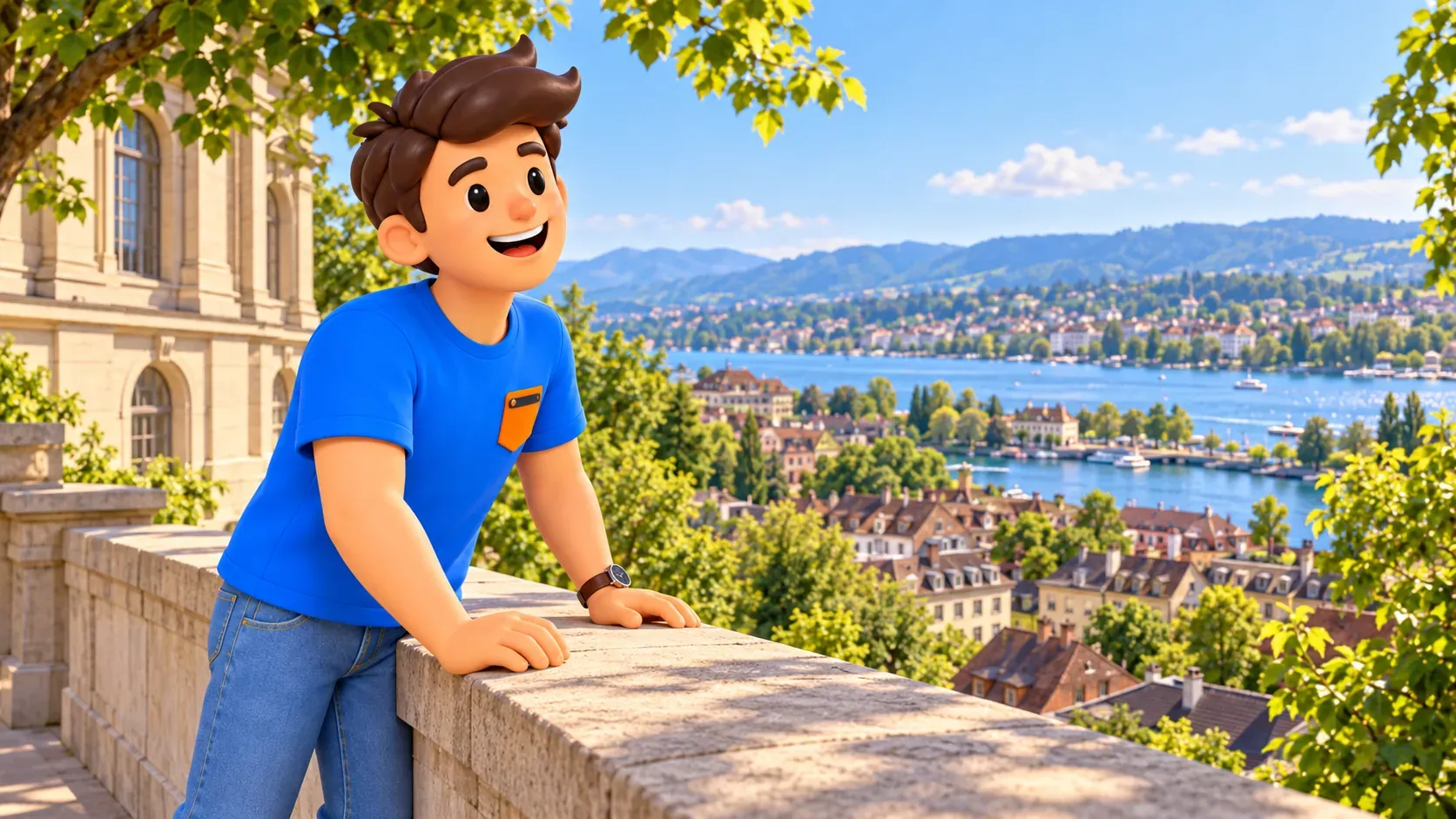
After lunch: Niederdorf and a view from the opposite slope
Continue after lunch along the eastern side and through Niederdorf’s streets. Let this be time for small discoveries: shop windows, passages, books and a comfortable pause. On a first visit, seeing the neighbourhood as a living part of Zurich is useful in itself. A detailed thematic walk through individual buildings and cultural histories can wait for another occasion.
Your next landmark is Polyterrasse in front of the main ETH Zürich building. You can approach the university quarter on foot; taking the Polybahn is a separate option subject to its current timetable. If you choose it, check service and fare conditions for your date. This plan does not assume that every city transport service is covered by a ticket you already hold.
From Polyterrasse, find the Limmat and Lindenhof again. The familiar arrangement is now visible from the opposite side. Compare the feeling of space rather than individual photographs: in the morning you were within the older streets, while now you look across them. That change provides another substantial impression without a second compulsory museum visit.
The ETH and University of Zurich buildings offer a short architectural theme. Look from outside rather than assuming access to all teaching spaces. Rechberggarten adds terraces, planting and a more intimate scale to the university walk. It closes at night, so do not leave it as an assumed stop for a late return.
The slopes make this section different in effort from walking beside the river. If you want to finish earlier, Polyterrasse and an unhurried return are enough. You do not need to add every neighbouring courtyard merely because it appears close on a map. Tomorrow will bring a different route and a different focus.
Day two: Museum Rietberg and Rieterpark
Begin the second day at Museum Rietberg, without turning the journey from your hotel into another sightseeing programme. We suggest around two hours in the museum, followed by a park walk and a break. That duration is an estimate: the exhibition and your interests may change it. Decide the approximate size of the visit before entering rather than rushing yourself once inside.
Rietberg’s holdings include works from Asia, Africa, the Americas and Oceania. For this trip, the museum offers a valuable change of subject after Zurich’s churches and civic spaces. Choose an area that genuinely interests you and read the context for a few works attentively. Broad cultural regions are more rewarding as individual encounters than as a quick list of places supposedly covered.
The setting forms part of the visit. Historic villas stand beside the contemporary glass Smaragd pavilion, connected to underground galleries. Outside, notice how the newer museum space fits into the established park. Access to particular buildings and the scope of your visit depend on the museum’s current programme rather than simply on which structures you can see from a path.
Rieterpark grew from nineteenth-century landscape design and surrounds the villas with mature trees, lawns and paths. After the displays, it provides a natural place to release concentrated museum attention. Choose a short circuit, notice the terrain and find a comfortable pause. There is no need to turn every building in the grounds into another required stop.
If the art holds you longer than expected, allow that and shorten the next park. A gentle day is useful because it permits lingering, not because it guarantees the completion of every name. Keep lunch or another substantial break regardless: you still have walking time and a separate encounter with plants ahead.
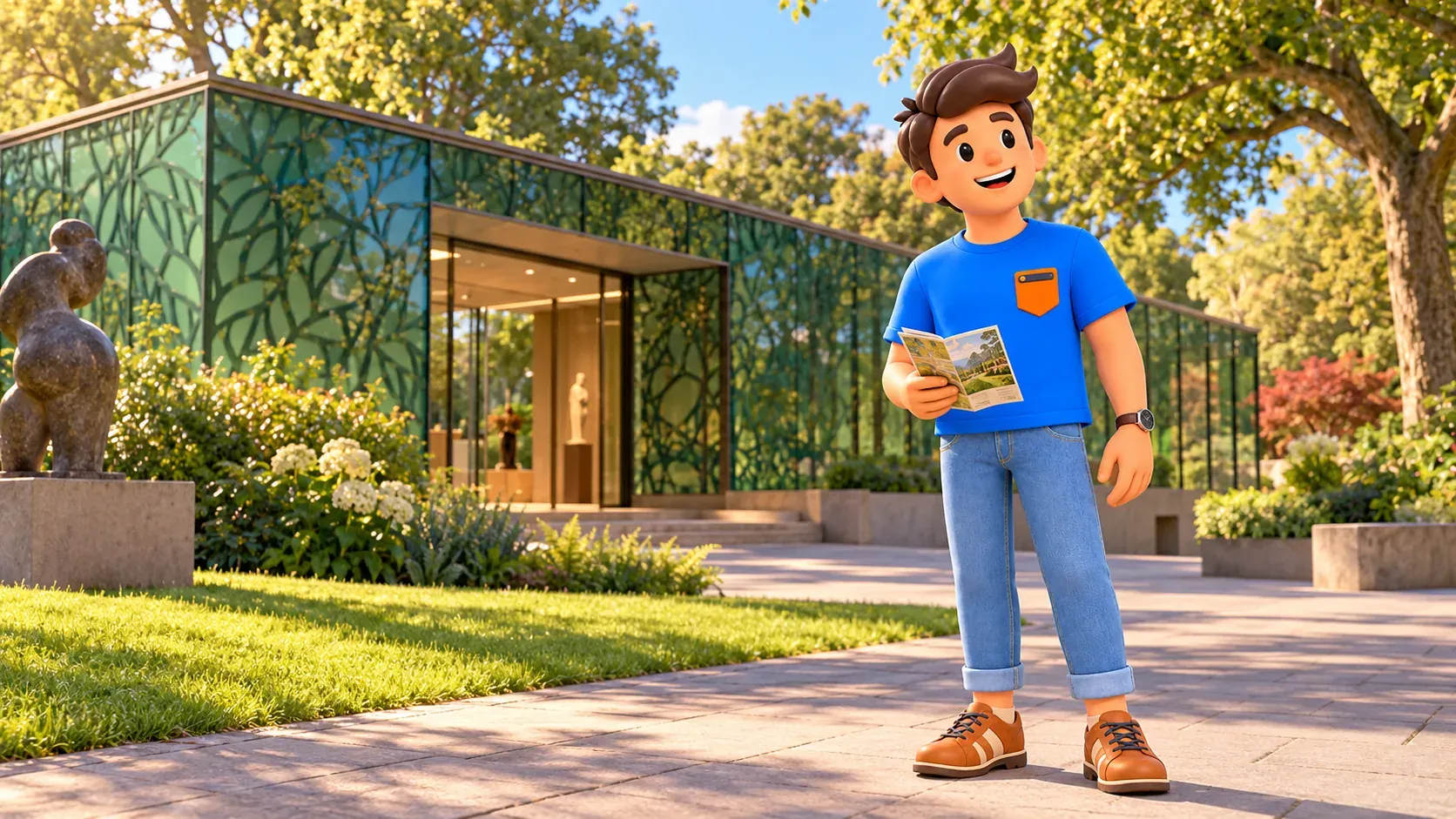
Belvoirpark and the Succulent Plant Collection
After your break, head towards Belvoirpark. It continues the theme of historic gardens without requiring another museum-style visit. Look at old trees, open spaces and differences between planted areas. The park is associated with the Escher family and nineteenth-century Zurich. For this walk, it is enough to notice how private garden culture became part of public city space.
The next stop is the Succulent Plant Collection on Mythenquai. Here you can observe living forms: ribs, leaves, textures and patterns of growth. This is a scientific collection in its own right rather than a casual greenhouse attached to a park. Even a short visit offers a different scale after panoramas, buildings and museum galleries.
At the time of preparation, the regular opening hours are daily from 9am to 4.30pm, with free admission. Place the collection in the middle of the day and leave the unstructured waterfront walk for the finish. Avoid arriving at closing time expecting a proper visit. Around thirty to forty-five minutes can be a useful personal allowance for a brief stop, rather than an official visiting duration.
Do not touch plants or step into the beds. Looking from the paths is enough to appreciate the displays without trying to position yourself beside every specimen. If a passage is busy, let others through and choose the next group to observe. The rhythm fits the second day’s purpose: less rushing and more time to notice.

Rentenwiese: a quiet finish beside the lake
After the collection, reach the lake and head north towards Rentenwiese using public streets and paths. The route does not assume passage through closed bathing facilities; choose the ordinary public ways beside the shore. You can vary your pauses because the final section is no longer tied to a museum admission time.
Rentenwiese combines an open lawn with a historic collection of trees beside the water. After the smaller garden settings, it is pleasant simply to choose a view and stay a while. Distant mountains depend on visibility, while swimming is a separate decision involving season and conditions. Neither is required for a satisfying conclusion to the two days.
If you want a different balance of art, parks and time by the water, RoadMe makes it more convenient to develop a personal plan for the whole trip. The app connects your interests and available days into a coherent itinerary, so you can spend longer in the places that appeal to you.
Adapt the two days to your visit
In unsettled weather, use the drier day for parks and the lake and place the museum on the wetter day if its calendar permits. If you cannot switch days, shorten the outdoor part and keep one substantial indoor visit. A long walk in the rain is not a requirement for getting to know the city.
When travelling at different paces, agree on the main purpose of each day. The first might mean understanding the centre and enjoying one view; the second, selected art and rest. That makes a spare half-hour easier to share without repeatedly comparing the whole attraction list or reopening decisions already made before leaving the hotel.
Keep a separate margin for meals, the journey back and whatever is genuinely important to your group. A two-day plan is helpful precisely because both afternoons do not need to be full. A favourite square or a comfortable bench can become part of the trip without being promoted into another formal stop.
If you have only one full day, use the separate one-day Zurich plan instead of squeezing both walks together. The value of this version lies in the contrast: historic streets and height first, then art and a green lakeshore. That difference is worth preserving.


