
Where to Walk in Moscow: Choose an Area for Your Mood

The best Moscow walk for today depends on the kind of day you want. Choose the historic centre for recognisable landmarks, Chistye Prudy and Myasnitskaya for unusual façades, or Zamoskvorechye for art followed by old streets. For more open space, look towards the river or VDNKh. These choices offer different pleasures, and there is no need to join them all into one itinerary.
This guide compares seven walking areas rather than drawing one long route across Moscow. “Area” means a useful part of the city to explore, not an exact administrative district. Use it to choose a mood, a scale and a suitable next step. Suggested durations are editorial estimates for an unhurried outdoor walk with pauses, excluding queues and substantial indoor visits.
Choose the experience before choosing the addresses
Ask what you would like to remember afterwards: the familiar silhouette of Moscow, a few surprising architectural details, a painting, or time beside the river. Then choose one main area and one optional stop. This matters especially when you have only two free hours. Travelling to a distant attraction can consume much of that window before the walk has even begun.
To turn those preferences into a usable plan, try RoadMe: the app creates a personal itinerary around your dates, interests and pace. It is a convenient way to shape a walk or a longer trip instead of connecting a collection of appealing addresses yourself.
Start and finish should fit your actual journey, not an imagined central starting point. A street, a museum, a working church and a private courtyard also have different access conditions. The foundation here is outdoor exploration. Check individual interiors separately, particularly when one building is the main reason for choosing an area. The neighbourhood’s general appeal cannot replace that practical check.
Historic centre: for the Moscow you recognise immediately
Alexander Garden, Red Square and Zaryadye suit a first visit when you want to connect famous images with the real city. The interest lies in changes of scale: the long Kremlin wall, the open square, GUM’s covered galleries and a view across the river. The Kremlin and Red Square form one UNESCO World Heritage property, while their surrounding spaces offer very different experiences.
Begin on the garden side, continue towards the square and choose an onward walk into Zaryadye. Allow roughly two to three hours for a compact outdoor version, or add lunch and longer pauses for a fuller day. Entering the Kremlin museums or the State Historical Museum changes the scale of the programme. The separate one-day Moscow itinerary develops the central option.
Choose this area if you are new to the city and want a clear visual foundation. If the main façades are already familiar and you would rather make smaller discoveries, another area below may suit you better. Access restrictions can affect central spaces, so follow permitted paths or change the area when necessary. A successful visit is not measured by the number of compulsory symbols you manage to collect.
Zamoskvorechye: art followed by old streets
Choose the area around Lavrushinsky Lane, Kadashi and Bolshaya Ordynka if you want a day with one substantial anchor. That could be the Tretyakov Gallery, followed by streets and church silhouettes. The change of attention is appealing: first look at art, then at the relationships between buildings, open spaces and architectural details. Nearby museums do not all need to become extra appointments.
An outdoor walk can take roughly two to three hours. If the gallery is the priority, give it a separate substantial block and shorten the streets afterwards according to your energy. Check the particular venue: the historic building in Lavrushinsky Lane and the institution’s other sites are different visits. The two-day Moscow plan separates the centre and Zamoskvorechye into different days.
A little context also changes how you see the gallery building. Its collection’s beginnings are associated with Pavel Tretyakov’s purchases in 1856; the familiar façade based on Viktor Vasnetsov’s designs appeared in the early twentieth century. The exterior belongs to the collection’s history too. You can notice that connection without turning the street into a preview of every gallery room.
Decide which interest leads. For painting, choose the museum and a short continuation. For architecture, look towards Kadashi, Klimentovsky Lane and part of Ordynka, largely from outside. Working religious sites have their own current rules. A house museum or a guided visit is not automatically included simply because the address lies within your chosen walking area.
Chistye Prudy and Myasnitskaya: for people who notice façades
This area suits the pleasure of discovering unusual details on ordinary city streets. Chistye Prudy, the House with Animals on the boulevard and the Perlov Tea House on Myasnitskaya provide three different reasons to pause: water and boulevard space, decorative reliefs and a strikingly stylised façade. The buildings’ complete histories can wait until something particular catches your interest.
Start near the pond and gradually work towards Myasnitskaya, leaving time for small diversions along public streets. Around two to three hours allows a walk with attention to details. Do not add all of Kitay-gorod and several museums within the same window. If the weather permits only a short outing, choose one stretch instead of speeding up every transition. Attractive architecture does not create a right to enter a closed courtyard.
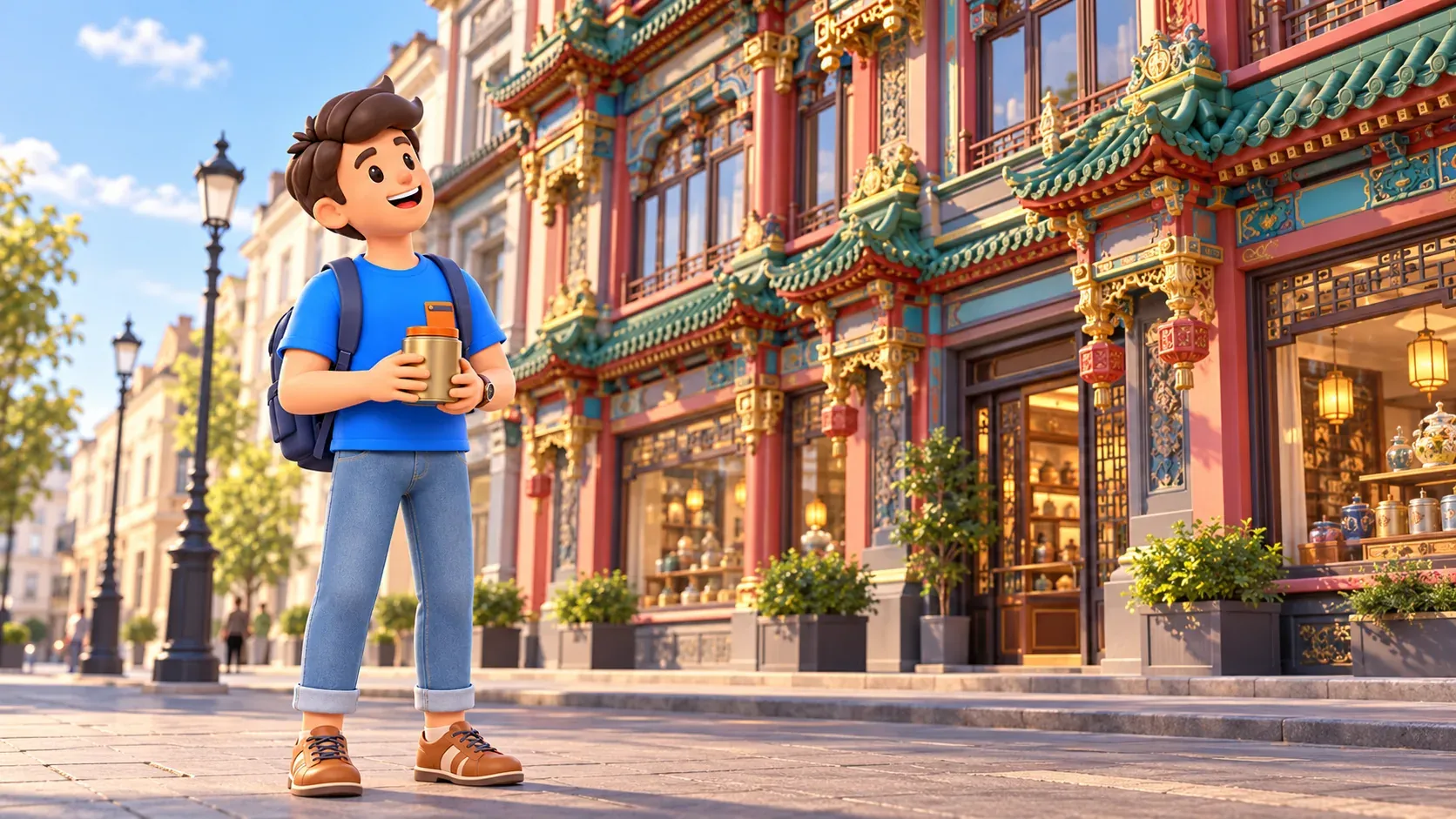
The Tea House’s Chinese-inspired decoration gives it a distinctive character; the façade was remodelled in that style in 1896. You do not need to memorise the full story to enjoy looking at its colours, roof shapes and ornament. On a detail-led walk, looking upwards and then stepping back for an overall view can be more rewarding than immediately moving to the next pin on a map.
Patriarch’s Ponds and the lanes: a compact urban story
The pond, Spiridonovka and Malaya Nikitskaya allow a walk built around a few connected impressions. Pause by the water, then turn towards mansion architecture. Zinaida Morozova’s mansion and the Ryabushinsky mansion are useful reference points. Their exterior contrast already provides a theme without making interior visits essential. Literary associations may add interest, but distinguish real biography from the events of a novel.
Allow about two hours or longer if you want a substantial break. An unhurried walk means your chosen pace, not guaranteed silence or empty streets. If your real goal is a pause from city activity, assess the atmosphere on arrival and consider a park instead. For architecture, several attentive stops in neighbouring lanes work better than trying to gather every literary address in Moscow into one outing.
Khamovniki: streets, a garden and a literary connection
Khamovniki works for a walk without one huge square or compulsory panorama. Your reference points can include St Nicholas Church in Khamovniki, Tolstoy’s estate and the park of the Trubetskoy estate. Each serves a different purpose: expressive architecture, a literary address and a green pause. This is a basis for choosing a theme, not a promise of free access to every building or museum territory.
Set aside a few hours and decide what matters most. If the estate as a museum is essential, check its current status, works and admission arrangements with the museum before committing. For a neighbourhood walk, combine available streets with a park stop. Do not make the whole day depend on an interior you have not checked. Finish near convenient transport with enough time for your next commitment.
The advantage of a mixed area is that attention can change naturally. After looking at a church façade, you might prefer a bench and trees rather than another building. You do not need to make every part equally long. A small park pause can be the most memorable part of a day that initially seemed to need a long list of cultural stops.

River walks: when water and open views matter most
Choose between two river experiences. On Bolotny Island, look towards the House on the Embankment, GES-2 and the views around Patriarshy Bridge. Around Muzeon and Krymskaya Embankment, sculpture, public space and the river perspective become the main combination. The areas can be connected with enough time, but first choose one. A continuous waterfront line on a map can hide a more substantial walk on the ground.
Allow roughly two hours for one section with pauses and the option to finish sooner. A nearby exhibition or museum needs its own time and access check. A cultural centre’s presence does not mean every programme is available every day. In cool or windy weather, consider how you feel in open spaces. Here, a view may matter more than another address, making space for stopping especially useful.
If your interests range from art to gardens and river views, let RoadMe help build a personal walking or trip plan around those preferences. Download the city while online beforehand so that its maps and navigation are available offline when you use the plan outside.

VDNKh: a grand ensemble for a separate half day
Choose VDNKh as a destination in its own right when you want broad avenues, pavilions and fountains. The Main Entrance, Central Pavilion, Friendship of Peoples and Stone Flower fountains provide a useful set of anchors. The effect comes from the whole ensemble as much as from individual structures. Adding every neighbouring museum, the television tower and distant garden area immediately enlarges the outing.
Give a first visit half a day and one main purpose. That could be outdoor architecture or one chosen museum with a shorter walk. Fountain operation and programmes depend on season and current conditions; a familiar photograph does not guarantee the same scene on your dates. Count the journey separately from walking time and avoid squeezing VDNKh between fixed commitments in the historic centre.
The contrast with a lane walk is a matter of scale. In an ensemble, stop to look down an axis and compare the pavilions with the spaces between them. In a lane, attention shifts to a window, gateway or relief. These are different pleasures. If companions need frequent pauses, agree together what will count as a satisfying finish instead of setting an automatic distant endpoint.
Turn an area choice into a comfortable outing
Match the area to your time, weather and companions’ interests. For a short window, one pond and a few façades are more useful than two districts and a transfer. For a museum day, keep one main visit and nearby streets. For a green half day, choose one park or ensemble with few distant extras. Steps, surfaces, entrances and resting options require a separate check for your group’s needs.
Keep the main reference points and a clear finish, then leave room for changes of mood. Save another appealing area for a future visit rather than treating every nearby attraction as an obligation. This guide helps decide which side of Moscow you want today. Once that choice is made, move to a specific walk and its current conditions, leaving enough freedom to notice what interests you on the way.


