
Westwood in Half a Day: Choose a Museum and Explore UCLA
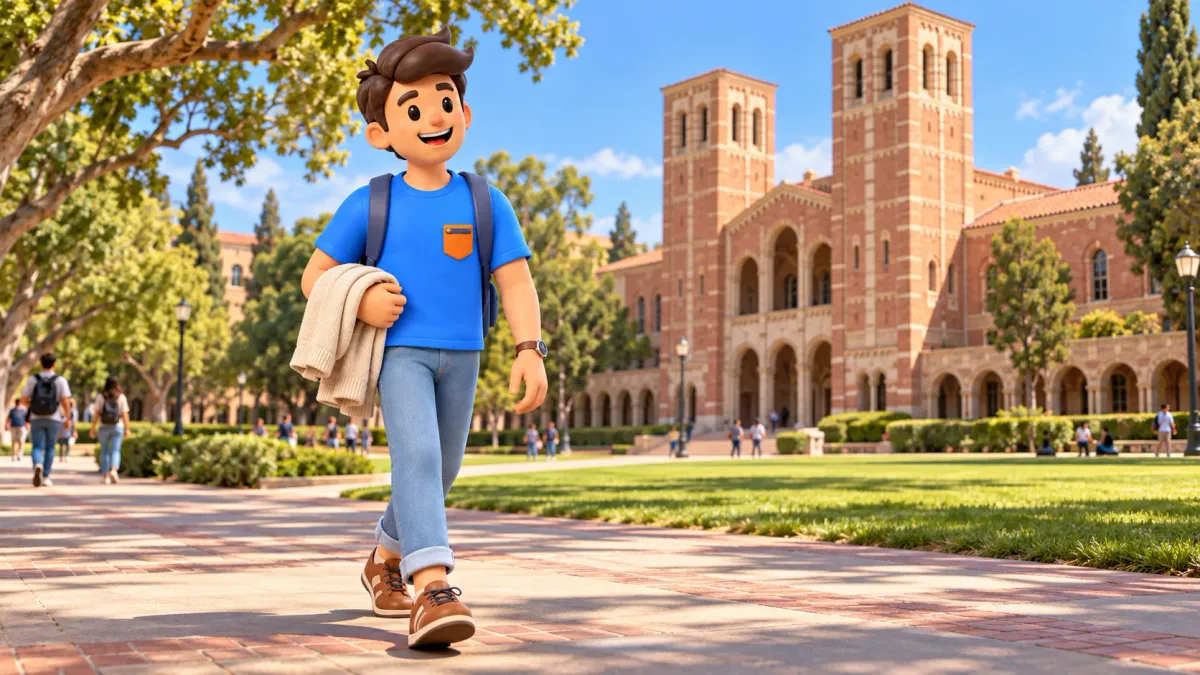
Westwood suits a cultural half-day built around one museum, time with a few artworks and a walk through selected accessible outdoor spaces at UCLA. The clearest starting point is Hammer Museum in Westwood Village followed by a campus introduction. If art and cultures from different parts of the world are your priority, choose the Fowler Museum on campus instead.
These are two versions of one half-day, not a requirement to visit both museums. The working window is about four hours within the district. Travel from your accommodation, onward connections and any return to a parked car need additional time. The aim is to connect a museum experience with the university setting while preserving room to look and think.
Choose one museum before shaping the rest
The Hammer is at 10899 Wilshire Boulevard in Westwood Village, near Wilshire and Westwood. The Fowler is at 308 Charles E Young Drive North on UCLA's northern campus. They share an arts environment but are not two adjacent entrances to one museum complex. Moving between the Village and the campus core deserves its own allowance.
Try RoadMe for a personal walking or trip plan shaped around your interests, dates, pace and budget. The app makes it much more convenient to choose a suitable balance of art, walking and rest rather than following somebody else's compulsory museum programme.
For four hours, allocate ninety minutes to the chosen museum, an hour to selected outdoor campus areas, forty-five minutes to connections, thirty to a pause and fifteen spare. This is an editorial framework, not a measured walk along particular pavements. If the exhibition holds your attention, shorten the campus section instead of speeding through every gallery.
Both museums offer free general admission according to their operators at the October 17, 2026 check. Parking, meals and the entire journey are not thereby free. Free entry is useful for a selective visit: you can concentrate on one exhibition without trying to cover everything in order to justify a ticket price.

The calendar comes before preference
The Hammer normally opens Tuesday through Sunday from 11 a.m. to 6 p.m. and closes on Mondays. Its schedule also lists July 4, Thanksgiving, Christmas and New Year's Day closures. Advance reservations are not necessary for individual general visits; groups of ten or more should register for a self-guided visit.
The Fowler closes on Mondays and Tuesdays. Wednesday hours are noon to 8 p.m., with Thursday through Sunday running noon to 5 p.m. The later Wednesday closing does not require delaying your outdoor campus walk until darkness. An ordinary daytime window after noon is enough for the proposed plan.
The Fowler's listed 2026 holiday closures include November 26 and December 24, 25 and 31. Recheck current museum announcements before travelling, since a special occasion can alter regular hours. Neither museum version works on Monday; Tuesday leaves the Hammer from these two choices. Do not transfer one institution's timetable to the other.
The Hammer option: exhibition first, campus afterwards
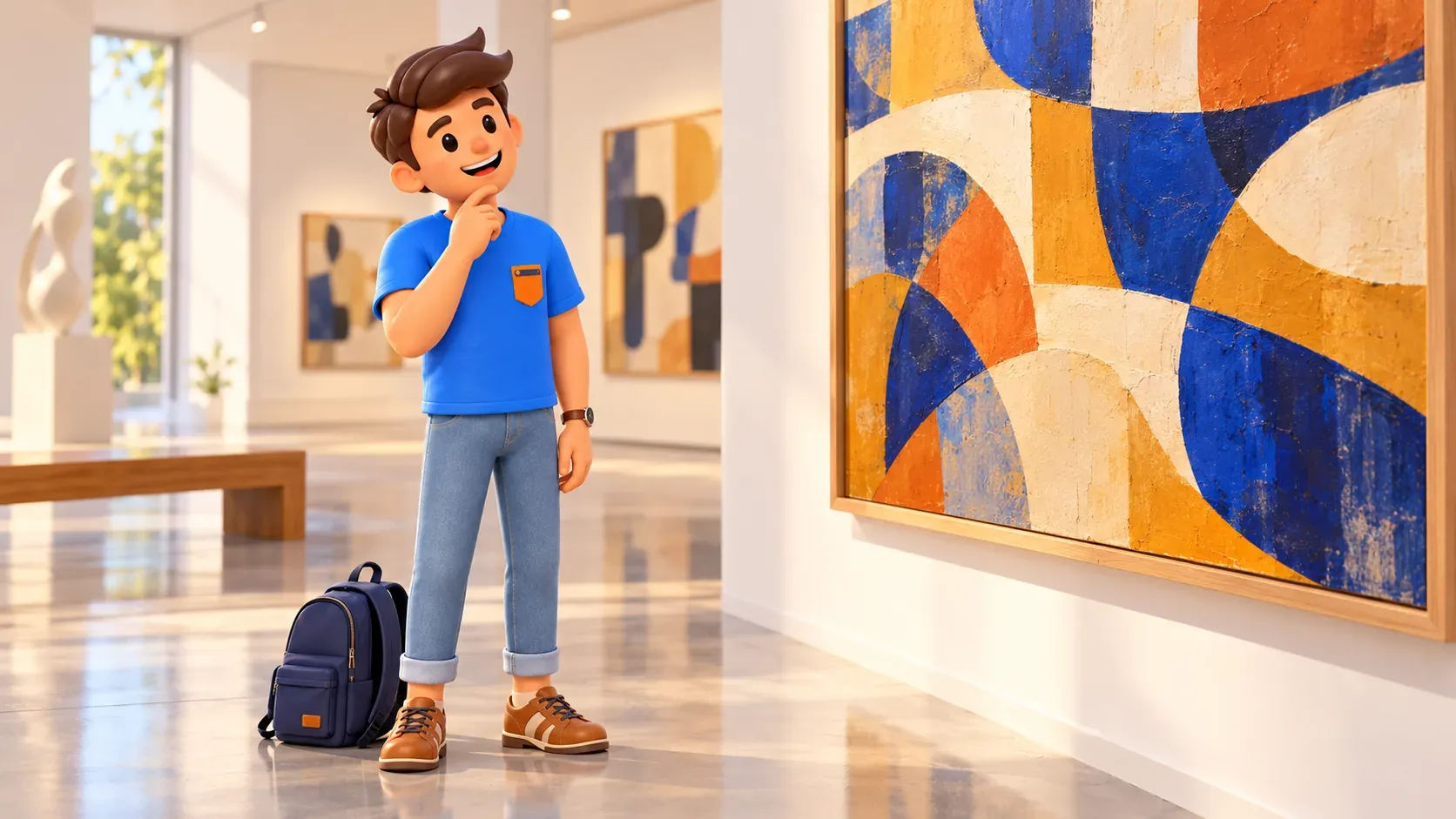
If contemporary artistic ideas and exhibitions interest you, begin at the Hammer around noon. Before entering, see which exhibitions are available and choose a main focus. Ninety minutes can provide a substantial introduction without promising complete coverage of the collections, every level and all parallel activities.
The museum opened in 1990, and its UCLA partnership was finalised in 1994. That small historical context explains its university connection despite its location in the Village rather than beside every academic building. Treat art here as a reason to ask questions and compare perspectives instead of collecting famous artists' names.
Select a few works that keep your attention. Look before reading a label, read the explanation and return to the image or object. What became clearer, and what remains unresolved? This approach needs no specialist preparation and helps avoid leaving with the feeling that you merely walked past everything.
After roughly ninety minutes, protect thirty for a pause. Then allow up to forty-five for moving and orienting yourself toward your selected central campus area. That is time protected in the plan, not a statement of exact door-to-door speed. If tired, choose a smaller outdoor section instead of a broad university circuit.
The Fowler option: begin inside the campus
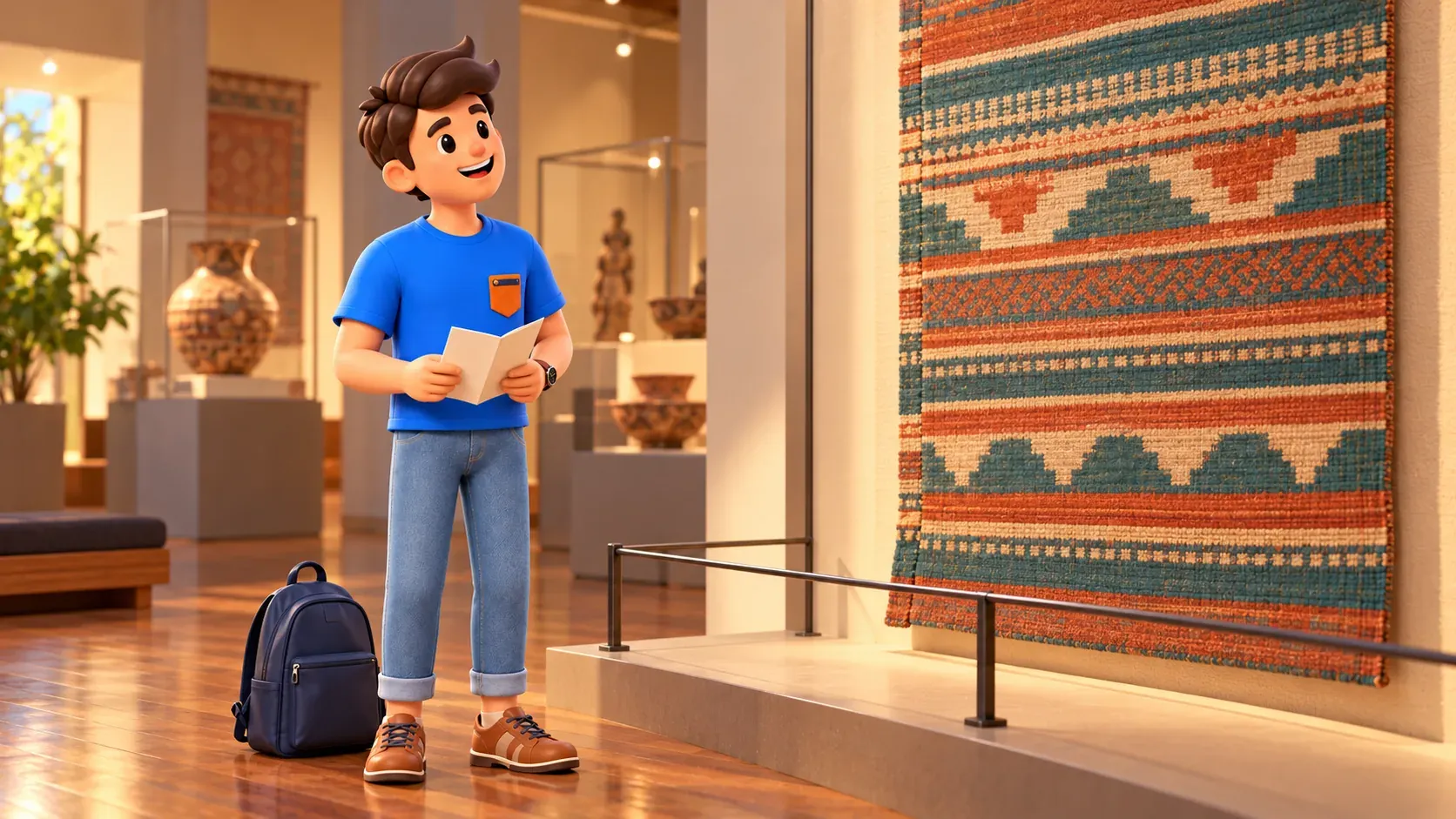
The Fowler suits an interest in the relationships between art, life, culture and time. The museum describes its field as global arts and cultures, emphasising Africa, Asia, the Pacific and the Indigenous Americas, past and present. Avoid imagining a collection of exotic curiosities: context matters as much as an object's appearance.
Start around noon on an opening day and give a chosen exhibition roughly ninety minutes. The questions can be straightforward: who created an object, how was it used, whose history is being told, and what explanation does the museum provide? This makes room for its own artistic value rather than a quick comparison with familiar European categories.
After the museum, allow an hour for an available central campus section, thirty minutes for a pause and up to forty-five for exiting and connecting with your next journey. Together with fifteen spare, that creates the same four-hour window. Rearrange the order for weather and pace while retaining the museum's admission hours as an anchor.
The Fowler permits personal photography unless otherwise indicated; video, tripods and flash are prohibited. Do not organise the visit around a compulsory picture of every object. Careful reading and a few minutes of attention can leave a clearer memory than a long sequence of photographs. An exhibition you do not reach can remain for another visit.
UCLA: choose outdoor spaces rather than every building
The university offers self-guided walks for visitors. For an introduction, choose central pedestrian spaces rather than all campus areas at once. The official central route includes Bruin Plaza, Bruin Walk and the exterior setting of Royce Hall. These provide campus context, not further compulsory museum visits.
At Royce Hall, notice the silhouette and its role within the campus core. UCLA identifies it as one of the campus's original buildings. Seeing the architecture from outside is enough without turning that into a promise of unrestricted auditorium access. Attending a performance requires its own confirmed arrangements.
Building access has separate conditions, and hours can vary, especially when classes are not in session. The official visitor document warns that Royce Hall Auditorium and Pauley Pavilion are typically reserved for ticketholders. This walk does not include classes, residence halls or following students into any library you happen to see.
The university setting is interesting without those entries: connections between buildings, open plazas and everyday movement. Follow current signs around temporary barriers and events. An older route diagram is not proof that every selected path is open today. When a section is unavailable, reduce the campus walk while preserving the museum half-day's purpose.
In RoadMe, it is more convenient to prepare a complete personal trip plan that connects a substantial museum visit with your interests in architecture, nature or the ocean. Try spreading experiences across your days so each place receives unhurried attention.
Allow for walking, steps and access needs
The words campus and pedestrian walk do not guarantee an absence of slopes or steps. Match the chosen path to your own requirements. Do not reproduce a staircase route from a travel description at all costs. If particular access conditions matter, check a suitable connection between the actual places before coming.
The Fowler confirms that its public galleries and toilets are accessible to visitors unable to use stairs and describes a ramp approach from Wilson Plaza. That is specific museum information, not certification of access throughout UCLA. The Hammer identifies an entrance ramp on Lindbrook Drive. Check arrival details separately for your chosen start.
Do not base the trip on an assumption that a new rail station is already operating at the desired door. This article promises neither a particular railway connection nor a travel time from every part of Los Angeles. For general organisation, see Los Angeles without a car, then verify the actual connection to your selected museum on the travel day.
Keep the pause inside the half-day
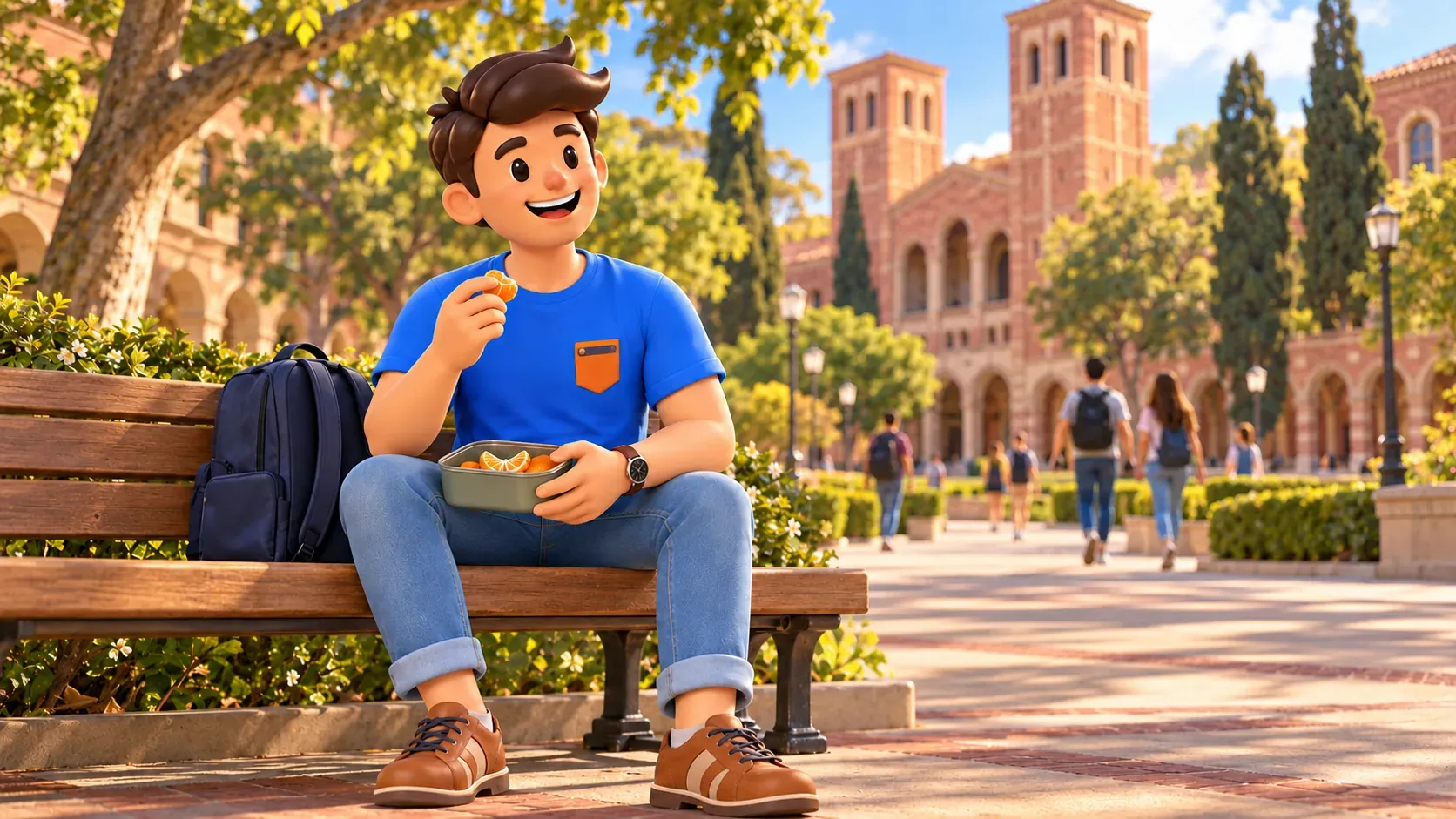
If you want a full lunch, allow more than a short rest. A queue, available seating and quick service are not guaranteed. Do not promise yourself a museum, the entire campus and a restaurant in four hours merely because the names all belong to Westwood. A brief pause now and an unhurried meal afterwards may work better.
Agree on the finish and onward transport with companions before starting. If the car remains at the Hammer, returning from northern campus requires a separate allowance. If beginning at the Fowler, its address does not mean every UCLA vehicle entrance. A clear meeting place prevents an unexpected final walk.
Bring water, comfortable shoes and sun protection without relying on continuous shade. In heat or when tired, you can lengthen the museum section and shorten the available outdoor walk. Do not postpone a pause until the very end if it is already needed. A half-day does not have to contain an identical number of stops for everyone.
Recognise a successful programme
A good result is a few works you have actually considered and a clear impression of the university setting. The Hammer offers one artistic perspective, the Fowler another; either can support a worthwhile visit. Free general entry does not turn the second museum into a compulsory spare target for the same day.
Protect the final fifteen minutes for orientation, a minor delay or a comfortable finish. An exhibition taking more time than expected is a normal outcome rather than a failed route. Westwood in a half-day is more memorable as a few connected impressions than a collection of doors you managed to hurry through.


