
Westminster in Two Hours: Big Ben to Horse Guards
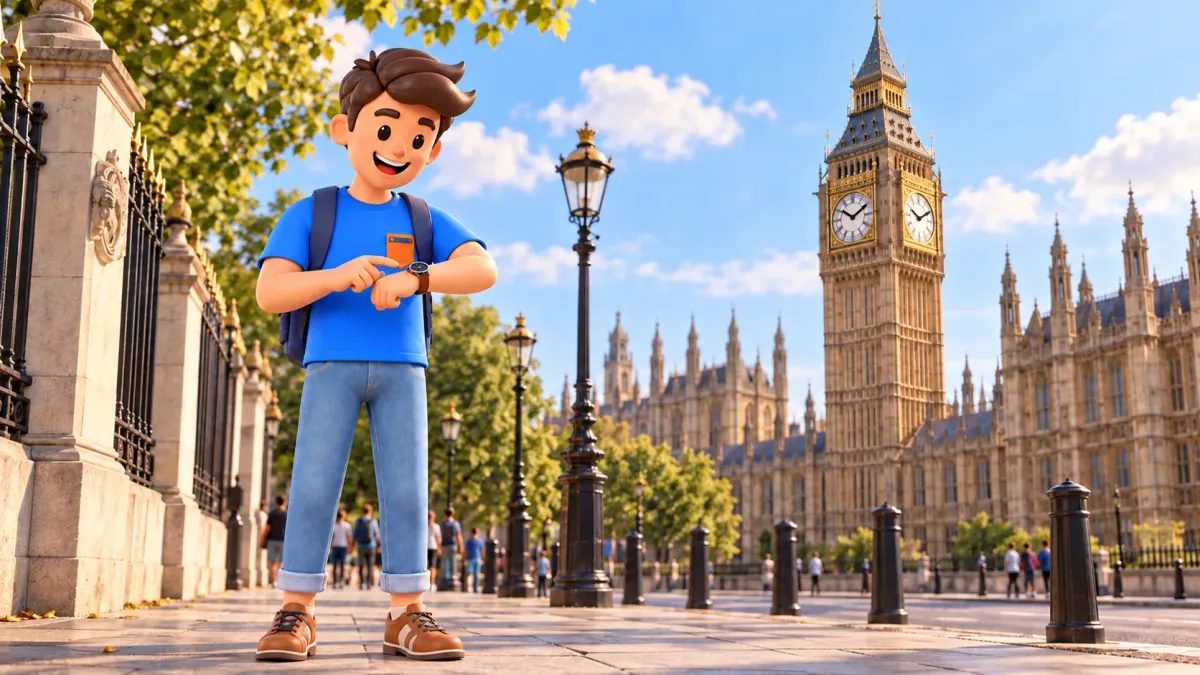
For a two-hour Westminster walk, start beside Big Ben, explore Parliament Square and the Abbey’s exterior, then follow Parliament Street and Whitehall to Horse Guards. The sequence brings together Gothic architecture, a national memorial, government buildings and royal ceremony within a compact part of London. Keep it an outdoor walk and let the short distance leave time to look.
This is a useful introduction when you have a free morning or a gap before another booking. It does not include an Abbey visit, a Parliament tour or waiting for the Changing of the Guard. Those are separate experiences with their own calendars. The walk remains worthwhile without entering a building or seeing a ceremony.
Set aside two hours for looking, not just walking
Begin around Westminster station and the western end of Westminster Bridge, staying on the north bank. Continue through the Parliament Square area to St Margaret’s and Westminster Abbey outside, then head north along Parliament Street and Whitehall. The Cenotaph, Downing Street gates and Banqueting House lead towards the Horse Guards frontage on Whitehall, where the main walk finishes.
Make this short walk part of a personal London day with RoadMe: the app helps develop a plan around your interests, available time, pace and budget. It is a more convenient way to connect a few Westminster ideas with the rest of your own trip.
Allow roughly one and a half to two kilometres outdoors, depending on which public approaches you use around the square and Abbey. This is an editorial estimate rather than a measured track. A practical time allowance is about forty-five minutes for the opening area, thirty along Whitehall and thirty around Banqueting House and Horse Guards, leaving fifteen for crossings and brief pauses.
Two hours are a guide, not a completion guarantee. Crowds, crossings, temporary barriers and how long you stop can change the pace. If a ceremony matters, plan around its verified arrangements and add time. If you need a proper meal, place it before or after the walk rather than quietly counting it inside the same allowance.
Start with the clock tower and its river setting
Find a public place to stand near the western end of Westminster Bridge, clear of moving pedestrians. You do not need to cross the whole bridge for this route. Look up at the tower, then along the Parliament building’s roofline. The familiar outline becomes more interesting when you notice the contrast between the large clock faces and the repeated smaller architectural details below.
Big Ben is the name of the Great Bell; the structure containing it is Elizabeth Tower. The Great Clock began running in May 1859 and the bell first sounded that July. The tower received its present name in 2012. These few distinctions are enough to separate the landmark’s sound, mechanism and architecture without turning the stop into a long technical lesson.
The Palace of Westminster’s Gothic Revival appearance also deserves a second look. Much of the old palace was destroyed by fire in 1834; Charles Barry and Augustus Pugin shaped the new architectural project. What looks broadly medieval from a distance includes a major nineteenth-century rebuilding. Do not assume that every old-looking element belongs to the same period.
Take your photograph, then move away from the busiest flow. A particular clock strike or empty foreground is not guaranteed. Waiting for either can consume a surprising part of a short visit. The point of beginning here is to understand the river-edge setting and recognise the building you will keep seeing across the city, not to reproduce a perfect image from a travel poster.
Read Parliament Square as one group of buildings
Use public crossings to reach the Parliament Square area. From here, the relationship between Parliament, St Margaret’s Church and the Abbey becomes easier to understand. Rather than photographing each as an isolated object, compare their scale and the spaces between them. The square is part of a working city, with traffic and people moving through it throughout the day.
St Margaret’s is a separate church beside Westminster Abbey, associated with the House of Commons. It is easy to overlook because of its much larger neighbour. Looking at it helps distinguish the buildings and avoids a common confusion: seeing a church next to the Abbey does not mean you are looking at an entrance to the Abbey itself.
Choose a public viewpoint that leaves the pavement usable for others. You do not need to inspect every statue or walk around every edge of the square. Pick one wider view and one detail that catches your attention. That small change of scale makes a short stop more rewarding than collecting several nearly identical pictures.
See the Abbey outside and keep the interior separate
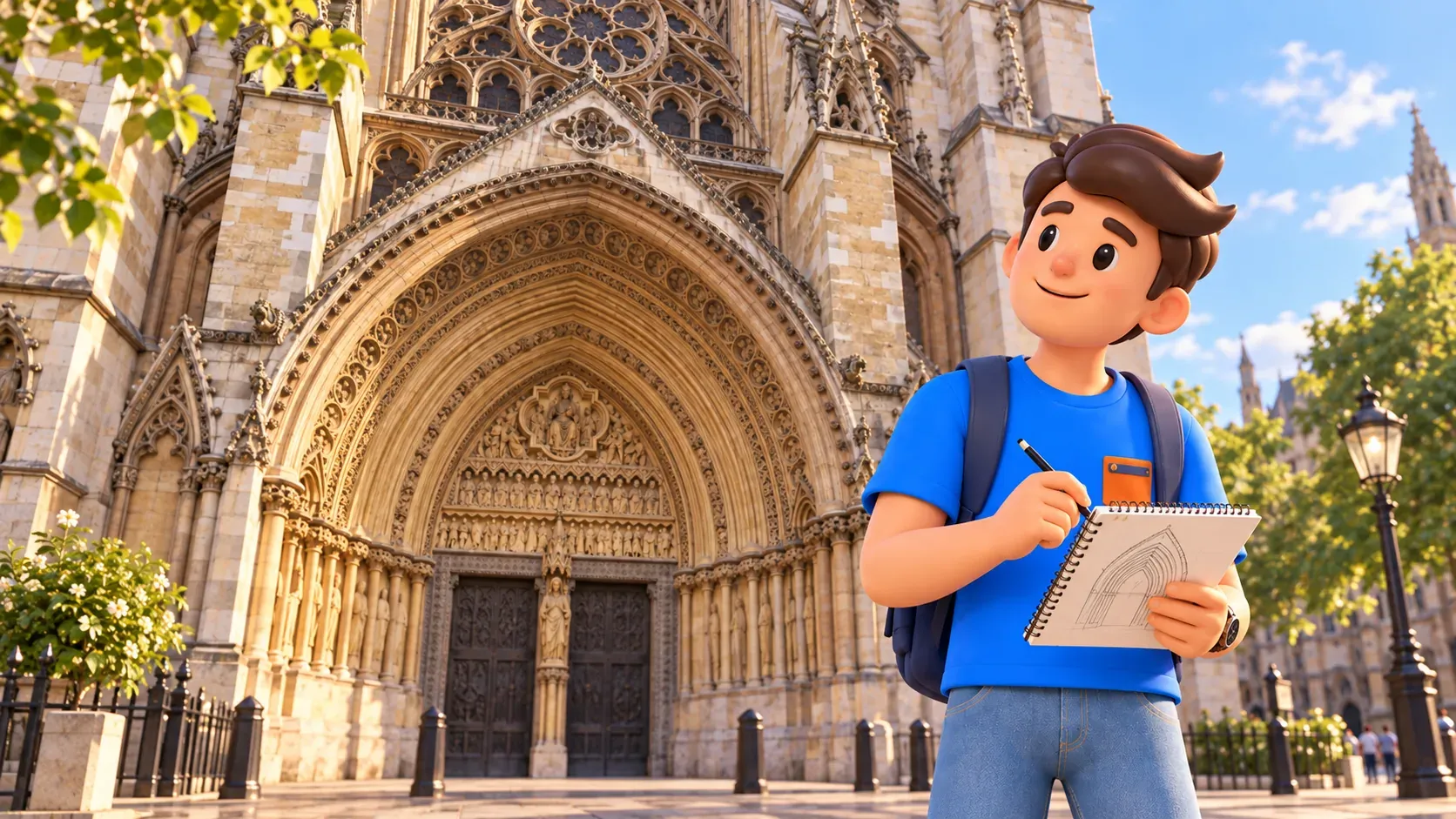
Continue to the Abbey’s exterior, using available public space around the north side and, if time allows, towards the western frontage. Notice pointed arches, carved stone and the changing silhouette as your angle shifts. The aim is an architectural introduction, not a promise to access every courtyard or approach. Follow current barriers and directions around the site.
The Abbey has been a coronation church since 1066. The present building dates principally from the thirteenth-century reign of Henry III. That history gives the exterior a different meaning from the nineteenth-century Gothic Revival across the square. Similar-looking forms can belong to different periods and serve different institutions within a very short walk.
A visit inside requires a separate plan, ticket arrangements and enough time for entry and the building itself. Sunday worship differs from ordinary tourist visiting. Do not use a service as a sightseeing shortcut or assume that a short queue makes the whole interior a quick addition. If the Abbey is your main interest, let it replace part of the outdoor programme and extend the overall visit.
Turn north towards Parliament Street when you are ready. Keep the next section simple: there is no need to add a distant park, palace or museum to make these two hours feel complete. A compact walk can have its own beginning, middle and finish, leaving the rest of London for another part of your trip.
Whitehall changes the mood
Follow the public pavement north along Parliament Street into Whitehall. The scene shifts from the Abbey and Parliament to a street of government buildings and memorials. Look at the changing balance between broad façades, gates and the roadway. The interest lies partly in how many different kinds of public space fit into a small district.
Pause to view the Cenotaph from the pavement. Edwin Lutyens’s temporary memorial of 1919 was followed by the permanent Portland stone monument unveiled on 11 November 1920. Its restrained form contrasts with the more decorative buildings nearby. It is a place of remembrance, so leave space for anyone paying respects and keep photographs unobtrusive.
Continue to the gates at the Whitehall end of Downing Street. The house and street are not open to the general public. This is an outside stop, not a chance to approach the door of Number 10. What is visible depends on barriers, your position and current arrangements; a detailed door photograph should not be a condition for enjoying the walk.
Notice Banqueting House’s different architectural language
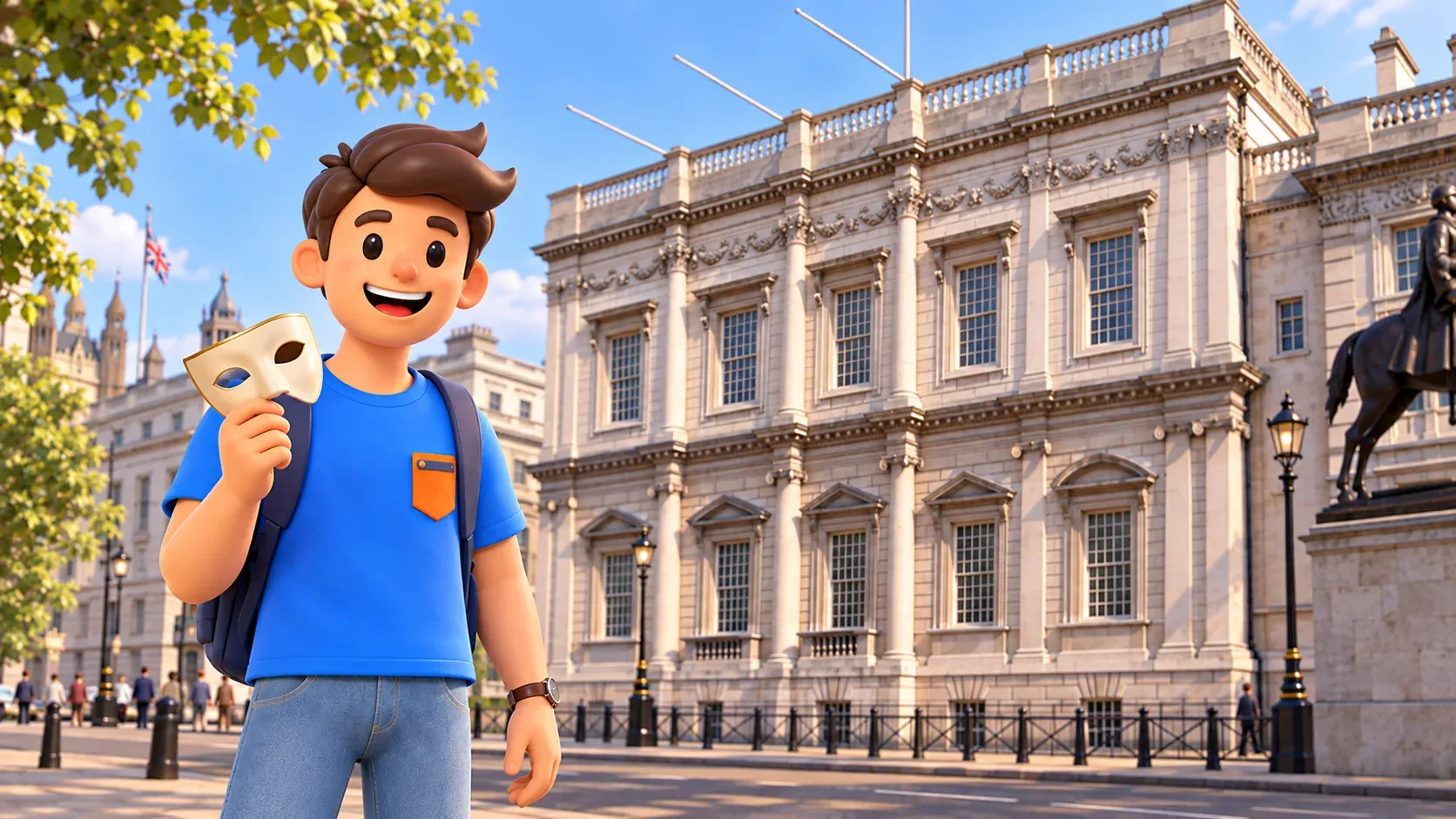
Further north, look at Banqueting House from an appropriate public pavement position, using a marked crossing if you change sides. Inigo Jones completed the building in 1622. Its classical proportions offer a useful contrast to the pointed Gothic forms around the starting area. Compare rows of windows and the ordered façade rather than expecting another tower or spire.
The building was created for court entertainment, including elaborate performances called masques. Its famous Rubens ceiling was installed in 1636, but that painting is inside. Looking at the façade does not include seeing the ceiling. This distinction matters when photographs of the interior make a brief street stop look like a much larger experience.
Public access is offered on selected open days rather than as a dependable daily addition. Check the operator’s actual calendar if you want to enter, then give that visit its own allowance. On this short route, the exterior already contributes a different period and style. You can appreciate the contrast without making an unplanned booking.
Use RoadMe to build a personal day around the kind of history or architecture that interests you most. Prepare that programme conveniently, then download London online before leaving so the maps and navigation are available offline while you explore.
Finish at Horse Guards without promising a parade
Reach the Horse Guards frontage on Whitehall. The building, the sentry area and Horse Guards Parade behind it are related spaces, but they are not interchangeable viewpoints. Observe from the permitted visitor area and follow instructions on the day. Do not assume that an archway or passage will be available simply because it appeared on an older walking map.
This remains a working ceremonial setting. Keep clear of soldiers and horses, avoid distracting them and follow signs and staff directions. A respectful view from a little farther away is enough. You do not need a close-up interaction for the final stop to feel different from the architecture and memorials earlier in the walk.
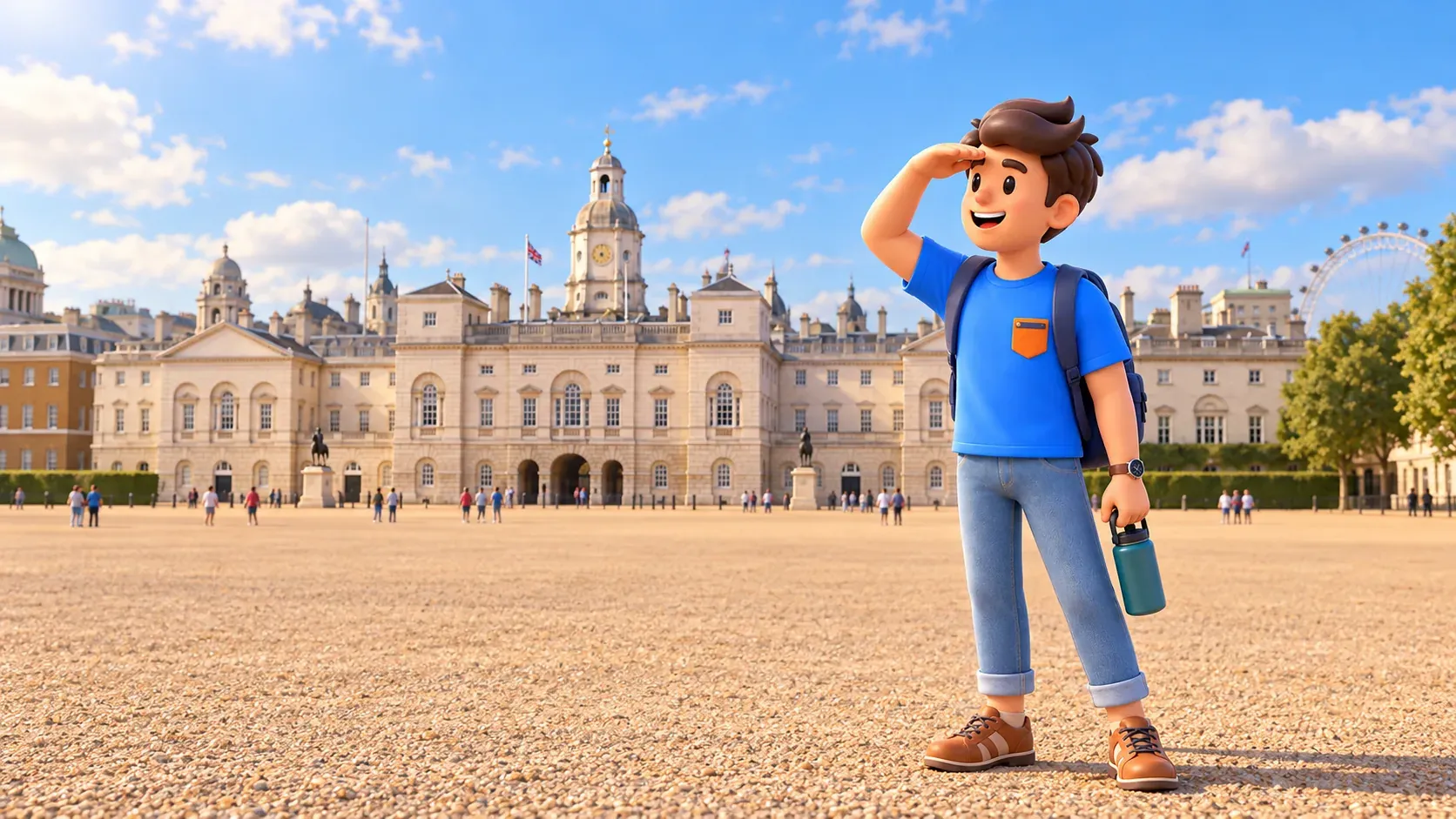
If public access to the parade ground is available, it can provide a broader view; otherwise finish on Whitehall. A guard change or inspection has its own date-specific arrangements and may change. Do not treat every morning as an identical full ceremony. The Household Cavalry Museum is also a separate ticketed visit, outside this two-hour outdoor outline.
Decide on your next connection after finishing. For a longer day, our one-day London itinerary offers a broader framework, but its other sections need additional time. If you have another booking, keep a buffer for the journey rather than attaching another district to the end automatically.
Before setting out, check the forecast, any important access needs and notices affecting the area. This outline does not certify a fully step-free route or working station lifts. Use the public crossings and current pedestrian directions. The reward is a clear introduction to Westminster: one small area, several distinct layers of history and enough time to notice how they fit together.


