
Three Days in Venice: The Centre, Art and Islands
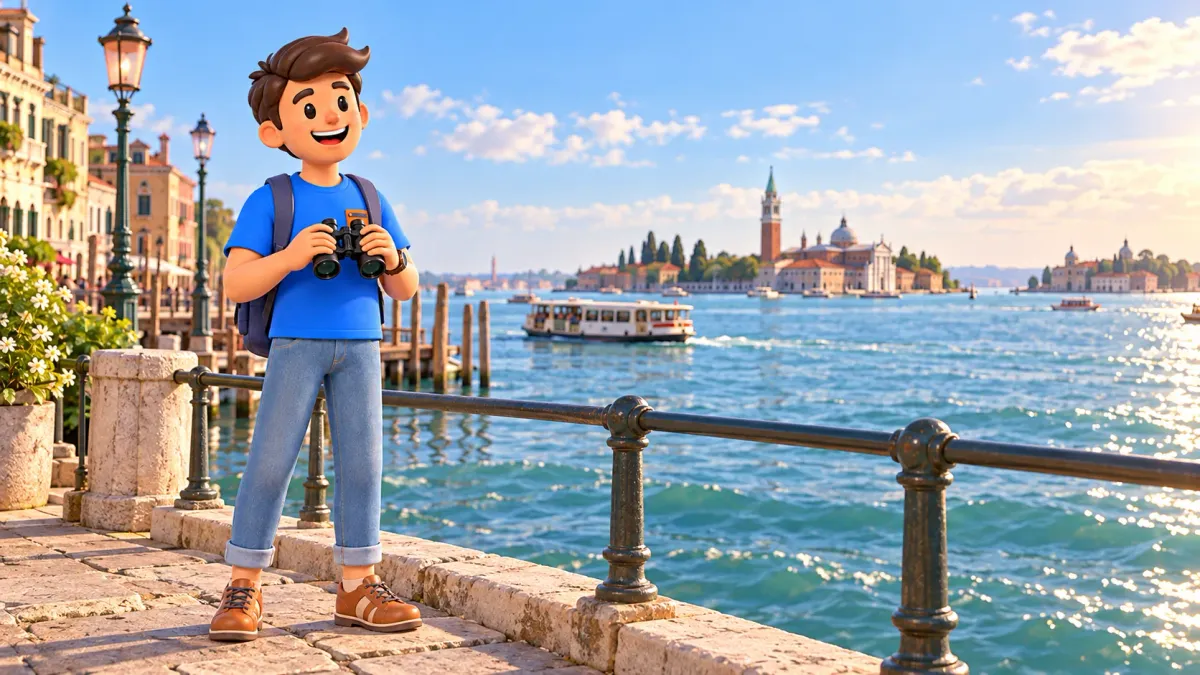
Three full days in Venice can combine the historic centre, art and the lagoon. Use the first for Rialto and San Marco, the second for a substantial art visit and Dorsoduro, and the third for Murano or Burano. With suitable transport arrangements, the two islands can share a dedicated day rather than being squeezed between city museums.
This itinerary helps you choose the substance of the trip, not the largest possible number of stops. Each day has a purpose and ways to shorten it. Durations are planning estimates, not measured journey times. Accommodation, available admissions and transport affect the real schedule, and the order can change to match museum calendars or weather.
Divide the trip between the city and the lagoon
The main advantage of three days is keeping an island outing separate from a major museum visit in the centre. Lagoon travel needs its own allowance. Avoid making the return dependent on reaching another attraction’s last admission. Decide what each day is for, fix the important visits, and only then add the smaller stops.
Choose the Doge’s Palace or St Mark’s Basilica as the main interior on day one. For day two, choose the Frari, San Rocco or one of Dorsoduro’s art collections. For the third, decide between exploring one island in more depth and experiencing two at a lighter pace. This choice determines much of the remaining plan.
To turn the three days into a personal trip plan, try RoadMe: the app develops a programme around your dates, interests and preferred pace. It is more convenient than arranging separate ideas manually and repeatedly working out how they fit into each day.
| Day | Main route | Choose beforehand |
|---|---|---|
| One | Rialto — San Marco — Piazzetta | One principal interior and its admission time |
| Two | San Polo — Dorsoduro — Accademia | One main art experience |
| Three | Murano, Burano or both | One island in depth or two more compact visits |
If day three is also departure day, check the margin before your train or airport transfer first. With an early departure, move the islands to the middle of the trip. A short final morning is easier to use in a familiar neighbourhood than on a distant excursion involving several boarding points.
Day one: Rialto and San Marco
Start at the part closest to your accommodation. Arriving at Santa Lucia, you can cross Ponte degli Scalzi and walk through Santa Croce towards Rialto. Allow approximately an hour to an hour and a half with initial stops. A central hotel does not require a return to the station; that is an arrival reference, not a compulsory first landmark.
At Rialto, look at the stone arch from the bank and from the bridge itself. Its present form belongs to the late-sixteenth-century rebuilding associated with Antonio da Ponte. Notice how boats, landing places and palace fronts work together along the Grand Canal. This is a useful introduction to the city’s organisation, beyond a photograph of the crossing.
The market on the San Polo side adds a commercial theme if you arrive on a trading day at a suitable time. Working stalls are not an everyday guarantee. If closed, keep the surrounding lanes and canal views as your stop. Then cross towards San Marco, leaving enough margin before your booked admission.
At St Mark’s Square, begin with the whole setting: basilica, campanile and Procuratie. A few marble and mosaic details give you a first connection with the church. The Doge’s Palace introduces Venice’s government as the former administrative centre of the Republic. That history gives the visit a purpose beyond appreciating a grand interior.
Allow roughly one and a half to two hours for your chosen visit, adjusted to the ticket and the sections you want to see. Visiting both palace and basilica needs real available admissions and a shorter evening. Decide in advance: an unexpected queue can reshape the day, and arriving late does not create a vacant entry slot.
Two conditions checked on 17 October 2026 matter. An untimed St Mark’s Square Museums ticket admits you to the palace from noon and does not include the basilica. Tourist access to the basilica normally starts at 14:00 on Sundays and religious holidays. The museum and loggia have separate arrangements, so their morning opening should not be confused with basilica access.
After the visit, give lunch and rest about an hour. Finish with the Piazzetta and a waterside walk towards San Zaccaria if you wish. Another tower or exhibition is optional. For a more detailed sequence of the city sections, use the two-day plan of sights and neighbourhood walks.

Day two: choose art and keep time for Dorsoduro
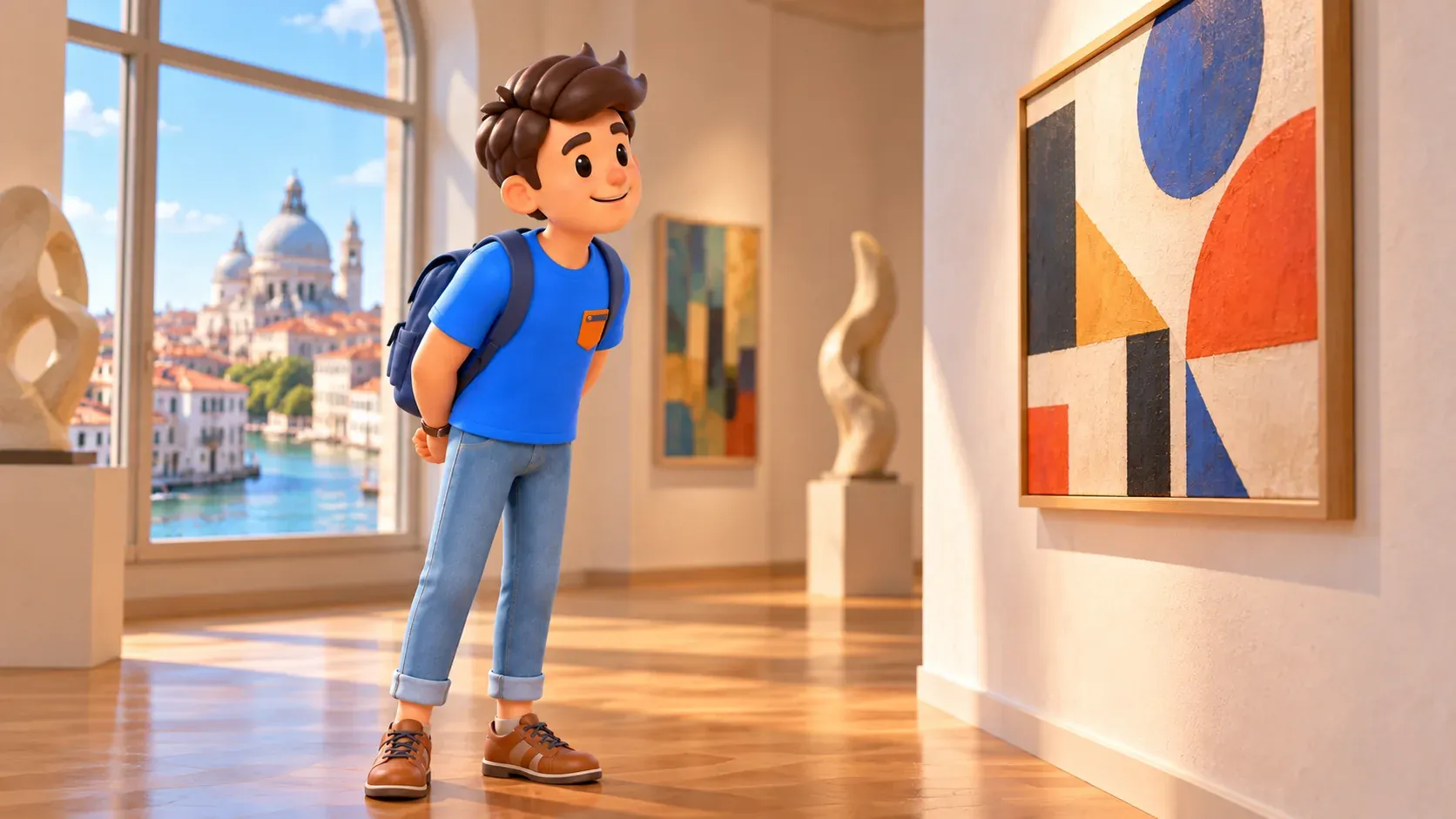
The second day can have different artistic centres. Choose the Frari for a large church interior, or San Rocco for Tintoretto and the relationship between paintings and rooms. The Gallerie dell’Accademia or Peggy Guggenheim Collection offer another version. Select one main interior rather than assembling all four names into compulsory admissions.
Starting at the Frari or San Rocco, continue towards Santa Margherita and San Barnaba, then San Trovaso. Keep time simply to walk between the squares. Small bridges and open spaces change the rhythm, so the route does not need a detailed account of every facade to be rewarding.
San Rocco belongs to Venice’s confraternity tradition of religious life and mutual assistance. Tintoretto matters here as the creator of a relationship between artworks and the building, not merely a few isolated canvases. Allow around an hour to an hour and a half for a principal visit. At the Frari, Sunday and holiday sightseeing starts at 13:00, making a morning visit unsuitable on those dates.
Pause opposite Squero di San Trovaso on the public bank to see the boatyard across the canal. This route does not promise free entry or a guaranteed demonstration. An arranged visit to the working space is a separate activity with conditions that need confirmation and their own allowance in the day.
After lunch, reach the Zattere and continue towards Punta della Dogana and Salute. Salute is a votive church associated with the seventeenth-century plague. That short historical connection helps explain the monumental building at the Grand Canal entrance. An exterior look is sufficient for this plan, without making the walk depend on getting inside.
Return through the neighbourhood towards Accademia. There is no continuous Grand Canal promenade linking every stop, so turns away from the water are normal. If your main visit is the Guggenheim or Accademia collection, begin directly in this part of Dorsoduro and reduce the morning loop through San Polo.
Day three: Murano, Burano or both islands
Choose Murano for glass, its history and a museum combined with island walking. Choose Burano for colourful houses, small canals and the lace tradition. One island means less attention to the clock. Two offer contrasting settings but need an early start and a clear decision about which interior visits actually matter.
Fondamente Nove is a useful departure hub for the northern islands. The operator’s current network includes line 12 on the Murano and Burano corridor, but check actual services and stops for your travel date. Do not carry forward a pier letter or minute-by-minute timetable from an old guide.
A combined day generally means Murano in the morning, then Burano and a return to Venice. If the Lace Museum is your priority, consider Burano first and adjust the order. Walking between landing places, waiting and boarding all require time. The boat’s running time alone is not the full transfer allowance.
Murano: the Glass Museum and an island walk
The Glass Museum can anchor your visit, with the basilica of Santi Maria e Donato nearby. Choose a few landmarks from the island’s inventory: the museum, Ponte Longo, San Pietro Martire or the lighthouse area, depending on your arrival and onward landing points. You do not need to cross the entire island just to tick off every object.
The museum introduces the history of Murano glass. It gives you context for looking at materials, forms and craftsmanship rather than only browsing shop windows. Buying a souvenir or watching a furnace demonstration is not automatically included in museum admission. Evaluate any separate commercial offer on its own stated conditions.
The official schedule checked on 17 October 2026 lists daily opening from 10:00 to 18:00 between April and October, last admission 17:00. From November to March it is 10:00–17:00, last admission 16:00. When combining islands, place museum time deliberately in the plan and keep room for lunch.
Burano: colour, canals and lace
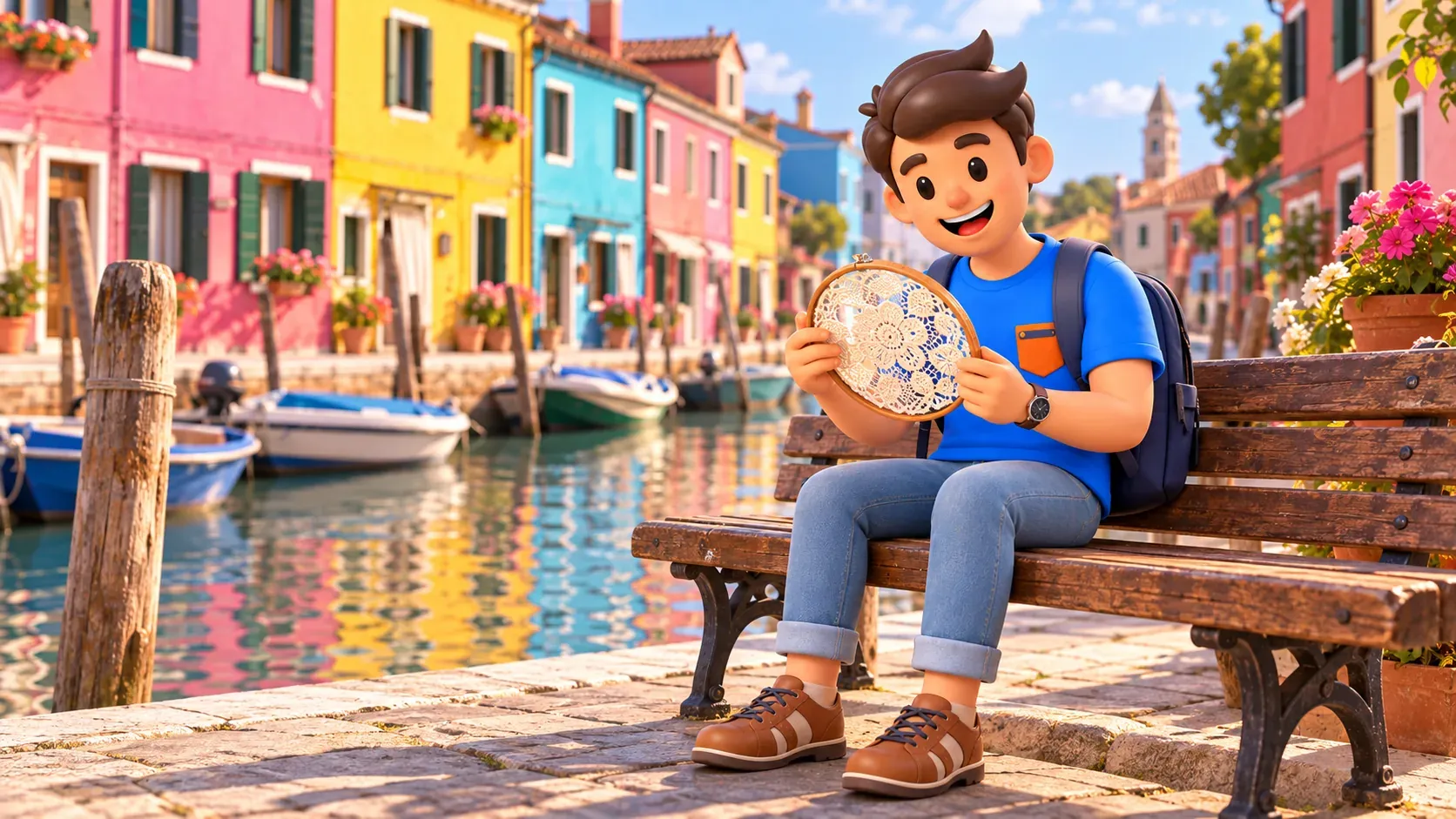
On Burano, link Tre Ponti, Piazza Galuppi and the San Martino area. Colourful facades create an expressive setting, but reflections, small crossings and the everyday arrangement of the island also reward attention. Leave space around residential doorways and on narrow bridges so that your pause does not become an obstacle.
The Lace Museum adds a craft story to the outdoor impressions. Its official hours at the time of checking are 10:00–16:00, with last admission 15:30 and Monday closure. If it matters to you, do not leave it to an undefined moment after the whole walk. The admission margin is shorter than for many central visits.
For an island day built around crafts, museums or unhurried walking, let RoadMe develop a personal trip programme. The app plans around your interests and pace; confirm boat services and the selected sites’ entry conditions with their operators before setting out.
Torcello is not included as a compulsory third island. If it is your priority, replace part of this programme instead of adding another journey at the end. The benefit of three days is being able to choose a meaningful version, not needing to give every traveller the same long list.
Keep a time buffer and a pace you enjoy
Leave most of a day for a combined Murano and Burano outing. A detailed museum visit and a long lunch fit more comfortably with one island. Check return options and current operator notices before the first departure: fog, high water and other conditions can alter navigation services.
For the budget, count admissions, food and water transport separately. A multi-day travel ticket is not automatically economical because the trip lasts three days. Compare the routes you will use, the validity period and the journeys you actually expect to make. Free outdoor walking is also different from paid museum admission or a separately organised excursion.
Check the Contributo di Accesso calendar for your actual dates. On 17 October 2026, the official portal reports the end of the 2026 experiment; later periods need separate confirmation. If weather is poor, swap the city and island days. Pushchairs or limited mobility require an individually checked route, since the general plan involves bridges, steps and boarding boats.


