
Two days in Madrid: the historic centre, one art museum and Retiro
Two days in Madrid are easier to enjoy when each has a clear area and character. Give the first to the old centre, the Royal Palace and the smaller squares of La Latina. Use the second for one art museum followed by Retiro Park. Each day then tells its own story, and the substantial indoor visits do not compete for the same afternoon.
This itinerary assumes two full days with you already in the city each morning. Add airport journeys, accommodation, luggage collection and departure connections separately. Every day contains one main visit, lunch and an optional extension. The times are editorial estimates for planning, not measured journeys. One important current condition: as checked on 15 October 2026, the Crystal Palace in Retiro is closed for works until 2027, so an interior visit is not included.
Book the two anchor visits before filling the gaps
The main version uses the Royal Palace on day one and the Prado on day two. Find suitable dates and entry arrangements before adding smaller stops. If the palace does not appeal, the first day can remain an outdoor walk. If twentieth-century art interests you more, consider Reina Sofía instead of the Prado. That changes the starting point of the second day, rather than simply replacing a museum name in the timetable.
For a more convenient way to work out the whole trip, try RoadMe: the app develops a personal day-by-day itinerary around your interests, dates, pace and budget. Start with your preferences so that the two days serve the experiences you want, rather than somebody else's checklist.
Do not automatically treat day one and day two as Saturday and Sunday. Even for a weekend break, actual dates matter more than the label: museums can have holiday hours and additional closures. Reina Sofía normally closes on Tuesdays. Check official-event notices separately for the palace. Swap the days when necessary while keeping the geographic sequence within each one intact.
The two-day plan at a glance
| Day | Main programme | Optional additions |
|---|---|---|
| One | Sol → Plaza Mayor → Plaza de la Villa → Almudena exterior → Royal Palace → Oriente → La Latina. | Views from Las Vistillas, a longer lunch or more time around small squares. |
| Two | One Paseo del Prado art museum → lunch → Retiro → Puerta de Alcalá. | Cibeles and a short evening extension if you still feel energetic. |
The optional column is a reserve of possibilities, not another set of required visits. It is easy to add more names to a two-day list, but that says little about how much you will actually experience. Two selected interiors and several contrasting urban spaces already make a substantial introduction. With just one full day, use our one-day Madrid itinerary instead of squeezing both routes into it.
Day one: city symbols and the royal quarter
Start around 9am at Puerta del Sol. A brief look at the former post office clock, the Kilometre Zero plaque and the Bear and Strawberry Tree gives you a few recognisable city references. Enjoy the setting without making an empty photograph your main objective, especially when an entry appointment is waiting later.
Follow Calle Mayor, Calle de Esparteros and Calle de Postas towards Plaza Mayor. Allow roughly forty minutes for Sol and this first connection. Then give the square around half an hour: walk beside the arcades, look at Casa de la Panadería and find the equestrian statue of Philip III. Notice how the enclosed composition differs from the open movement through Sol.
Plaza Mayor has changed repeatedly. Its buildings were brought towards greater uniformity in the seventeenth century, while Juan de Villanueva helped shape reconstruction after the fire of 1790. That short context is enough for a first stay: the regular façades do not mean you are looking at an untouched ensemble from one period.
Leave through Calle de Ciudad Rodrigo, rejoin Calle Mayor and continue to Plaza de la Villa. Here you can compare the House and Tower of the Lujanes, Casa de Cisneros and Casa de la Villa. They belong to different centuries. Rather than memorising every detail, put your screen away briefly and notice the scale, materials and treatment of their façades.
Continue towards Calle de Bailén and Almudena. The main programme views the cathedral from outside; its crypt, museum and other interior spaces require a separate decision. The current cathedral was consecrated in 1993, a useful reminder that neighbouring monuments can belong to very different eras even when they now form a convincing ensemble.
The palace and lunch: protect the middle of the day
As an example, choose a palace visit around 11:30am and allow the preceding half-hour for finding the entrance and completing admission procedures. This is a planning reference, not a claim about ticket availability. With another appointment, adjust the morning. If the palace is closed, retain the exterior views and extend the walk instead of relying on an unplanned opportunity to enter.
Allow around two hours for your selected palace visit. Give a few ceremonial spaces proper attention rather than trying to read every description in every room. The Royal Collections Gallery is a separate attraction and should not be added automatically within the same block. If its collections interest you more, make it the principal visit and check its arrangements independently.
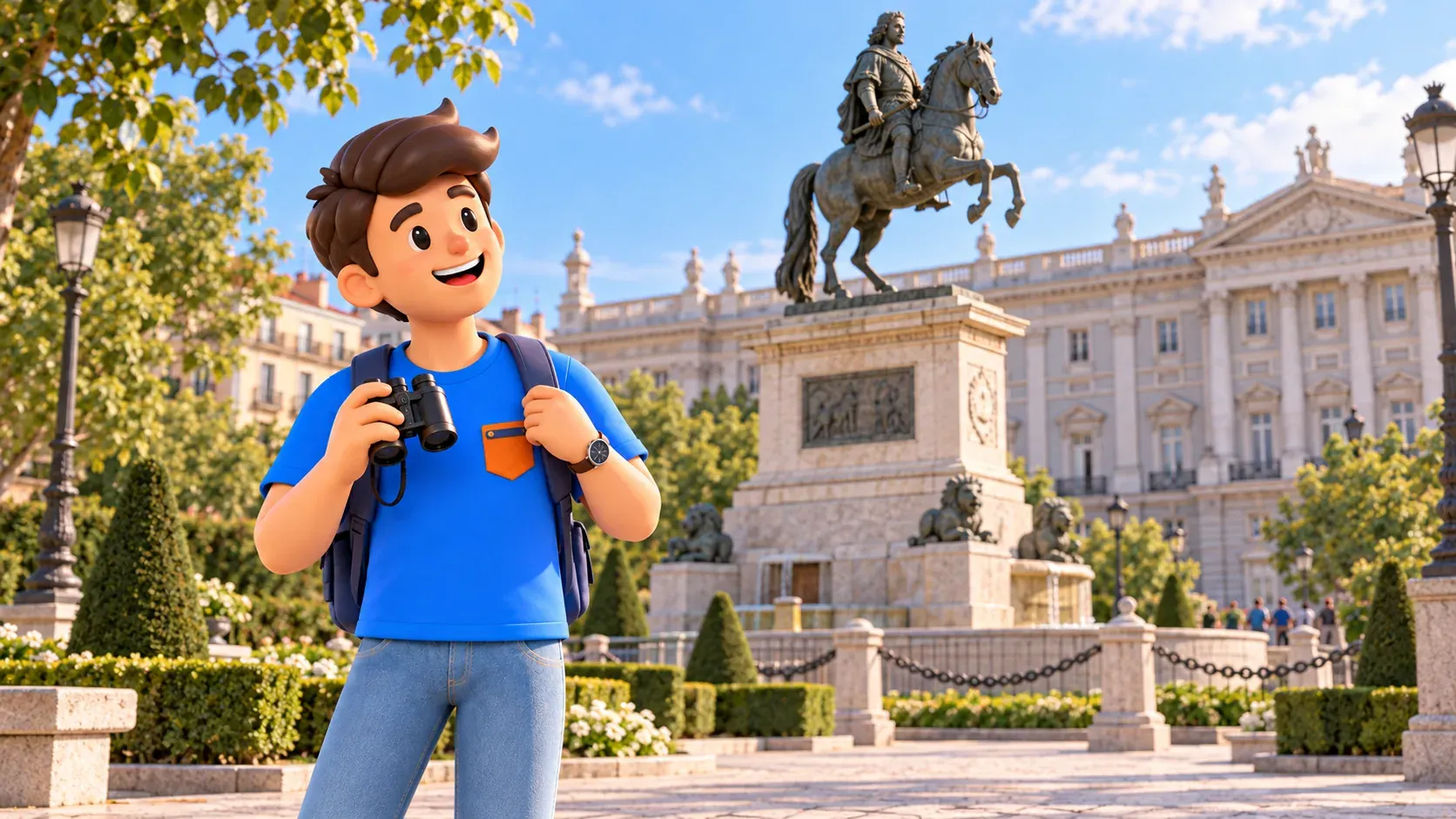
A brief historical reference explains the location: the former Alcázar burned down in 1734, and construction of the present palace began in 1738. Notice how the scale of the new residence contrasts with the tighter streets of the old centre. The detailed history of every collection can remain a subject for another visit.
Plan lunch approximately from 1:30 to 2:30pm. The hour includes waiting and paying; allow more for a leisurely restaurant meal. Plaza de Oriente works well for a short walk afterwards. Find Philip IV's statue and compare the palace side with the space in front of Teatro Real. A theatre tour would require its own time rather than becoming an unnoticed addition.
The first evening: smaller squares in La Latina
From the royal quarter, you can head towards Las Vistillas and the surroundings of San Francisco el Grande, then continue to Plaza de la Paja. Follow public streets and appropriate crossings. This section changes the atmosphere rather than adding another substantial indoor tour. The slopes and changes of level become more noticeable on foot than on a simple list of places.
Give the afternoon walk roughly two to three hours including pauses. Around Plaza de la Paja and the neighbouring streets, decide whether you want dinner, another short stroll or a return to your accommodation. The Prince of Anglona Gardens can be a brief addition when accessible, but the day still works if the gate is closed.
If a sunset view matters, compare sunset for your date with the likely end of your walk. Midsummer and winter make different evenings. There is no need to wait for hours simply because a plan uses the word sunset; the same outlook can be enjoyable in daylight. Keep a relaxed finish rather than inventing another compulsory appointment.
Day two: choose one art museum
For the main version, plan the Prado roughly from 10am to 12:30pm and arrive early enough to locate your entrance. Its regular opening begins at 10am, but check holiday exceptions and the arrangements on your ticket. Two and a half hours is an allowance for part of the collection, not a complete museum experience.
The Prado suits visitors interested in European painting and especially Spanish artists such as Velázquez and Goya. Thyssen-Bornemisza provides a different overview of painting, while Reina Sofía focuses on later art and includes Picasso's Guernica. Choose according to the work you want to see rather than a desire to collect all three museum names.
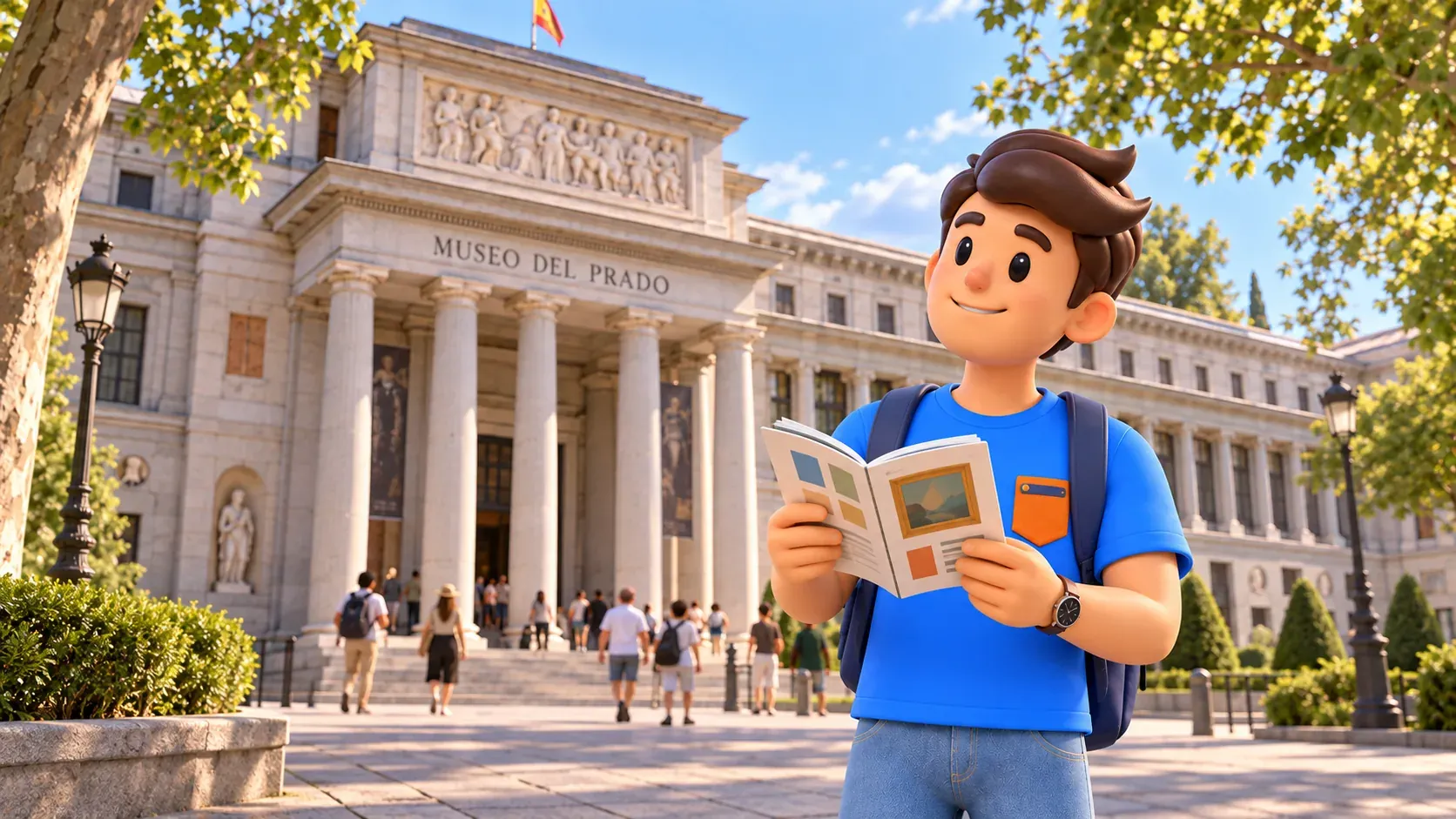
Leave lunch approximately from 12:30 to 1:30pm after the chosen museum. If you stay longer in the galleries, move the meal and shorten the park. Switching to Thyssen broadly preserves the eastern-day concept. Choosing Reina Sofía starts you closer to Atocha, so add a separate allowance for reaching Retiro rather than borrowing the Prado's connection time.
To connect those choices into a comfortable trip, let RoadMe work out a personal plan based on your interests and preferred pace. The app helps organise your days more efficiently and gives the experiences that matter to you a clearer place in the itinerary.
Retiro after the museum: water, avenues and a clear exit
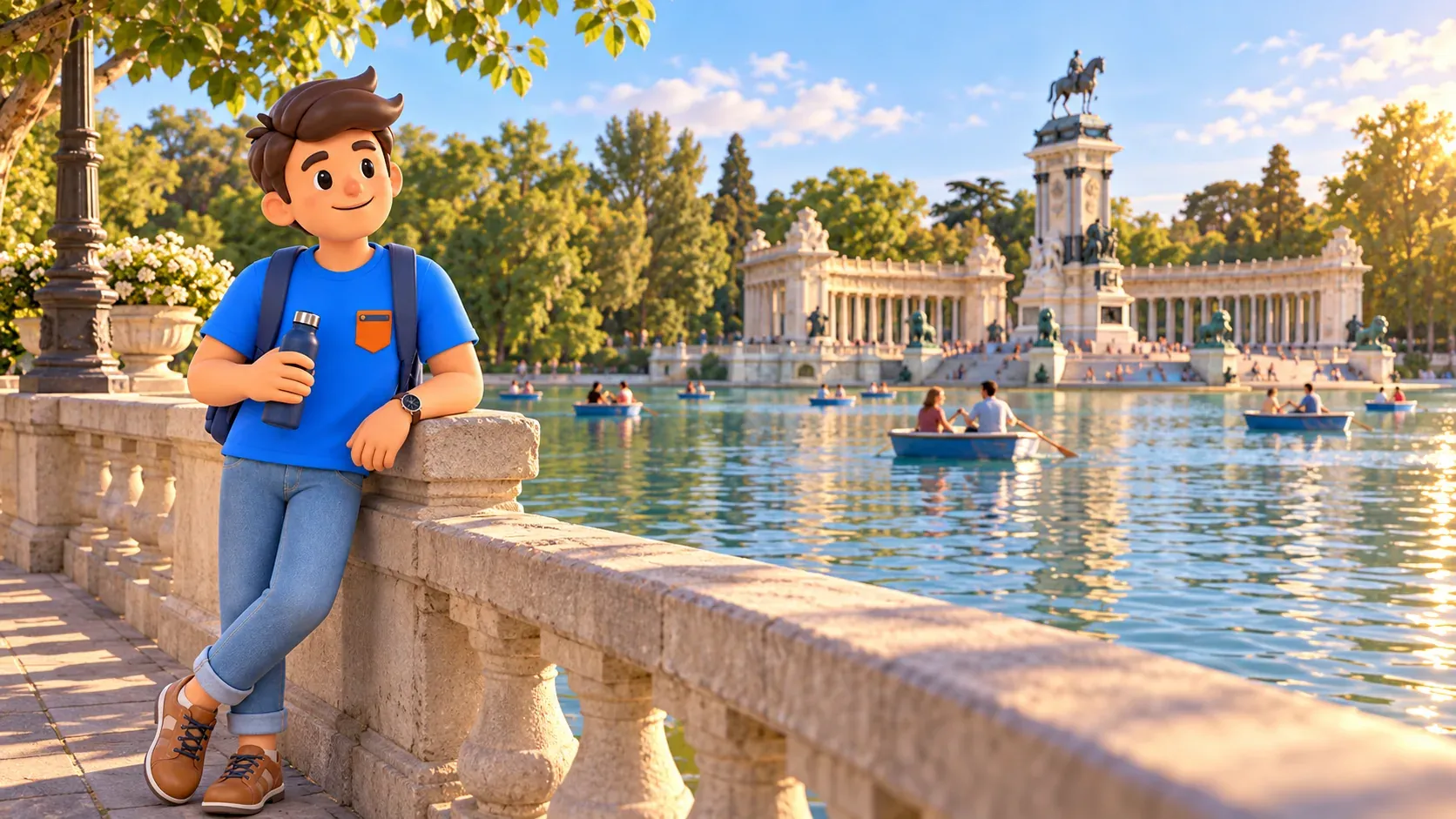
From the Prado area, approach the park's western side using Calle de Felipe IV and the Felipe IV entrance as your reference. Keep a separate twenty to thirty minutes after lunch for walking and finding the gate. Choose one part of Retiro rather than the entire park: for example, continue towards the Great Pond, the Alfonso XII monument and an exit towards Puerta de Alcalá.
The pond and monument provide a different rhythm after museum rooms, with open space, water and longer views. One stretch of the shore and a few pauses are enough. A rowing boat, a viewpoint ascent or an exhibition would be another activity with its own conditions, not an invisible extra tucked into the walk.
Do not plan the Crystal Palace as an open interior. Information checked on 15 October 2026 states that it is closed for works until 2027. You need not detour towards it solely for a familiar photograph if that makes your chosen park section too long. Weather restrictions can also close parts or all of Retiro; keep the museum and move your rest to a city café in that case.
Towards the evening, leave in the direction of Puerta de Alcalá. If you have energy, continue west along Calle de Alcalá to Cibeles. Otherwise finish here and allow for getting back to your accommodation. This ending keeps the eastern-day geography coherent without requiring a return to the royal quarter.
What to change for a shorter stay or poor weather
When day two ends with an early train, keep the museum, lunch and a short park section, removing the extra evening first. In rain, a longer selected museum visit followed by a nearby rest can replace extensive walking in Retiro. A second major ticket is not automatically needed to fill the newly available hours.
Talk with your companions before setting off: who wants more time with paintings, who prefers walking and where does everyone need a pause? The sequence helps you move through Madrid, but it does not require equal interest in every stop. Two days become more memorable when each person has time to notice a favourite experience, rather than merely reaching the next place.


