
Tower Bridge from Both Banks: a Short London Riverside Walk
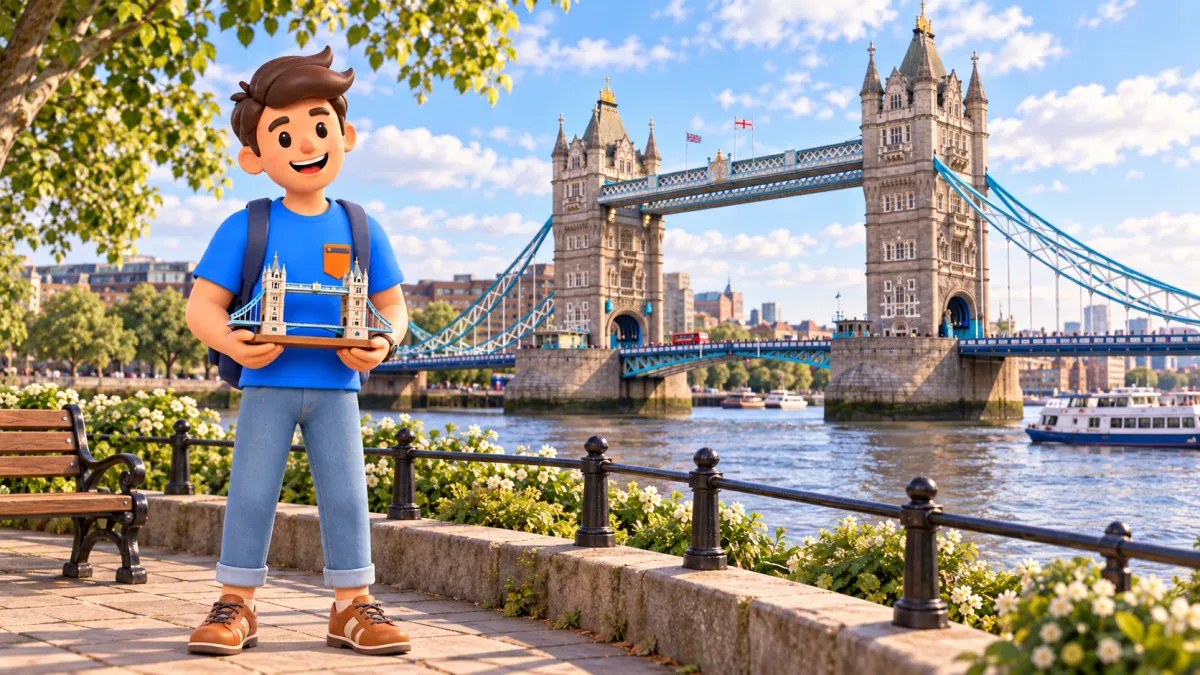
You can enjoy Tower Bridge from both banks of the Thames without building a whole day around it. Begin on the public riverside outside the Tower of London, cross the bridge on its lower western pavement and finish beside the water at Potters Fields Park. The pleasure is in the changing view: first the bridge, then the river beneath it, then the bridge again from a different bank.
Allow around ninety minutes to two hours for an unhurried outdoor outing with photographs and a short rest. The actual walking takes much less time. Neither the Tower of London’s interior nor Tower Bridge’s high-level walkways are included in that allowance. Those are separate visits, worth choosing deliberately rather than squeezing between viewpoints.
Two banks, one crossing and enough room to pause
Start at Tower Wharf, the public riverside outside the fortress on the northern bank. Look towards Tower Bridge, then follow the available public approach to its northwestern side. Cross southwards using the lower pavement on the western side, beside the road. Once across, make your way to the riverside and Potters Fields Park, west of the bridge. You do not need to cross the Thames again to complete the walk.
With RoadMe, it is much easier to turn this short outing into a personal London day or trip shaped around your interests, dates, pace and budget. The app develops the wider itinerary, helping you give river views, history and longer visits the balance that suits you.
Budget roughly one to one and a half kilometres, including movement around the viewpoints. This is an editorial estimate, not a measured track. A workable division is twenty to thirty minutes outside the Tower, a similar allowance for the approach and crossing, and another half hour around the southern riverside, with room for a brief rest. Travel to the start and onward transport need their own time.
The outing works particularly well if you want a recognisable London landmark without another long indoor visit. It can also follow a morning elsewhere, provided you still have energy for being outside. Keep the finish flexible: a riverside pause is enough. A market meal, a museum or a second bridge would make a different programme, even when the next attraction looks close on a map.
Begin beside the Tower, rather than in its entrance queue
At Tower Wharf, give the fortress a little attention before the bridge takes over. From the public riverside, notice the defensive outline, the stone walls and the contrast with the working river. You are seeing the outside of a complex built and altered over many periods. The paid visitor route through its buildings is a separate experience; the public walk does not offer the same access.
The White Tower has its origins in William the Conqueror’s building programme in the late eleventh century. The wider Tower of London has served as a fortress, royal residence and prison, among other roles. That background helps explain why its appearance feels different from a decorative palace frontage. Avoid imagining every wall in front of you as part of one original Norman construction.
One small observation is enough here: choose a tower, an opening or a change in the wall line and look at it properly. You do not need a complete sequence of royal stories before moving on. Save an interior visit for a day with several additional hours available, especially if the Crown Jewels or the White Tower are important to you. Those experiences cannot be counted as a brief outdoor stop.
Then turn your attention towards Tower Bridge. From this northern riverside position, the approach creates a more gradual introduction than arriving directly at a ticket office. Find a place where you can look without blocking people walking through. If the immediate area is crowded, move along the available public space rather than treating one exact photograph position as essential.
See Victorian engineering behind the castle-like outline
Tower Bridge opened in 1894. Its design is associated with architect Horace Jones and engineer John Wolfe Barry, and its historic appearance can make it seem much older. The stone exterior covers a steel structure. Think of it as a Victorian answer to a busy city’s needs, rather than a medieval bridge that has simply survived into the age of motor traffic.
The middle sections of the lower crossing can rise to let vessels pass. That moving structure is part of the bridge’s purpose: people needed a river crossing while shipping still needed room. Looking at the span with that problem in mind makes the towers and the river feel connected. The building’s familiar silhouette is also a piece of infrastructure doing a job.
Notice the difference between the high walkways linking the towers and the lower route beside the road. Your walk uses the latter. There is no admission charge for crossing on the public pavement, subject to current closures and operating arrangements. The high-level visitor walkways, their glass floors and the Engine Rooms belong to the separately ticketed interior visit.

This distinction is useful before you arrive. A search for a bridge visit can lead to tickets, but a ticket is not required simply to walk from one bank to the other. Conversely, a free crossing does not include access to the exhibition. Decide whether you want the changing outdoor views or the interior engineering experience; they can complement one another, but they use different amounts of time.
Cross on the western pavement and watch the river change
Follow the available public approach to the northwestern end and stay on the western pavement for the southbound crossing. Use current pedestrian signs and crossings wherever the approach meets traffic. The bridge carries road vehicles as well as people on foot, so it does not have the atmosphere of a pedestrian-only bridge. Looking around is easiest when you give the ordinary crossing enough attention first.
From this side, you look upriver towards central London. The Tower belongs to the northern bank behind and beside you, while the southern riverside becomes your destination. Choose a short pause where there is space, then continue across. The useful change is in the angle and distance, not the number of pictures you manage to take between the towers.
For a group, agree on the southern bank as the next meeting point before spreading out for photographs. Keep passage clear and do not step into the road to improve a composition. With children, the rising central spans can become an interesting idea to discuss, even if no opening happens during your visit. The structure still has a story when the road remains level.
Check the actual approach and station connections if avoiding steps is important. This outline is not a certification of a fully step-free journey, and the most obvious shortcut may not suit everyone. Temporary works can also change the convenient route. A little room in the schedule makes it easier to follow the connection that works for your group.
Let Potters Fields give the bridge some space
After the crossing, turn towards the public riverside west of the bridge and Potters Fields Park. From this southern bank, you can look back across the water and see the bridge as part of a broader setting. Move a little farther from the approach before choosing where to pause. The towers, the river and the space between them become easier to appreciate together.
The park combines lawns, paths and planted areas beside the Thames. It offers a welcome change after the traffic and movement on the bridge, though it is also used for events. Do not depend on an empty lawn, a particular seat or complete quiet. Choose from the space that is available that day, and let the rest of the group decide whether sitting or a gentle wander feels better.

Try comparing this view with the one from Tower Wharf. Which parts of the bridge seem larger now? What has happened to the gap between the towers? A simple question can make the second bank feel like a new encounter rather than a repeat stop. It also gives companions with different interests something to share without requiring a history lecture or a special camera.
A short drink or snack can fit into the pause if you bring it with you or find somewhere suitable. A full café stop or meal needs additional time, including ordering and finding a seat. There is no need to make a purchase for the walk to feel finished. Watching the river for a few minutes can be the main reason you chose this route.
Choose an interior visit or a bridge opening deliberately
If you want to go inside Tower Bridge, plan it as an addition. The ticketed experience includes the high walkways, glass floors and Engine Rooms; its entrance is at the northwestern side of the North Tower. That is near the beginning of this crossing, so decide before walking south. Check your date’s admission arrangements and allow for queuing, including when you have booked ahead.
Use RoadMe to build a more useful personal trip plan around the experiences you care about, whether that means engineering, royal history or relaxed walks. Organising the full programme in the app makes it easier to give a substantial visit its own place in the day instead of overloading a short route.
Seeing the bridge lift is another possible addition, not a guaranteed daily performance. The official lift calendar relates to vessels and can change. Check it for your actual date if an opening matters to you, and leave room for waiting. An opening also interrupts the lower crossing: being on the wrong bank for a tightly timed booking can matter more than getting a dramatic photograph.
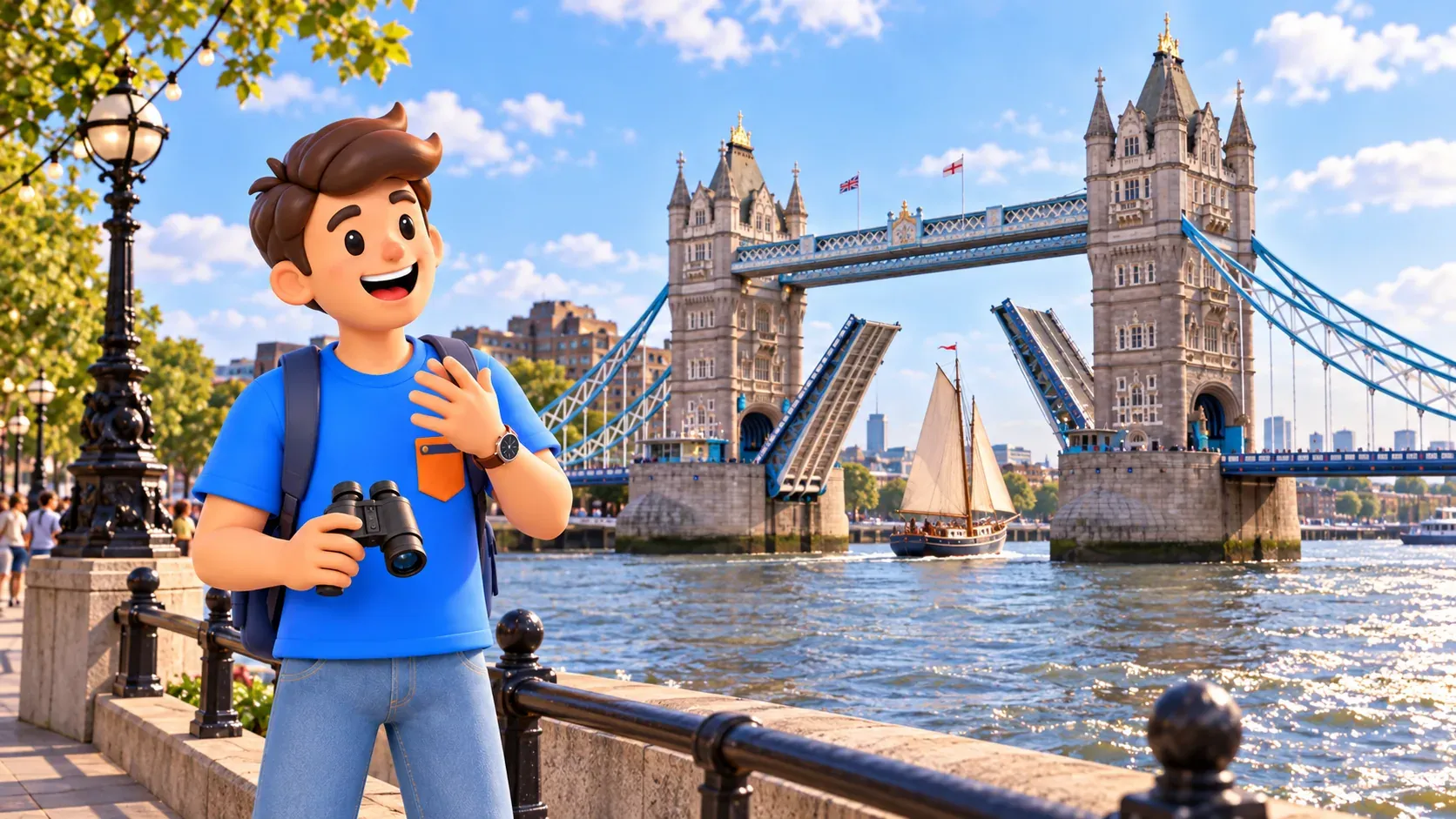
For the basic walk, daylight makes it easier to compare the architecture and follow the approaches. Dress for the forecast, since short distances do not remove exposure to wind and rain. Check current maintenance notices as well as any lift times. If you want another short river crossing on a different day, our St Paul’s to Tate Modern walk offers a different architectural story. Here, finish at Potters Fields with time left to enjoy the view you came for.


