
Two Days in Tokyo: the Eastern Neighborhoods and the Modern West

For two full days in Tokyo, group the eastern and western parts of the city separately. Spend the first day around Asakusa and Ueno, then use the second for Meiji Jingu, a shorter Yoyogi Park walk and Shibuya. This gives the trip a clear contrast while keeping most of each day within a reasonably connected area.
The plan is for a first visit with two nights or another arrangement that leaves two substantial sightseeing days. It does not count arrival from an airport as a free morning. A museum is optional, and an observation deck is a separate choice. The core is a sequence of neighborhoods, with room for meals and pauses rather than a race between ticketed attractions.
Two days, each with its own purpose
The first day introduces temple surroundings, river-side city views and Ueno's park setting. The second changes the scale: a wooded shrine approach, open park space and the streets around Shibuya Crossing. You can understand the difference without visiting every major landmark in either half of Tokyo.
It is much more convenient to shape a short trip around your own interests in RoadMe, which develops a personal day-by-day plan using your dates and preferred pace. Prepare the trip in the app so cultural visits, outdoor time and the experiences you care about form a coherent itinerary.
| Day | Main sequence | Main choice |
|---|---|---|
| Day 1: east | Asakusa → lunch → Ueno | Park-focused afternoon or one museum with a shorter walk |
| Day 2: west | Meiji Jingu → a little Yoyogi Park → Shibuya | Free neighborhood evening or a deliberately planned viewpoint |
Treat this division as the organizing idea, not a rule about which side of Tokyo is exclusively old or new. Both areas contain different periods and everyday uses. The advantage is practical: you spend less attention deciding where to go next and more time noticing the places already around you.
Before assigning calendar dates, decide whether the museum matters. If it does, its opening calendar can determine which day becomes the eastern day. You can reverse the order of the two days while preserving the internal sequence. That is a better adjustment than discovering a closed museum and trying to replace it with an unrelated journey across town.
Day 1 morning: Asakusa and the Sensoji approach
Begin at Kaminarimon and let the approach to Sensoji provide the morning's main focus. Look at the gate, continue toward the temple and allow a little browsing along the way. You do not need a detailed stop at every feature. The progression from busy street to religious precinct already gives the visit a readable shape.
Sensoji belongs to the Buddhist tradition and remains a place of worship. The commercial surroundings and the religious spaces coexist, so move attentively between them. Keep circulation routes clear, observe photography restrictions and leave worshippers room. A short, respectful visit can be more meaningful than trying to photograph each building from the same position.
As a first allowance, set aside roughly two hours for this area, including pauses. That is an editorial estimate rather than a measured duration. If you want much more shopping or a deeper look at the temple complex, reduce the afternoon instead of pretending the extra time will have no effect.
A short view of the Sumida is a possible continuation if the morning is moving comfortably. Keep it brief enough to preserve lunch and the afternoon plan. Seeing the wider skyline is sufficient here; a separate visit to Tokyo Skytree would change the day and should be chosen as a real alternative.
Day 1 midday: move to Ueno and decide the afternoon
Eat before moving on or choose a clear meal stop after arrival. Avoid leaving lunch as a vague intention between sights. The Ginza Line connects Asakusa and Ueno, making a rail transfer an uncomplicated option once you have identified the correct Tokyo Metro entrances and direction.
The operator's major-section guide lists an approximate five-minute train section between Ueno and Asakusa. The whole movement takes longer than the train section alone because you still need to reach a platform and leave the destination station. Keep a practical margin rather than treating the published ride time as a door-to-door promise.
At Ueno, choose one of two afternoon shapes. The first stays mostly outdoors, using the park, the pond area and a few smaller details. The second gives one museum the main block of time, then adds a short park walk. These are alternatives: trying to complete both in full removes the reason to keep the day manageable.
Agree on the choice before reaching a museum entrance. A companion who wants several hours in a collection and another who wants only a brief introduction have different afternoons in mind. You can still share the day by making the main visit explicit and keeping the lighter continuation flexible.
The Tokyo National Museum normally closes on Mondays, with changes around public holidays and other calendar exceptions. Check your particular date rather than deciding from the weekday alone. Access to the park does not confirm that every institution around it is open.
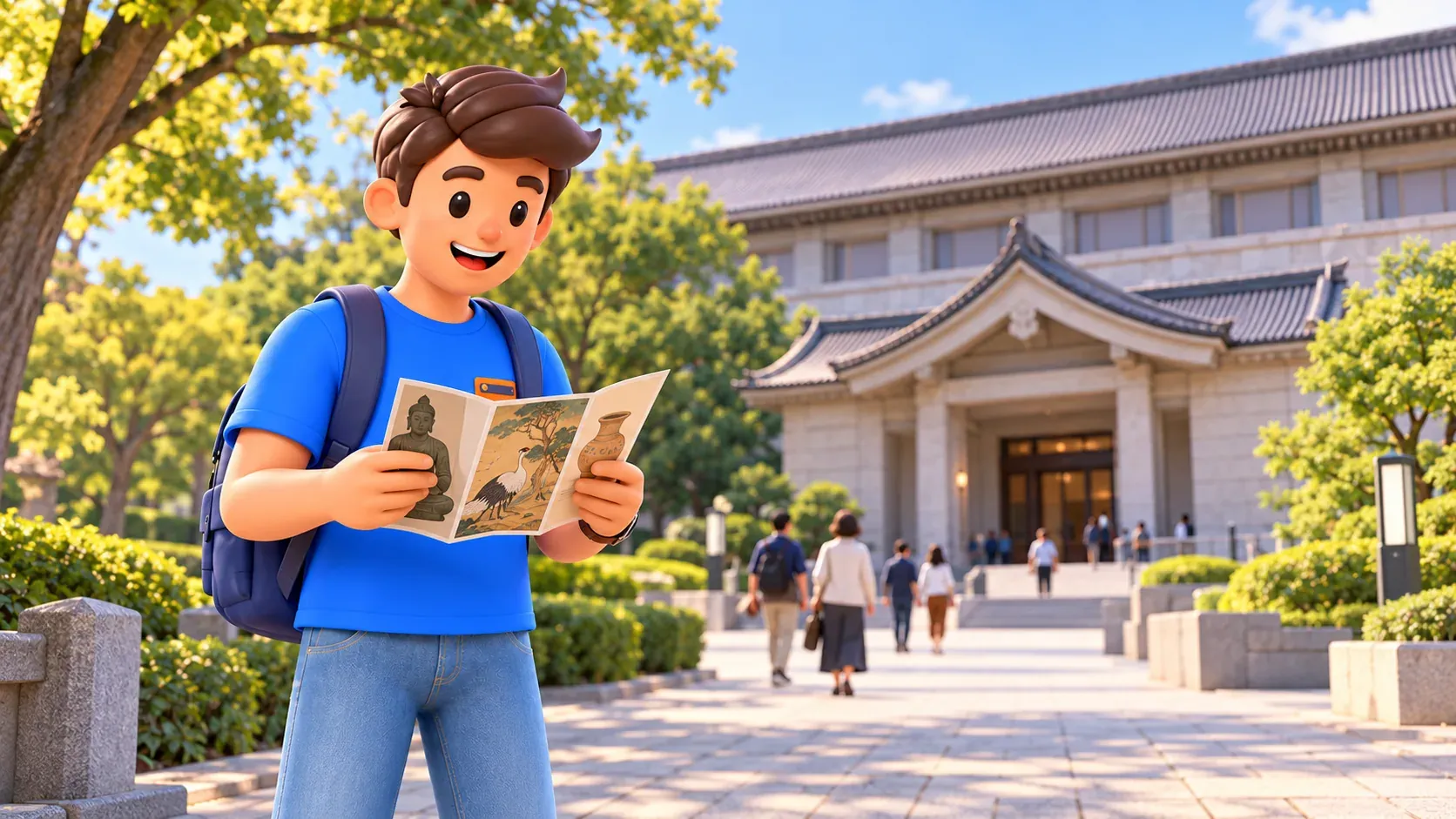
Day 1 afternoon: Ueno with or without a museum
For an outdoor afternoon, focus on a limited part of Ueno Park rather than a complete circuit. Shinobazu Pond and nearby religious places provide changes in scale and subject. Pause where you enjoy the setting and leave the rest for another visit. The park is a place to spend time, not an assignment to cover every path.
For a museum afternoon, the Tokyo National Museum is an option if Japanese art and archaeological objects are your main interest. Choose the current collection or exhibition deliberately and check its opening calendar before fixing the day. Admission to a museum is a distinct visit, not something automatically included in walking through the park.
Allow a substantial block for the museum you choose and a shorter amount of outdoor time afterward. Exact time depends on your interests and the rooms you visit. Do not use the same allowance for a passing introduction and a detailed collection visit. The two choices need different levels of attention.
Keep the first evening reasonably light. Dinner near the area you are already exploring, followed by the return to your accommodation, can be a complete ending. There is no need to add Shibuya tonight when it already belongs to the following day's plan.
Day 2 morning: Meiji Jingu before the day becomes busy
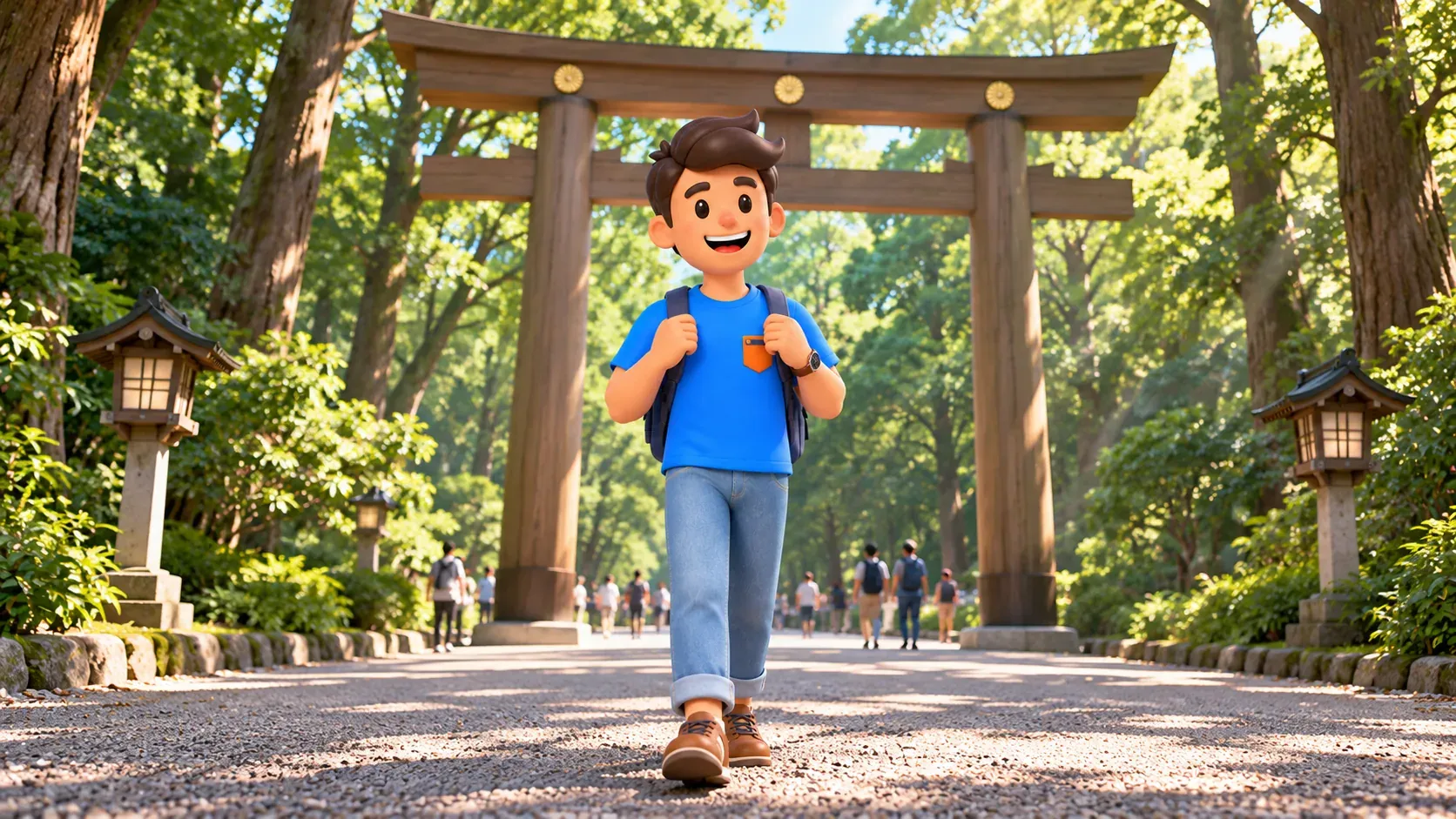
Begin the western day around Meiji Jingu, using the Harajuku side as a practical approach if it suits your starting point. The walk through trees provides a different atmosphere from the previous morning's temple neighborhood. Give the approach time instead of treating it simply as the distance to the main shrine.
Meiji Jingu was established in 1920 to honor Emperor Meiji and Empress Shoken. Its forest was deliberately planted and planned to develop over time. That history changes how the setting can be understood: the trees are part of the design and meaning of the place, rather than just a green backdrop behind the buildings.
Keep the shrine in the morning part of the schedule. Its gates follow a seasonal opening and closing calendar associated with sunrise and sunset, and individual facilities may have shorter hours. Check the current month before visiting. The fact that nearby urban streets remain active later does not extend access to the shrine.
Allow roughly an hour and a half to two hours for an unhurried introduction, depending on the entrance used and how often you stop. This is an estimate for planning. Additional inner facilities or a more detailed visit need their own time and should not be assumed part of that allowance.
Day 2 midday: a shorter park walk and a proper pause
Meiji Jingu and Yoyogi Park are separate places. After the shrine, return toward a suitable public exit and choose the park entrance you actually intend to use. Avoid assuming that every wooded path connects into the park or that the same visiting conditions apply to both areas.
Use Yoyogi as a lighter outdoor companion rather than another full exploration. A shorter walk, a place to sit and a change of scenery can be enough. Save energy for the later neighborhood visit and keep lunch as a real break rather than a snack hurriedly fitted into the walk.
From the Harajuku and Yoyogi area, continue toward Shibuya using a route or rail connection suited to your energy and starting point. Check the actual walk rather than assuming the districts touch exactly where you are standing. The choice of transport can be simple once the day's priority is clear.

Day 2 afternoon and evening: Shibuya at neighborhood scale
Use Hachiko and the crossing as recognizable reference points for the Shibuya part of the day. Let them begin the visit rather than conclude it. After the main view, spend time in the surrounding streets according to what you enjoy: buildings, shops, food or simply observing how the city moves.
The change from a wooded shrine to an active commercial district is one of the trip's strongest contrasts. You do not need to add another major institution to make it work. Keep the evening understandable, with a dinner plan and a clear idea of how to return to your accommodation.
To make these two days easier to use, develop your personal trip in RoadMe, where the plan is shaped around your interests and the pace you want. The app is a convenient way to give the places that matter to you a practical sequence across the whole visit.
If a high viewpoint is important, treat it as the main optional addition and check current admission arrangements separately. A neighborhood walk does not guarantee an observation-deck booking. Give that choice room by reducing browsing or other optional time rather than assuming the evening can expand indefinitely.
Keep the plan useful when conditions change
For a less active version, shorten the river, park and shopping segments while keeping meals and transport margins. In poor outdoor conditions, a chosen museum can become the eastern day's main focus, but only if its calendar fits. A different order of days may solve that more neatly than inventing another distant replacement.
Before departure, check your main visits, station connections and route back. The plan starts at sightseeing areas, so add travel from your actual accommodation. If only one full day remains, use a one-day version rather than compressing all five areas into it. Two clearly shaped days are valuable because they leave room to experience the contrast.
With less time, use the one-day Asakusa and Shibuya itinerary instead of trying to shorten every stop at once.


