
Three Days in Rome: The Centre, Vatican and Neighbourhoods
Three full days in Rome give you time to experience ancient monuments, the Vatican and streets around the historic squares and Tiber. The useful starting point is to give each substantial visit its own day. A museum then receives proper attention, while the walks around it leave room for lunch, observation and ordinary pauses.
This first-visit plan suits travellers comfortable spending several hours on their feet. It includes one major admission on each of the first two days and a more flexible third day. Arrival and departure days are additional. Times below are planning estimates in local Rome time, including transitions and breaks; they are not measured queue predictions. Align any paid visit with the booking you actually obtain.
Let the calendar decide the order
The itinerary has three independent parts: the Colosseum and ancient centre; the Vatican and nearby river; the central squares, Tiber Island and Trastevere. You can rearrange them. Find suitable dates and admission times for your essential visits, check closure calendars, then place the outdoor walks around those commitments. Day two here does not require the Vatican to fall on your second calendar day.
Build the complete trip more conveniently in RoadMe: the app prepares a personalised itinerary around your interests, dates, pace and budget. It turns these ideas into a plan that is easier to use each day, with the itinerary and map together.
Pay particular attention to the Vatican Museums. Their regular schedule covers Monday to Saturday, with a separate arrangement for the last Sunday of the month and additional closure dates. Check your specific date. St Peter's Square, the basilica and the museums are different places with separate entrances and visiting arrangements; a general intention to “visit the Vatican” needs a more precise choice.
The Colosseum requires a timed reservation, and the areas included depend on the ticket selected. Check validity, the required identification and any concessions that actually apply to you. Booking conditions are individual rather than universal. Keep confirmations accessible and make sure everyone in your party understands which entrance and appointment they are heading towards.
A three-day outline with proper breaks
| Day | Main experience | Planning blocks |
|---|---|---|
| One | Colosseum, Forum and Palatine, followed by the Capitoline | 09:00–13:00 main visit; 13:00–14:30 lunch and rest; 14:30–16:30 exterior walk |
| Two | Vatican Museums or St Peter's Basilica, followed by the square and Sant'Angelo Bridge | 09:00–13:00 chosen visit; 13:00–14:30 lunch; 14:30–17:00 walk and pauses |
| Three | Navona, Pantheon and Trevi, then Tiber Island and Trastevere | 09:30–12:30 centre; 12:30–14:00 lunch; 14:00–17:30 river approach and neighbourhood walk |
This is a framework, not an admission timetable. The first two morning blocks include the approach, checks, visit and exit; four hours is not an official museum duration. A longer tour or afternoon ticket means moving the parts of the day and shortening the walk. Travel from accommodation and the return journey need additional time.
Evenings remain open. Return to an area you enjoyed, have an unhurried dinner or finish early. There is no need to turn the evening into another compulsory sightseeing session. Three consecutive walking days require a different energy budget from one busy afternoon followed by a whole day of rest.
Day one: give ancient Rome enough space
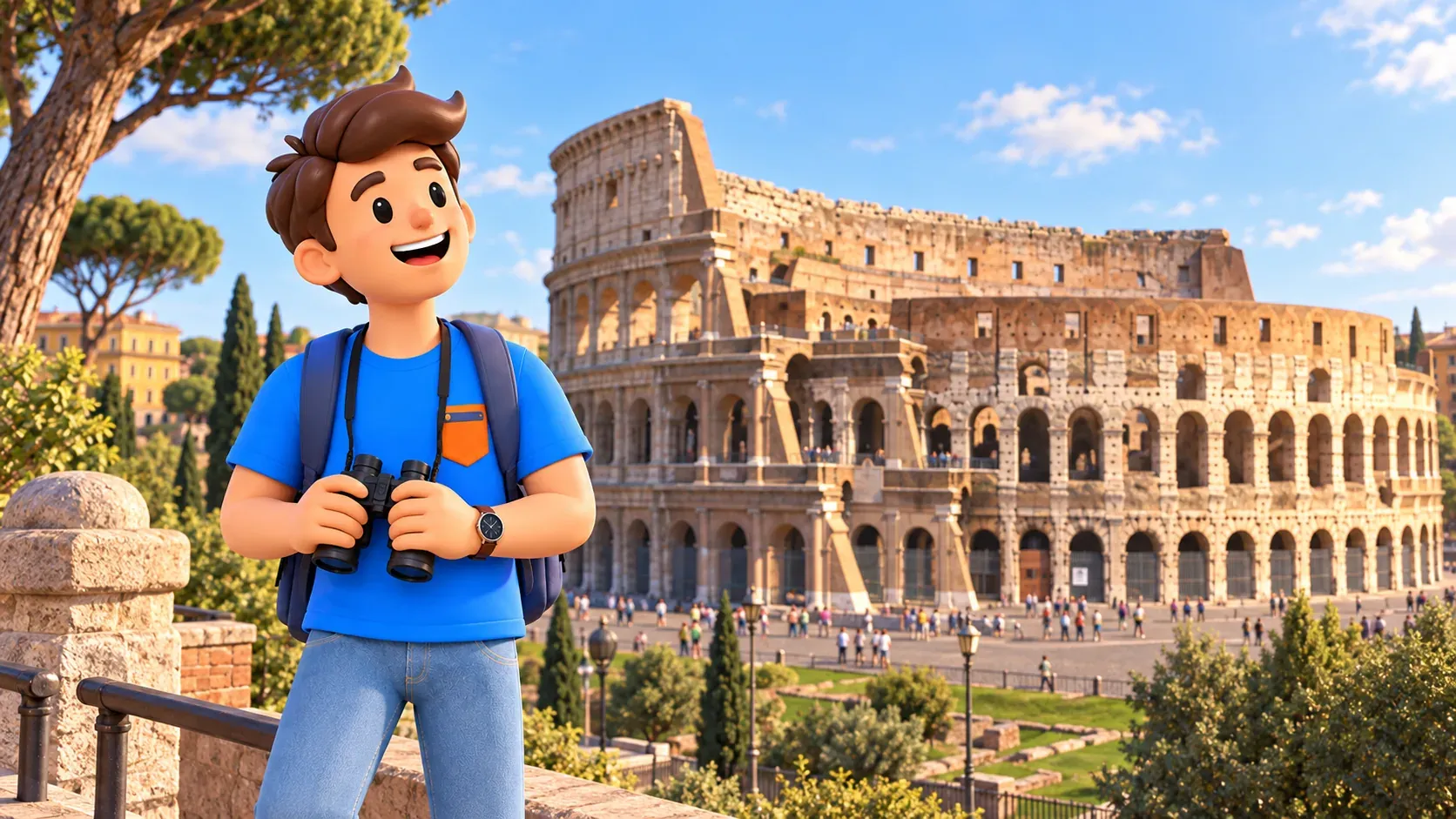
Start around the Colosseum. The first-century Flavian amphitheatre was built for public spectacles; its great volume and repeating arches make that purpose tangible. A few minutes looking at the whole exterior before entry help you understand the building's scale. Inside, choose what most interests you rather than trying to memorise every visible detail.
The Colosseum, Roman Forum and Palatine make a substantial morning. Confirm what your particular ticket includes, its validity period and the arrangements for each entrance. This plan does not assume access to every special area or individual building. The archaeological landscape involves uneven surfaces, exposed stretches and changes in height, which matter when choosing footwear and pace.
See the Forum as a setting for civic life and the Palatine as a change of elevation and perspective. You do not need to identify every remaining wall. Choose one relationship to notice: buildings around an open space, or the way a higher view changes your understanding of the city below. That gives the visit meaning without turning it into a catalogue of monuments.
The four-hour morning allocation is a starting estimate. Your interests, ticket and energy determine what fits. If you want to study the Forum closely, extend this visit and remove the later hill climb. If you mainly want the exterior impression of ancient Rome, an outdoor walk is a valid alternative to buying admission simply to complete a checklist.
After lunch: the Capitoline without another major museum
Allow a proper lunch after leaving the archaeological area. The ninety-minute block includes finding a suitable place, eating and sitting down. In heat, extend the rest and reduce the exposed afternoon walk. Assess your energy before another ascent, especially after the Palatine. Extra stops are easier to choose when you still feel interested rather than obliged.
Continue towards the Capitoline square using available city passages and signs. Its composition is associated with Michelangelo's design: buildings frame the space and an equestrian statue establishes the centre. Look from the edge, then approach the middle. The change of position makes the relationship between architecture, movement and attention easy to appreciate.
The Capitoline Museums are not included in this afternoon. Their collections deserve a separate allocation; being beside the entrance is not a reason to add a major museum after a substantial archaeological visit. Finish near Piazza Venezia or return to your accommodation. If you are already tired, leave the Capitoline for another visit: the morning has provided a worthwhile encounter with ancient Rome.
Day two: decide what you want from the Vatican
The first option is the Vatican Museums, appropriate when art and the Sistine Chapel are your priority. The chapel is part of the museum visit rather than a separate quick stop from the square. The museum entrance is on Viale Vaticano. Check the approach and the arrival instructions attached to your booking before setting out.
Pick a few priorities within the large complex. Different periods, painted surfaces and the rooms themselves require attention; trying to examine everything equally can become tiring. Include checks and the exit in your time budget. An early appointment does not promise empty galleries, and a reserved ticket does not remove every organisational procedure.
The second option is St Peter's Basilica. This is an active religious place where services and events can affect access. Wear appropriate clothing and allow for security checks. If you want the dome, give it a separate block and verify its own entry arrangements. Visiting the basilica and climbing the dome are distinct activities, with different demands on time and energy.
For the basic plan, choose the museums or basilica as the morning's main visit. Both may be possible under suitable conditions, but combining them means reducing the rest of the day and allowing additional movement. Do not rely on a universal direct passage from the Sistine Chapel to the basilica: access to such routes depends on current rules and the form of visit.
The afternoon: a square, a castle and the river
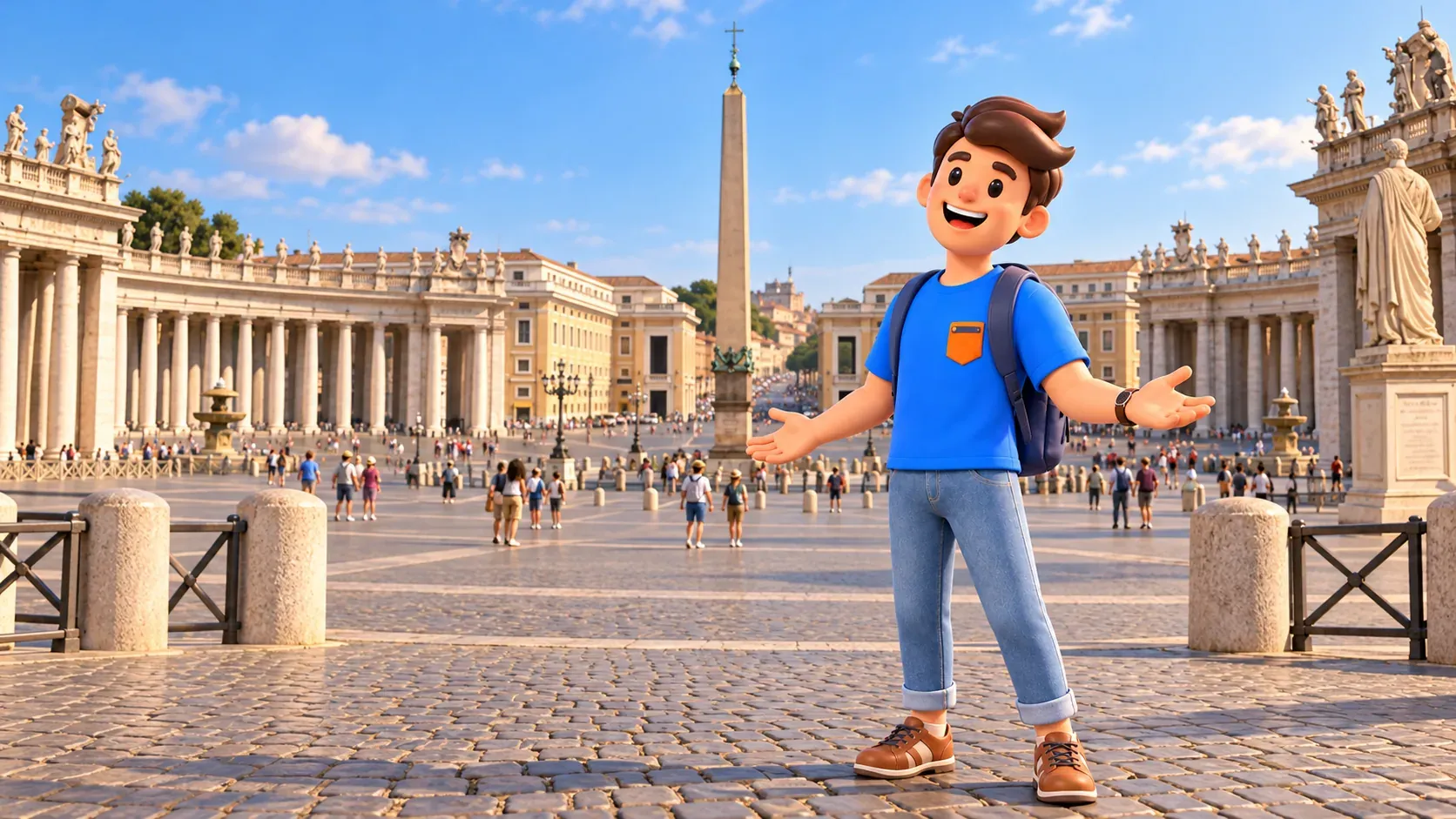
Have lunch and a seated rest after the main visit. St Peter's Square can provide an exterior stop if it is accessible that day. The colonnades associated with Bernini show how architecture organises a large open space. A few unhurried minutes give a different kind of experience after the concentration of museum rooms.
Continue towards Castel Sant'Angelo and its bridge. The castle began as Hadrian's mausoleum and changed functions over time; its substantial circular form distinguishes it from the surrounding streets. The afternoon includes an exterior look, without compulsory admission. If the interior is especially important to you, give it its own block and reduce the rest of the programme.
The bridge offers a view of the Tiber and a crossing to the opposite bank; finish near its southern end. The remaining hours do not need more mandatory objects. After an intensive morning, water, stone and the changing city light can be enough. If an event or access restriction affects the square, shorten the walk to the available area while preserving a comfortable break.
Day three: central squares, then neighbourhood streets
Begin at Piazza Navona, continue to Piazza della Rotonda beside the Pantheon, then head to Trevi. This order connects nearby parts of the centre and saves the later afternoon for a different district. Navona's long outline retains the shape of Domitian's stadium, while its Baroque fountains add a later layer. Noticing that relationship between ancient ground plan and present square is enough to enrich a short stop.
At the Pantheon, look at the columned portico joined to a circular body beneath a dome. The main plan includes the exterior. An interior visit needs its own time and a check of the current arrangements at this active religious monument. If you want to enter, reduce Trevi or the later walk; proximity alone does not make admission a negligible addition.
At Trevi, take in the composition of water, sculpture and façade. The public square and the zone immediately beside the fountain have different arrangements: in 2026, tourists and non-residents have paid access to the near zone, with stated exemptions. This itinerary does not require entering that zone or promise an uncrowded view at a particular time.
After lunch, head towards the Jewish Quarter and Tiber Island, then cross into Trastevere. This is a separate substantial block moving from the central squares towards the river, rather than a five-minute connection. The allowance includes streets, short observations and pauses. If you are tired, use suitable available transport towards the neighbourhood or make Trastevere your sole evening destination.
The island has a long association with healing and remains part of the living city. In Trastevere, finish at the square by Santa Maria in Trastevere. The basilica is known for mosaics, but interior access follows the arrangements of a working religious place. The surrounding streets are also residential spaces: keep passages clear and give everyday neighbourhood life room.
Adapt the three days to your own trip
Preserve the three different experiences while reducing obligations within each day. Ancient-history enthusiasts can spend longer in the Forum; art lovers can give the museum more room. In rain, choose one main indoor visit and a short nearby walk. In heat, move exposed stretches to a suitable part of the day and increase rest. Do not spend the lunch break trying to restore every discarded stop.
RoadMe makes those decisions easier by preparing a personal programme for the whole trip around your interests, dates, pace and budget. Having the plan and map together helps you use your time well in the city instead of rebuilding the next day from scratch each evening.
For fewer than three full days, simplify rather than compressing this schedule. Our one-day Rome walk with lunch and breaks offers a shorter structure, while the first-visit guide by interests helps choose an overall direction. A rewarding programme leaves room to stay where the city has caught your attention.


