
Three days in Madrid: main sights and a walk beside the Manzanares
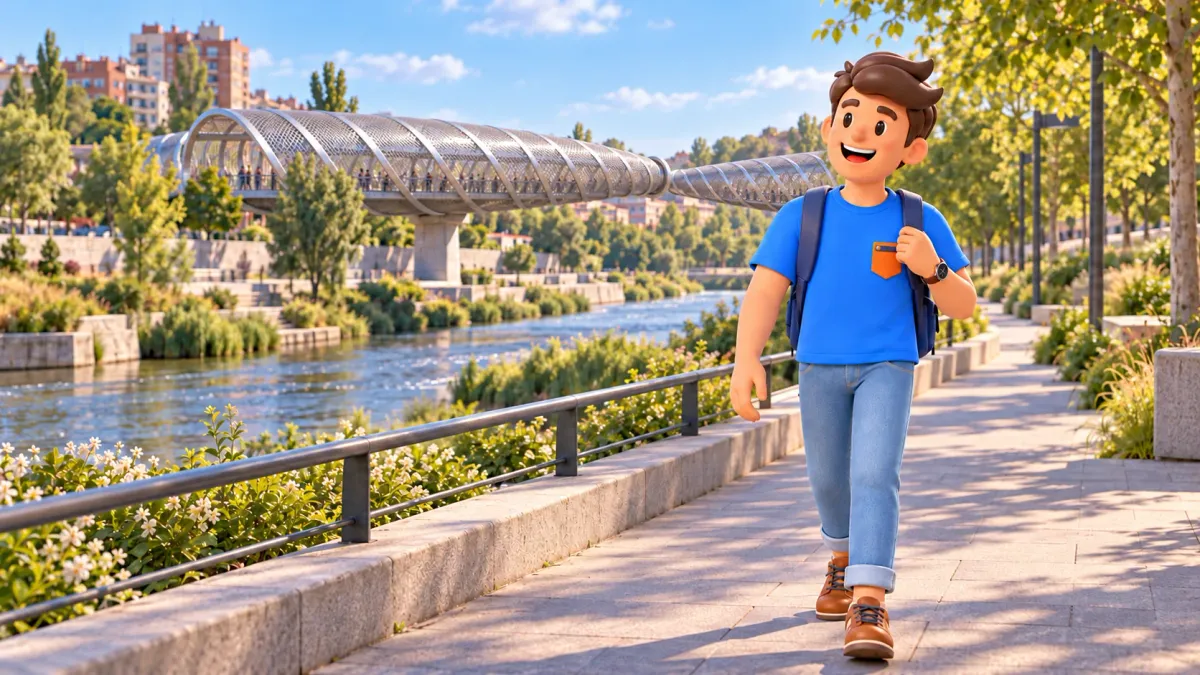
A third day in Madrid is an opportunity to change the kind of experience you are having. After historic squares, a palace and an art museum, head towards the Manzanares: compare old and new bridges, walk a selected part of Madrid Río and finish around Matadero. The river and a reused industrial cultural complex add another dimension to the ceremonial centre.
This plan uses three full sightseeing days: the western centre, art and Retiro, then the riverside. Each day has a main interest and an earlier finish if needed. Arrival, accommodation, luggage and connections to a station or airport require separate time. Every duration below is an editorial estimate, not a measured journey. An excursion to another city is not included; the additional day stays in Madrid itself.
Give the three days different characters
Choose two substantial indoor visits first: the palace or Royal Collections Gallery for day one, and one art museum for day two. Keep day three flexible. It can be a riverside walk without a fixed admission, or a shorter outdoor section combined with a selected event at Matadero. Check the calendars of the places that matter before assigning the order of days.
For a more convenient and efficient way to develop the trip, try RoadMe: the app creates a personal day-by-day itinerary around your interests, dates, pace and budget. Set your preferences for art, history or walking so that the route grows around what you want to experience.
Do not give every day the same load. After hours in museum rooms, a different kind of movement and more open space can be welcome. An outdoor day still takes time, however: connections, lunch, pauses and the journey back to your accommodation all remain. If one of your three days is short, make that the flexible one instead of assigning it two important timed entries.
Three booked nights do not necessarily provide three full days. A late arrival and early departure can leave only two long periods in between. Begin with the hours you actually have, then decide which of the three themes matters most. Preserve complete experiences rather than treating the number of nights as a sightseeing guarantee.
The three-day outline
| Day | Main purpose | Natural finish |
|---|---|---|
| One | Sol, Plaza Mayor, Plaza de la Villa, Almudena outside and one royal-quarter visit. | Oriente or the smaller squares of La Latina. |
| Two | Prado or another chosen art museum, lunch and part of Retiro. | Puerta de Alcalá, with Cibeles optional. |
| Three | Segovia Bridge, Toledo Bridge, Arganzuela Bridge and Matadero. | Legazpi area, allowing separately for the return journey. |
These are three geographic sequences, not an obligation to complete every name. For the first two days' fuller schedule, use our two-day Madrid itinerary. Here the emphasis is on adding a different part of the city while retaining energy for the end of the stay. There is no need to repeat familiar streets simply to give every walk the same starting point.
Day one: the old centre and one substantial story
Begin at Puerta del Sol and move through Plaza Mayor towards Plaza de la Villa. Choose a few city symbols at Sol, look at the overall composition of arcades and façades in Plaza Mayor, then compare the smaller historic buildings around Villa. This gives the morning a shape without turning the walk into a detailed encyclopaedia.
Reach Almudena and the Royal Palace around the middle of the day. Viewing the cathedral outside and entering its different interiors are separate plans. Make the palace your main visit if it appeals, allowing approximately two hours plus an admission buffer. Available slots and official-event closures need separate checking; a time used as an example does not guarantee tickets.
If you prefer the Royal Collections Gallery, give it its own block instead of the palace, rather than automatically adding a second major visit. After lunch, stroll around Oriente or head towards smaller squares in La Latina. A relaxed first evening helps you settle into Madrid without requiring the most distant possible viewpoint.
One short historical reference connects the palace to its setting: the former Alcázar burned down in 1734, and construction of the present residence began in 1738. That change helps explain the contrast between the tight network of old streets and the scale of the ceremonial complex. Save the details of individual rooms for the attention you can give them inside.
Day two: art and a break in Retiro
Book one art visit for a suitable morning. The main version uses the Prado around 10am–12:30pm: regular opening begins at 10am, but holiday exceptions must be checked for your date. Two and a half hours is an allowance for part of the collection. If you want to remain longer, shorten the park rather than removing lunch.
The Prado suits an introduction to European painting and Spanish masters. Thyssen-Bornemisza offers another route through art history. Reina Sofía appeals to visitors interested in later art, but normally closes on Tuesdays and moves the day's starting point closer to Atocha. Choose for your own interests instead of treating three museum names as three requirements.
After lunch, approach the western entrances to Retiro and limit the walk to a section of the park: the Great Pond, the Alfonso XII monument and an exit towards Puerta de Alcalá. Information checked on 16 October 2026 says the Crystal Palace is closed for works until 2027, so its interior cannot be promised here. Weather-related park closures can also change the afternoon.
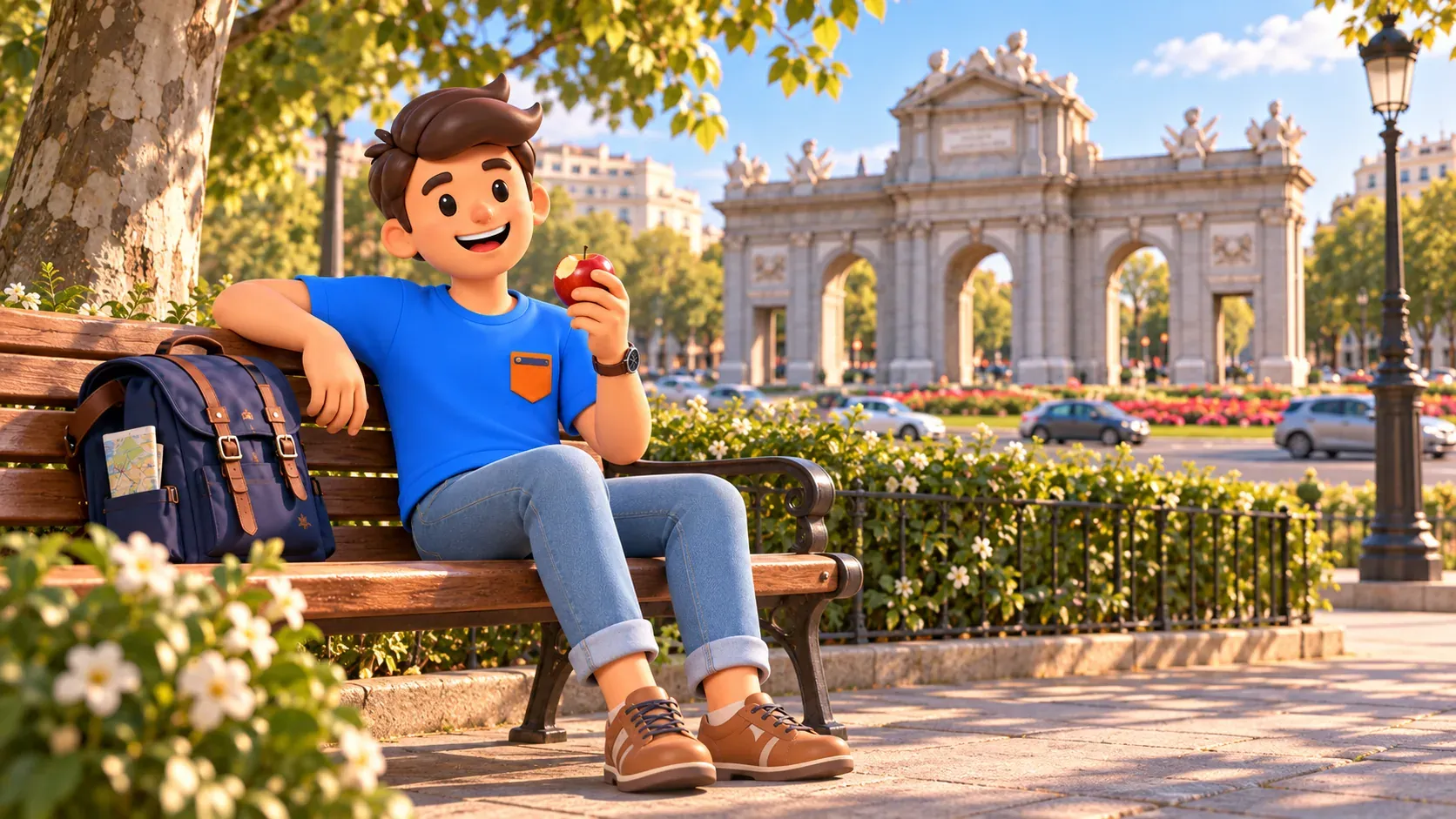
If the evening is free, continue from Alcalá towards Cibeles or return for dinner. Do not add a long journey across town simply because the day has not finished. The third morning already gives you a separate reason to explore another part of Madrid.
Day three: start beside Segovia Bridge
Begin around 10am by Segovia Bridge, allowing for the trip from your accommodation before the start. The scale changes here: instead of enclosed squares, you have the river, its banks and longer lines of movement. Do not expect to cover the entire riverside in one outing. Select the section you actually want to walk.
Follow accessible public pedestrian paths beside the Manzanares towards Toledo Bridge. Allow approximately an hour for that section with pauses, adjusting for your pace and chosen bank. Keep a general southward direction and use permitted crossings. You do not need to change banks at every attractive viewpoint for the walk to feel complete.
Toledo Bridge provides a brief historical stop. Pedro de Ribera built this Baroque bridge between 1719 and 1724. Look at its arches and more decorative central features without requiring a separate account of every sculpture. The comparison between an older bridge and the contemporary riverside already gives the outing a useful theme.
Continue towards the monumental Arganzuela Bridge. Its modern outline changes the impression of river crossings. Find a comfortable place to look at the structure, rather than deciding you must explore every approach. The bridges are anchors between which you still have the walk beside the water, not a succession of compulsory architecture lessons.
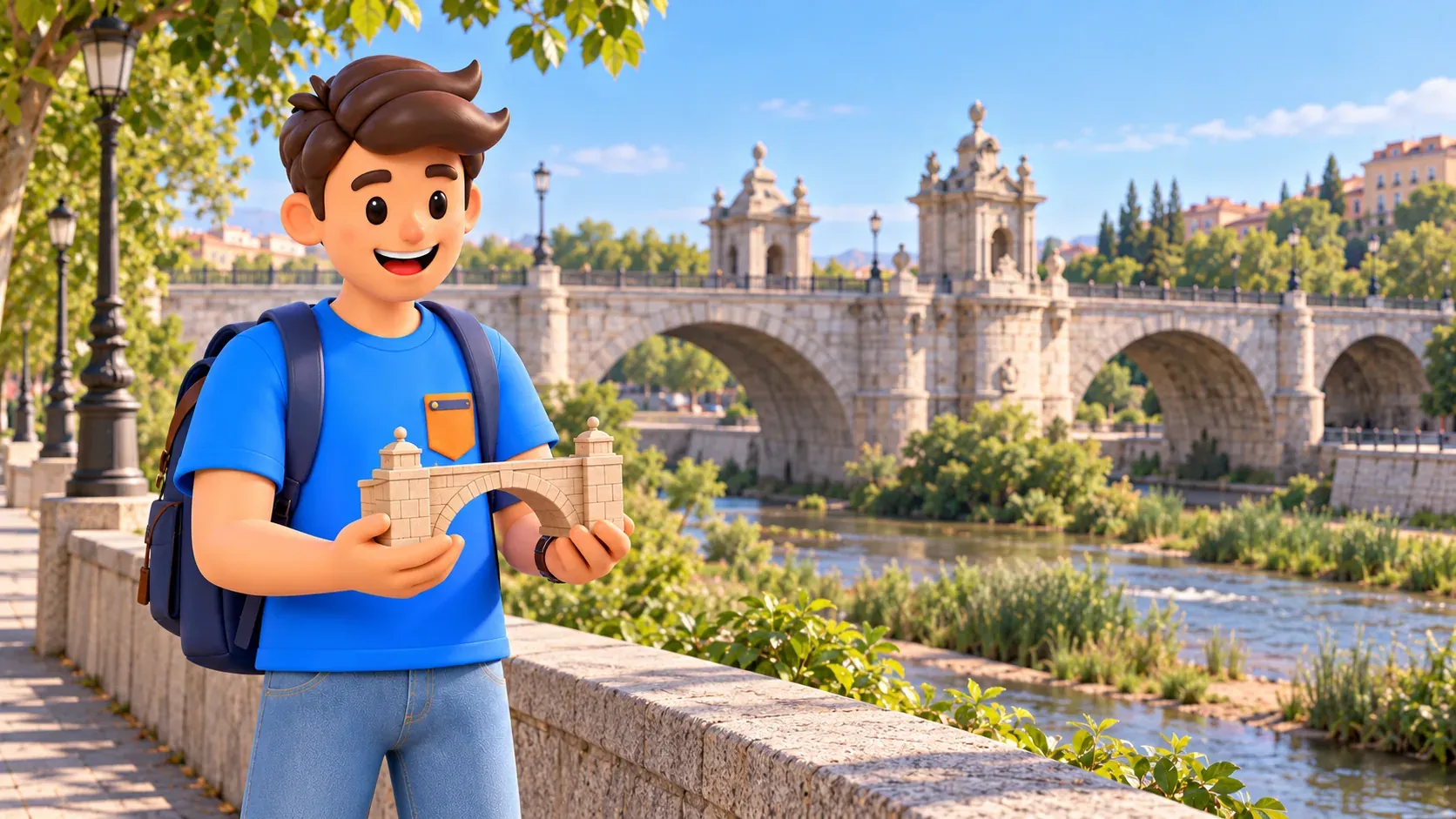
If an event at Matadero starts in the morning, reverse the third day: begin near Legazpi and walk a chosen river section northwards afterwards. Lunch and the finish will move, so do not transfer the sample timing literally. Keep one continuous section instead of repeatedly travelling between the same bridges, and account separately for reaching the start.
Allow roughly two to three hours from Segovia Bridge to the Arganzuela section with pauses, excluding a separate lunch and your later time at Matadero. This estimates the selected sequence, not a guaranteed distance or identical access along every path. Finishing sooner is perfectly reasonable when tired, with enough time retained for the journey back.
Matadero: finish with another kind of culture
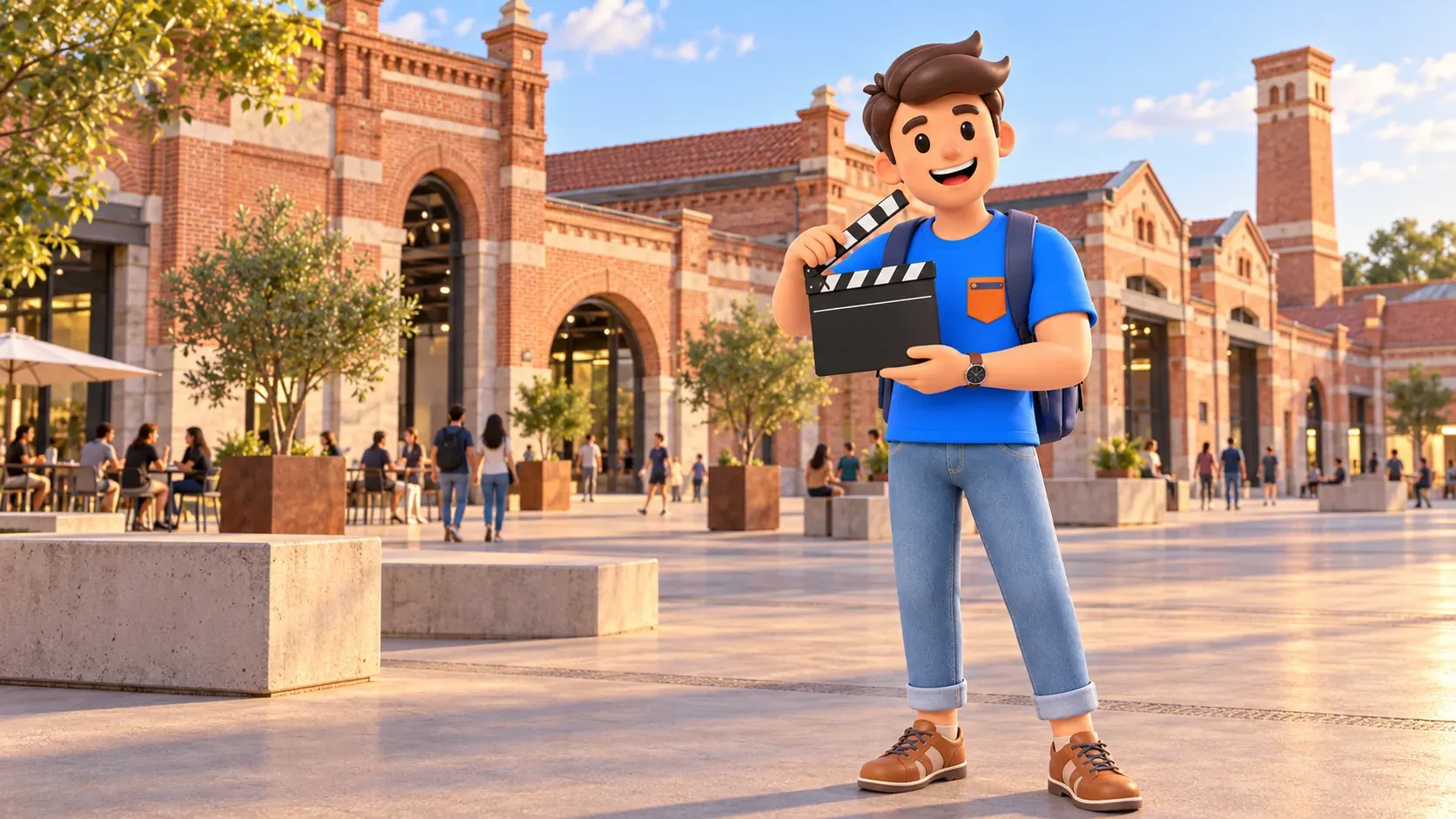
Give lunch around an hour, then continue towards Matadero. What you can enter depends on the date. A cultural complex does not mean that every exhibition space or performance is available at any moment. If a particular event motivates your visit, check its programme first and arrange your arrival around that appointment.
Matadero occupies Madrid's former slaughterhouse complex, whose pavilions were built in the early twentieth century. It now accommodates a range of cultural activities. Choose an available exhibition or simply notice the size of the buildings, façade materials and the new use of a former working site. That offers a different experience from the palace or a major painting museum.
To make those different days fit comfortably together, let RoadMe develop a personal itinerary around your interests and pace. The app helps organise time more efficiently between substantial visits, outdoor walks and places where you want to linger.
The name Crystal Palace of Arganzuela also appears near Matadero. This is a different attraction from the Crystal Palace in Retiro. A closure notice for one does not describe the other. If you want the greenhouse, verify its own access first and explicitly allocate part of the afternoon to it. The main riverside version does not assume that additional interior visit.
Finish the main programme in the Legazpi area. Returning to your accommodation needs an additional allowance and should not be silently included in that finish. For a performance elsewhere in the evening, add travel, dinner and admission. A free evening near your accommodation can be an equally satisfying conclusion to three active days.
If the riverside does not suit: choose one neighbourhood
Instead of Madrid Río, use the third day for a compact group of places around Malasaña and Conde Duque. This is an alternative day, not an addition after the river. Begin around the Museum of Madrid History and Plaza del Dos de Mayo, then continue towards Conde Duque cultural centre. Check entry arrangements and the actual programme separately from the street walk.
This version suits a preference for smaller streets and cultural spaces rather than a long river outing. In persistent rain, choose an available indoor visit and shorter connections; another neighbourhood does not remove the weather. Avoid assuming that a full museum, an extended walk and several exhibitions all fit without changing the time available.
Keep the final day comfortable
At breakfast on day three, reassess your energy and departure time. If you need to collect luggage after lunch, start closer to a selected bridge or combine Matadero with just a short river section. The sequence is there to support choices, not to test endurance or make every stop unavoidable.
Agree with your companions which experiences matter to each person. One may want a major art museum, another open space beside water, another a cultural event. A three-day plan can give those interests different days. Madrid then becomes a set of connected stories, with enough room between them simply to enjoy being in the city.


