
Two Days in Strasbourg: Old Town and Neustadt

Two days in Strasbourg are enough to experience two noticeably different cityscapes. Give the first to the cathedral, old squares and Petite France waterways. Use the second for Neustadt: Place de la République, broad avenues and the Palais Universitaire. Add one visit or walk that reflects your interests rather than turning the weekend into a continuous race.
The two days below can be swapped to suit your dates. Allow approximately six to eight hours for the first, including lunch and a chosen visit, and five to seven for the second depending on its extension. These are planning estimates, not measured route times. Travel from your arrival point and back to transport sits outside those outlines.
Divide the trip by neighbourhood, not by the length of a list
The advantage of two days is being able to give each area its own attention. In the old town, small details and views from bridges often determine the pace. In Neustadt, the relationship between buildings, avenues and larger compositions becomes more important. Keeping separate days makes those differences easier to notice.
Choose one main interest for each day. The first might centre on the cathedral or a nearby museum; the second on architecture and the botanical garden. Two museum visits are possible too, but they require shorter outdoor sections. You do not have to repeat a church, museum, viewpoint and park every day.
Planning two days is more convenient in RoadMe, which builds a personal trip plan around your interests, dates, pace and budget. Appealing individual places can then become a connected programme rather than a list you still need to organise.
Check arrival and departure times before choosing additions. With an afternoon arrival, keep the first day compact and move the substantial visit to a free morning. With an early departure on day two, select a shorter Neustadt section rather than planning around a full day you do not actually have.
Day one: the cathedral and one meaningful visit
Begin outside Notre-Dame, taking in the silhouette and west front before selecting a few close details. Different building phases and the contrast between large volumes and delicate stone decoration provide a worthwhile starting theme without requiring a complete architectural history.
Kammerzell House nearby shifts attention to carved timber, windows and smaller figures. Its expressive decoration relates to the culture of prosperous urban merchants. You do not need to study every detail: compare how two neighbouring buildings work with materials and scale.
If you want to enter the cathedral, give it a separate place in the programme. The astronomical clock presentation and platform climb are not negligible extras to an ordinary church visit. Select what matters most and check access against the arrangements and services for your day.
A nearby museum is another main option. The Musée de l'Œuvre Notre-Dame continues the theme of medieval art, while Palais Rohan offers painting, decorative arts and archaeology. One selected collection is enough for this weekend outline; three palace museums should not be treated as one quick entrance.
Afterwards, take a proper lunch break before continuing. If the morning ran longer, remove a secondary detour instead of the rest itself. Keep some energy for the water, where the appeal comes from observation rather than constantly reading or finding another entrance.
Afternoon: old streets and Petite France
Go through Place Gutenberg towards Saint-Thomas Church. The printer's monument and Renaissance Neubau introduce civic history, while the Protestant church adds another side of Strasbourg's religious heritage. Together they connect the cathedral area with the later waterside walk.
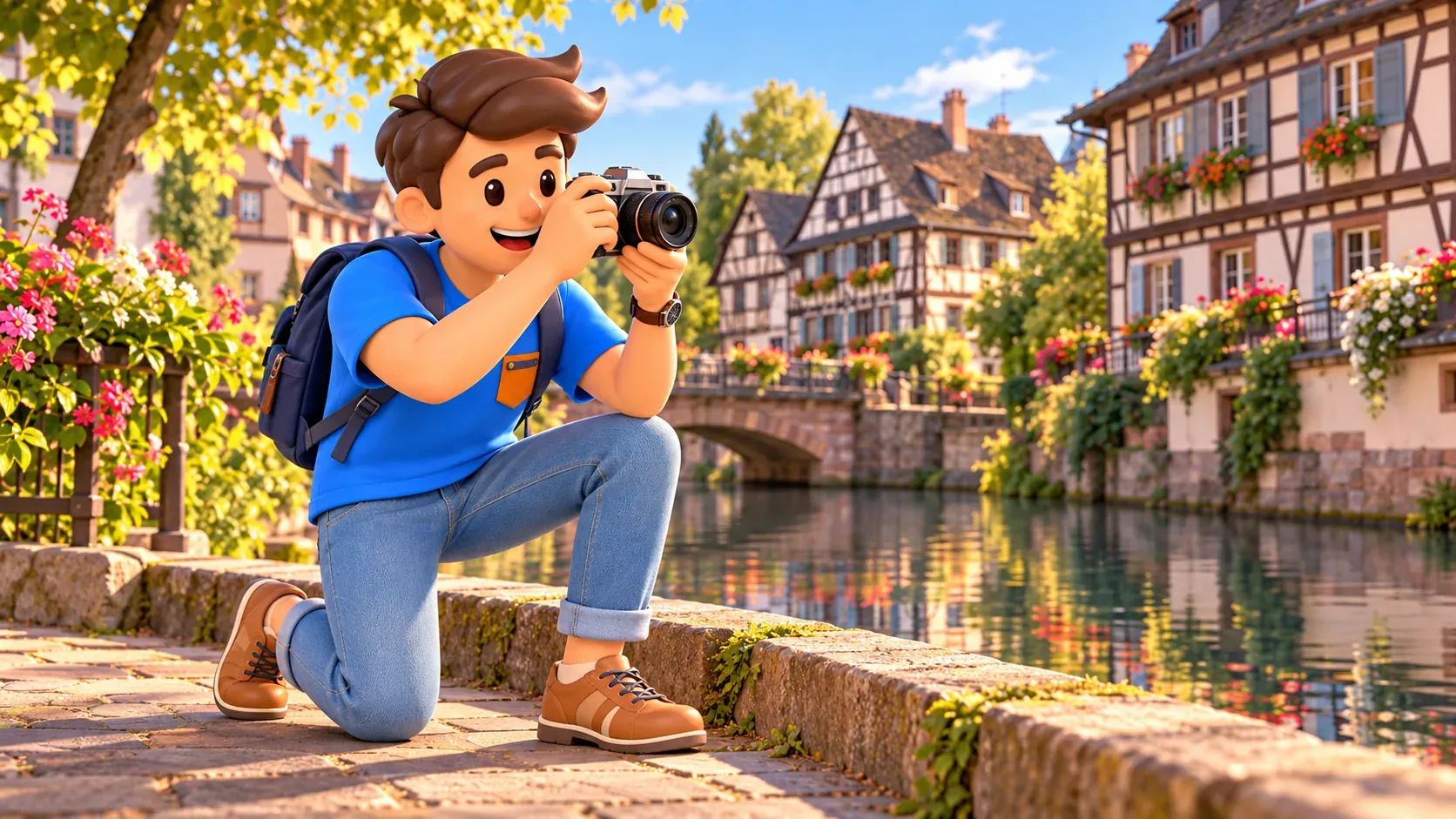
Continue towards Pont Saint-Martin, Place Benjamin Zix and the Maison des Tanneurs. In Petite France, the relationship between houses and water matters more than crossing every bridge. A few changing viewpoints can offer more than a long circuit with no chance to stop.
The high open roof spaces relate to former trades, including the drying of processed hides. This small piece of context explains the practical side of familiar timber-framed silhouettes. The area becomes more interesting when its beauty also reveals traces of the work once done there.
The Covered Bridges and Vauban Dam provide a natural continuation. Medieval towers and later control of the water represent different approaches to defence. Add the dam's terrace only if access and energy allow; an exterior visit still makes a coherent conclusion.
The first evening: finish rather than adding another district
If you wish, return towards Place Kléber and find somewhere for dinner. This is a relaxed continuation, not another substantial sightseeing programme. Staying closer to Petite France or finishing near a convenient route to your accommodation is equally reasonable.
Do not move everything missed in the morning into the evening. Two days let you distribute the experience, so leave Neustadt for a fresh daylight section. Its urban perspectives and façade details deserve their own attention rather than a hurried look at the end of a tiring day.
Day two: Place de la République and a different scale
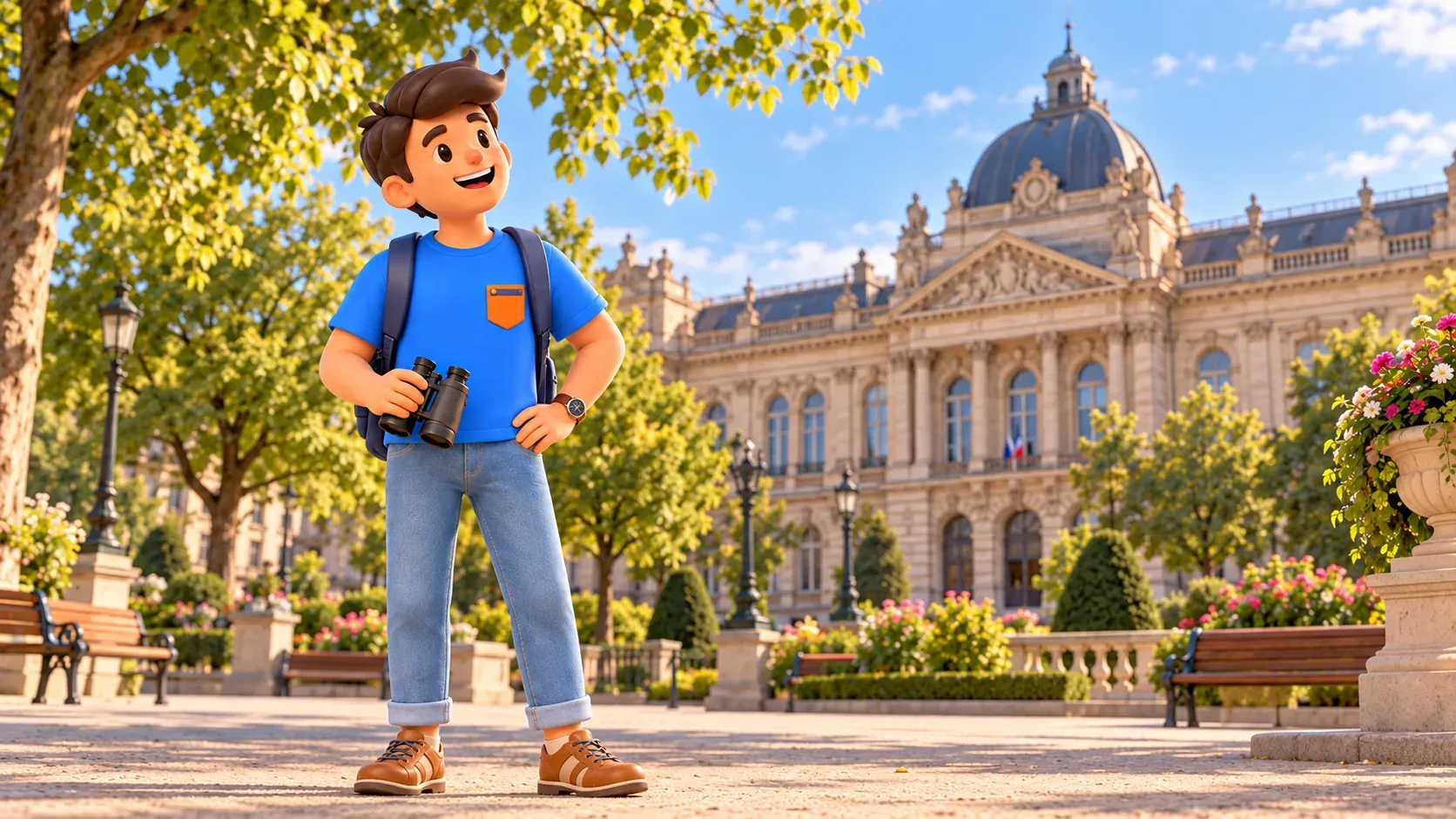
Start on Place de la République. The change of scale is clear: closely packed older houses give way to open space, substantial public buildings and longer views. The Palais du Rhin and National and University Library make useful first anchors.
Neustadt developed during Strasbourg's expansion under German rule. Its architecture expressed the importance of administration, scholarship and public institutions. Comparing building positions and street directions gives a more immediate understanding of the design than trying to memorise every architect's name.
The Palais du Rhin was an imperial residence before becoming associated with international navigation on the Rhine. That change of use already suggests several layers of history. An outdoor introduction is enough for this itinerary: a fine façade does not establish casual public access to the interior.
At the library, notice how the dome and substantial front contribute to the square. If the interior interests you, establish visitor arrangements separately. The working hours of an active library should not automatically be treated as an unrestricted sightseeing timetable.
From Avenue de la Liberté to the Palais Universitaire
Continue along Avenue de la Liberté towards the university. Here the walk between buildings is part of the experience: the broad street and sequence of public functions connect the larger composition. The former main post office shows that representative architecture was applied to everyday infrastructure as well as palaces.
Choose a short detour towards Saint-Paul Church. Its two spires and waterside position offer a different image from the Palais du Rhin. Looking from outside keeps the route independent of whether its interior happens to be accessible when you pass.
The Palais Universitaire completes the principal line. Its Neo-Renaissance design expresses the role of education in the late nineteenth-century city plan. Consider how the building feels after approaching along the avenue: this is a district of connected spaces rather than isolated impressive façades.
The Pontonniers school can provide a further short observation if educational architecture interests you. Avoid adding every marked sight, however. Preserving a clear line and some energy for one chosen continuation matters more than finishing a complete inventory of the area.
Choose a continuation: illustration or a university garden
The Tomi Ungerer Museum is close to Place de la République. If it is your choice, integrate it near the start of the second day rather than returning from the university area later. Its subject is the variety of drawing and illustration; familiarity with the artist's children's books does not make the whole museum solely a children's attraction.
Displays rotate, and the usual closing day is Monday. Before a family visit, look at the current presentation and its themes. That is more useful than expecting the same content throughout the building regardless of when you travel.
The botanical garden fits more naturally after the Palais Universitaire. It relates to the university's scientific tradition and changes the pace from architecture to plants. It has its own seasonal access arrangements, however, rather than functioning as a public square that can always be crossed at any hour.
If neither museum nor garden suits your date or mood, finish around the university and allow time for a meal or rest. Orangerie can also become a separate continuation, but it adds travel. Choose it instead of another extension rather than attaching it to every other option.
Art Nouveau: an alternative for façade enthusiasts
If decorative architecture appeals more than museum rooms, replace the extension with a short Art Nouveau walk. The Egyptian House and Lutke and Backes apartment building lie on one side of Place de la République, while the Brion, Knopf and Schutzenberger villas occupy other parts of the district.
Select a manageable group rather than every address. Look for plant-like forms, metalwork or combinations of materials. These are exterior observations at buildings in use; do not assume access to courtyards or interiors without specific confirmation.
Leave the final part of each day flexible so that a favourite place can receive more attention.
Fit the two days to your actual dates
You can reverse the order. If your main old-town visit is available only on the second day, begin with Neustadt. With rain forecast, give a selected museum more time and move the longer architectural walk to a more suitable part of the stay.
For this, RoadMe offers a convenient way to work out a personal itinerary around your interests, dates and pace. You can plan the weekend as one programme with room for both the main visits and time to rest.
If you really have only one full day, use the one-day historic-centre plan. For a short gap, choose the two-hour walk to Petite France. A successful two-day visit gives each day its own character and chooses additional places according to genuine interest and the time actually available.


