
Three Days in Strasbourg: What to Add to the Old Town
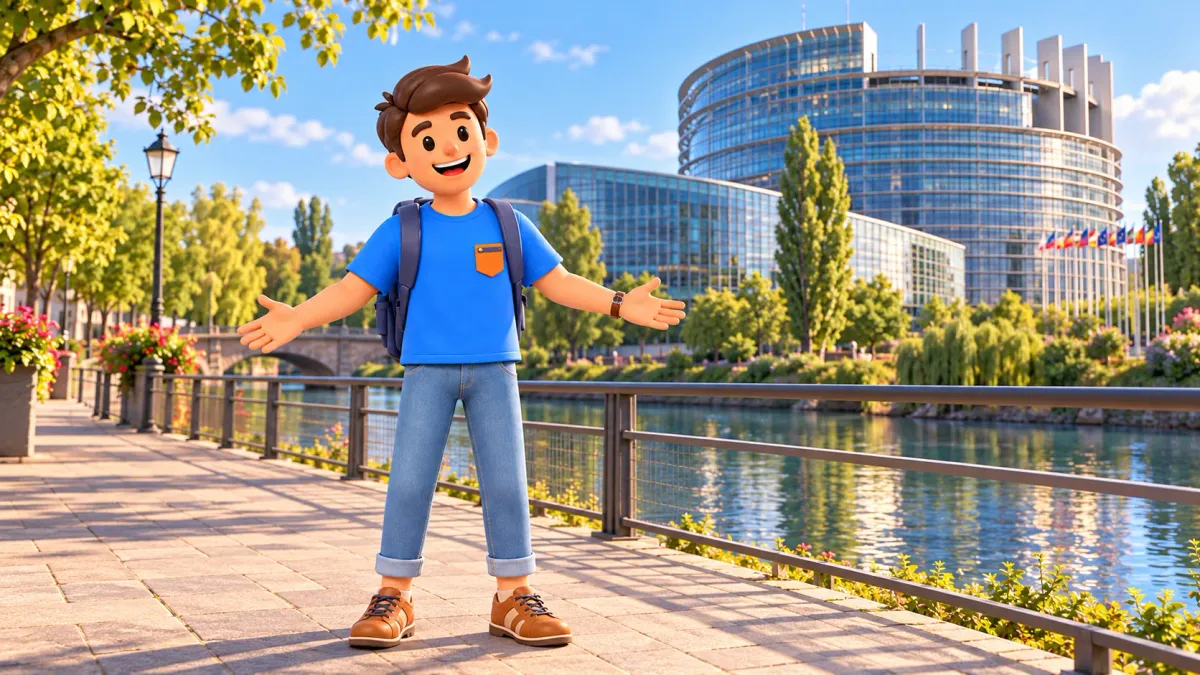
Three days in Strasbourg let you move beyond the familiar pairing of the cathedral and Petite France. After the old town and Neustadt, there is time for the European district with Orangerie Park, or for modern art and an unhurried riverside walk. Your third-day choice shapes the trip: more architecture, more greenery, or one substantial visit that does not have to compete with everything else.
This plan assumes three reasonably full days within Strasbourg. Give the first to the historic centre, the second to Neustadt and the third to one chosen programme. Allow roughly six to eight hours, five to seven hours and four to six hours respectively, including breaks. These are planning estimates rather than measured routes; travel to the start and back to your accommodation or transport is additional.
Why the third day should have more room
The value of a third day is the chance to change the scale of your visit. On the first, individual façades and turns in the waterways hold your attention. On the second, broad streets and relationships between public buildings become clearer. On the third, you can discover contemporary Strasbourg or spend longer in one museum without taking that time away from the rest.
Avoid filling all three days equally tightly. Select two main visits for the stay and one more flexible walk. For some visitors that means the cathedral and a museum; for others, a particular visitor programme in the European district. The remaining stops connect those interests rather than forming a compulsory checklist.
It is easier to work out all three days in RoadMe, which creates a personal trip plan around your interests, dates, pace and budget. You get a connected programme that fits you and spend less effort organising every next step.
When travelling with others, discuss what each person actually wants. A long museum day does not suit everyone, and neither does several hours looking at institutional architecture. Agree on a shared foundation and leave some flexibility instead of expecting the final day to satisfy everyone automatically.
Day one: the old town and its waterways
Begin at Notre-Dame Cathedral. Take in the west front and single completed spire, then choose a few details to examine closely. Generations of builders contributed to the cathedral. That helps explain its combination of substantial volumes and delicate stonework better than treating the whole monument as one architect's finished idea.
Kammerzell House nearby offers a smaller scale: carved timber, windows and little figures. It shifts attention from a major city symbol to the world of a prosperous merchant house. Enjoy the contrast without turning a short stop into a complete examination of every decorative element.
For your main visit, choose the cathedral or one nearby collection. The Musée de l'Œuvre Notre-Dame continues the medieval art theme, while Palais Rohan has separate museums of painting, decorative arts and archaeology. The cathedral platform climb and clock presentation require their own time; they are not negligible extras.
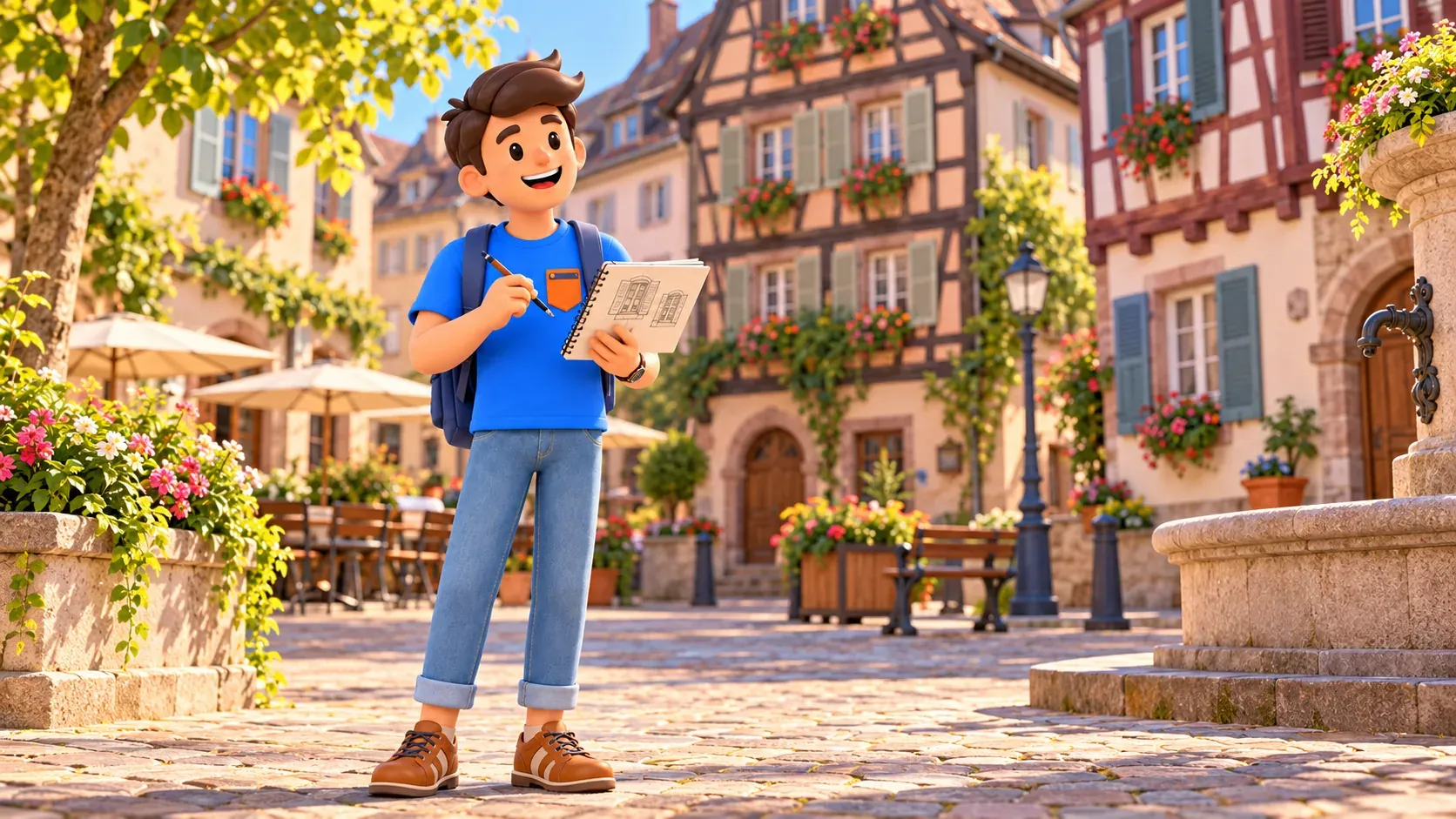
After lunch, head through Place Gutenberg towards Saint-Thomas Church and Petite France. The changes between squares, narrow streets and bridges make the journey part of the visit. One useful detail of the district's working history is the use of open roof spaces for drying processed hides.
Near Place Benjamin Zix and the Maison des Tanneurs, allow time for water and reflections. Continue towards the Covered Bridges and Vauban Dam if you wish. Their proximity reveals different stages of urban defence, from medieval towers to later water control. Check access to the dam's terrace separately.
For a fuller sequence, use the one-day historic-centre itinerary. Its advantage within a longer stay is giving day one a clear conclusion. You can enjoy dinner instead of transferring another district into the evening.
Day two: Neustadt and one chosen theme
Start at Place de la République. The Palais du Rhin and National and University Library introduce a different scale: open spaces, substantial public buildings and long perspectives. Neustadt developed during the city's expansion under German rule, with architecture expressing administration, education and scholarship.
Follow Avenue de la Liberté towards the Palais Universitaire, optionally making a short detour towards Saint-Paul Church. Pay attention to the spaces between buildings as well as the façades. This outdoor introduction does not depend on entering working institutions.
Add one interest: illustration at the Tomi Ungerer Museum, a selected Art Nouveau group, or the university garden when access suits. The museum near Place de la République fits more naturally at the beginning; the botanical garden belongs after the university section rather than before it.
If you plan modern art on the third day, you can leave out another museum today. Keep time for buildings, lunch and a rest. Variety is not measured by the number of admission tickets, and consecutive museum days demand more concentration than a list suggests.
The two-day old town and Neustadt itinerary develops this part further. Here, the purpose of day two is to show how much broader Strasbourg is than its familiar image of timber-framed houses beside a canal.
Day three: discover the European district
Choose the European district for a different architectural era. You could begin near the Louise Weiss building, the Strasbourg home of the European Parliament. Its glass architecture and cylindrical tower with an open upper outline contrast with Neustadt's historic styles. Notice transparency, large surfaces and the relationship to water.
Continue towards the Human Rights Building and Palais de l'Europe using the pedestrian connections available on your visit day. This is a separate area northeast of the centre, so decide how to get there and return. Do not attach it to the end of an old-town walk as though it were another tiny neighbouring lane.
The names are easy to confuse. The European Parliament is an institution of the European Union. The Council of Europe, based at the Palais de l'Europe, is a different international organisation; the European Court of Human Rights belongs to its system. That brief distinction makes the buildings more understandable.
An exterior walk can remain the basis of the day. If you want to enter an institution, establish the current visitor format, calendar, booking requirements and entry conditions first. Give it its own slot and shorten the outdoor programme. A building name on a map does not imply an entrance you can simply walk through.
A few expressive buildings are more rewarding than a circuit of every organisation. Near the water, compare glass volumes, more solid architecture and the space along the banks. After the detail of the old town, this approach provides a different kind of observation.
Orangerie: give the park a real part in the day
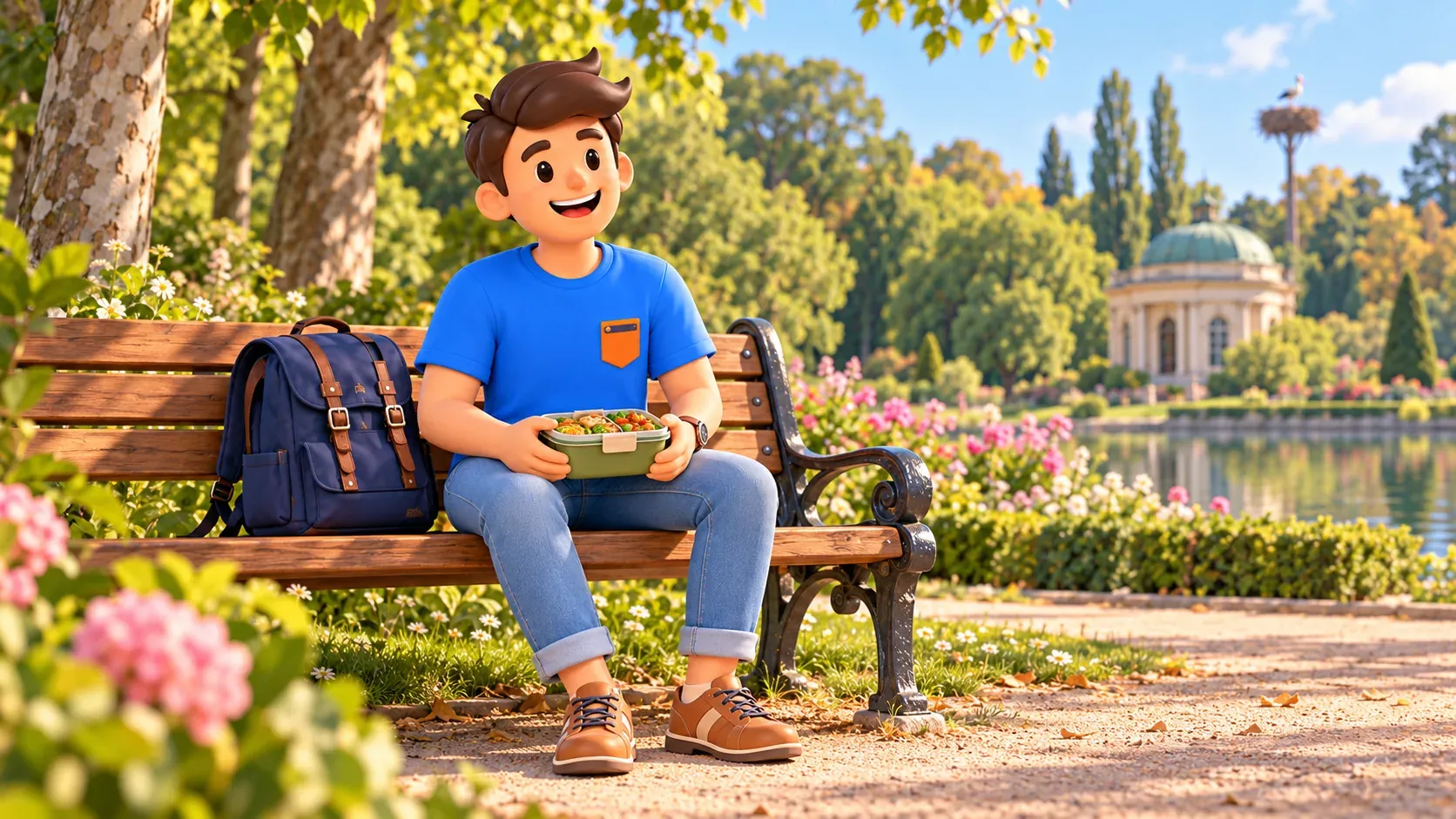
Continue to Orangerie Park, close to the European institutions, for lunch and a slower second part of the day. There is no need to follow the entire perimeter. Choose some avenues, a stretch by the water and somewhere you would actually enjoy lingering.
Regular garden lines coexist with looser landscape design, revealing different traditions of urban strolling. The Joséphine pavilion recalls the history of the orange trees behind the park's name. A brief exterior introduction is enough; do not assume its interior will be open.
With children, leave space for a walk that is not entirely about buildings. Birdwatching may be a pleasant addition, but an encounter with a particular animal cannot be guaranteed. Avoid making the whole family programme depend on one hoped-for moment.
After the park, another long route is optional. Returning to your accommodation, having dinner and finishing calmly are legitimate parts of the third day, particularly before an early departure the next morning. Leave some energy for the journey home too.
The alternative: modern art and the banks of the Ill
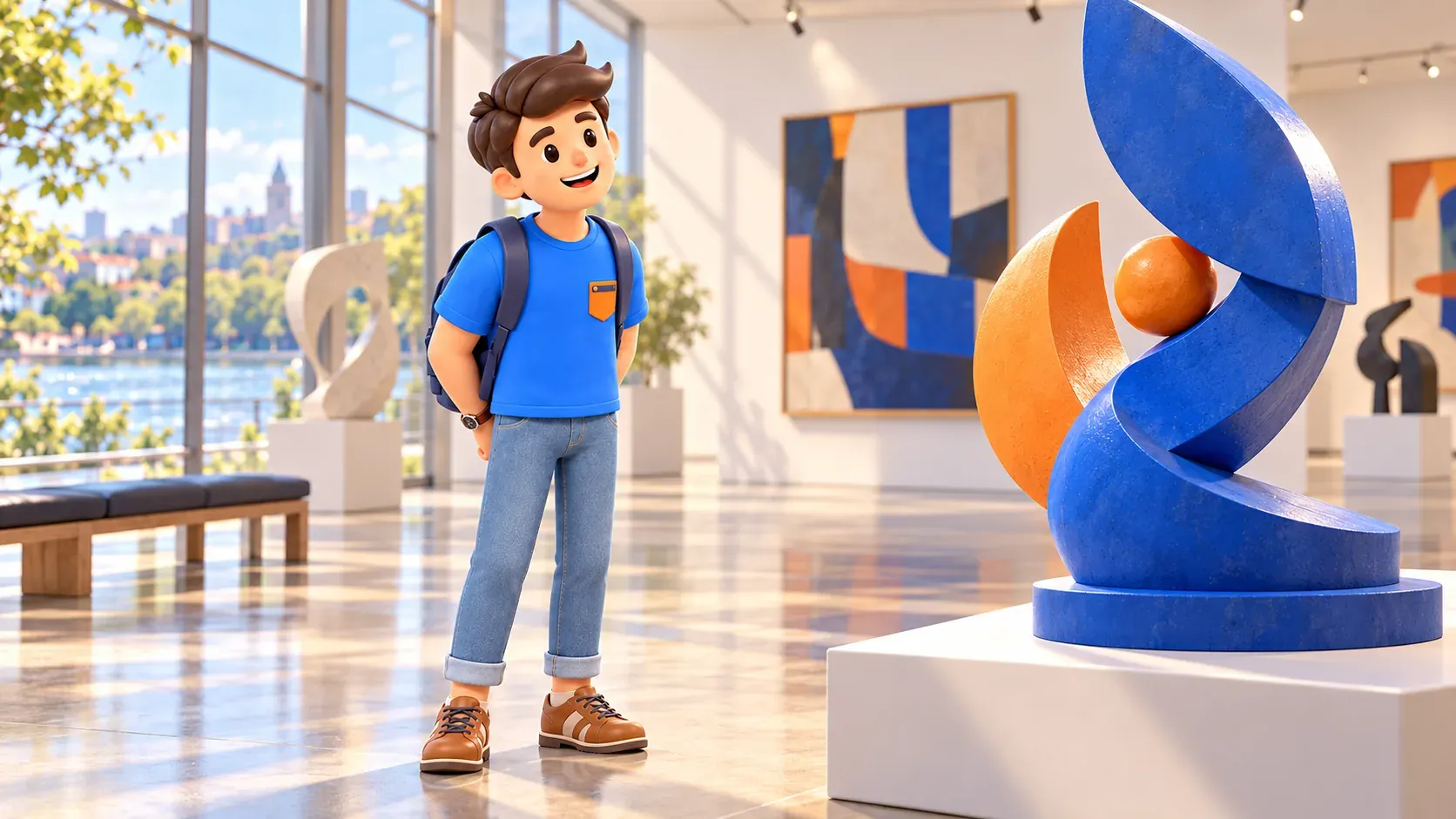
If art appeals more, or the weather favours a substantial indoor visit, replace the European district with the Museum of Modern and Contemporary Art. This is a different programme southwest of the historic centre, not a continuation after Orangerie.
The museum stands beside the Ill near Vauban Dam. Its collections cover art from 1870 onwards, and the light-filled building adds an architectural theme. Choose one thread for the visit: changing images of the city, new sculptural forms, or the move from observation towards abstraction.
Do not make every named artwork a compulsory stop in advance, since displays change. Reserve attention for a few pieces that interest you when you arrive. The museum's usual closing day is Monday; check its current calendar and visiting arrangements before the trip.
Afterwards, take a short riverside walk or return to a familiar view near the Covered Bridges. Seeing one place again after a different artistic experience may offer more than another long list. In poor weather, lunch and a short connection to transport can be enough.
Make the three days work as one trip
First place the visit with the most limited calendar, then distribute the neighbourhoods around it. The days can move: the European district does not have to occupy the third calendar day. If your museum is unavailable on the chosen date, change the order rather than combining two distant programmes.
Count the time you actually have at arrival and departure. Three nights and three full days are different things. With only a short final morning, stay closer to the centre and put the substantial day beyond the historic core in the middle of your stay.
RoadMe helps turn these choices into a convenient personal itinerary based on your interests, dates and pace. Planning the whole trip in the app is more efficient: important visits, walks and time to rest become one clear programme.
The third day does not have to become an excursion outside Strasbourg. The city itself has enough contrasting periods and ways to spend time to give the stay a fresh dimension. Select one additional side of it, whether contemporary architecture, a park or art, and give that choice proper attention.


