
Second Time in Seoul: Where to Go Beyond the Main Sights
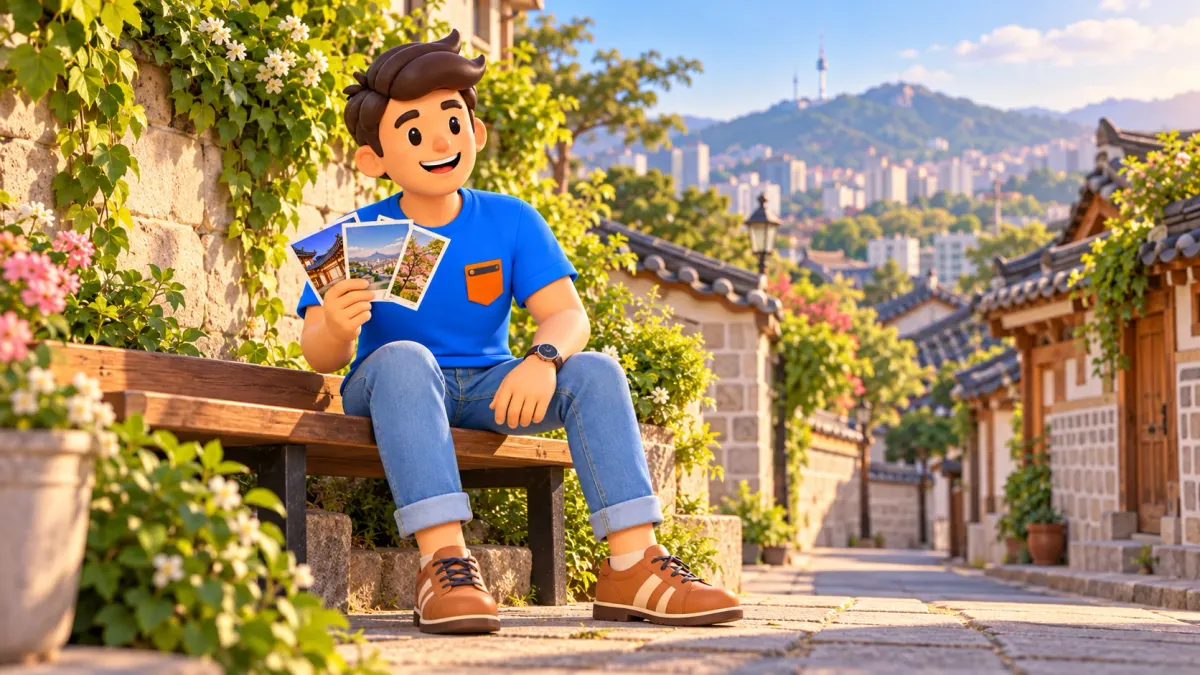
For a second visit to Seoul, choose a few places with different characters: Seongbuk-dong for houses and cultural memory, Eunpyeong for contemporary hanok architecture below the mountains, Seonyudo for planted landscapes and water, and Oil Tank Culture Park for industrial reuse. They offer fresh themes even when the palaces, Namsan and major shopping districts already feel familiar.
Here are four independent half-day directions and a way to combine selected ones over three days. Treat them as choices based on interest. Each outing works best around one main experience, with time for travel, lunch and an unhurried return.
Start with what you wanted more of
Remember favourite moments rather than the number of places completed. Perhaps a small courtyard, a museum room, time beside water or an unusual combination of concrete and glass stayed with you. That interest is a better guide than a generic list of supposedly secret Seoul attractions.
A return trip is much easier to work through with RoadMe: the app develops a personal itinerary around your interests, dates and pace. Choose what you want to understand about Seoul now, and let that shape a more useful sequence of walks and visits.
| Interest | Direction | Main decision |
|---|---|---|
| Houses and cultural memory | Seongbuk-dong | One open house and a walk |
| Hanok and a mountain backdrop | Eunpyeong and Jingwansa | Architecture, museum or temple |
| Water and landscape | Seonyudo | A garden walk with pauses |
| Architecture of reuse | Oil Tank Culture Park | Site and available programme |
Popularity does not disqualify a place from a return visit. Looking again with a different question can be rewarding. Depth of interest and a comfortable rhythm matter more than how far you travel from the established visitor centre.
Seongbuk-dong: understand the city through houses
Choose Seongbuk-dong for cultural memory, traditional domestic spaces and hillside streets. Build a half-day around Choi Sunu House, then select a modest continuation. Confirm the house calendar first: a small cultural institution does not operate like a permanently accessible street.
Choi Sunu was an art historian and director of the National Museum of Korea. His house brings the scale of a cultural visit down from a major collection to a courtyard, materials and the relationship between rooms and a small garden. You do not need an exhaustive inventory of objects to appreciate that shift.
Gilsangsa offers another possible focus. Do not automatically attach it to every house: gradients, approaches and the return journey affect the effort involved. Choose a coherent sequence along actual streets. The temple remains a religious place, where quiet and respect matter more than entering every room.
Allow a half-day for movement within the district, one principal visit and a break. If you want more, spend the extra time here. Travelling to another northern neighbourhood after a complete Seongbuk-dong circuit can turn a thoughtful walk into a tiring collection of addresses.
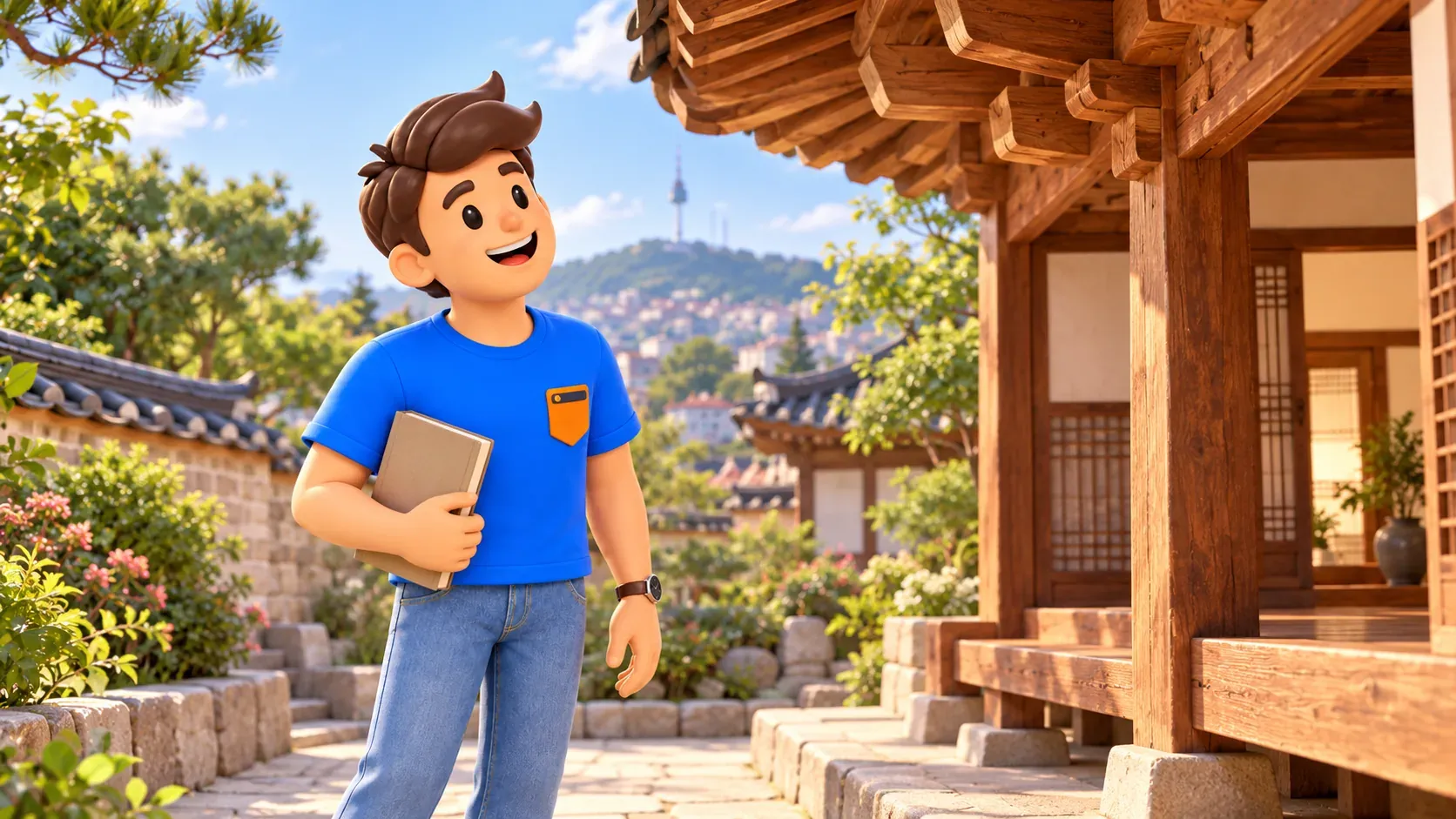
Eunpyeong: contemporary hanok below the mountains
Choose Eunpyeong with the right expectation: this is a contemporary residential development using traditional architectural forms. Understanding that makes the visit more interesting. Look at how familiar rooflines, timber and courtyards work within today's city, rather than expecting an untouched Joseon village.
Give the outing a half-day for local approaches and rest, adding the journey from your accommodation separately. Eunpyeong History Hanok Museum is a useful option if you want context for the buildings. The accessibility of the streets says nothing about whether the museum is open.
For a more contemplative continuation, choose Jingwansa. The temple has a mountain setting near Bukhansan, but visiting its grounds does not amount to a full mountain hike. A summit requires its own time, preparation and suitable conditions; it should never be an automatic addition.
A residential courtyard does not become public because its gate is attractive. Photograph from permitted positions, keep away from windows and leave entrances clear. A café can provide a break, but buying a drink does not create access to neighbouring homes.
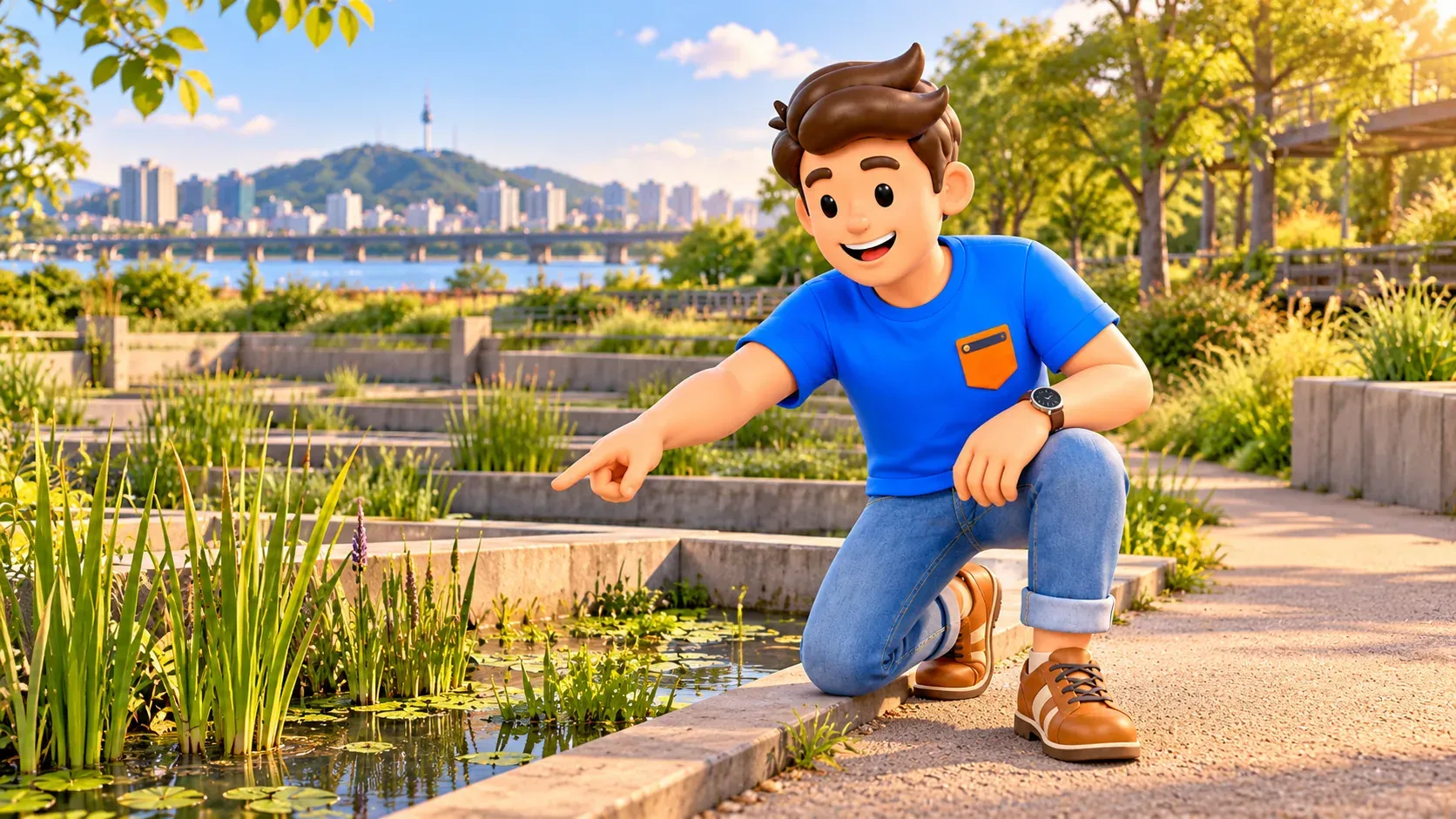
Seonyudo: notice the former water-treatment landscape
Seonyudo offers another way of reading Seoul. Former water-treatment infrastructure became part of a park landscape, retaining evidence of a technical past. That transformation gives the walk a subject beyond simply finding another green space beside the Hangang.
Allow roughly two hours for a chosen portion of the park, pauses and an approach. This is a planning estimate, not a measured journey. Notice the relationships between concrete, plants and water. Completing every path is unnecessary to understand the idea.
If the approach via Seonyugyo suits your journey, include the bridge and plan the return separately. Actual entrances matter more than a straight line towards the island on a map. Weather changes the experience too: exposed riverside areas may feel windier than sheltered city courtyards.
Seonyudo works particularly well between two concentrated cultural days. Sitting on a bench and looking at the landscape already counts as doing something. Leave yourself permission to rest without immediately finding another museum to justify the afternoon.
Oil Tank Culture Park: a different urban scale
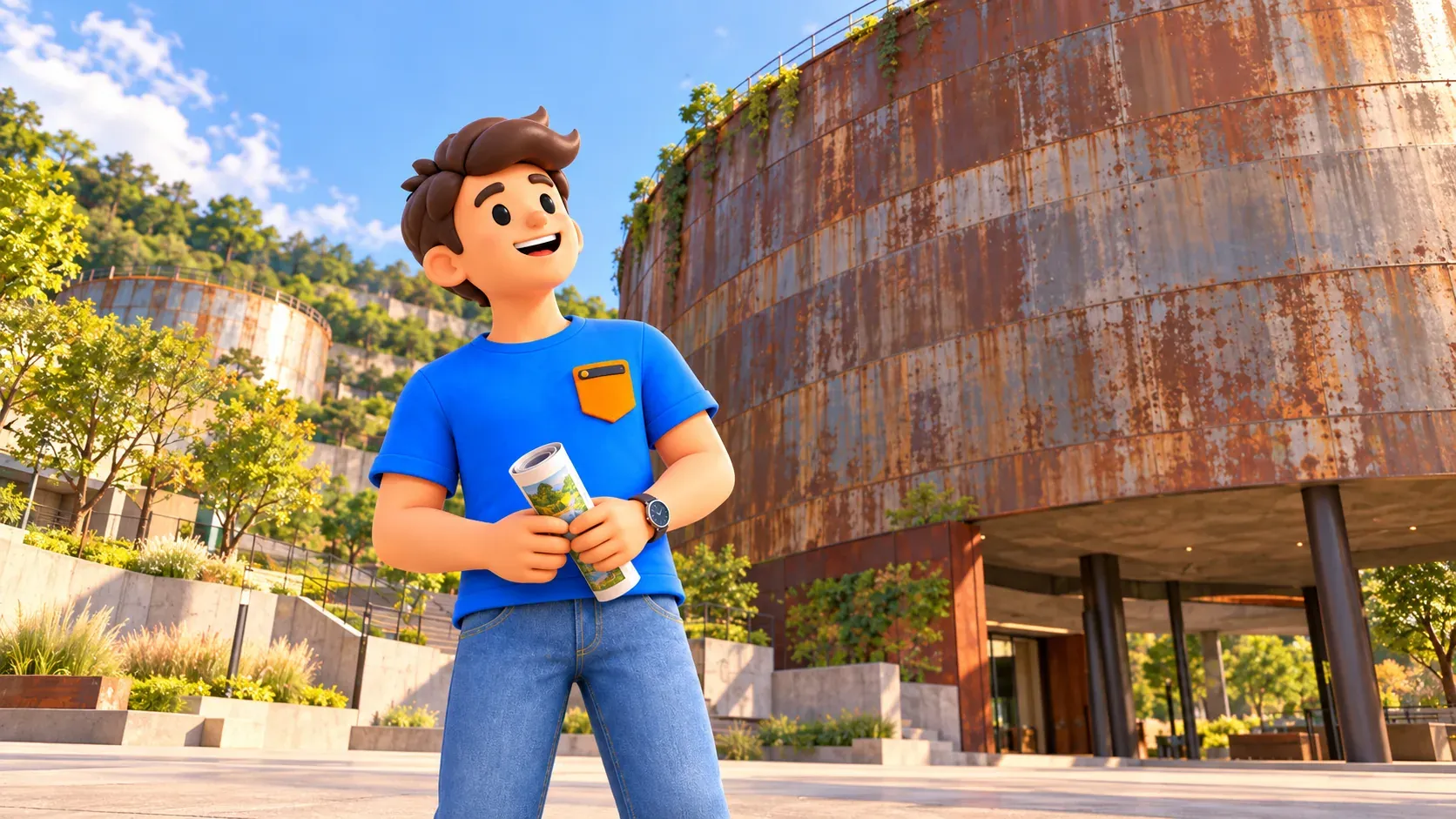
For architecture and the reuse of buildings, choose the former oil depot near World Cup Stadium. Retained tanks and new cultural spaces show how an industrial site acquired a public role. The physical scale is part of the experience.
The useful question is how the place changed function, rather than how many halls you can enter. Look at cylindrical forms, steel, retaining walls and the relationship with surrounding greenery. A short, attentive visit can be more rewarding than rushing to inspect every doorway.
Check the programme for your date. An exhibition, performance or workshop needs its own time and may have separate participation conditions. Open grounds do not guarantee access to every tank. Individual spaces can depend on particular events.
Allow roughly two to three hours for the site and one selected activity, extending the block to match the programme. Seonyudo and the oil tanks are both in western Seoul, but they are separate destinations. They should not be described as adjacent stops on one short walking loop.
If art has become your main interest
Instead of another broad museum survey, consider a half-day in Buam-dong around Whanki Museum. Read the available exhibition description before deciding. A familiar artist's name does not guarantee a particular selection of works on the day you visit.
Seoul Museum and Seokpajeong provide another choice in this district, with their own access arrangements. Two museums and a garden need not become a compulsory package. One substantial visit, lunch and a modest walk often fit a return trip better.
Do not turn Buam-dong and Seongbuk-dong into one neighbourhood simply because both lie north of the centre. Selected institutions require separate journeys between them. If art is the priority, substitute this outing for one proposed day and preserve the relaxed framework.
A flexible three-day return visit
Day one: Seongbuk-dong with an open house or a temple focus. After lunch, leave room to return to a familiar part of central Seoul. A new theme and an old favourite can share a day without another substantial cross-city journey.
Day two: Eunpyeong with a choice between museum context and Jingwansa. To include both, allow the district more time and reduce evening plans. Avoid a compulsory timed entry on the opposite side of the city after an extended northern outing.
Day three: Seonyudo for landscape, or Oil Tank Culture Park for architecture and an event. Combine both only after calculating the transfer, lunch and actual programme. One destination is enough by default, especially before departure.
Turning these ideas into a personal trip is more convenient with RoadMe: the app develops the plan around your interests and pace. Try setting priorities such as art, architecture, history or walking to make better use of each day.
Let calendars and travel shape the plan
Begin with the visit that gives you a reason to travel. Confirm its date, access and last admission, then organise the surrounding walk. If the principal house is closed, nearby streets may remain pleasant, but the experience and expectations have changed.
The time blocks above are editorial estimates. Add the journey from your accommodation, waiting for transport and returning afterwards. On hills, the distance between pins understates effort. With children or mobility requirements, check the actual entrances and paths you intend to use.
In heavy rain, choose a specific open museum and shorten outdoor walking. An industrial cultural park should not be treated as an entirely indoor alternative. Moving an outing to another day often works better than preserving the original order at any cost.
Keep room for the Seoul you already know
A second trip does not require excluding everything familiar. A favourite palace, street or view can become an anchor between new directions. Returning helps reveal details that disappeared behind the first visit's broader task of getting acquainted with the city.
If a companion is visiting for the first time, agree on a few shared major visits, then add one new direction. The three-day plan with a palace, art and the Hangang provides a useful foundation. Avoid trying to execute two complete programmes simultaneously.
For a longer stay, compare the five-day framework and replace familiar blocks with your chosen districts. A satisfying return gives Seoul more attention: fewer decisions made in a hurry, and more time beside whatever has caught your interest.
Before leaving, save the Korean names of the places you actually intend to visit and identify their visitor entrances. Large sites may have several approaches, while a small house can be easy to pass. A short preparation session reduces practical decisions during the walk.
You can also keep a simple record of what you want to return for next time: an exhibition subject, a particular kind of building or a landscape in another season. The most useful outcome is a clearer sense of your own Seoul interests, rather than a longer completed list.


