
London for a Second Visit: Three Neighbourhood Walks

For a second visit to London, choose a neighbourhood around something you already know you enjoy. King’s Cross offers a compact two-hour introduction to railway façades, a canal and reused warehouses. Canary Wharf suits three hours of dock history and modern architecture. Hampstead needs about four and a half hours for village streets, Keats House and a walk across the southern Heath.
These are three separate outings, not successive stages of one route. Travel from your accommodation and the journey after each finish are additional. Pick one for a free morning or afternoon, then leave room for a meal or a return to a favourite place. You do not need to avoid central London simply because you have seen its best-known landmarks.
Choose the experience before choosing the district
Think back to your first trip. Was the best moment looking at buildings, understanding an unfamiliar story, or sitting somewhere green? That answer is more useful than a long list of places described as hidden. The three choices below give each interest a manageable setting, with a clear finish and enough time to notice details beyond the first photograph.
Try RoadMe to develop a personal plan for your whole return trip around your interests, dates, budget and preferred pace. In the app, it is much more convenient to work through neighbourhood outings, major visits, journeys and breaks as one coherent programme.
Use King’s Cross if you want the shortest commitment and enjoy changing architecture. Choose Canary Wharf if a museum helps you understand the landscape outside. Choose Hampstead if you want a house visit followed by a longer green walk and are comfortable with slopes. The durations are planning estimates with pauses, rather than recorded walking times or promises about queues.
King’s Cross: a different London within two hours
Begin outside St Pancras on Euston Road, allowing time to look at its railway-hotel frontage before crossing by public streets towards King’s Cross Square. The neighbouring stations give you an immediate comparison of architectural characters. This outing uses their exteriors; a station tour, an exhibition or waiting for a photograph at Platform 9¾ would need separate time.
Continue north through the public connection towards King’s Boulevard and cross the canal towards Granary Square. You move from a busy transport frontage to waterside space without turning the walk into an expedition along the entire Regent’s Canal. Follow available public crossings and paths. There is no need to descend every stairway to the towpath to understand the area.
Finish around Coal Drops Yard. Its two nineteenth-century coal warehouses have acquired new uses beneath curved roofs joined by Heatherwick Studio. Look at the relationship between old brick, open yards and the newer upper structure. The interest lies in how working buildings can remain legible after their purpose changes, rather than in checking off every shop or purchasing something.
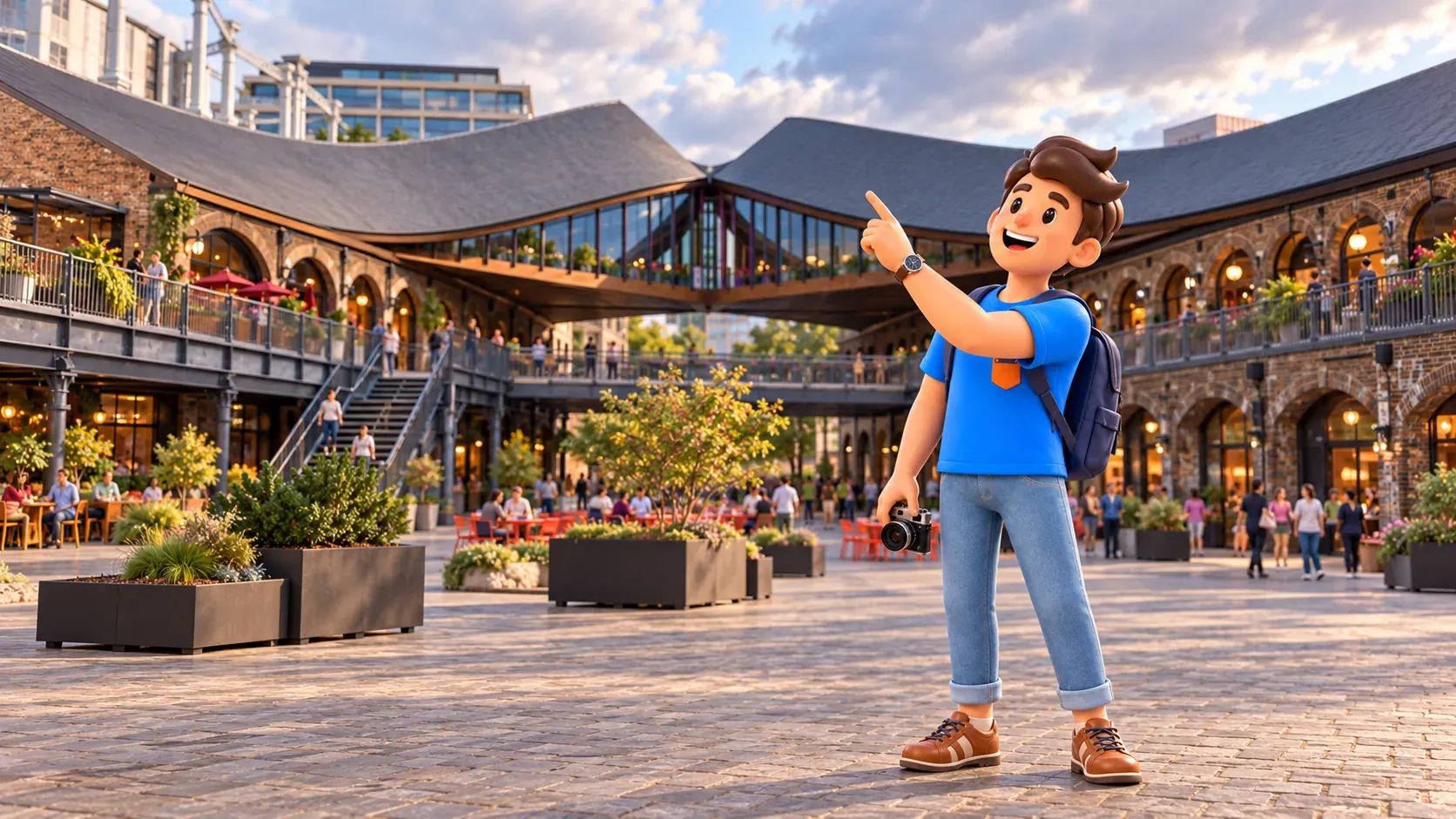
Our two-hour King’s Cross walk gives the compact version a fuller shape: roughly twenty-five minutes for the station surroundings, twenty-five for the connection and canal, thirty around Granary Square and forty at Coal Drops Yard, including a pause. These are flexible allowances. An absorbed conversation, busy crossing or longer café order can change the balance.
For shops, late morning is a more useful starting point than an early dawn visit. Coal Drops Yard lists general shopping hours of eleven to seven Monday to Saturday and eleven to five on Sunday, with individual businesses varying. Public outdoor access and shop opening are different matters. Check a particular business if it is the reason you are coming.
The two hours end at Coal Drops Yard. Allow another twenty to thirty minutes if you want the Gasholder area, and separate time to return to a station; the compact guide allows around twenty to thirty minutes for that return. A train operator’s arrival requirement is additional. Choosing this neighbourhood before a departure works only when those margins remain intact.
Canary Wharf: let the warehouse explain the skyline
Choose this district when you want a story beneath the modern view. Start at West India Quay DLR, look along the dock and make London Museum Docklands your main visit. The brick warehouse gives the water a different meaning from the glass buildings beyond it. You are looking at an enclosed dock landscape, rather than a promenade on the open Thames.
No. 1 Warehouse is part of the surviving fabric of the West India Docks, which opened in 1802. Goods including sugar, rum and tea passed through these warehouses. That history also involves plantation labour and enslaved people. The museum’s London, Sugar & Slavery gallery brings human lives and consequences into a setting that might otherwise look like a picturesque trading backdrop.
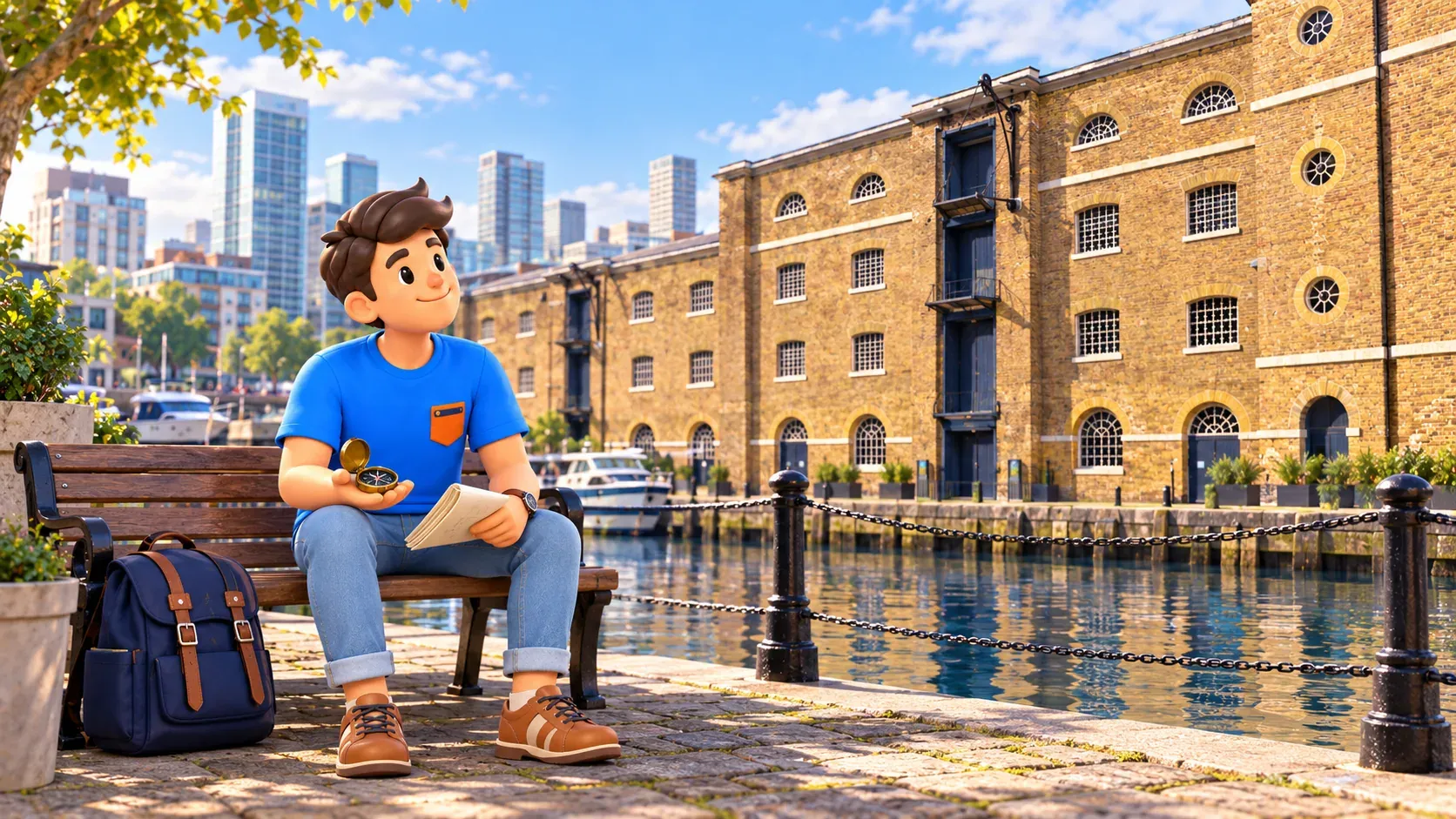
General museum galleries are free and do not require advance booking. Ordinary opening is ten to five, with visitors asked to allow at least an hour; gallery clearing begins twenty minutes before closing. Plan a selected sixty-minute visit earlier in the day rather than arriving near closing and expecting the same experience. Special exhibitions or activities may have separate conditions.
Our three-hour Canary Wharf outing continues on public quayside connections towards Crossrail Place, then through the modern district towards Canada Square and a finish at the Canary Wharf Jubilee line entrance. A garden visit at Crossrail Place is a welcome possibility when access permits. Check its current arrangements; the entire three hours do not depend on a promised opening or flowering display.
That allowance includes a selected hour in the museum, outdoor looking, connections, a short coffee break and some reserve. If garden access is unavailable, keep more time for the museum or pause by an accessible public space. The different Canary Wharf rail stations have different entrances. Check the one you need before leaving, rather than treating every station name as the same doorway.
Hampstead: a house, village streets and the Heath
Choose Hampstead when walking and literature matter more than shopping or an urban skyline at close range. Begin at Hampstead Underground station, then explore the High Street, Flask Walk and the streets around Burgh House and Well Walk. Treat Burgh House as an exterior in this outline. The village portion does not assume another museum admission is hidden inside the available time.
Continue towards Keats Grove for the paid visit to Keats House. John Keats lived here from 1818 to 1820, when the building was still divided into two homes; the halves were later joined. The setting gives his short period in Hampstead a domestic scale. It is a place to think about rooms, companionship and writing, without needing to turn the visit into a lesson on every poem.
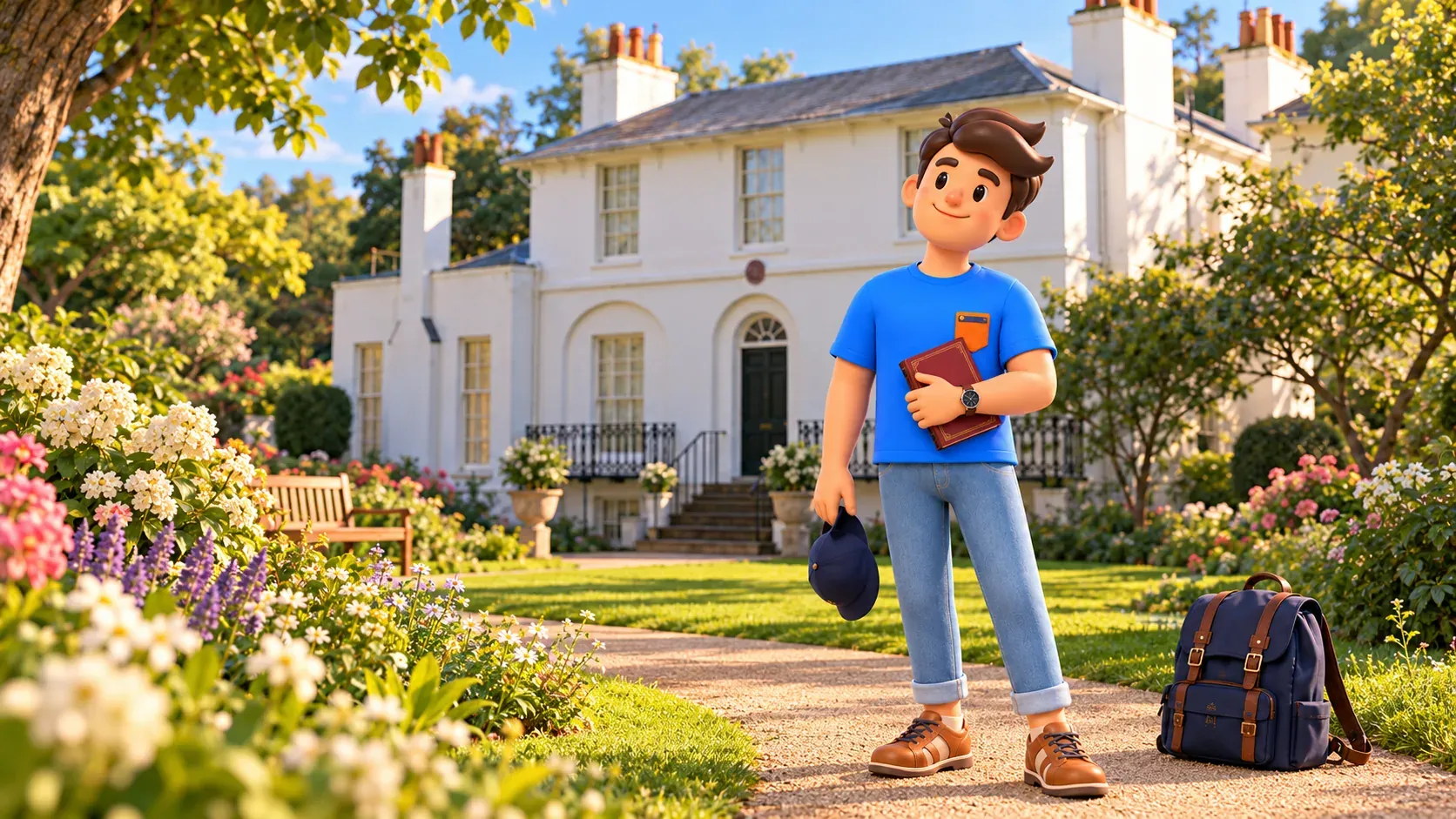
At the time of checking, regular opening is Wednesday, Thursday, Friday and Sunday, eleven to one and two to five, with a midday break. Ordinary visits do not need advance booking, and payment is by card. Plan an eleven-to-twelve house visit for this version and check the date before travelling. The garden is free during its access periods; that does not make the house free.
After lunch near South End Green, enter the southern part of Hampstead Heath and continue towards Parliament Hill for a view, then descend towards a finish at Gospel Oak. The Hampstead half-day plan allows around four and a half hours overall. Its seventy-five-minute Heath portion includes the approach, looking and descent; it does not cover the whole Heath or a separate Kenwood visit.
Slopes, uneven ground and muddy paths make this a different physical choice from the other two districts. At Keats House, most ground-floor rooms are accessible, while upper and basement levels involve stairs. Check the arrangements you need. In poor weather, shorten the outdoor portion or select another outing before setting off, rather than assuming the hill remains a comfortable obligation.
Keep the lunch and reserve time even if the first streets take less time than expected. A house visit can invite a longer look, and the Heath is more enjoyable when you can stop before the climb or descent. If you decide to omit the house, you have chosen a shorter outdoor version, not created room for another distant museum. Reconsider the day as a whole before adding anything that needs a separate journey.
Fit one choice into the trip you actually have
If you have only a short free afternoon, King’s Cross asks for the smallest block on site. If the forecast makes prolonged park walking unattractive, a museum-led Canary Wharf visit may suit you better, while still involving outdoor connections. Keep Hampstead for a compatible house-opening day with enough daylight and willingness to walk. None of these outings is a fully covered route.
For a longer second stay, place the districts on separate days and check the journey from where you are staying. A morning departure and an evening performance can make a supposed free day much smaller. Protect the time for transport, eating and resting first. Booked events elsewhere may be more important to the programme than adding one more neighbourhood to a list.
With RoadMe, it is easier to turn these choices into a complete personal London trip shaped around what you enjoyed before and what you want to discover now. Let the app work through the plan for your dates and pace, so new neighbourhoods and familiar favourites fit comfortably together.
A return visit also gives you permission to repeat something. You might prefer the same riverside view at a different hour, a collection you rushed through, or a longer lunch in a district you already like. Choose the new outing for a clear reason and let it end where planned. What matters is having time to enjoy that reason once you arrive.


