
Schaal chocolate museum: a half-day from Strasbourg
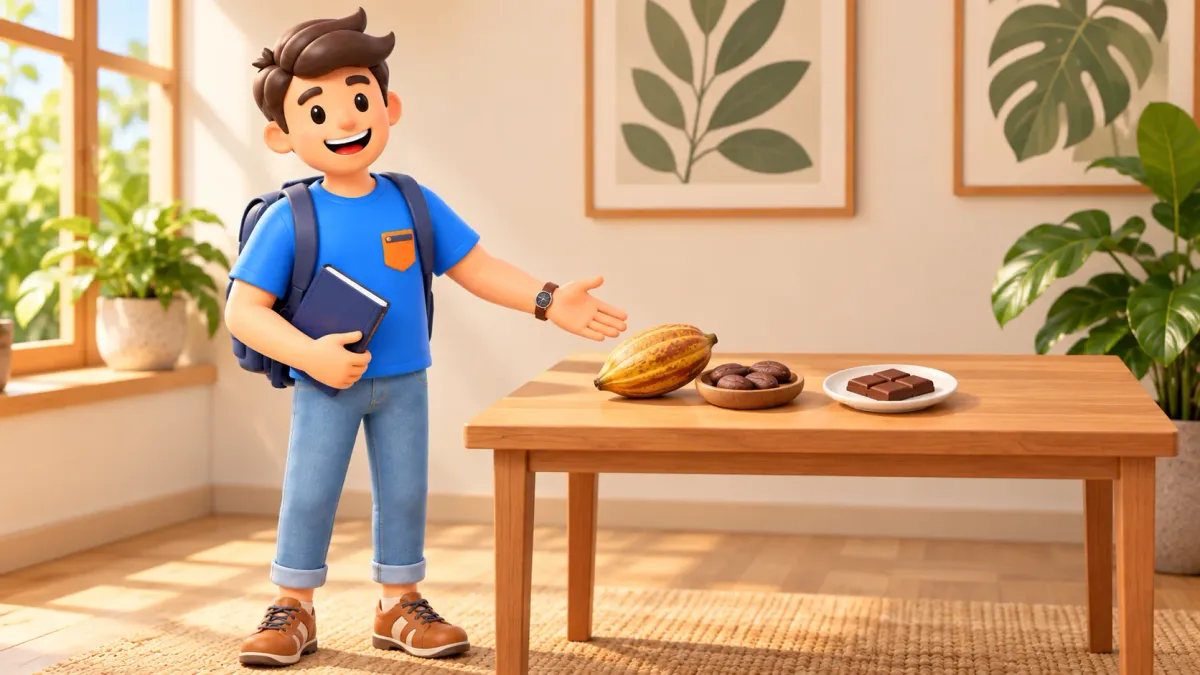
Schaal’s chocolate museum in Geispolsheim makes a relaxed half-day outing from Strasbourg. A familiar sweet becomes a way to explore cocoa’s origins, chocolate-making skills and local industrial history. The museum and a modest pause are enough for a meaningful visit; a workshop or sweet buffet remains a separate choice.
Decide before travelling whether you want the museum, an added practical activity or a food package. Les Secrets du Chocolat par Schaal is one visitor complex with different offers, rather than several compulsory attractions. An ordinary visit does not establish unrestricted access to the working factory’s production rooms.
Choose one main experience for the half-day
For the story of the product, start with ordinary museum admission. For making something yourself, examine the separate workshop combination. For a leisurely food pause, check restaurant or package conditions. These formats answer different wishes without requiring you to purchase all the others.
RoadMe makes it much easier to create a personal route or whole trip around your interests, dates, pace and budget. Try the app to fit a food-culture museum into a Strasbourg stay with time for other discoveries and restful pauses.
Provisionally allow around one and a half to two and a half hours on site, depending on the selected format. This is an editorial estimate for the museum with a pause or one extra activity. Travel, the approach, waiting and the return are additional parts of the half-day.
There is no need to justify the journey by accumulating activities. One clear experience leaves more time to understand it. Browse the shop if you wish, but gifts and a large bag of purchases are not conditions of a worthwhile outing.
Connect Petite France with suburban industry
Schaal’s history began in 1871, when François Schaal established his business in Strasbourg’s Petite France beside the Ill. The company also supplied fellow chocolatiers. Behind a small shop’s finished presentation could stand the work of a specialised manufacturer.
The Burrus family acquired the business in 1967. New buildings outside the historic centre followed in 1970, allowing production to grow. That movement helps explain how a city craft story became part of suburban industrial history.
The museum connects families, ingredients and ways of working. It can therefore interest you without a particular chocolate purchase in mind. Consider the knowledge and relationships needed for a small piece to reach a display: growing, transformation, organisation and the presentation of a finished product.
Historical geography matters more than a nostalgic picture. Beginnings in the old city and development outside it belong to one business biography. An account of the factory does not mean ordinary visitors can walk among its production machines.
Give the ordinary museum visit a simple focus
The operator describes the ordinary museum as taking about an hour. An editorial allowance of 45–75 minutes leaves room for individual attention and differing package descriptions. It is not a promise that every selected programme can be completed within the same period.
One useful theme is the distance between ingredient and familiar sweet. Cocoa has a tropical origin; chocolate depends on transformation and skill. You need not memorise every technical term to understand that flavour is not created in one instant or by attractive packaging alone.
The museum uses educational and sensory interpretation, including video. The official ticket page confirms English and German translations of texts and videos. That does not establish a personal guided service in every language; choose according to how you prefer to receive explanations.
Ordinary ticket information mentions tasting. This is distinct from an unlimited sweet buffet, a fixed number of samples or any product from the shop. When a specific element matters to the trip, confirm it in the actual chosen product instead of borrowing another package’s conditions.
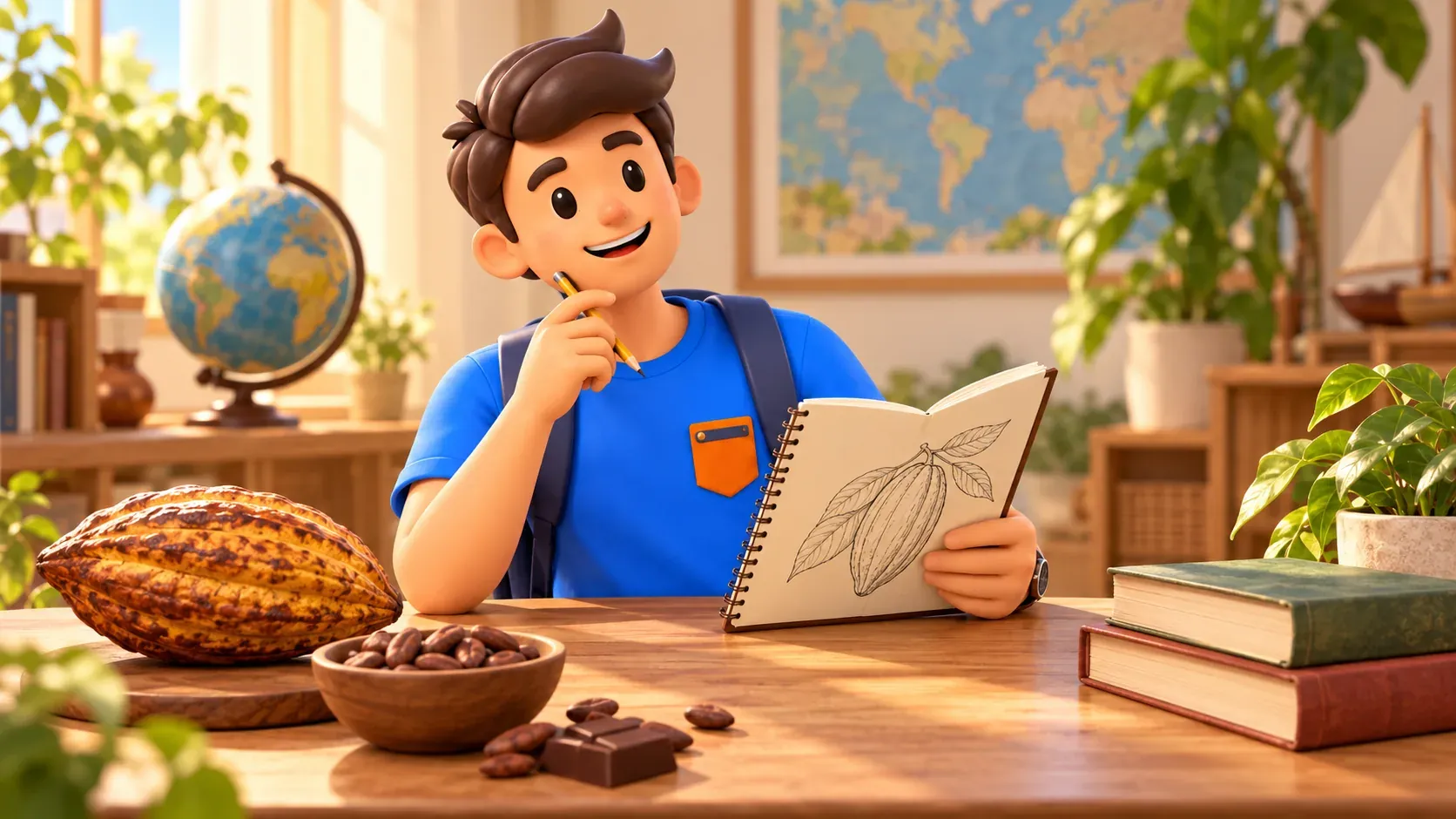
Compare ingredient and finished object without trying to master a profession immediately. A cocoa pod, a representation of raw material and a small chocolate form belong to different parts of the account. The illustrations here are conceptual editorial scenes, rather than exact exhibit arrangements or navigation diagrams.
Finish an interesting explanation before moving on. There is no obligation to watch a video, photograph and discuss everything at once. A single understood transition can be more rewarding than rushing every screen. A question or quick sketch is enough to preserve a personal memory.
Treat the workshop as a separate, age-specific choice
A workshop requires the appropriate product and an actually available session. It offers a different experience: doing the proposed activity at a visitor table rather than only viewing explanations. Themes change with season and programme, so an old photograph does not promise today’s creation.
Workshops have a strict minimum age of seven. The operator explicitly states that an adult cannot bring a younger child into the workshop as an accompanying participant, and ages are checked. Consider that condition before choosing a ticket rather than expecting an exception on arrival.
The ordinary museum uses different wording: its content is aimed at children over seven and may disappoint younger visitors. That content advisory should not automatically become an unverified blanket ban on every child below that age entering the museum.
The workshop itself is described as around 25 minutes in addition to the museum. Provisionally allow about an hour and a half for the combination, subject to the real session. Published total-duration descriptions differ, so avoid arranging the entire outing around an artificially precise sum.
Allowing 15–20 minutes for arrival and orientation before a selected time is an editorial planning margin, rather than an operator’s stated compulsory early-arrival rule. Actual session language and remaining places require separate confirmation.
Read the conditions of your own food package
The restaurant, museum tasting and museum-plus-buffet package are distinct choices. A table and food do not become included simply because you enter the museum. Choose the pause you want and check the contents before building the rest of the day around it.
As checked on 23 October 2026, the operator offered a separate Toussaint package valid from 18 October to 1 November 2026. It combined museum admission and a sweet buffet, excluding drinks. This is a dated offer rather than a permanent promise for the whole winter or next season.
Crucially, the booking time for that package belongs to the buffet. The museum can be visited before or afterwards within applicable conditions. Do not mistake the table time for the start of a compulsory guided tour or arrange to attend both parts simultaneously.
For a separate pause or optional shop browse, allow an editorial 20–45 minutes according to the format. A particular food package’s actual conditions take precedence. A modest dessert can complete the museum theme without a requirement to taste everything.

Check opening hours without assuming a holiday exception
General operator hours are Tuesday–Saturday 10:00–19:00 and Sunday 14:00–18:00. Mondays are normally closed, with exceptions for July, August and December. For a real visit, examine the relevant product calendar as well as the complex’s general page.
School-holiday wording does not establish that every October Monday opens for every activity. Different experiences can have their own sessions. No available places have been selected and no reservation made here; the actual date needs confirmation.
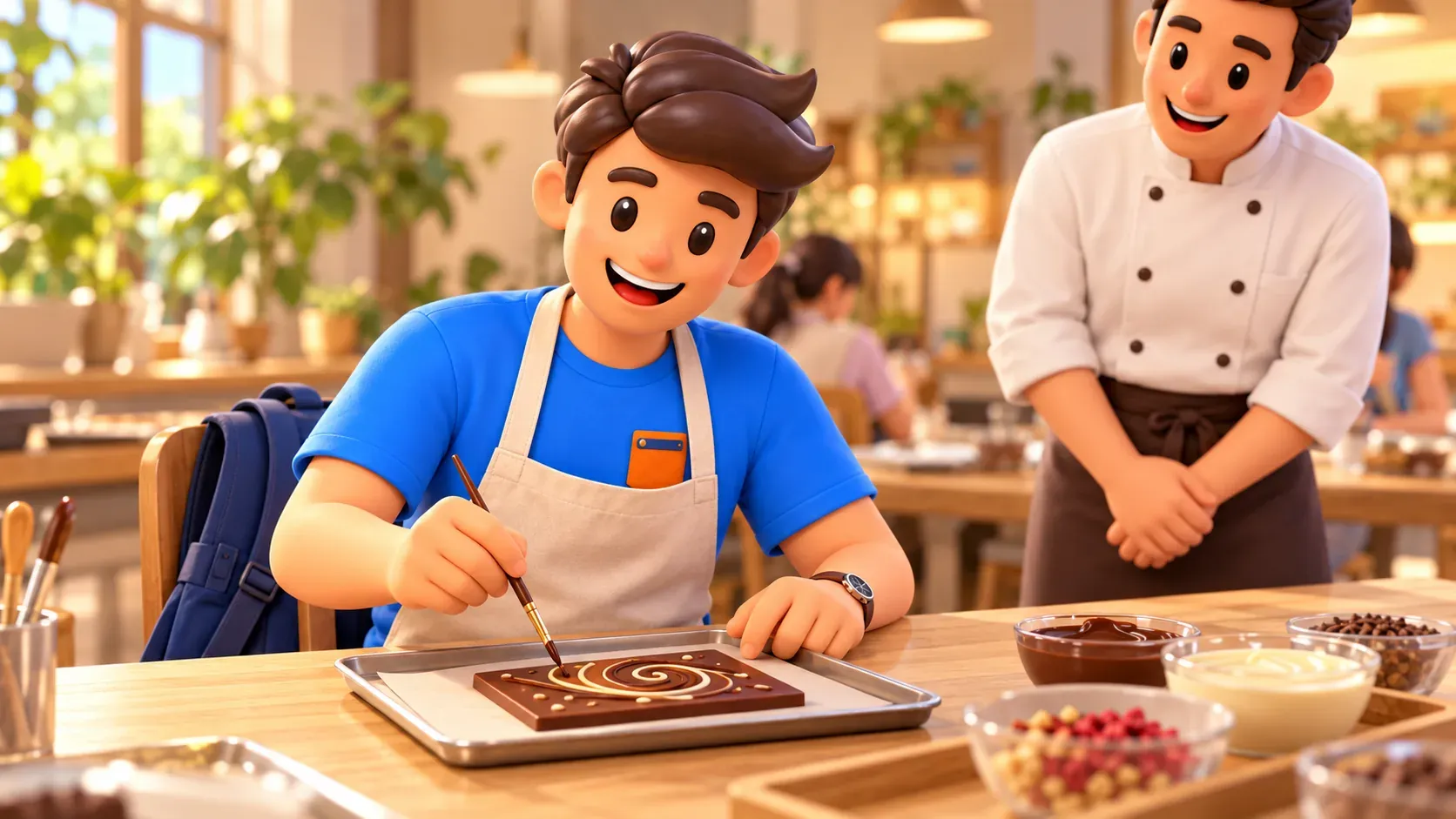
Apply the same care to workshop images. They suggest the nature of the activity without fixing one shape, seasonal theme or set of materials for every future ticket. The current programme takes precedence over an appealing old illustration.
RoadMe can work out a personal plan for your whole trip around your interests and available time. Planning in the app is much more convenient for balancing experiences and pauses so one substantial museum outing enriches the journey at a comfortable pace.
Get more from the visit without compulsory shopping
The shop can extend the theme through shapes, packaging and ingredient combinations that turn knowledge into a product. But the museum experience does not depend on buying. Simply articulate what surprised you about the story of something familiar.
If travelling with others, compare expectations beforehand. One person may prefer history, another practical work and another a seated pause. Choose a common main format, then add something only when time and conditions suit. That is simpler than treating every service as a compulsory part of one programme.
Keep one question for the exit: what do you notice differently about chocolate now? It might be ingredient geography, production organisation or presentation. That answer links the museum with everyday experience and preserves an impression without a souvenir.
A short exchange afterwards can bring out different interests without ranking tastes. One person remembers raw materials, another scale and another craft. Those differences explain why the same complex offers several independent visiting formats.
For another view of local industrial surroundings, choose our Schiltigheim old-centre walk on a separate day. Its streets and craft story do not become compulsory stops after Schaal. A single venue already contains enough material for an unhurried outing.
Protect the journey back
The complex is in Geispolsheim outside central Strasbourg. Establish the real journey from your address, the approach to the chosen entrance, waiting and the return. Specific services, fares, last departures and exact walking times have not been verified here.
The full journey has not been audited for steps, surfaces, lifts or sanitary facilities. If these affect your visit, ask about the relevant experience and approach. An indoor museum does not by itself confirm accessibility along every part of the trip.
Leave a margin after the final activity. If a workshop or pause takes longer, there is no need to compress the return journey for another shop stop. The half-day includes movement as well as time spent beyond the museum door.
For a different family day near Strasbourg, our Friedel animal-park plan is a separate outing, without a requirement to combine the two. At Schaal, choose one principal interest and give it room to unfold.


