
San Rocchetto from Quinzano: a short hill outing beyond old Verona
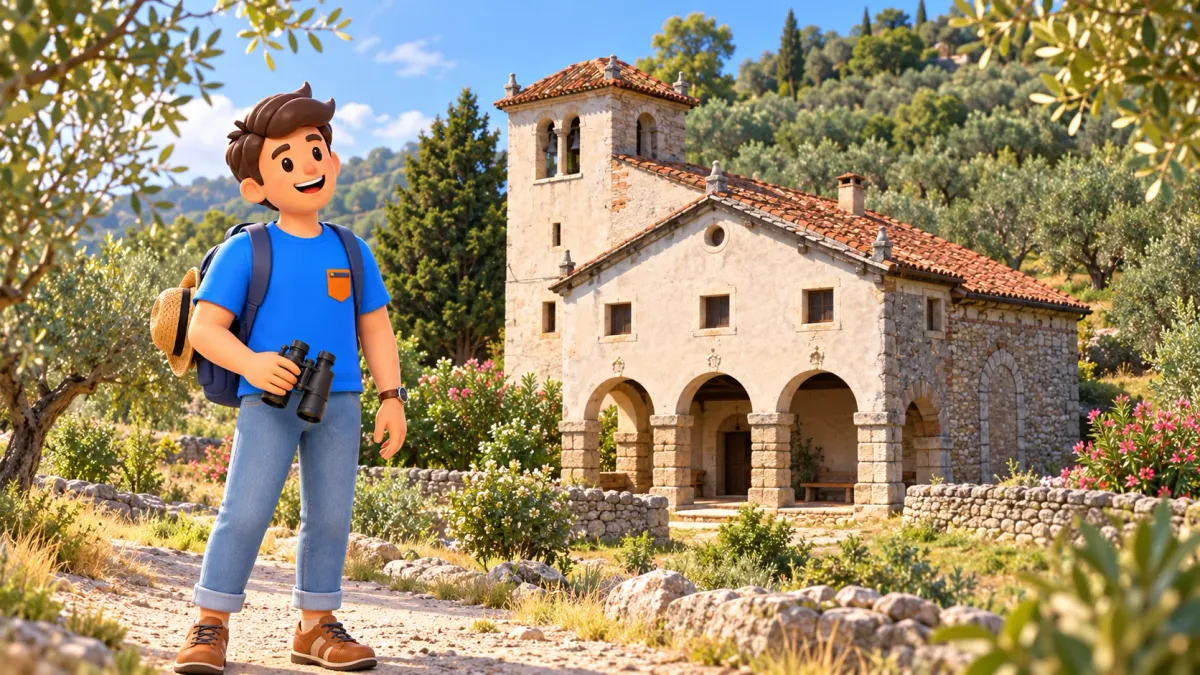
For a change of mood in Verona, head to Quinzano and walk uphill to San Rocchetto. The attraction is the gradual shift from neighbourhood streets to olive-covered slopes, with a small religious complex giving the walk a clear destination. You can enjoy a different side of the city without turning the day into a long countryside expedition.
The climb itself is short. Allowing two to two and a half hours means making room for the village, an unhurried stop near the hermitage and a break after coming back down. Add the journey from your accommodation separately. This is a good choice if you enjoy walking uphill, looking at modest historic buildings and leaving space around a single destination.
A simple plan for two to two and a half hours
Start at Piazza Angelo Righetti in Quinzano, follow the signed public approach to San Rocchetto, spend time with the exterior and the view, then return along the same approach. Keeping one outward route and one familiar return makes the outing easy to understand. A larger circuit through the hills or an extension towards Avesa would be a separate walk with different demands.
RoadMe makes it easier to turn this idea into a personal plan for your whole trip, matching your interests and pace. Let the app work a hill outing into the Verona days you actually want, from quiet scenery to art and neighbourhood walks.
As a planning estimate, allow 15–20 minutes in Quinzano, 40–45 minutes for the uphill and downhill walking together, 25–30 minutes near the hermitage, 25–30 minutes for a village break and 15–25 minutes of flexibility. That gives roughly 120–150 minutes on site. These are editorial allowances, rather than recorded hiking times; your pace and the condition of the approach matter more than a precise-looking total.
With a companion, agree that the upper stop is part of the pleasure. You are not spending two hours continuously climbing, and nobody needs to rush through the view to keep an ambitious circuit moving. The outline also works when one person likes photography and another prefers simply sitting with a landscape for a while.
Begin in Quinzano, rather than at the church door
Quinzano lies on Verona’s northwestern outskirts, beyond the historic core. Give the neighbourhood a little attention before heading uphill. Identify the square you will return to, establish where your transport stop is and notice how the streets meet the rising ground. A clear starting point is more useful here than a long list of minor sights.
The appeal is the relationship between an everyday residential place and the hill behind it. Look for the change from an enclosed street to a more open outlook, the texture of older walls and the contrast between buildings and cultivated slopes. You do not need to turn every corner into an attraction to understand why this makes a refreshing break from central Verona.
Choose your journey to Quinzano according to where you are staying. Public transport or a taxi can bring you to the neighbourhood; check ATV’s current outward and return services for your actual day. Weekday, weekend and evening arrangements can differ. Neither the ride nor waiting for a bus is included in the walking allowance above. If driving, use a permitted space below and begin on foot, rather than expecting visitor parking at the hermitage gate.
Before setting off, make sure the group is happy with an uphill walk, has water and has enough daylight for the return. If that does not suit everyone, a short look around Quinzano can remain a worthwhile little outing. Reaching the church should follow from enjoying the walk, rather than becoming an obligation imposed on the least comfortable person.
A short approach with a genuine incline
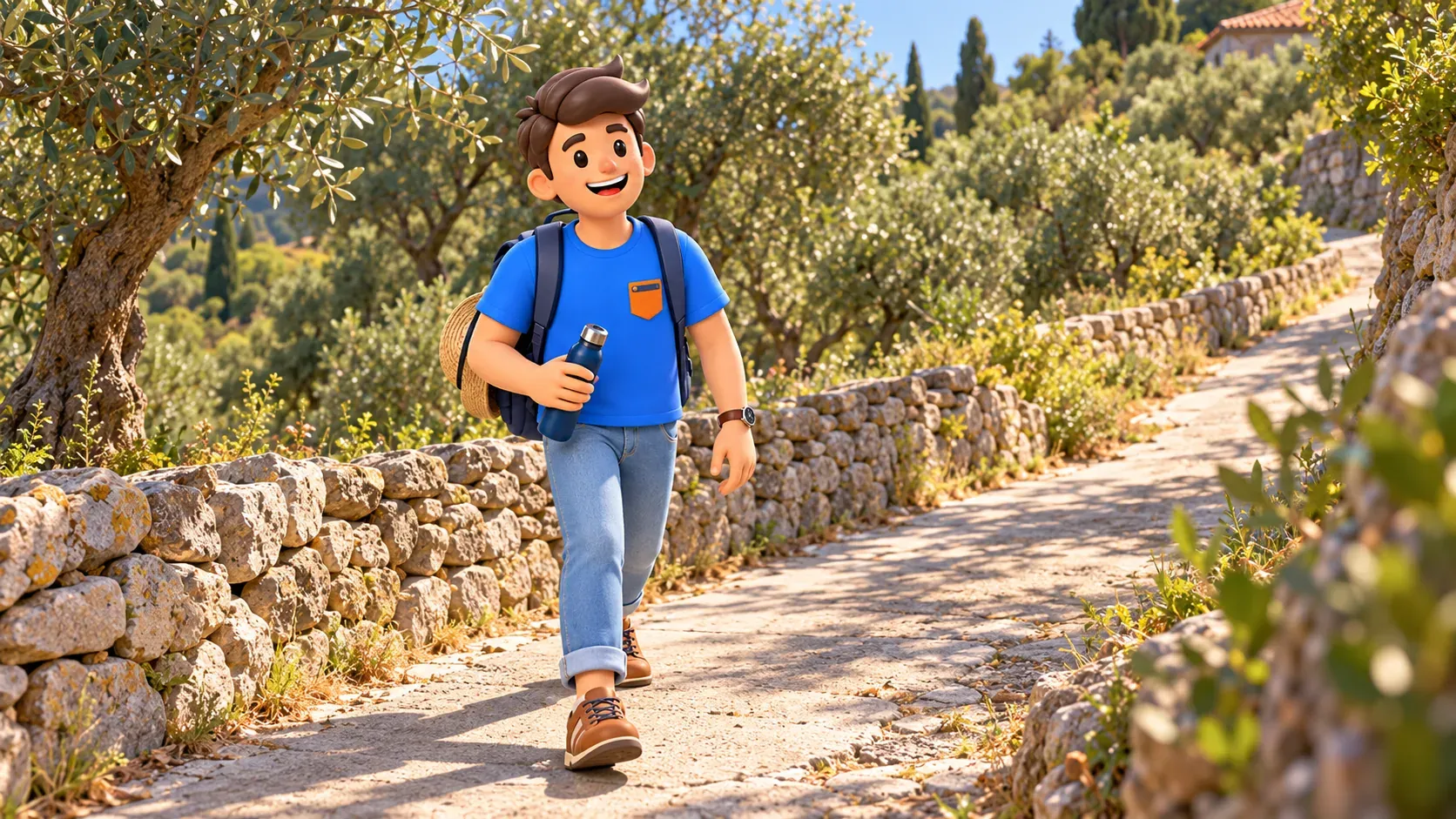
The hermitage’s own directions describe the walk from Quinzano’s square as approximately 500 metres, following the signs. Treat that as an approximate one-way access distance, not the length of your whole outing. Follow the signed public approach associated with Via San Rocchetto and the Via Crucis, taking account of the open route and current signs on the ground.
There is also a separate church of San Rocco lower down, with a steep direct approach towards the hermitage. The similar names can be confusing: San Rocco and San Rocchetto are different places. For a first visit, keep the straightforward Quinzano plan and return the same way. A sign for a longer trail does not require you to add it to the day.
Expect an incline, hard surfaces and uneven sections, with steps at the complex. A short distance does not establish wheelchair or pushchair accessibility. If access requirements determine whether you can visit, ask the hosts about the specific approach before travelling. Wet conditions can change how comfortable the slope feels; in hot weather, choose a gentler part of the day.
Wear shoes that feel secure on sloping ground, carry water and keep your bag light. A spare layer can be useful according to the season. When stopping for a picture, leave enough room for other walkers to pass. Small practical decisions make this outing easier without turning it into a major hiking preparation exercise.
Notice the building’s layers
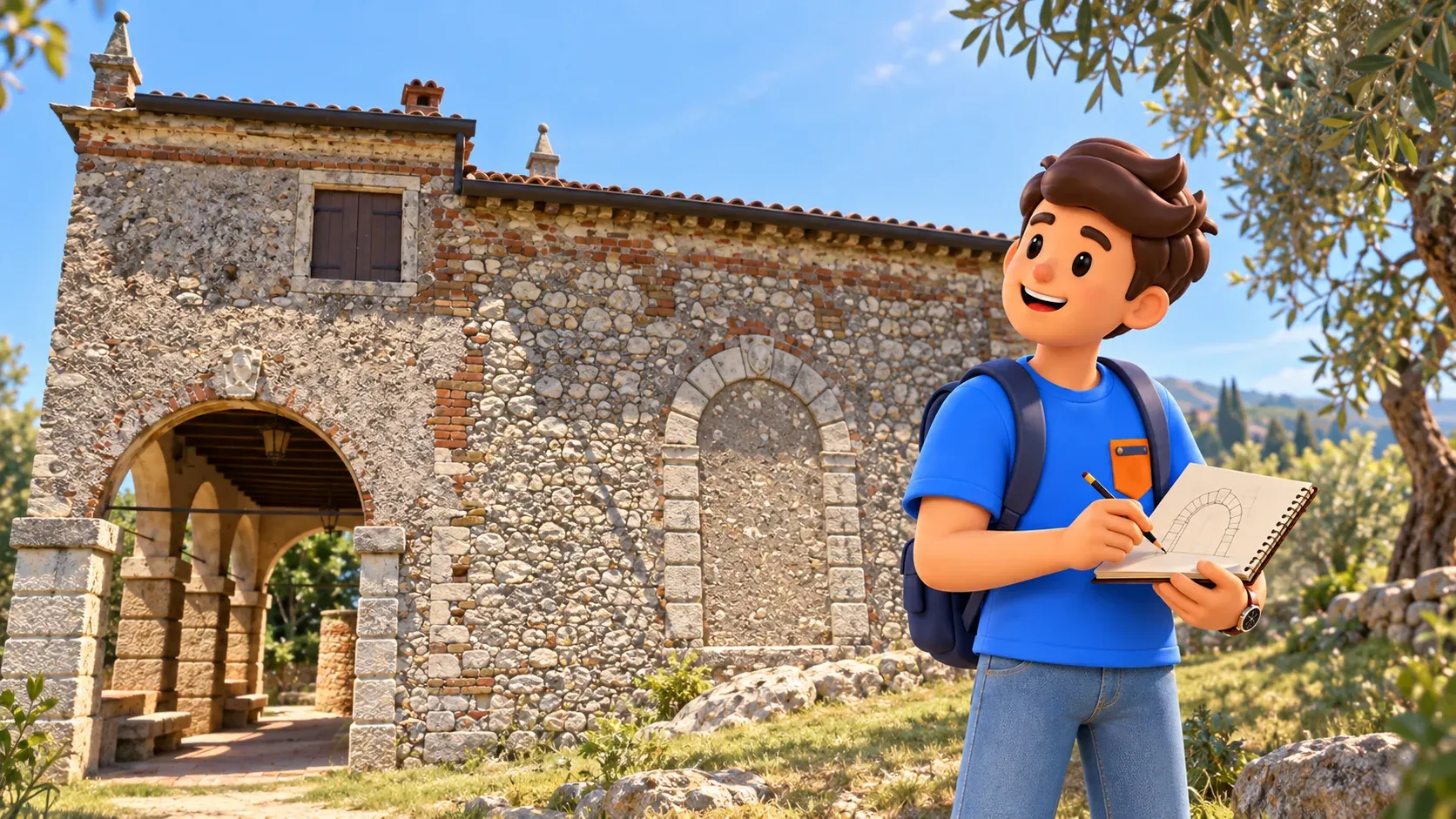
San Rocchetto has an intimate scale: a simple church, an open portico, a small bell tower and olive trees around the grounds. After Verona’s more imposing facades, the relationship between building and hillside becomes particularly noticeable. Look at how the arches create a sheltered transition, and how exposed stone changes to lighter rendered surfaces.
The complex belongs to several historical moments. The hermitage’s chronology records the church’s construction in the early sixteenth century, the portico in 1581 and later alterations to the steps and the bell tower’s roof. It is more rewarding to see those layers than to imagine a building unchanged since remote antiquity. The hill’s much older human history does not make the present church a prehistoric structure.
A more recent chapter also matters. Following a fire in 1983, the complex was restored, and it became a spiritual centre in 1989. Volunteers associated with Quinzano’s parish continue to care for the place. It has its own activities and purposes, so an ordinary walk brings you beside a living religious setting rather than an abandoned monument waiting for tourists.
You can appreciate the exterior without identifying every detail. Compare the open arches with the small windows above, the modest tower with the surrounding trees and the different wall finishes. A few attentive observations give this small destination an identity of its own. They also make an enjoyable alternative to trying to recognise every distant landmark in the view.
Make an interior visit a deliberate choice
Inside, paintings tell episodes from the life of Saint Roch, within a small room with three little apses. It is an intimate setting, but access needs to fit the church’s arrangements. The hermitage website describes Saturday afternoon visits at approximately 2.30–6pm, excluding July and August, with other times possible by agreement.
Use that published window as a reason to confirm your visit, particularly if seeing the paintings is the main purpose of coming. It is not a promise of unrestricted daily opening. Allow another 20–30 minutes beyond the exterior-based plan if you intend to go inside, or consciously shorten a different stop. Avoid making the church visit depend on catching a final return connection with no margin.
If the door is closed, the principal outing still has its shape: a climb, the architecture, olive-covered surroundings and an outlook over the city and plain. The centre’s meeting rooms, kitchen and group accommodation are not automatically visitor facilities. Arrange organised activities with the hosts rather than wandering into private rooms in search of refreshments or services.
Give the olive-covered setting time
The upper stop is about a change of perspective. Depending on the air, the view may feel crisp or softened by haze. Nearby walls, trees and the slope itself can be as interesting as the distant city. A successful visit does not require a photograph identifying every tower across the skyline.
Try three scales for pictures: a close architectural detail, the complex in its setting and a wider landscape framed by olives. Then put the camera away for a few minutes. Stay on permitted paths rather than moving into cultivated terraces for a better foreground, and leave fruit and plants where they are. This is cared-for ground, not an unrestricted backdrop.
Use RoadMe to shape a personal itinerary around what you enjoy most, whether that means more nature and quiet pauses or a balance of hills, museums and city streets. Planning the trip in one place is much easier than assembling separate ideas into a workable day yourself.
Late light can be attractive, but a first outing is simpler when the descent is planned for daylight. Give yourself time to see the surface underfoot comfortably. If a sunset panorama is your main aim, plan that as a separate evening with appropriate return arrangements, instead of making this short walk stretch to the last possible minute.
Come back to a familiar starting point
Return to Quinzano by the same open, signed approach. The familiar descent offers another way of seeing the transition: where the climb may have held your attention on the way up, the meeting of hillside and neighbourhood becomes easier to notice coming down. Keep a pace that feels comfortable rather than treating the shorter return as a race.
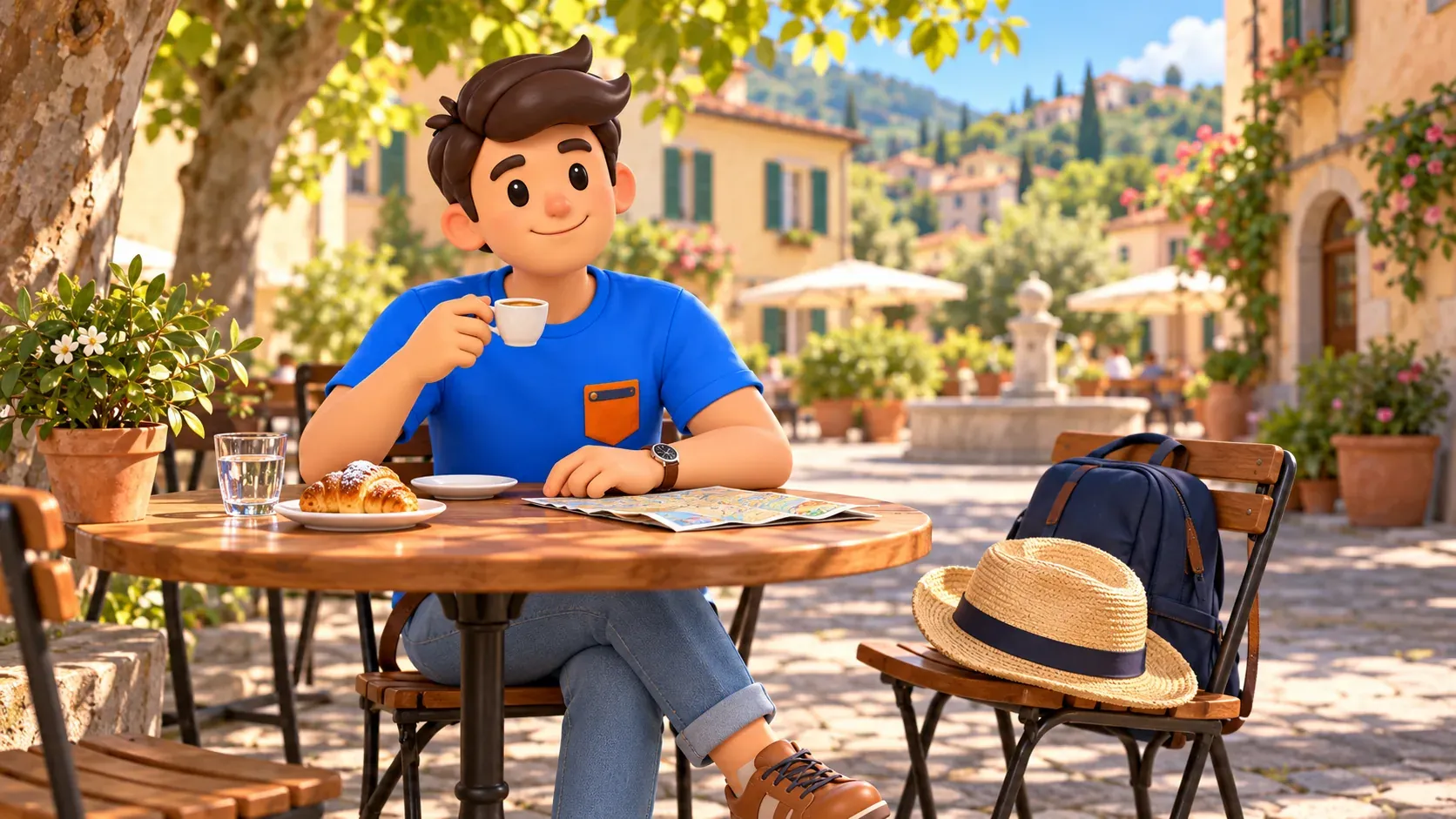
Leave the longer refreshment stop for the village. A drink or a light meal near the square, if a suitable place is open, gives the outing an easy ending. A particular cafe, a free table or a specific menu is not a guaranteed part of the walk. Keeping this pause flexible is better than relying on service at the hermitage.
For another hill outing, read our Torricelle walk towards San Felice. It starts elsewhere and involves a longer climb, so give it its own time rather than combining the two into this short excursion. San Rocchetto needs no crowded supporting cast: a neighbourhood start, one small historic place, olive trees and an unhurried return are enough for a satisfying few hours.


