
River North in Half a Day: Driehaus Museum, Cathedrals and Poetry

A cultural half-day in River North works best with one main visit. Give the Driehaus Museum proper time, then use the nearby streets for shorter encounters with St. James Cathedral, Holy Name Cathedral and the Poetry Foundation. The result is not a race through four interiors. It is a change of pace between a historic house museum, active religious places and a contemporary home for poetry.
This plan allows about four hours, beginning at the museum’s current visitor entrance at 50 East Erie Street and finishing near the Poetry Foundation at Dearborn and Superior. The museum is the essential booked or ticketed component. Cathedral interiors and the poetry library depend on their actual arrangements; the outdoor connections remain useful when a neighbouring interior is unavailable.
Choose a museum opening day and keep the other stops flexible
Start at the Driehaus Museum on the northeast side of the Wabash and Erie intersection. Use the current visitor entrance at 50 East Erie Street, rather than assuming every historic address or door on the complex is a museum entrance. After the main visit, go north towards St. James at Wabash and Huron. Continue west through the public street network to Holy Name Cathedral at 735 North State Street, near Superior, then west on Superior towards the Poetry Foundation at Dearborn.
To fit this cultural half-day into your whole Chicago visit, try RoadMe: the app builds a personal itinerary around your dates, interests and preferred pace. That helps reserve enough time for the museum while placing shorter neighbourhood stops and other visits across your available days.
- Driehaus Museum: around ninety minutes for a focused visit.
- St. James Cathedral: around twenty minutes, starting with the exterior.
- Holy Name Cathedral: around twenty minutes, with any interior look conditional.
- Poetry Foundation: up to forty minutes when the public library or another suitable public space is open.
- Keep thirty minutes for movement and orientation, plus forty minutes of pause and flexible margin.
The allocation totals four hours and is an editorial estimate, not a measured route or an official minimum visit. The flexible margin can absorb a slower museum visit or a short rest. A full restaurant meal, an evening event or an extended guided tour needs separate time. If optional interiors are closed, allow a shorter outing instead of filling the gap with unnecessary detours.
Check the museum’s actual calendar before choosing the date; its current regular pattern closes on Mondays and Tuesdays. If the poetry library matters to you, compare its calendar too: the current public visiting pattern is Wednesday through Saturday. A museum opening day does not automatically make every neighbouring cultural address open.
Driehaus Museum: let one house provide the main experience
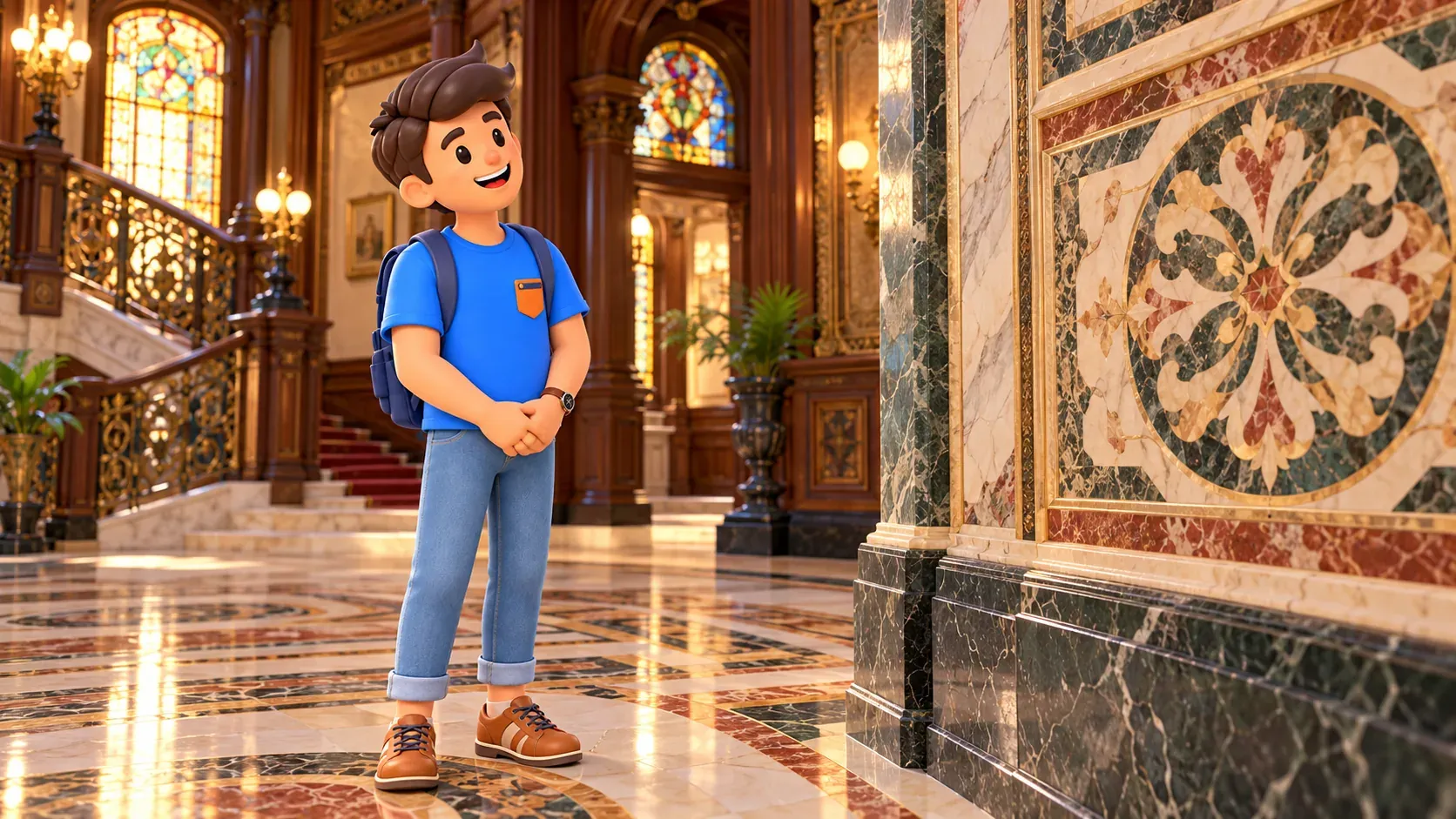
The museum combines the restored Nickerson Mansion, completed in 1883, with the adjacent Murphy building. This distinction helps explain why the historic residence and the current visitor entrance are not interchangeable. Begin with the operator’s entrance instructions, obtain the appropriate admission and orient yourself using the programme and information available on your day.
The house is more than a container for a list of objects. Its rooms allow you to consider how materials, decoration and display work together. Start with the overall character of one room before moving towards individual details. Notice what draws your eye first: a surface, a change of colour, the relation between an object and its surroundings, or the way a doorway frames another space.
Choose a modest focus for the ninety-minute allowance. You might compare decorative surfaces, follow an exhibition that interests you or concentrate on how a historic domestic setting changes the way art is displayed. The museum’s current exhibitions determine what is actually available. Do not arrive expecting a particular temporary show because it appeared in an older article or photograph.
Give the focus enough time to produce an observation. A closer look at one carefully chosen detail can explain more than a quick photograph of every room. Then step back and return the detail to the larger setting. That movement between object and room becomes a useful theme for the smaller architectural stops outside.
Guided experiences have their own arrangements. The museum distinguishes general admission and tour options, including private tours that require advance arrangements. Consult the actual offer rather than assuming every admission includes a guide or that a tour is available at any time. If you select a longer guided visit, expand the museum block and reduce the optional neighbourhood portion.
Before leaving, choose one thing you would like to compare outside: an entrance, a decorative surface or the way a building creates a transition from street to interior. The next stops will be shorter, so carrying a question with you gives them a connection to the main visit without turning the afternoon into another long museum programme.
Walk to St. James and change from a museum to a working cathedral
Leave by the permitted visitor route and use the public pavement towards Wabash and Huron. This is a short neighbourhood connection, but it still includes ordinary intersections and the need to follow current pedestrian arrangements. There is no reason to look for a shortcut through an office, residential lobby or private courtyard between the addresses.
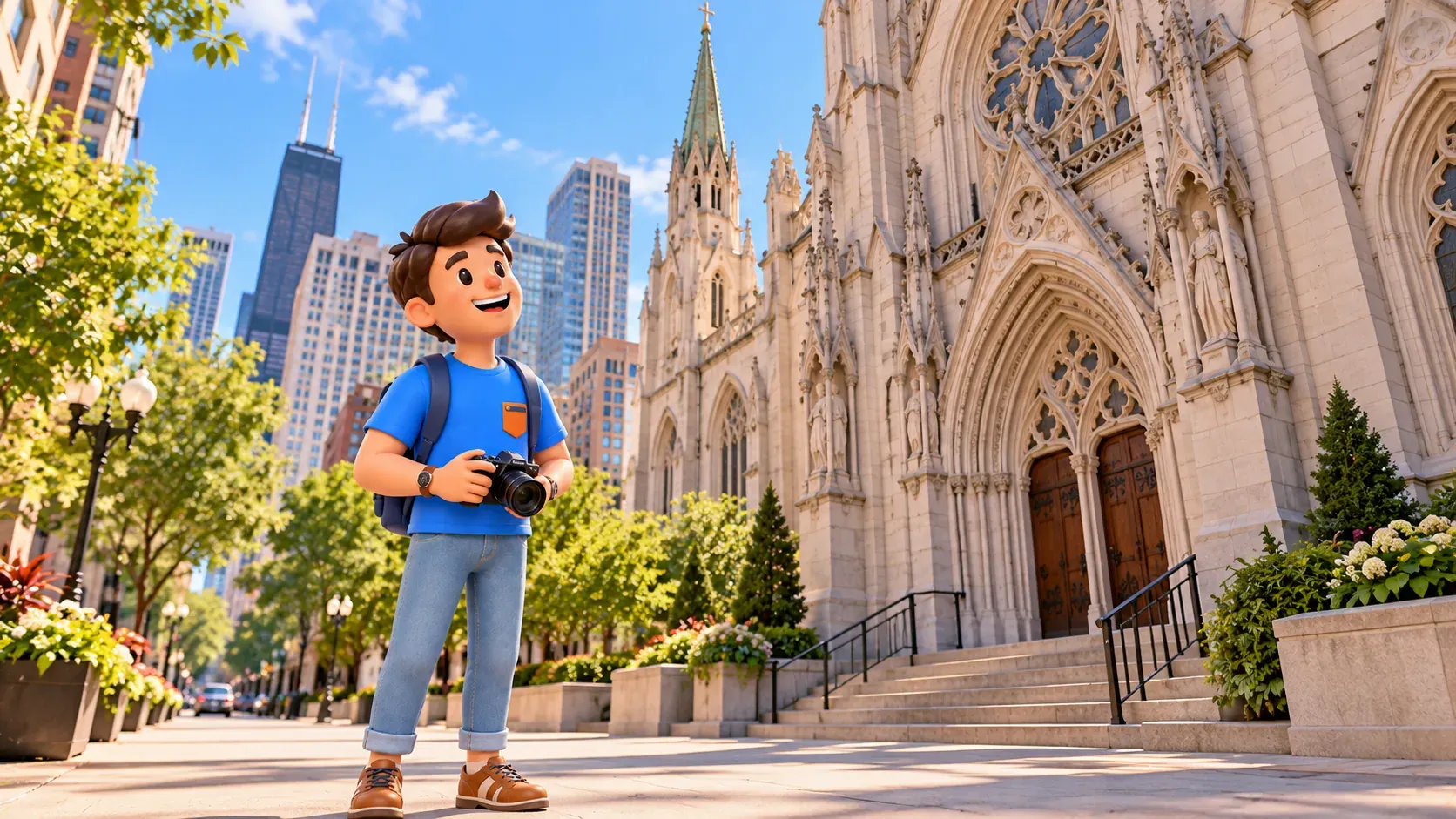
St. James is an Episcopal cathedral. Begin outside and notice how a religious frontage sits among the surrounding urban buildings. Compare the entrance with the museum’s: what signals an invitation, and what makes the threshold feel different? You can ask those questions from public space without entering during an unsuitable moment.
An interior look is optional when visitor access is actually permitted. Services, ceremonies, rehearsals or other activities may affect what is appropriate. Do not interpret a door being open as permission to explore every chapel, office or connected building. The cathedral’s welcome to visitors remains compatible with its everyday role as a place of worship.
If you enter, give the space a quiet, limited visit and follow the instructions you find. If access is unavailable, keep the exterior stop and move on. The twenty-minute allowance is not a promise of an interior tour. The main museum experience has already given the outing its centre, so this stop can remain small.
Holy Name Cathedral: compare two religious places without confusing them
Continue west through the public Huron Street connections and towards State Street, then to Holy Name Cathedral at 735 North State Street, at Superior. The cathedral address is distinct from its rectory address on Wabash. Use the church’s own visitor information for the actual approach, rather than assuming an administrative address identifies the sightseeing entrance.
Holy Name is a Catholic cathedral, a different institution from St. James. For this walk, the useful comparison is between their urban presence and entrances, not a checklist of two similar interiors. Look first at the building from the pavement and notice how it creates a pause within a busy street environment.
Choose one visible feature to compare with St. James or the museum. It could be the shape of an opening, the scale of a doorway or the transition from public pavement towards a more contemplative space. A short exterior view can still have a clear purpose when you carry one question through the neighbourhood.
The interior remains conditional on current church access and services. Follow visitor instructions, keep photography appropriate and do not turn worship into an obstacle to overcome. If a ceremony or another activity makes a visit unsuitable, remain outside. The plan does not require both cathedral interiors, and neither should be treated as an automatic indoor shelter.
At this point, check your energy and the poetry library’s available visiting time. If the museum used more than ninety minutes, it may make sense to shorten a pause here. Do not try to preserve every allowance by assuming the next institution will stay open beyond its actual calendar.
Poetry Foundation: finish with a different kind of cultural attention
Follow Superior Street west towards Dearborn. The Poetry Foundation’s public approach begins at the tree-lined courtyard at the corner, leading towards its public spaces. The building, designed by John Ronan Architects, opened in 2011. Its contemporary setting changes the scale of the outing after the museum’s historic domestic rooms and the cathedral frontages.
Check the current visiting calendar before counting on the library. Under the present pattern it opens to visitors Wednesday through Saturday and closes Sunday through Tuesday. Events have their own dates and capacity arrangements. A public performance space does not mean a reading is happening whenever you arrive, and an old event listing is not today’s programme.
When access allows, use the forty-minute block as a deliberately quieter finish. Look at the library’s arrangement, choose a book or spend time with a poem in a language you can read. There is no requirement to understand an entire collection or to leave with a definitive opinion about poetry. One attentive encounter is enough to change the rhythm of the visit.
You can also notice how the approach unfolds from street to courtyard and towards the library. Compare that sequence with the entrances you saw earlier. A cultural place can reveal itself gradually rather than through a large monumental doorway. Let the architecture support the visit without treating staff offices or other non-public rooms as part of the route.
Groups of more than ten people must register before visiting under the Foundation’s current rules. Smaller groups should still follow the actual public-space arrangements and keep the library usable for others. A quiet reading stop and an organised event are different experiences; choose the one that is really available rather than trying to create an unscheduled group programme.
If the library is closed, a permitted exterior view can conclude the walk, or you can finish earlier after the museum and cathedrals. Do not claim to have visited a library you only saw from outside. This flexibility keeps the half-day useful while preserving the difference between the main museum visit and the optional neighbouring opportunities.

Finish at the actual final stop and keep the next plan separate
Your onward journey starts wherever you actually finish, not automatically back at the museum entrance. Use the flexible margin for a rest or a longer main visit, and give a substantial meal or further attraction its own time. The strongest version of this outing contains one properly experienced museum and a few shorter encounters, rather than four rushed claims of having seen everything.
RoadMe can help shape a complete personal trip around the interests that emerged here, balancing museums, architecture and other visits at your preferred pace. Try it to give a longer exhibition or an evening reading its own place across the rest of your Chicago days.
For a different architectural comparison, save the two-hour Gold Coast walk for another block. It connects a townhouse, modern residential towers and a church frontage. River North has its own focus: one museum at the centre, with religious and literary stops added only when the day allows them.


