
Rain in Madrid: build a day around the Thyssen museum
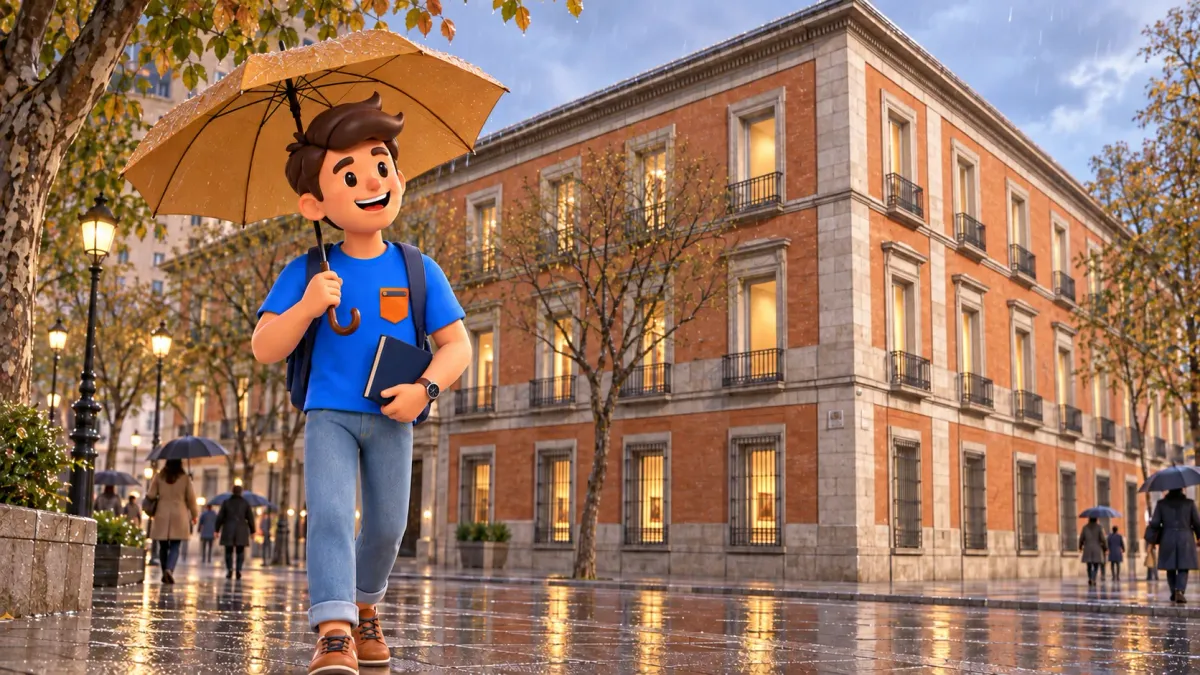
A rainy day in Madrid works well around one museum rather than a dash between every nearby building. The National Thyssen-Bornemisza Museum at Paseo del Prado, 8 provides a useful anchor: selected paintings, rest and a meal can fill around five hours. Reaching the museum and travelling onwards require additional time. The main plan does not depend on a wet Retiro walk or buying tickets for all three major art museums.
Make one museum the day’s main experience
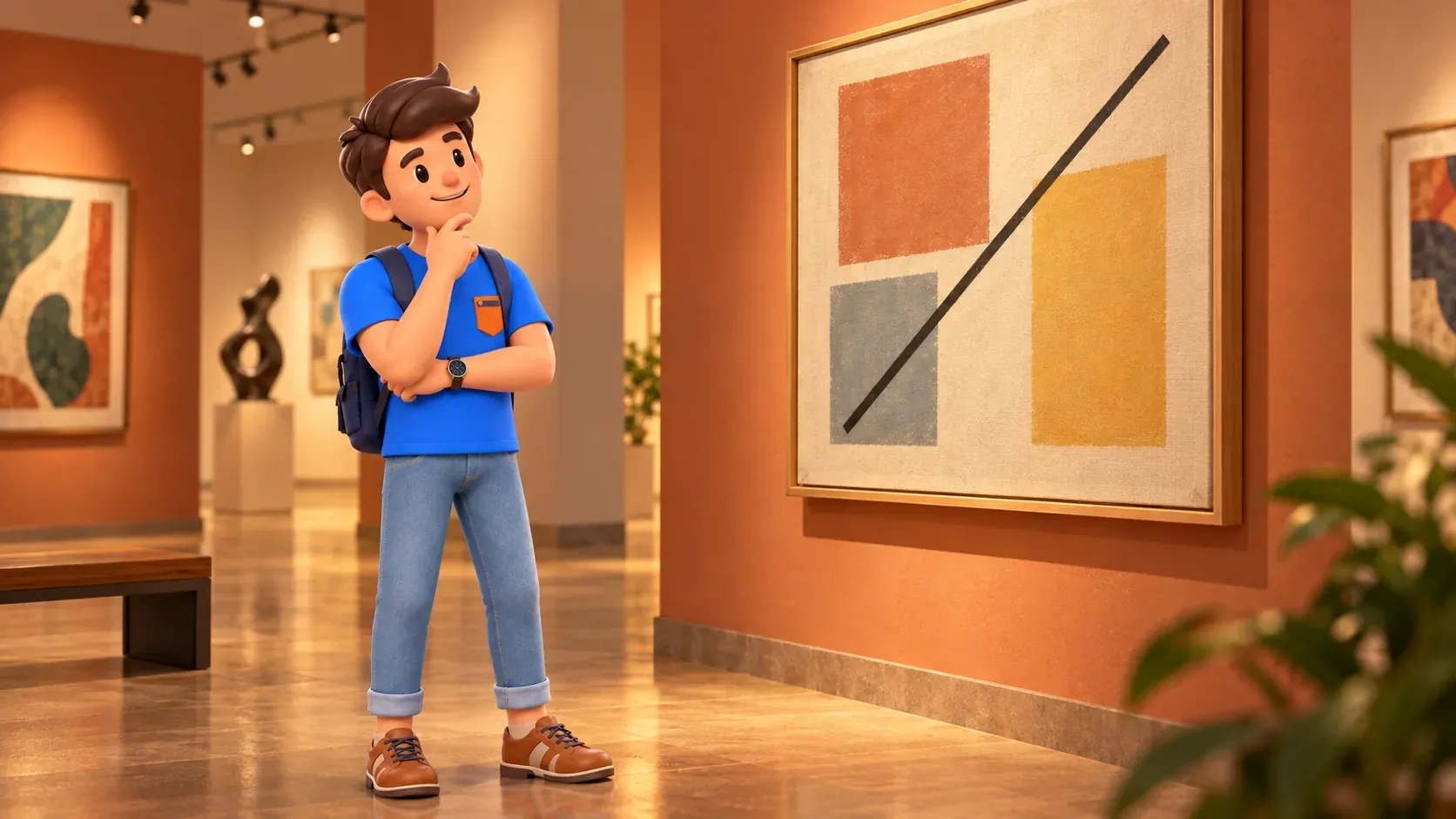
Choose the Thyssen for its paintings, not simply its roof. Its collection offers ways to compare people, cities and nature from the late Middle Ages to the twentieth century. A long museum visit will not become enjoyable through rain alone if pictures hold no interest for you. For an introduction, however, a modest question works: how do space, colour and atmosphere change? You need not cover the entire history of painting in one attempt.
Fitting this day into a trip is easier with RoadMe, which develops a personal plan around your interests, dates and pace. Try giving the museum its own substantial block and distributing parks, architecture and other experiences across the remaining days, without assembling the whole journey from scratch.
The outline assumes an ordinary independent visit. A guided tour, family activity or major temporary exhibition needs its own choice and time. Do not consider these automatically included activities just because they happen in the same building. Distinguish an admission ticket, access to a particular exhibition and participation in an event. That makes the purpose clear and prevents a change in weather from producing an unexpectedly overloaded programme.
A five-hour allocation
These are editorial estimates, not measured timings. Start counting at the visitor entrance after your journey there. Around 11:00–16:00 illustrates a normal daytime outing if your date permits; Monday has different arrangements. The difference between gallery time and the full plan is useful time for entry, rest, food and practical tasks. It should not disappear when deciding what fits, particularly if wet coats and belongings need attention.
- 20 minutes: entry and preparation. Ticket checks, security, cloakroom and the museum plan.
- 150 minutes: selected collection. Paintings and connections between relevant galleries, without an obligation to complete the catalogue.
- 20 minutes: an indoor rest. Split viewing into two sections and pause between them if preferred.
- 20 minutes: belongings and departure. Include a short local connection to food if necessary.
- 50 minutes: a meal. Use the indoor café when open and available, or a nearby business.
- 40 minutes: shared reserve. Queues, orientation, slower viewing and a comfortable finish.
The museum estimates an ordinary visit at about two and a half hours, with approximately fifty minutes more for the ground-floor temporary exhibition. That is institutional guidance rather than a compulsory pace. Our 150 minutes belong to selected paintings. If an exhibition matters more, replace some collection time instead of silently adding it. A thorough full visit may need longer or a return on another day, even when the ticket allows access to several collections.
Decide where the outing ends before deciding what else to add. For a station departure, luggage collection or an appointment, calculate the onward journey and its margin separately. The forty-minute reserve belongs to this museum outing, not every later movement in Madrid. A short remainder can become rest rather than another ticket that you will struggle to use. Rain changes logistics; it does not create an obligation to fill every spare minute indoors.
Why the collection spans so many periods
The museum grew from the Thyssen-Bornemisza family’s collecting rather than a royal collection gradually opened to the public. Villahermosa Palace was chosen to house it, and Rafael Moneo adapted the building for museum use. The public first entered in October 1992; the definitive sale of the collection to the Spanish state followed in 1993. Those dates refer to different events: opening the museum and transferring ownership. They should not be collapsed into a single founding story.
This origin helps explain its variety. Different schools and collectors’ interests meet instead of one national narrative. Moving between them need not become a test of artistic terminology. Look for a connection among selected paintings: where the eye travels, how much space the sky occupies or how a painter places a solitary figure. An independent visit can have a personal theme even when you do not follow every stage of the chronological sequence.
A palace exterior does not establish an untouched nineteenth-century domestic interior. Before the museum conversion, the building also served banking purposes; adaptation created new exhibition circulation. For a short visit, that change of function is enough architectural context. You need not walk around every façade in the rain. One clear relationship between an older exterior and a later purpose gives substance to the building without turning the day into an extensive architecture tour.
Three questions instead of a long highlights list
First, how is a painted city organised? One collection example is Canaletto’s The Piazza San Marco in Venice, dated around 1723–1724. The city is Venice, not old Madrid. Notice how perspective and small figures make a large space convincing. It offers a way to continue thinking about city walks while indoors, without identifying every building. Look at the composition before trying to match every architectural detail to a name.
Second, how does brushwork change a landscape? In Van Gogh’s Les Vessenots in Auvers of 1890, houses, fields and trees form a rhythmic space beneath a high horizon. Compare the way things are painted as well as the things themselves. Where does your eye pause? What appears still or moving? This is an invitation to observe, rather than a test of whether you can correctly diagnose an artist’s emotions from a single canvas.
Third, how can a small interior suggest travel? Edward Hopper’s Hotel Room of 1931 depicts a solitary woman holding a railway timetable. Notice the bed’s diagonal, the light and the space surrounding the figure. It connects readily with the experience of journeys: waiting, temporary rooms and a pause between events. You do not need one definitive explanation to remember the painting. Looking carefully and leaving a question open can be part of the pleasure.
These are examples from the collection, not promises that all three will occupy particular rooms on every date. The museum lends works and changes installations. Check the availability of a painting that is essential to your visit and use the current gallery plan. Avoid building the entire outing around one image if alternatives would have no interest. A theme that survives the absence of a single object gives the day a more useful foundation.
With a companion, let each person choose one work to discuss afterwards. You can look quietly first and explain the memorable light, gesture or line during a rest, without blocking others’ view. The same approach can help a family if you reduce the number of galleries to suit attention spans. One shared question is often more manageable than reading every label regardless of tiredness. It also makes different artistic preferences easier to accommodate within one visit.
Tickets and hours have different conditions
At the check date of 16 October 2026, ordinary autumn hours from Tuesday to Friday and on Sunday were 10:00–19:00. Monday opening is 12:00–16:00, with free admission and no ticket required for that free visit. Check exceptions for your actual date. The museum closes on 1 January, 1 May and 25 December; 24 and 31 December have reduced opening until 15:00. A rainy forecast does not override these calendar conditions.
An ordinary collection ticket has no assigned entry hour and is valid on the selected day. The ground-floor temporary exhibition works differently, with a timed entry because capacity is limited. Advising everyone to buy any ticket for a strict hour would therefore be inaccurate. Check your product and its inclusions. Ordinary admission includes the collections and available temporary exhibitions, but this does not remove the assigned slot for the relevant exhibition space.
The free Saturday programme from 21:00 to 23:00 concerns a separate evening visit to temporary exhibitions on the specified levels. Do not interpret it as late access to the whole permanent collection and transfer this daytime plan unchanged. Individual exhibitions may keep different hours. Concessions similarly require checking their conditions and evidence; ordinary children’s admission rules should not automatically be applied to a school group accompanied by its teacher. Choose the actual visiting arrangement first.

Wet belongings and an indoor pause
Allow entry time for your umbrella and outerwear, following staff instructions. The cloakroom is free but is not a general city luggage service. Suitcases are not accepted on Mondays, and oversized or heavy items may be refused on other days too. Small bags and backpacks are permitted in galleries under general independent-visitor arrangements. Do not automatically transfer the stricter deposit rules for organised groups to every person visiting alone.
Do not rely on storing food or drinks in the cloakroom, where acceptance restrictions apply. Eat in a designated place, separately from looking at paintings. Photography and video are generally permitted without flash, with exceptions for marked works; ask staff about temporary exhibitions. Drawing is allowed with graphite pencil. That does not authorise paint or any filming equipment you choose. A small amount of preparation leaves more gallery time for the art itself.
Check specific assistance beforehand if it matters to your visit. The museum lists adapted toilets on exhibition floors, indoor ramp access to the café and free loans of some equipment through the cloakroom. Equipment being offered does not guarantee a free item at a particular moment. Interior facilities also do not establish a step-free, puddle-free journey from your accommodation. Plan the actual approach separately, especially if mobility or frequent seating affects your preferred pace.
Eat and finish without another rush
The indoor café-restaurant on the ground floor can reduce additional outdoor trips if it is open and has space. Food is a separate purchase. Distinguish it from the seasonal outdoor terraces. On Mondays the café closes at 16:00. With a noon start, the five-hour framework therefore requires an earlier meal or another business after leaving, rather than assuming you can remain inside until 17:00. Availability and serving time still need ordinary flexibility.
For the rest of the trip, it is more convenient to prepare a personal plan in RoadMe, with art interests and a suitable pace. The app develops the distribution of days and walks, while you check entry arrangements, forecasts and current restrictions before setting out.
The museum names Banco de España on Metro line 2 as its nearest station. That does not mean an underground passage runs directly into the galleries. The last outdoor section and return journey still need preparation. In heavy rain or adverse-weather warnings, reconsider the outing itself rather than merely changing the museum list. An ordinary rainy-day plan cannot promise equally convenient travel in every condition just because its main activity takes place inside.

If rain has stopped and you still have energy afterwards, simply walk towards your chosen transport. Our outdoor Paseo del Prado walk suits a separate dry date. Today, one museum is enough: several carefully observed paintings, rest and food create a complete experience without an obligation to fill the remaining day with another admission.


