
The Pyramid and Ostiense: An Unusual Rome Half-Day
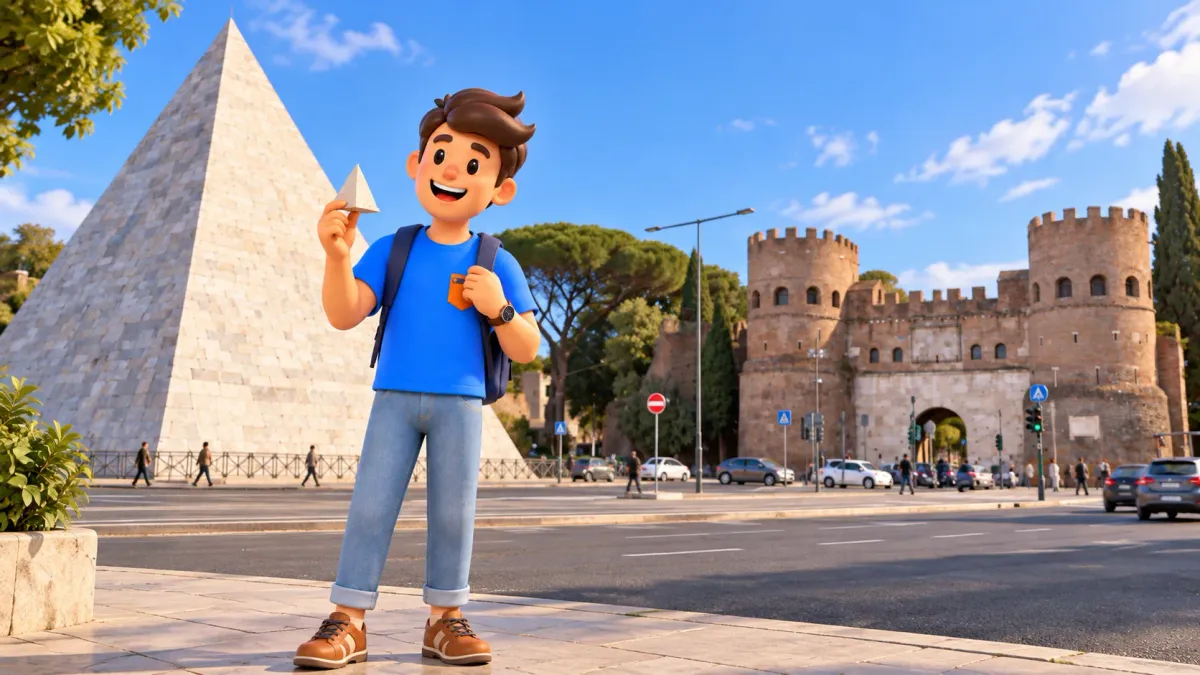
A white pyramid beside a traffic junction is surprising even in Rome. Behind it lies a quiet cemetery with literary connections; further along Via Ostiense, ancient sculpture stands among the enormous machines of a former power station. These places share no single appearance. Together, they reveal a less familiar side of the city.
Allow half a day, with a core programme of about four hours. Start with the Pyramid of Cestius from the public street near Porta San Paolo, and finish at Centrale Montemartini, Via Ostiense 106. Travel before the start and after the museum is additional. The plan includes a quiet cemetery visit, the urban connection and a twenty-minute rest.
Choose a morning with room for different periods
This outing suits an interest in unusual architecture, urban memory and a striking museum without a compulsory masterpiece checklist. The pyramid and gate are exterior stops. Visit the Non-Catholic Cemetery quietly when it is open to visitors. Allow ninety minutes for an introduction to Montemartini, without promising the entire collection and every temporary exhibition.
Try RoadMe to turn those interests into a personal plan for the whole trip, based on your dates, pace and budget. The app makes it easier to distribute unusual districts, major museums and rest across your days, then use a considered itinerary more conveniently and effectively on the ground.
An ordinary Tuesday-to-Saturday morning provides a useful starting point. Beginning at 9:30 could mean leaving the museum around 13:30. This is an illustrative distribution, rather than a booked programme: check both places’ calendars before leaving. Montemartini is normally closed on Mondays, so move the complete version to another day.
The plan excludes Testaccio Market, a visit up Monte Testaccio and the Basilica of St Paul Outside the Walls. Each would change the day. Keep them for a separate outing rather than turning four hours into a race between names by removing connections and meaningful museum time from the calculation.
Four hours from the pyramid to Montemartini
| Minutes from the start | Plan |
|---|---|
| 0–20 | Pyramid of Cestius exterior from a public pavement |
| 20–30 | Porta San Paolo exterior in the same vicinity |
| 30–40 | Street approach to the cemetery entrance at Via Caio Cestio 6 |
| 40–85 | Forty-five minutes for a quiet independent cemetery visit |
| 85–105 | Twenty-minute rest outside the cemetery |
| 105–140 | Urban walk to Via Ostiense 106 |
| 140–150 | Orientation and museum admission arrangements |
| 150–240 | A first visit to Centrale Montemartini |
The total is two hundred and forty minutes. All intervals are estimates, not measurements. Ten minutes at the museum entrance is not a queue forecast. If admission, the walk or the cemetery visit takes longer, move the finish or deliberately reduce museum time while retaining a comfortable margin.
In the 9:30 example, the cemetery falls around 10:10–10:55 and the museum around 12:00–13:30. The approach from Piramide station to the first stop and onward transport are excluded. A proper lunch involving an order after the outing also requires its own time.
The pyramid: an Egyptian form with a Roman story
The Pyramid of Cestius was built in the late first century BC as the tomb of the Roman Gaius Cestius. It reflects the fashion for Egyptian forms following Egypt’s incorporation into the Roman world. This is no pharaoh’s tomb shipped from Egypt: its unusual outline belongs to Rome’s own funerary culture.
Pale marble facing and sharply converging sides make the structure recognisable without an extended explanation. The pyramid was later incorporated into the Aurelian Walls. For a first look, notice its two roles: a private tomb became part of a much larger defensive circuit from another period of the city’s history.
Look from an appropriate public pavement and use the available crossings. Traffic is busy here, so an expressive photograph should not involve stepping into the road. Twenty minutes allow an overall view and one or two details, rather than a search for the single perfect position without people or vehicles.
Interior admission is through separate special openings requiring reservations. Do not assume an ordinary daily visit that can simply be added en route. If a confirmed opening fits your interests, build a different day around it. The cemetery garden does not provide access into the burial chamber.
A neighbouring gate with a different purpose
Porta San Paolo helps you imagine an ancient route out of Rome. Originally associated with the road to Ostia, its later name reflects the way towards the Basilica of St Paul. Its two round towers and central passage are clear from outside, without requiring another major interior visit.
The structure belongs to the late-antique defensive system and changed after its initial construction. Every visible detail should not be assigned untouched to a single period. Comparing functions is more useful here: the pyramid commemorates one person, while the gate organises movement between the city and the world beyond.
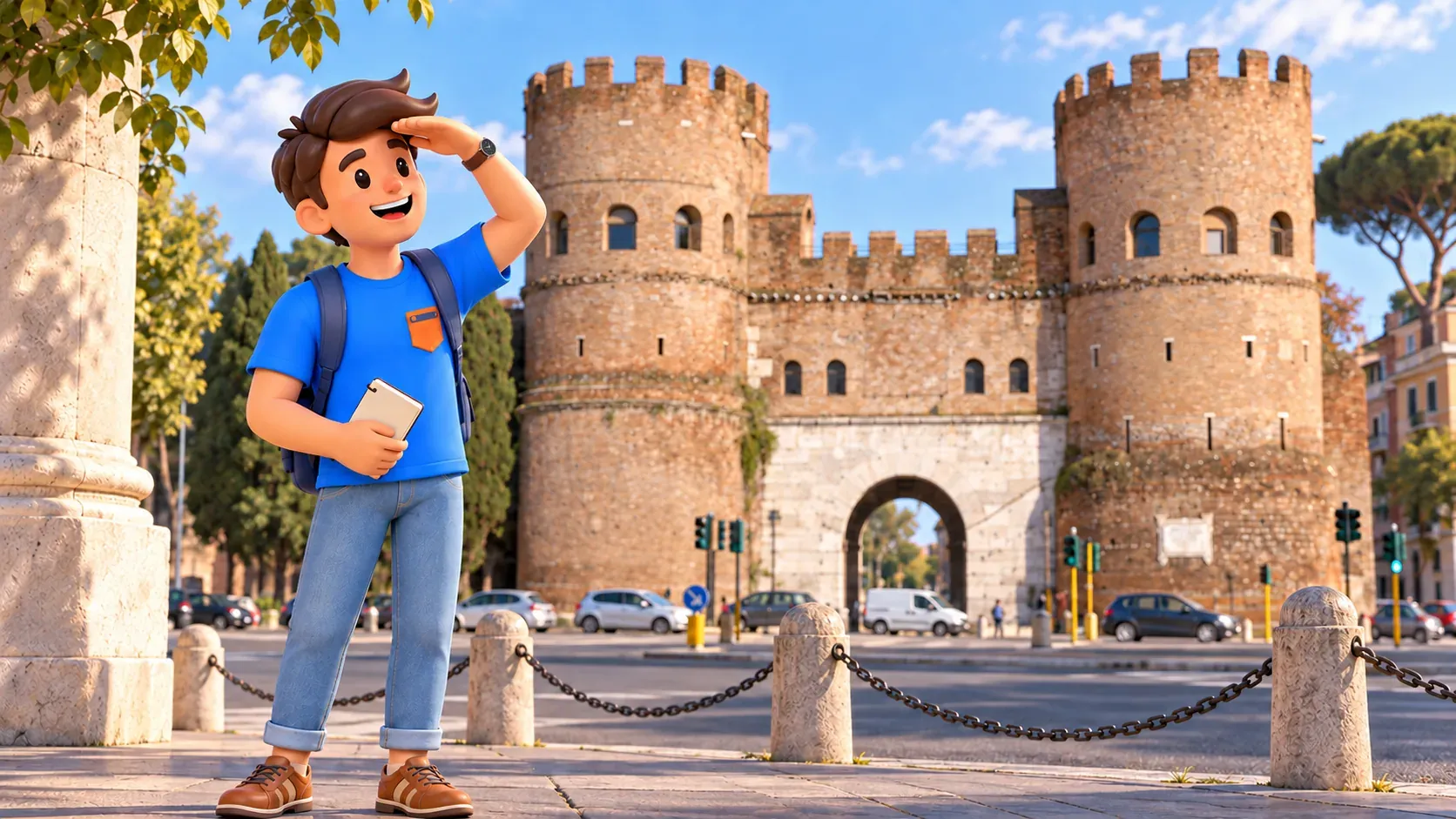
The museum within the gate is excluded. Allow ten minutes outside, then head towards the cemetery entrance. Close neighbours make this opening compact, but do not eliminate junctions or the correct approach. Avoid looking for a passage through the barrier beside the pyramid.
Find the cemetery entrance on Via Caio Cestio
For the Non-Catholic Cemetery, use Via Caio Cestio 6, on a side street off Via Marmorata. Save the actual entrance rather than only a general pyramid marker. A short approach on public pavements reaches the appropriate gate without circling the memorial grounds in search of an imagined rear passage.
This remains an active cemetery, connected with the history of Rome’s foreign and non-Catholic communities. Poets John Keats and Percy Bysshe Shelley are buried here. That connection conveys its literary importance; a catalogue of dozens of famous names would not necessarily make a brief visit more attentive.
Spend forty-five minutes without trying to locate every notable grave. First look at the available paths and local signs, then choose a small section. If a ceremony is taking place or staff restrict access, adjust your movement and give it space. A sightseeing timetable needs to accommodate the purpose of the place.
The operator requests a voluntary contribution towards upkeep. This should not be presented as a compulsory museum admission ticket. Organised groups follow different arrangements from independent visitors and need to agree their visit beforehand. If joining a tour, check its conditions rather than the rules applying to two people visiting independently.
Respect the quiet and photography rules
The ordinary schedule is Monday to Saturday, 9:00–17:00, with last admission at 16:30. Sundays and holidays have a morning schedule ending at 13:00, with last admission at 12:30. However, certain dates involve closures or shorter hours, so the name of the weekday alone is insufficient.
Check the operator’s calendar before travelling, particularly around holidays and in August. Local circumstances can also change access. Our morning version leaves a margin but does not guarantee entry on every Tuesday. If closed, continue calmly to another part of the outing and recalculate its duration.
Read the photography rules separately: permission for limited personal photographs does not mean permission to publish them on social media or use them commercially. It may be easier to put the camera away and look carefully for a while. Save snacks and animated discussion for after leaving the grounds.
A rest and the walk along Ostiense
After leaving, reserve twenty minutes for water and a simple snack somewhere appropriate outside the cemetery. A particular café, bench or vacant table is not guaranteed. Extend the schedule for a full meal. The pause lets you change mood before the museum rather than becoming another compulsory attraction.

Then return to the urban corridor around the pyramid and follow public pavements towards Via Ostiense 106. Allow thirty-five minutes for walking, orientation and crossings. This passes through a living contemporary neighbourhood, rather than following an uninterrupted pedestrian promenade within an archaeological park.
Avoid shortcuts through railway property or closed courtyards. At the museum complex, use the operating visitor entrance from Via Ostiense. If accessibility matters, check the urban approach and cemetery separately: good arrangements inside the museum do not make the entire preceding route step-free.
Montemartini: marble against machinery
The power station opened in 1912 as Rome’s first public electricity plant. Public is the important distinction: electricity had existed in the city before it. The former industrial building is itself part of the experience, with the scale of the equipment transforming the familiar setting of an antiquities museum.
In 1997, part of the Capitoline Museums’ ancient collection came here during their refurbishment. The exhibition “The Machines and the Gods” demonstrated the expressive relationship between sculpture and technical equipment. In 2001, the display became permanent. Do not imagine that all the statues were discovered beneath this power station’s floor.
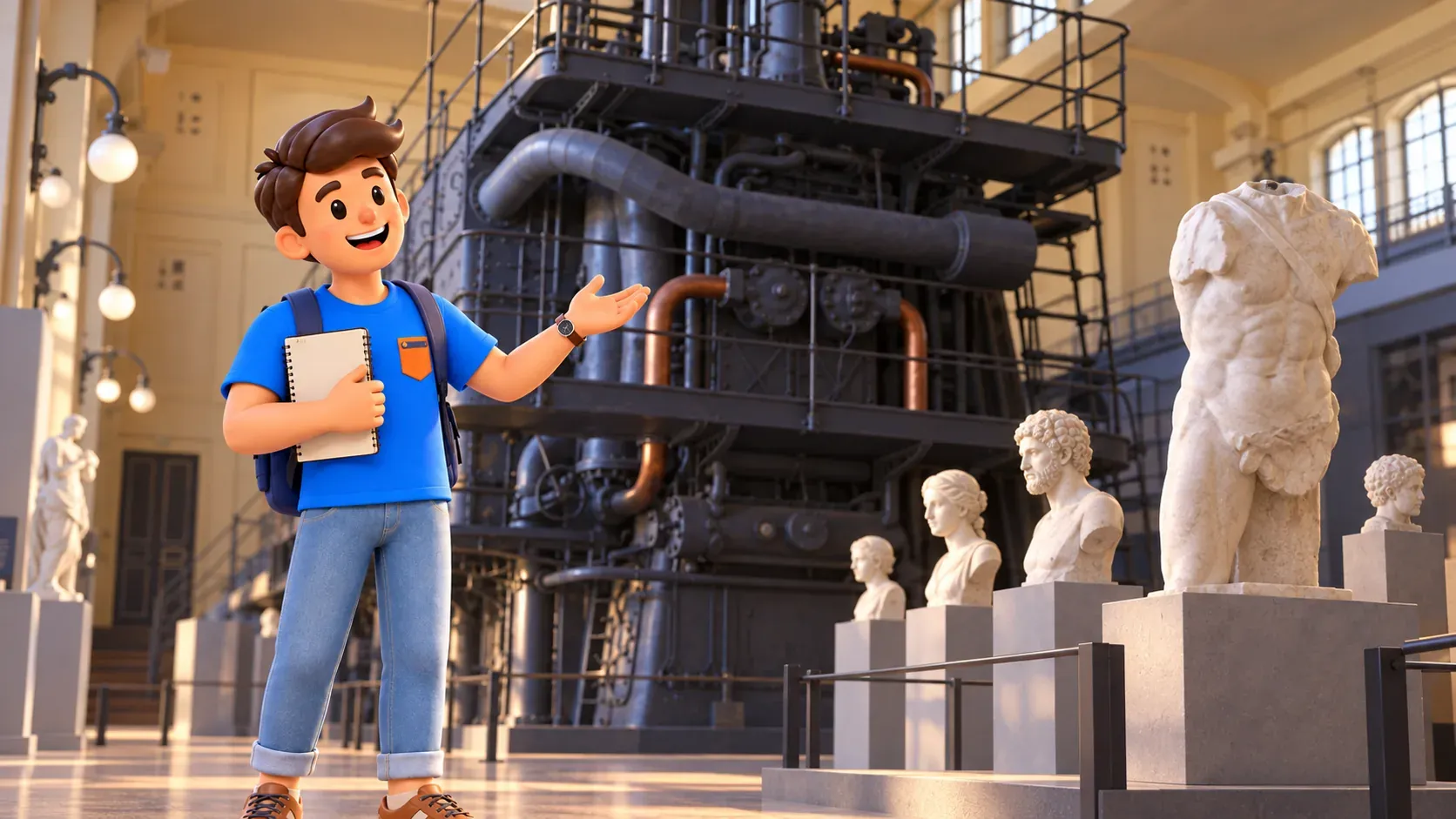
Choose a few comparisons: pale marble beside a dark engine, human scale before a huge machine, delicate treatment of a face against pipes and metal. Ninety minutes allow you to appreciate the concept and examine part of the display. They do not impose an obligation to finish every case or include the whole current exhibition.
Ordinary museum hours are Tuesday to Sunday, 9:00–19:00, with last admission an hour before closing; holiday exceptions apply. An ordinary visiting non-resident needs a paid ticket. Check current admission and exhibitions rather than relying on a Rome resident concession or assuming any previously purchased Capitoline Museums ticket includes this visit.
Lifts connect museum levels, and seating is available. If tired after the streets, use that opportunity and choose several galleries without rushing. Advance individual purchase may be convenient, but should not be described as a universal requirement for every independent visitor.
Finish at the museum exit
The finish is on Via Ostiense, rather than back beside the pyramid. Returning to a station, having lunch or continuing to another neighbourhood takes additional time. If the museum has become the day’s main pleasure, stay longer and free the following part of the schedule instead of cutting the experience short.
RoadMe can build a personal plan for the whole trip around what interests you, from antiquity to unusual neighbourhoods. The app makes it more convenient to fit these half-days together with your other days, connections and rest, so the itinerary follows your own pace.
For distributing major visits across a longer stay, see our five-day Rome plan. This morning needs just three different impressions: an unexpected outline, quiet remembrance and a museum conversation between marble and machines. Their connection makes Ostiense a worthwhile part of the trip in its own right.


