
Pilsen in Half a Day: Mexican Art and a Neighbourhood Walk
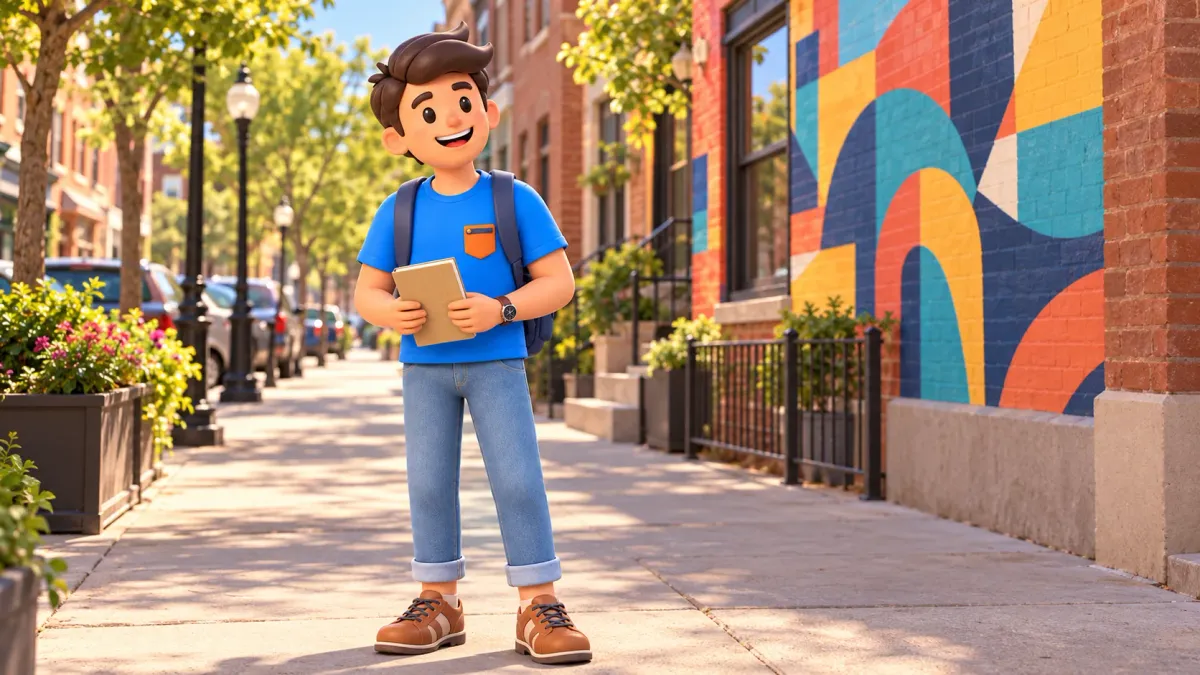
A half-day in Pilsen works well around one substantial visit: the National Museum of Mexican Art. Start with the galleries, then let a short neighbourhood walk and a selected section of public murals extend the ideas you have encountered. You do not need to cover the entire mural corridor or turn every shopfront into an attraction to make the outing worthwhile.
Allow roughly four hours in the neighbourhood, with travel from downtown counted separately. The museum is the reliable focus on a day when it is open; street observations, a rest and a meal provide flexibility. This approach leaves room for attention while keeping the difference between a cultural institution, public art and an active residential area clear.
Begin with the museum rather than a long mural checklist
Give the National Museum of Mexican Art around ninety minutes, adjusting to the exhibitions that interest you. Follow it with a brief pause near Harrison Park, an easy connection to 18th Street and, if you want more outdoor art, a short selected stretch of 16th Street. The structure provides a half-day without assuming that every visitor wants the same amount of walking.
RoadMe helps plan a complete personal trip around your dates, interests and preferred pace. Try giving Mexican art and neighbourhood life a focused half-day here, then balance the rest of Chicago with the museums, architecture and outdoor time that matter to you.
A four-hour budget might give the museum ninety minutes, a park pause twenty, street and mural observation forty, walking and orientation forty, and a meal or flexible rest fifty. These are planning blocks rather than measured timings. If an exhibition becomes the highlight, use some flexibility there instead of rushing to complete a fixed list outside.
Choose an opening day and a manageable street route
The museum is at 1852 West 19th Street. Check its current calendar before travelling; it is normally open Tuesday to Sunday and closed on Mondays, with holiday exceptions. General admission is free. A private guided visit requires advance arrangements, and an advertised event is a separate programme rather than something included automatically in an ordinary gallery visit.
After the museum, use permitted public paths around Harrison Park for a short pause. Continue by public streets towards Wolcott and north to 18th Street, then walk east towards Ashland. If you want the mural extension, head north towards 16th Street and sample a manageable section westwards towards Wood, using the public sidewalk.
This is a selected neighbourhood sequence, not a promise to see every mural or a loop covering the full district. The long 16th Street corridor is much larger than the small section needed here. Check actual sidewalks, crossings and temporary closures on the day, and choose the return journey from your real finishing corner rather than walking back by habit.
Use the museum to encounter more than one story
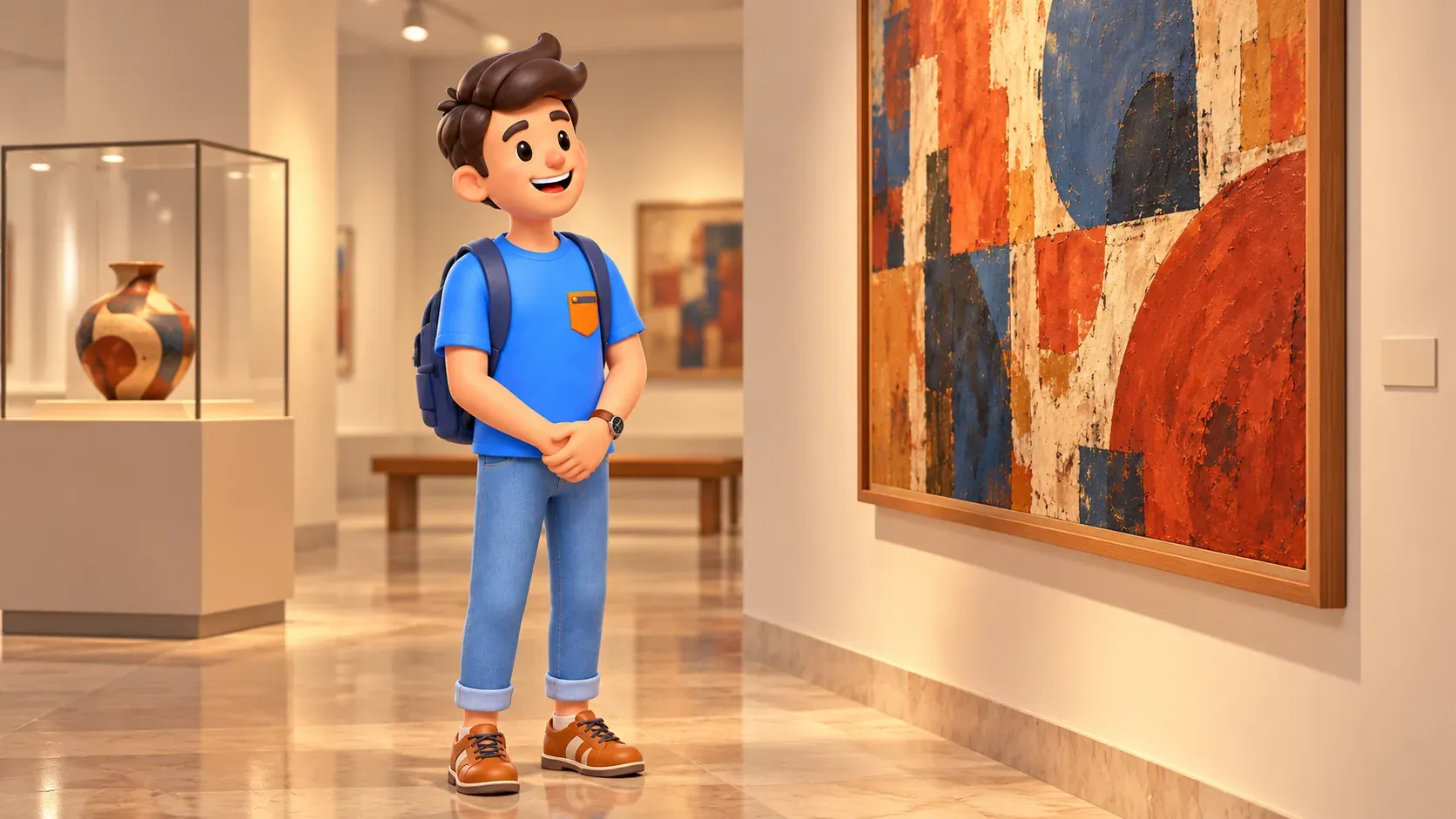
The museum’s ongoing collection presentation, Nuestras Historias, approaches Mexican identity through diverse stories across time and communities. Check what is currently on view and let the actual galleries shape your visit. A collection title is a useful orientation, but it does not mean that every work mentioned in an older guide will be displayed during your trip.
Begin with a short orientation, then choose a few works that you want to understand better. Look before reading, use the available interpretation, and return to the object with that new context. The point is not to turn a varied museum into one neat story or assume that a single image can represent all Mexican and Mexican-American experience.
Material, date, place and the artist’s own context can help you compare works without collapsing their differences. A print, a photograph and a three-dimensional object ask for different kinds of attention. Give yourself time to notice that, rather than treating every gallery as a backdrop for the same photograph.
If visiting together, select one shared work to discuss afterwards. Ask what each person noticed first and how the explanation changed that impression. You do not need to agree on a favourite or possess prior specialist knowledge. Several connected observations can make a ninety-minute visit feel substantial without a complete inventory of the collection.
Keep a normal museum visit distinct from special programming
Check the current exhibitions, access information and any particular event you hope to attend. A seasonal display, performance or workshop should be part of the plan only when it actually falls on your date and its admission arrangements fit. A familiar photograph of a celebration is not evidence that the same activity happens every day.
Do not build a year-round visit around a specific seasonal installation. The museum can remain the main experience without promising a festival, a particular artist’s work or a guided explanation on demand. If a special programme is the real reason for your trip, give its schedule priority and adjust the street walk around it.
Keep food and drink outside the galleries in accordance with the museum’s rules. The institution does not supply a meal stop simply because the wider neighbourhood offers dining. Plan the break separately and allow it to happen before or after the street section according to hunger, attention and opening hours.
Let the park pause change the rhythm
After the galleries, take a short rest on permitted public paths or at an appropriate available place near Harrison Park. Use it to gather the group and decide what comes next. The pause should not require entering another facility or finding an event; it is a practical transition from concentrated looking indoors to a neighbourhood walk.
Check the weather and remaining energy before committing to the mural extension. A comfortable museum visit followed by 18th Street can already make a coherent outing. More walking adds value only if people still want to look. There is no need to spend the remaining margin on another cultural venue just because it appears nearby on a map.
If children or older companions need a different pace, preserve the main visit and reduce the street distance. A shorter route with one good observation outside can be more satisfying than a larger circuit completed with everyone tired. The four-hour outline is there to support attention, not to test endurance.
Read 18th Street as a working neighbourhood
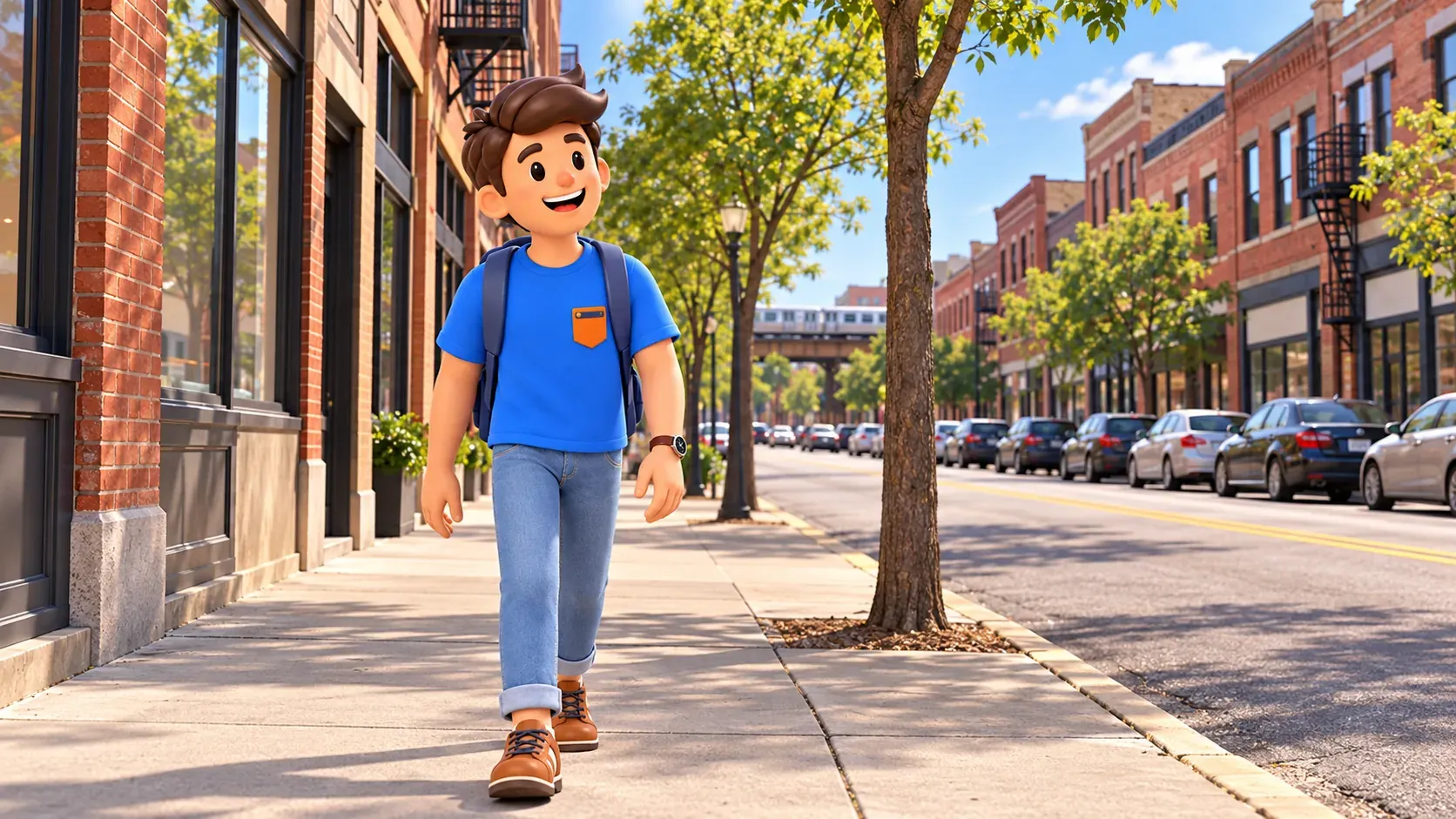
On 18th Street, look at the relationship between homes, small businesses, cultural expression and ordinary street movement. Notice scale, entrances and the way different frontages meet the pavement. The interest is not limited to finding something colourful; the street shows how daily life and public expression share space.
Keep to the public sidewalk and let people use entrances without a group gathered across them. Shop windows can be viewed from outside, but entering a business means respecting its actual opening hours and normal purpose. An attractive doorway does not imply a public gallery, and an artist’s studio is not automatically open to unannounced visitors.
Photograph thoughtfully. If a person rather than a building or artwork becomes your subject, ask first instead of assuming a neighbourhood visit gives permission. Avoid turning everyday activity into an arranged scene. You can remember a street’s character through architecture and your own observations without collecting close photographs of everyone you pass.
Leave room for a real local stop if it interests you. Choose according to the current menu, opening hours and your needs, not a claim that one dish or venue represents the entire community. A meal belongs in the day as an experience in its own right, with enough time to sit and order.
Sample 16th Street instead of walking the entire corridor
The railway embankment along 16th Street is a long setting for public art. For this half-day, choose a nearby manageable stretch rather than starting an additional end-to-end walk. What is present can change: murals may be renewed, altered or unavailable behind temporary activity. A static checklist is less useful than an attentive encounter with what you actually find.
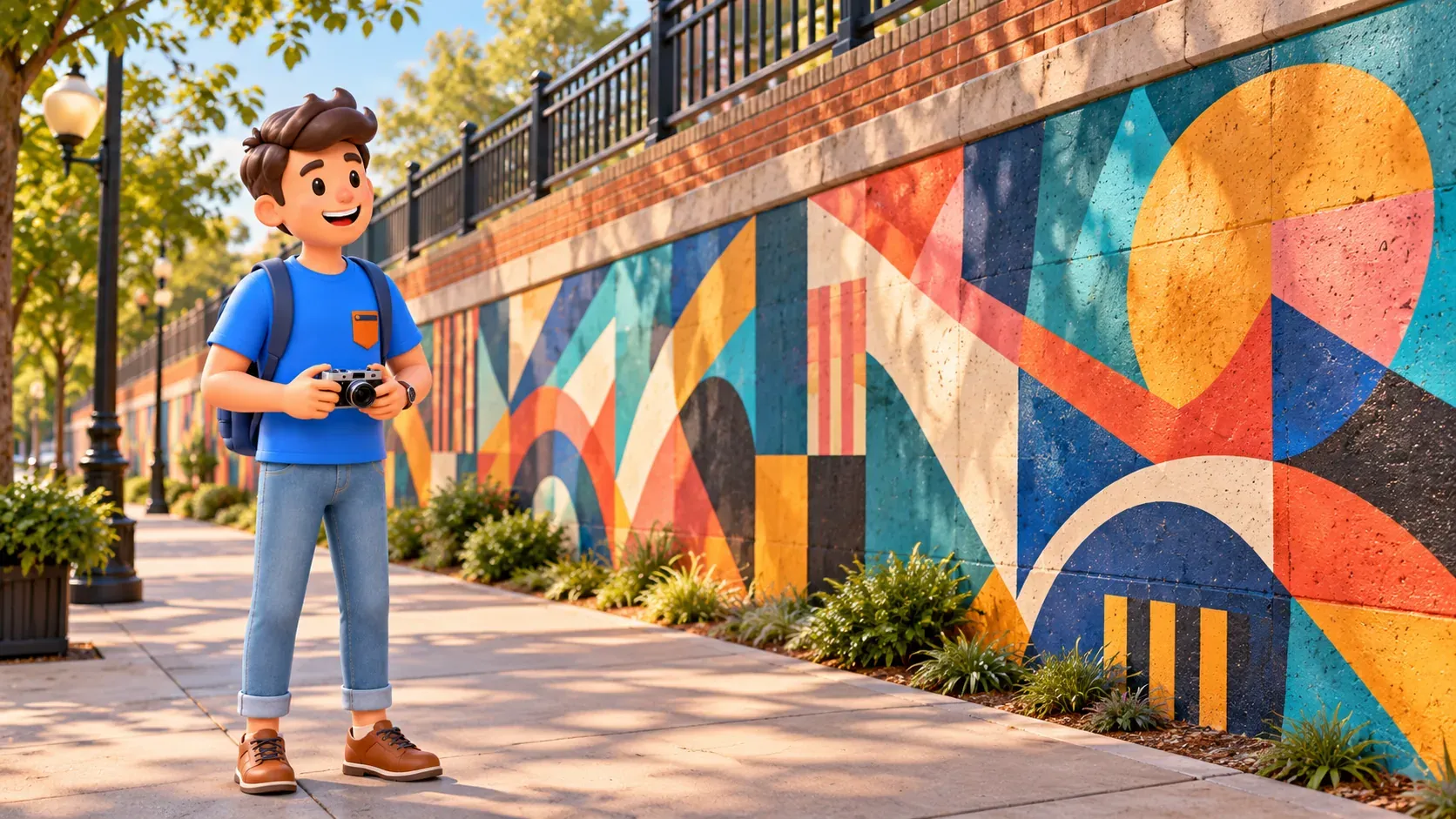
Start from the public sidewalk and look at how the wall’s size and position affect the work. A piece designed for a long surface can read differently from close up and from a permitted viewpoint farther away. Use ordinary crossings when changing sides; do not step into traffic for a wider photograph.
Read an artist’s credit or accompanying explanation when one is available. Do not infer an artist, date or subject from a resemblance to something seen online. The route does not depend on identifying a particular work correctly by memory, and an unattributed impression should remain an impression rather than becoming a confident historical claim.
Stay away from railway areas, fences, private yards and closed passages. Seeing art on infrastructure does not make that infrastructure a visitor route. You can engage with a mural from the public street without climbing, entering a property or approaching the tracks. If the sidewalk is blocked, use a permitted alternative or shorten the section.
Compare the museum and street art without making them interchangeable
The museum provides interpretation and a deliberately arranged encounter with works. The street brings scale, changing surroundings and the rhythms of a neighbourhood. Their relationship is worth considering, but they are not two identical versions of one experience. Let each keep its setting rather than expecting every mural to repeat a gallery theme.
At the end, choose one comparison you can explain in your own words. Perhaps you noticed how distance changes an image, or how a material works differently indoors and outside. This is a more useful memory than an unsupported list of artists or the number of murals you photographed.
Finish at your actual final corner and check the next journey. A substantial evening plan or another major museum needs its own time. If rain or fatigue shortens the walk, the main visit still gives the outing a clear centre. Do not extend the route simply to compensate for something that was closed.
RoadMe can build the wider trip around the interests that emerged here, balancing museum time, public art and rest at your preferred pace. Try giving a different neighbourhood or a longer art visit its own place across your Chicago days.
For a contrasting approach to outdoor art, save the downtown walk linking Picasso, Calder and Chagall for another block. Pilsen has its own focus: one museum, a living neighbourhood and a short mural encounter that leaves room to pay attention.


