
Patriarch’s Ponds and Spiridonovka: a leisurely Moscow walk
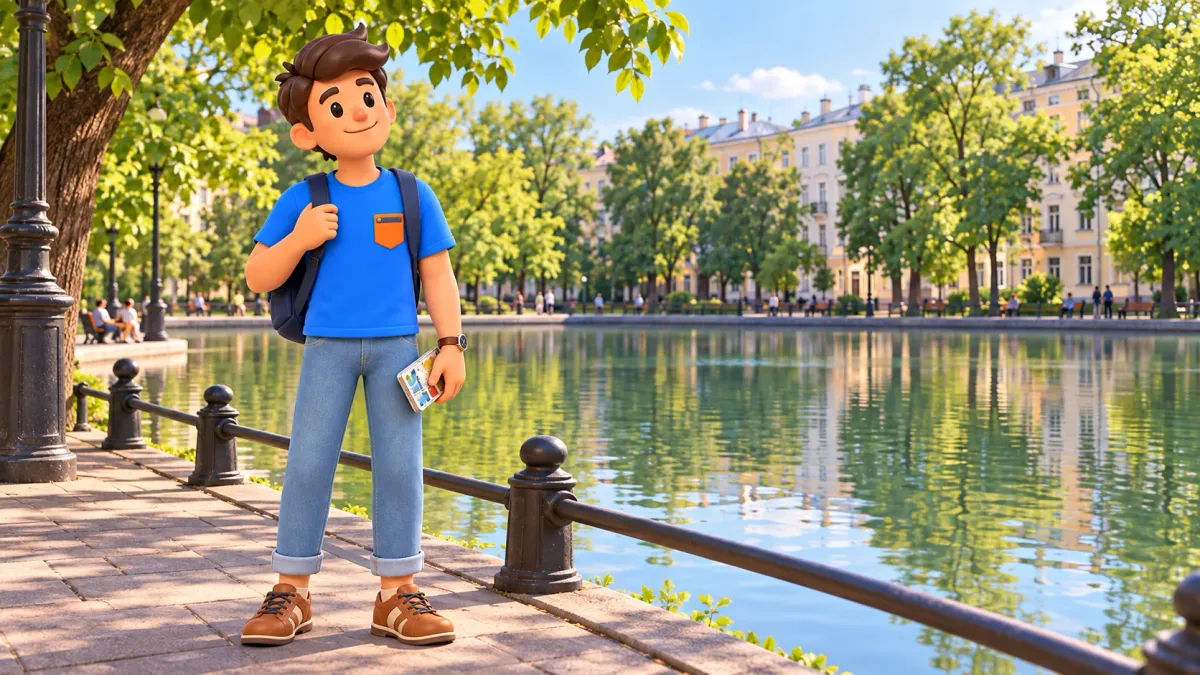
A walk from Patriarch's Ponds to Spiridonovka works best when you give it room to be ordinary as well as beautiful. There is water and greenery, a change of street corners, houses to look at and places to pause. The attraction lies in how these elements follow each other, without requiring a major ticketed visit at every stop.
This route starts around the pond, continues along the neighbourhood towards Spiridonovka, pauses outside Zinaida Morozova's mansion and finishes near the Ryabushinsky mansion on Malaya Nikitskaya. Architecture and street life are the main subjects. Literary associations can inspire a separate outing; here they need not determine every turn or make you search for a particular fictional scene.
A simple route with time to stop
Use roughly two to three hours for a selective outdoor walk and a short break. This is a planning estimate, not a measured walking time. Reaching the pond from your accommodation and leaving the final stop are separate journeys. If you choose a museum visit, give it additional time rather than silently absorbing it into the same allowance.
For a walk shaped around architecture, neighbourhood atmosphere or your preferred pace, try RoadMe: the app develops a personal route and trip plan for your interests and dates. Using the plan on the move is more convenient than rebuilding the day's sequence from separate recommendations.
- Begin at Patriarch's Ponds and choose a short section of the waterside paths.
- Leave through the local street network towards Spiridonovka.
- Pause outside the Morozova mansion at 17 Spiridonovka.
- Continue towards the junction with Malaya Nikitskaya.
- Finish outside the Ryabushinsky mansion, with the Gorky museum as an optional separate visit.
Keep the exact approach flexible, following pedestrian crossings and available paths. You do not need to make a complete lap of the pond before leaving. A clear progression from water to streets and then to two contrasting houses is enough to give the outing a beginning, middle and finish.
At the pond, let the neighbourhood set the rhythm
Start by looking at the water and the buildings beyond it. The open surface gives the surrounding facades room to appear together, which is different from seeing them at close range in a narrow street. Choose a place to stand without blocking the path and take a moment before deciding which stretch to walk.
The familiar plural name refers today to a setting centred on one pond. For this outing, that practical fact matters more than an exhaustive history of the earlier landscape. You are not trying to find several distant bodies of water or complete a circuit through an entire park system. Keep your attention on the small scale in front of you.
Walk a section that gives you a pleasing view and an easy exit towards the streets. Repeating a full circle simply to say you have done it can use time that would be better spent outside the mansions later. With companions, agree whether the pond is a brief introduction or the main pause of the outing.
Benches and waterside paths are shared with residents and other visitors. If there is no suitable place to sit, take a standing pause away from the main flow or save the rest for later. A leisurely walk does not depend on securing one particular bench or recreating a photograph you have seen online.
From the water to Spiridonovka: notice the transition
Use the surrounding lanes to make your way towards Spiridonovka, choosing the pedestrian route appropriate to your starting corner. The neighbourhood rewards small observations: the depth of an entrance, a window above street level, the difference between a detached house and a continuous frontage. These details are easier to notice when you are not chasing every named address.
Look back once after leaving the pond. The change of setting is part of the route: open water gives way to more enclosed views and closer architectural details. It is useful to recognise that change instead of immediately reaching for a new landmark. The walk can contain an ordinary stretch of pavement and still feel purposeful.
Do not turn residential entrances into unofficial shortcuts. A passage that appears open may serve the people who live or work there, and this route does not rely on courtyard access. Stay on public streets unless a specific visit is clearly permitted. If a path is temporarily blocked, use the visible public alternative and keep the overall direction.
The Morozova mansion: a change in architectural character
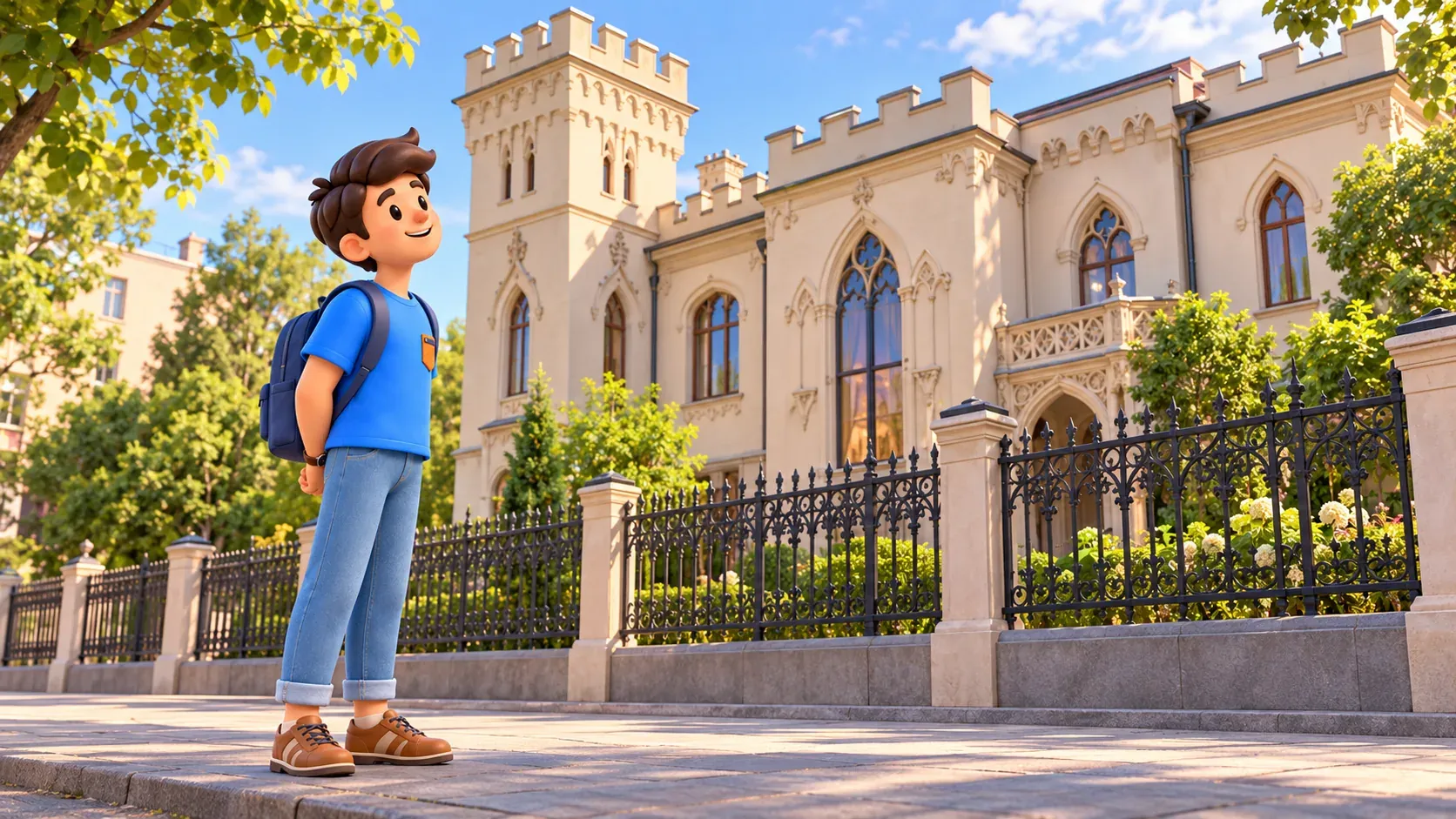
At 17 Spiridonovka, pause outside Zinaida Morozova's mansion. Its neo-Gothic character gives this stretch of street a distinctive profile. The building was designed by Fyodor Shekhtel, whose name will connect it with the later stop at the Ryabushinsky mansion. One architect's work can produce very different impressions within a short walk.
For an exterior visit, look at the building's asymmetry and the way the mass rises and changes direction. You do not need to identify every decorative reference. First take in the outline, then choose one feature that helps you remember it. A useful comparison will become possible when you reach the next house.
The mansion is used as an official reception house and is not a museum with casual walk-in access. Stay in the public area, observe any restrictions and avoid obstructing entrances. If a separately organised visit is available, it has its own conditions. This route remains complete with the exterior stop and does not promise access behind the fence.
Resist the temptation to add a dramatic anecdote just because the house looks suited to one. Its architecture provides enough interest without turning an unverified story into a historical fact. If literary associations are your main reason for coming, give them a dedicated, properly sourced route rather than allowing them to take over this neighbourhood walk.
Continue along the street, keeping the houses in context
Move towards the Malaya Nikitskaya end of Spiridonovka. The pavement between the two mansions helps keep them in context: these are buildings in a living district, not isolated exhibits. Notice differences in how houses meet the street, where greenery breaks the frontage and how a corner changes the view of a facade.
Choose one or two pauses instead of stopping at every attractive detail. The purpose is to stay attentive, not to accumulate the maximum number of images. If a building is partly hidden by trees, enjoy the visible relationship between house and garden rather than searching for a place inside private grounds to obtain a clear view.
Take a break when you need one, leaving enough time for the final exterior stop. A long meal would change the outing's balance and can be planned as its own continuation. There is no need to recommend a specific restaurant for the architecture route to work; the important choice is where the pause belongs in your available time.
Ryabushinsky's mansion: a different response from the same architect
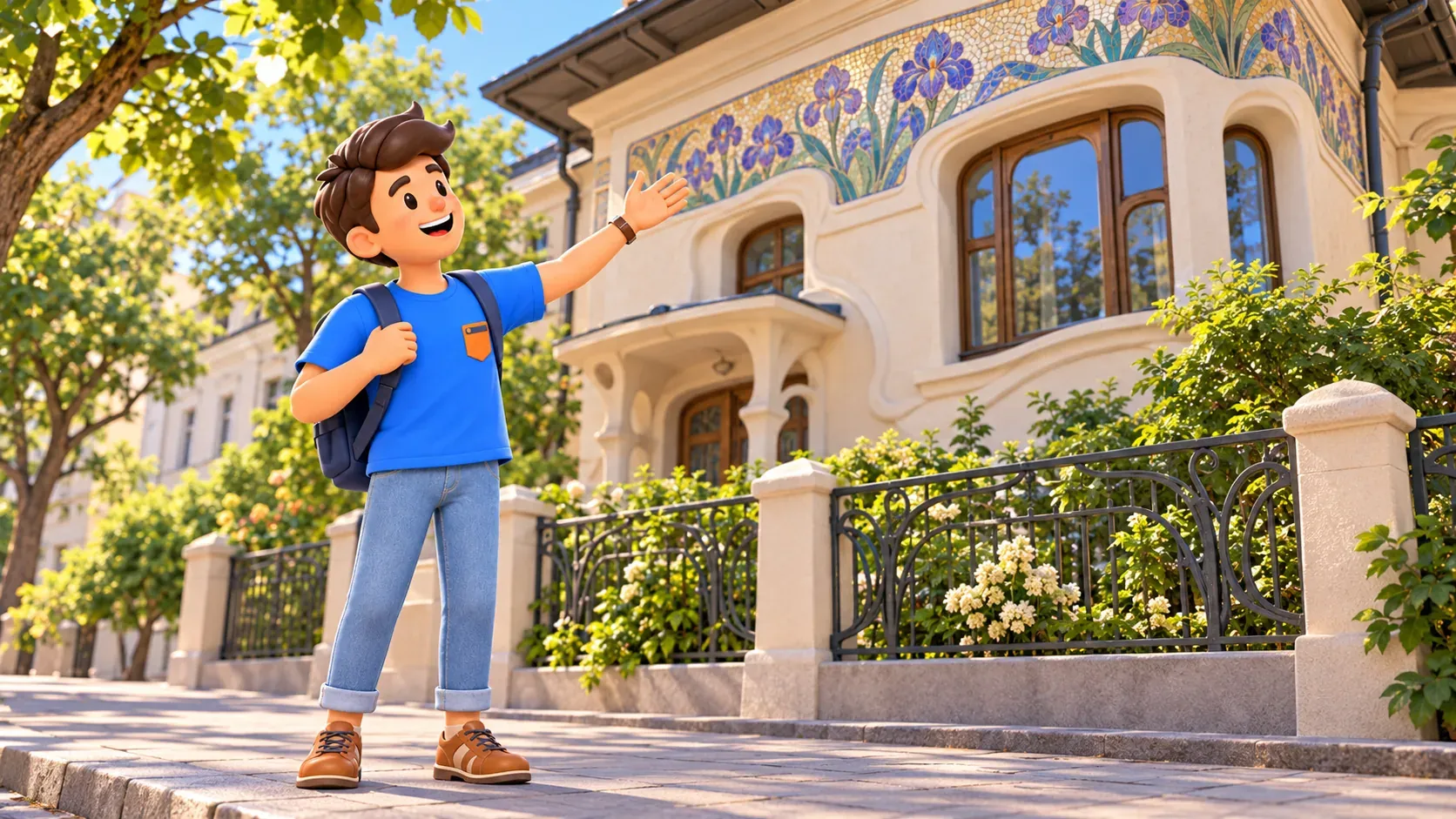
The Ryabushinsky mansion stands at Malaya Nikitskaya, 6/2. Here Shekhtel's architectural language changes towards Art Nouveau. Compare the softer lines and decorative treatment with the earlier neo-Gothic impression. You do not have to decide which house is better. The useful discovery is how differently an architect can respond to a site and a brief.
Start with a view from the public street and only then look for the details visible from your position. Trees, fences and current visitor arrangements affect what can be seen. The image of a building in a guide is not a guarantee of the same unobstructed angle. A partial view can still reveal the character of the house.
The Gorky apartment museum occupies this mansion. For an actual museum visit, use the official address at Malaya Nikitskaya, 6/2, building 5, and the visitor approach indicated by the museum from Spiridonovka. Do not follow a different literary address merely because it shares Gorky's name. Check your ticket and destination before leaving the neighbourhood.
The distinction between exterior stop and museum visit is important here. If you only have the planned walking window, finish outside. If interiors interest you enough for a longer visit, give them a proper slot and verify the current calendar. A visible museum entrance does not mean every date has the same access conditions.
If you add the museum, let it become the main interior visit
A museum can deepen the architectural part of the outing, but it changes the pace. Reading rooms, looking at objects and following visitor rules require a different kind of attention from walking past facades. Leave time to arrive, present the correct admission and spend a meaningful period inside rather than treating the threshold as the only extra step.
If you want more interiors, more time outside or a different balance for the rest of your stay, RoadMe develops a personal plan around those interests and your dates. Keeping the programme in the app helps you use the available hours effectively instead of adding every nearby museum to an already full walk.
When checking the museum, look for notices applying to your date as well as the regular schedule. Special closures can matter even when a general weekly description suggests an open day. If the museum is unavailable, keep the two-house comparison outdoors and use the saved time for a longer neighbourhood pause or an earlier finish.

How to keep a quiet walk comfortable
Choose daylight if your main interest is seeing architectural detail. Evening may give a different atmosphere around the pond, but it changes visibility and should not be assumed to improve every facade. In poor weather, shorten the waterside section and avoid making a distant photo opportunity the reason to continue when everyone would prefer a warm break.
With children or anyone who tires easily, make the pond pause real and keep only the two main exterior subjects afterwards. A smaller list gives space for questions and rest. If you need step-free access, check actual paths, crossings and any museum entrance separately. This outline does not certify accessibility and cannot replace a check of the specific visit.
Keep phones and cameras away while crossing roads. Step aside to look upwards or compare photographs. A district's quieter appearance does not remove its daily traffic or the needs of residents. Small habits like leaving doorways clear and avoiding photographs through windows help the outing remain pleasant for everyone who uses these streets.
Finish with the contrast you came to see
Before leaving the Malaya Nikitskaya area, take a moment to recall the sequence: water and an open view, enclosed lanes, a neo-Gothic house and a different approach to Art Nouveau. The walk is complete when those impressions connect. It does not require an extra attraction at the end to justify the time spent looking.
If you are planning a wider first visit, our one-day Moscow introduction offers a different central framework. Keep this neighbourhood outing as a separate, slower block and use its final transport journey to leave comfortably, rather than turning every nearby street into another obligation.


