
Ortaköy in two hours: mosque, Bosphorus and a waterfront mansion
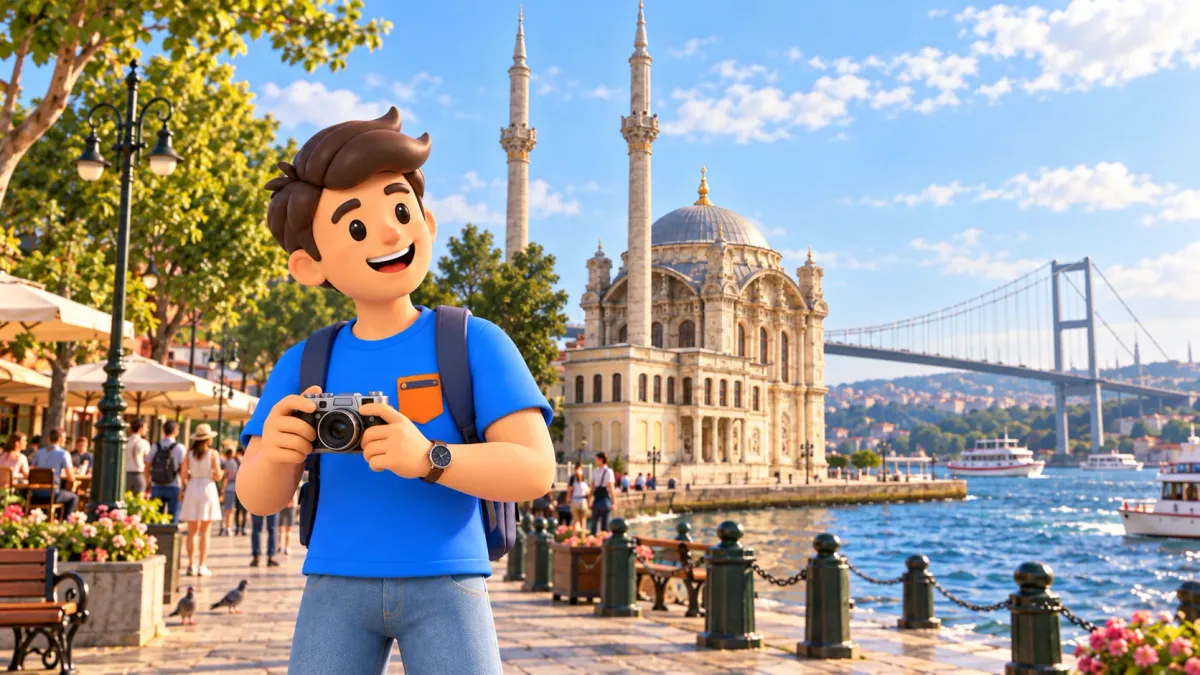
Ortaköy works best as a small encounter with the Bosphorus rather than a race along an entire waterfront. Give the neighbourhood two hours after you arrive, and a few experiences can carry the visit: the mosque beside the water, a different kind of historic mansion nearby, something to eat, and a short wander through the streets behind the familiar view. You do not need a long checklist to make this part of Istanbul memorable.
This walk starts in Ortaköy itself. It combines the public square, the exterior of Büyük Mecidiye Mosque, accessible public approaches near Esma Sultan Mansion, a food break and a return to the strait. Mosque entry is optional and depends on actual visitor access. All timings are editorial estimates, not measured walking records. Travel from your accommodation, transport queues and a substantial restaurant meal belong outside the two-hour outline.
A two-hour outline with room to pause
Allow about twenty-five minutes for the square, mosque exterior and first view across the water. Give the public-street approaches towards Esma Sultan around fifteen minutes, a snack thirty minutes, nearby lanes twenty minutes and a final waterfront pause ten minutes. Keep the remaining twenty minutes as a buffer. The figures describe a possible rhythm, rather than appointments you must meet to have a successful visit.
RoadMe makes it much easier to turn this walk into a personal plan for your whole trip, working out a route around your interests, available days and comfortable pace. Choose more architecture, local food or time beside the water, and let Ortaköy fit the Istanbul you actually want to experience.
If the mosque is admitting visitors and you would like to go inside, allow roughly fifteen minutes by shortening the street loop or using part of the buffer. Do not simply add every option to an already full programme. Likewise, eat first if you arrive hungry. Changing the order of a small walk is often more useful than preserving a sequence that no longer suits the people walking it.
Agree on a clear meeting place that leaves entrances and pedestrian routes open. “By the mosque” can be surprisingly vague when everyone is looking at a different side of it. If some companions enter and others stay outside, set a time to meet again. For a short visit, this simple agreement prevents a disproportionate amount of time disappearing into searching for one another.
The square: look before taking the photograph
Start with a minute without your phone. Notice how close the mosque stands to the water and how the suspension bridge changes the scale of the scene behind it. Then look at something smaller: an arched window, carved stone or the changing line of a passing vessel. Switching between the broad view and one detail makes the square more interesting than a quick attempt to reproduce a familiar travel photograph.
There is no single compulsory camera position. Find a place where you can stop without blocking people, take a picture, then move a few steps and compare. One angle might give the mosque more space; another might make the strait the main subject. You can leave the bridge partly out of the frame to concentrate on the building. A clear, considered view is usually more satisfying than waiting indefinitely for an empty foreground.
A breeze beside the water can feel different from conditions in the streets behind it. Keep a light layer accessible and carry less equipment if it helps you move comfortably. With children, agree where to stand together and stay back from the water’s edge. Take photographs in turns so that one adult can remain attentive to children and bags while another concentrates on the composition.
Ortaköy Mosque: a little history, a closer look
The mosque’s formal name is Büyük Mecidiye. It belongs to the nineteenth century and was commissioned by Sultan Abdülmecid. Its richly worked exterior and tall windows offer a useful contrast with the larger classical Ottoman mosque complexes you may have seen elsewhere. Rather than memorising a list of stylistic terms, look at the relationship between decoration, openings and light. That observation is enough to give the stop some architectural substance.
An exterior visit is a complete part of this route. Begin with the silhouette, then choose two features to examine more closely. You might compare the height of the windows with the surrounding wall or follow a carved pattern across a small section of stone. Finally, look back towards the water. The setting helps explain why this comparatively compact building has such a strong visual presence.
Decide about entering according to current signs, staff guidance and worship. This is a working mosque, and sightseeing needs to fit around its religious life. Wear suitable clothing, remove shoes where required and avoid photographing people at prayer without permission. If visitor access is restricted or the interior is crowded, continue with the outdoor route. Waiting for an obligatory tick is not necessary for understanding the neighbourhood.

Esma Sultan Mansion from the public approaches
Esma Sultan Mansion stands close to the mosque and introduces another way of looking at Bosphorus architecture. Approach only along currently accessible public streets and spaces. Nearby waterfront property does not automatically provide a public promenade. The view available from outside can vary with access arrangements and events, so treat this as a brief architectural stop rather than a guaranteed circuit of the grounds.
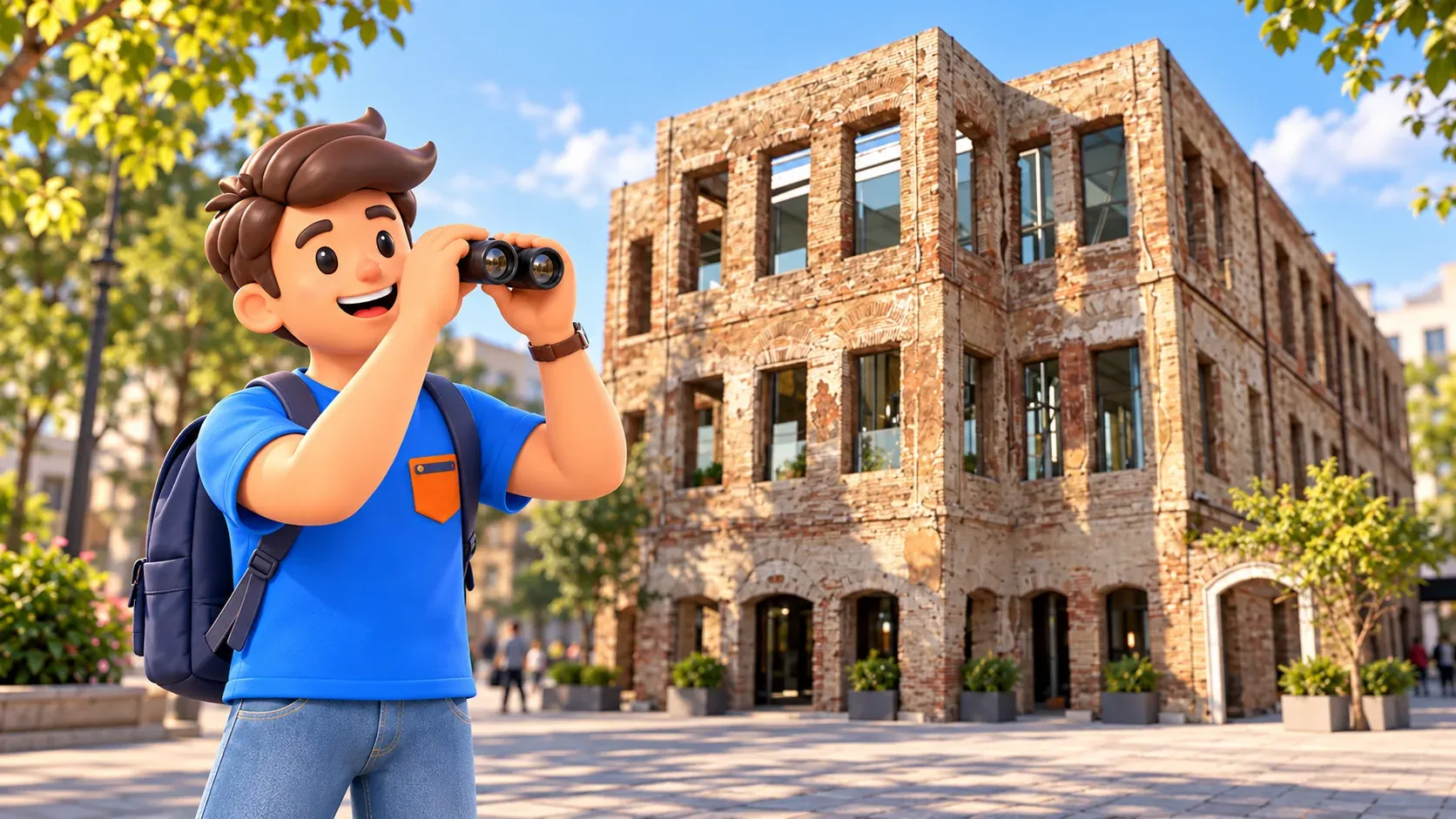
The building’s surviving historic masonry surrounds a modern inner structure of glass and steel. That contrast tells a story about giving an old shell a new purpose after the loss of its earlier interior. It is an interesting idea to carry away even if the modern structure is not clearly visible from your position. You do not need to see every part of the restoration to understand that the building has changed over time.
The mansion is used for events. Being listed as a place of interest does not make its rooms a public museum or guarantee that you can walk inside. Keep interior access out of the basic plan unless you have independently confirmed a suitable arrangement. If an approach is closed, look from an available public position or move on. A short outside visit should never depend on entering private or service areas.
Compare the mansion with the mosque rather than adding more buildings immediately. Both belong to the same waterfront setting, yet they serve different lives today: worship in one case, an adapted event venue in the other. This small comparison gives the walk a theme. It also leaves room for the ordinary pleasure of being in Ortaköy, instead of turning a short visit into an inventory of every historic address nearby.
A food break that stays a break
Kumpir, a large baked potato filled with toppings, is one option if it appeals to you; a simple drink and a seat can work equally well. Choose one main pause rather than a sequence of compulsory tastings. Thirty minutes is a planning allowance for a straightforward snack without a long queue. A busy counter, a complicated order or a full meal can extend it, so make the choice with the rest of your day in mind.
Check the portion, ingredients and final price of your selected additions before ordering. Ask the seller directly about dietary requirements instead of relying on the appearance of a dish. A comfortable table and a clear order can matter more than a perfect mosque view. You have already spent time with the panorama; this part of the route can simply be about sitting down and enjoying what you chose.
If eating outside, find somewhere appropriate to stop and leave pedestrian space clear. Wind, a generously filled potato and a camera are not an ideal combination while walking. Give food its own attention. Afterwards, decide whether you would prefer another look at the water or a brief street loop. That small choice can make the visit feel personal without requiring a completely new itinerary.
A short street loop and a return to the strait
Step away from the main postcard view for a modest wander through the nearby streets. Look at ordinary facades, shop windows and the change in scale between the square and the surrounding city. Twenty minutes allows a small detour with a return, not a search for every hidden corner. If a street starts taking you much farther uphill than you want, turn back early and preserve energy for later.
Notice how sound and light change after only a few turns. Browse if something interests you, but do not make shopping another requirement. One purchase you actually want is more useful than several hurried souvenirs. Keep a straightforward way back in mind, especially if your group has different walking speeds. The point of leaving the water briefly is to add another impression, not to create an unnecessary navigation challenge.
Return for around ten unstructured minutes by the Bosphorus. Watch the vessels, look once more at the mosque or finish a conversation without setting another task. This is the close of the walk. If the square is uncomfortably busy, finish earlier rather than treating the timetable as a test. A satisfying visit is measured by attention and comfort, not by using every remaining minute.

When to shorten it, and what to leave for later
On a crowded weekend or evening, use the buffer rather than rushing road crossings or removing a needed rest. In rain, neither the mosque nor the mansion is a guaranteed shelter for the whole visit; shorten the outdoor sections and choose an operating café if appropriate. With a pushchair or limited mobility, assess actual surfaces, kerbs and available access. A compact neighbourhood does not automatically mean a continuous step-free route.
Çırağan Palace lies farther towards Beşiktaş and can be a separate continuation of an interest in waterfront architecture. It is not an invisible addition to these two hours. Allow separately for the journey and any intended stop, and do not expect an uninterrupted public waterside path. Along this shore, the practical city route and access to the water do not always coincide.
For another day, consider the Dolmabahçe to Beşiktaş walk with the Naval Museum. If you would prefer greenery, the Yıldız Park half-day walk offers a different rhythm. Choose according to your main interest and available energy rather than proximity alone. These experiences can belong to one Istanbul trip while occupying separate, comfortable parts of it.
Keeping and using your complete personal itinerary is much more convenient in RoadMe, where the places that interest you become a considered plan for the trip. Download Istanbul in advance while connected to the internet to use maps and navigation offline afterwards.
Before leaving, check the actual stop or pier, direction and current transport option for your next destination. Water nearby does not mean that any departing ferry goes where you need. Leave time for the approach and waiting. The walk itself can end without hurry: a mosque, an adapted mansion, a food pause and the Bosphorus already make a coherent small chapter of Istanbul.


