
Dolmabahçe to Beşiktaş: Palace Architecture and Maritime History

Between Dolmabahçe and Beşiktaş, connect two images of Istanbul: ceremonial architecture and a city where water is also a road. Begin near the clock tower and palace complex, follow public streets towards the Naval Museum and finish in Beşiktaş. The direction is clear and the mood changes: decorated stone, urban movement, maritime history and an ordinary neighbourhood pause. Give each part a role and the route becomes an outing of its own.
Allow roughly three to four hours after arriving at Dolmabahçe if including a short Naval Museum visit. Palace interiors belong to a separate main block. Without entering the museum, the walk can shrink to about two to two and a half hours. These are editorial estimates, excluding accommodation travel, queues and onward journeys. Choose the length according to the subject you most want to experience.
Share the day between palace architecture and maritime history
Follow an available exterior approach around Dolmabahçe Mosque and Clock Tower, the palace complex from outside, public streets towards Beşiktaş, the Naval Museum, a food or coffee pause and a brief water view from accessible public space. Keep one overall direction. Returning to the start simply to make a circle is optional. Beşiktaş can provide a clear finish before choosing the next part of the day.
Building this day into a complete personal trip is much more convenient in RoadMe, which develops an itinerary around your interests, available days and comfortable pace. Choose more time for palaces, maritime history or waterside walks, and give Beşiktaş the right place in your own Istanbul.
Allow forty to fifty minutes for the opening architecture, twenty-five to thirty-five for the street transition, an hour to ninety minutes for a short museum visit, thirty to forty for a pause and fifteen to twenty for the finish. Leave orientation reserve. These blocks make the choice visible: a full palace visit cannot disappear unnoticed between the tower and lunch while preserving the original duration.
If palace interiors are the main wish, rebuild the day around their ticket and visiting arrangements. Afterwards, use Beşiktaş for rest and decide separately about the museum. For maritime interests, an external palace introduction is enough. Two worthwhile places then avoid competing for the same attention. Choosing one substantial visit is often more useful than spending the day calculating how many minutes remain for the other.
At Dolmabahçe: find the architectural rhythm
Use permitted exterior approaches near the mosque and tower, following actual access and restrictions. Seeing a facade, approaching the tower and entering palace rooms are different levels of a visit. Do not assume every space beside a famous palace is freely open. Start with what is available, choosing a comfortable position that leaves room for other visitors and ordinary circulation around the entrance.
At the tower, read the vertical outline first, then select a detail: clock surround, column, ornament or transition between levels. Close views offer many small elements, so focus helps. One general photograph and one fragment can be enough. You do not need to examine and photograph everything simultaneously. The walk still has several different stops ahead, and the opening benefits from a clear impression rather than an exhaustive survey.
The nearby mosque gives another volume to the opening scene. For an interior, check visitor access and the rules of an active place of worship, especially during prayer. The exterior already suits the compact version. Compare the dome with the upward emphasis of the clock tower. A readable pair makes a useful beginning without turning the first minutes into compulsory detailed visits to every room.

The palace: why an exterior introduction matters
Dolmabahçe is a nineteenth-century palace created under Sultan Abdülmecid and used from 1856. For today's route, this brief context is enough. Its scale differs from a small historic quarter, and an external approach can suggest how a ceremonial complex gives a part of the city its character. Rooms and collections deserve their own time rather than a few spare minutes before the next transition.
From the urban side, do not expect exactly the same view as a photograph of the long palace taken from the Bosphorus. Different viewpoints create different experiences. Here, accessible approaches, architectural fragments and the movement towards Beşiktaş are the subject. An overall view should not require entering a restricted area. A limited external perspective can remain rewarding when the expectation matches the actual format of the walk.
For palace entry, check the current ticket coverage, calendar and procedure with the owner. Monday is normally closed, with holidays requiring attention. If choosing the palace as the main event, provide a real allowance for visiting and waiting. A compact street walk and a detailed interior programme solve different travel needs. Their timings should differ too, even when the buildings appear close together on a map.
To Beşiktaş: an urban route beside the waterfront area
Continue towards the Naval Museum along ordinary public streets and permitted pavements. This route offers no continuous public promenade immediately beside the water along the entire palace boundary. A waterfront district still has property edges, entrances and traffic. An understandable transition on the accessible street side is more useful than trying to remain as close as possible to the Bosphorus simply because a map makes that line attractive.
Shift attention from stone details to how the city works. Notice where people change direction, the difference between a large facade and a small entrance, and where a brief stop fits. Ask the group which is more present now: the ceremonial complex or an everyday neighbourhood. This gives the transition content without turning every junction into a new attraction needing its own explanation and photograph.
For a pushchair or mobility requirements, assess actual pavements and crossings. A seaside location alone does not guarantee smooth step-free access. In heat, keep water and a pause; in rain, respond to the surface. Avoid a tightly scheduled ticket-desk arrival. Even a short urban transition can take longer when a comfortable detour or rest is needed, and that reserve belongs to the real day.
The Naval Museum: choose your way of looking
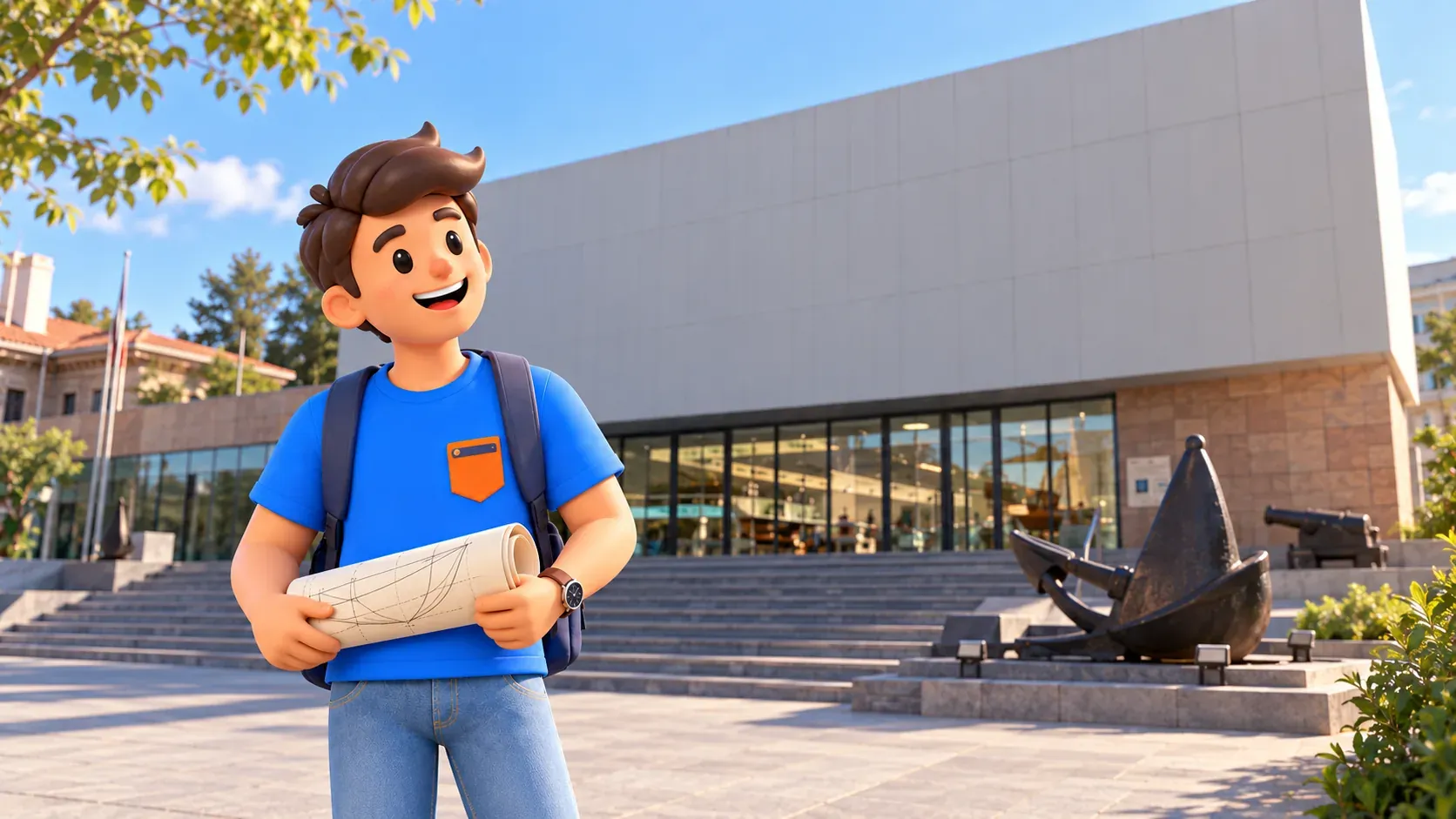
The museum's history began in 1897; its more recent Beşiktaş chapter includes a new building opened in 2013. Maritime culture is its subject, with royal boats and ship models among historically important collection themes. After palace stone, change the language of observation towards a hull's form, an object's scale and movement on water. The short context explains why this cultural stop belongs in the same outing.
Check current visiting days, tickets and available sections. An old museum description need not reflect today's gallery arrangement. If a specific object is your reason for coming, confirm its display rather than only whether the building opens. An hour to ninety minutes works better around one interest. A complete survey of all exhibition subjects deserves a longer separate block, especially if you enjoy close reading of labels.
Technical interests can focus on a vessel or model's form and construction; artistic interests on decoration and composition. You need not recognise every term. Ask what relates to movement and what expresses status. Your response can begin as an observation, while precise functions and dates come from museum explanations. This keeps looking enjoyable without turning an impression into a confident historical statement unsupported by the information beside the object.
For a family, choose one clear task: follow a hull's long line, compare two models' proportions or notice a repeated motif. Adults and children may respond differently. Leave room to complete a selected section and pause, rather than promising equal enthusiasm for every gallery. A few good observations can make the museum more memorable than a fast progression through everything simply to finish it.
Afterwards: Beşiktaş as a place to pause
Give the neighbourhood ordinary time after the historical block. Choose food or coffee by actual location, menu and seats. A compulsory waterfront table is unnecessary; an urban street can offer a quiet pause too. What matters is temporarily stopping the movement from object to object. Thirty to forty minutes suits a short rest, while a substantial lunch enlarges the plan and should receive its own allowance.
Agree on the pause before ordering. Someone wanting a meal and someone wanting only coffee can settle expectations early. Ask about portions, prices and ingredients, especially for dietary requirements. Rest does not need to become another difficult search for the most famous venue. A good table suits the people, their appetite and the available time. Its usefulness is more practical than the popularity of a particular photograph.
At the table, compare what remained from the architecture and what the maritime subject added. This helps choose another day: a detailed palace, perhaps, or a waterside outing with fewer interiors. Both wishes need not be fulfilled immediately. If already in Beşiktaş, you can also reverse today's route from the museum, placing the pause around the architecture block. The principle remains one substantial interior with time to spare.
Water and a clear finish
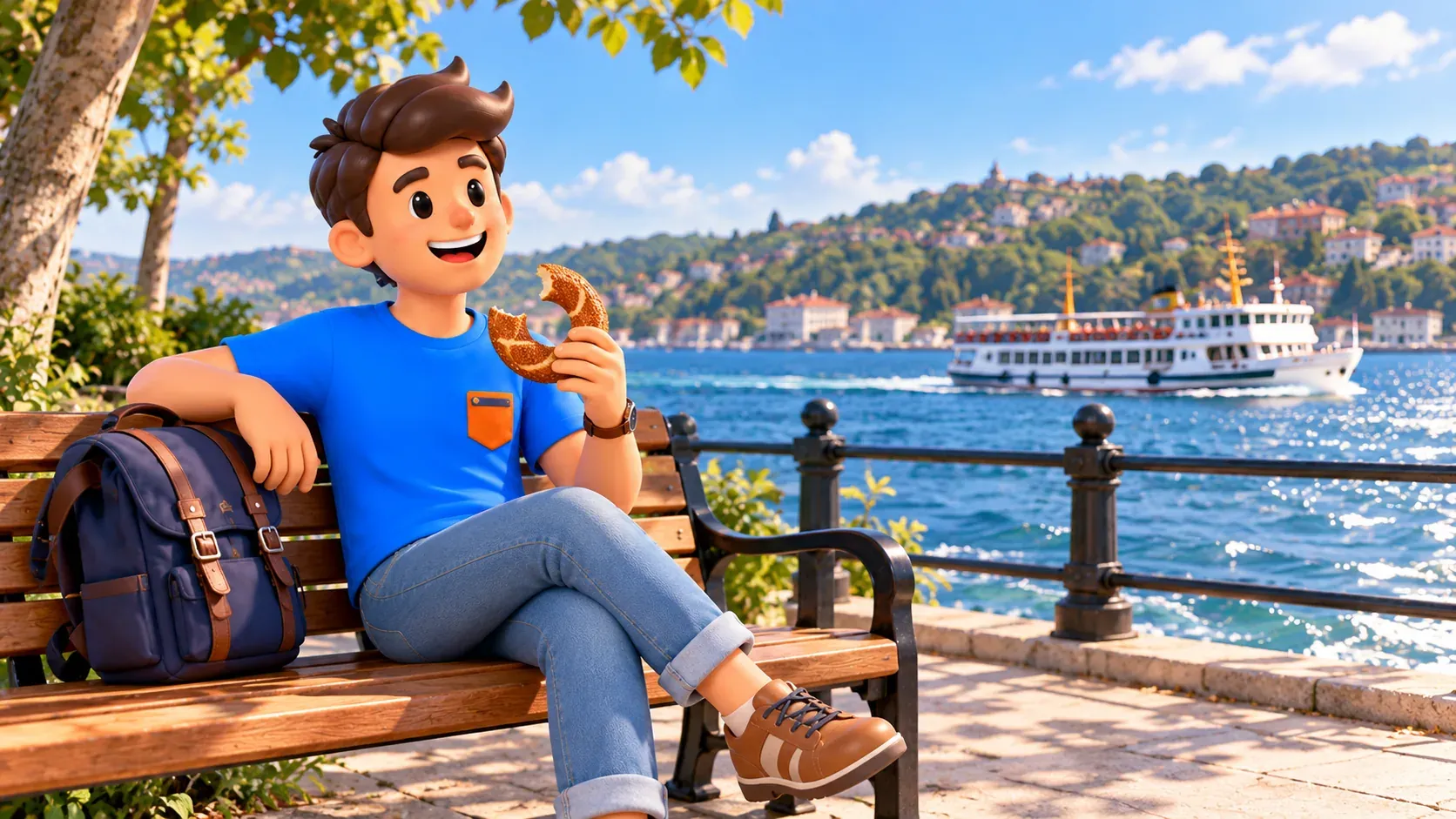
If energy remains, end with a brief water view in accessible public Beşiktaş space. This is a pause in its own right, without requiring a boat trip. Notice the difference between museum objects and ordinary movement today, without making technical comparisons. The shore adds another sound and scale. Fifteen to twenty minutes can be enough before choosing transport for your next address and considering the onward journey separately.
To leave by water, check the relevant pier, direction and current timetable. A nearby landing does not mean a convenient direct journey to every city destination. The approach and wait belong to the next transport block. For a meeting, name a specific departure point: a large neighbourhood may contain several entrances and stops. Beşiktaş alone is too broad a description to guarantee that everyone arrives at the same place.
The Çukurcuma walk with the Museum of Innocence offers another Istanbul scale, focusing on smaller objects and streets. Give the outings different days if you want to observe calmly and rest. That preserves the neighbourhoods' differences and avoids an uninterrupted sequence of interiors beginning to merge in memory. A route is more useful when it leaves room for your actual interests, including those discovered during today's visit.
The whole personal plan is more convenient to use in RoadMe, where chosen places, interests and days form a coherent trip that stays easy to consult. Download Istanbul beforehand with an internet connection to use maps and navigation offline afterwards.
The balance is a strong architectural opening, one selected cultural block and a living neighbourhood at the end. Dolmabahçe gives scale, the Naval Museum changes the subject and Beşiktaş offers time simply to be in the city. Keep those roles and a few hours become a distinct memory of Istanbul's waterfront area.


