
Milan in Two Days: the Historic Centre, Brera and a New Skyline

With two full days in Milan, give the first to the cathedral area, La Scala, Sforza Castle and Parco Sempione. Use the second for a proper art visit in Brera, the contemporary spaces of Porta Nuova and an evening on the Navigli. This division lets you enjoy the classic centre and then see how a different Milan fits around it.
The plan assumes two days available in the city, rather than an arrival afternoon and a departure morning. Choose reservations before fixing the order, especially for Brera. Walking distances and suggested durations below are editorial planning estimates, not measured tracks or guarantees about queues.
Give each day its own main experience
For a balanced first visit, choose one substantial experience at the Duomo on day one and one at the Pinacoteca di Brera on day two. The intervening squares, castle courtyards and outdoor neighbourhoods provide variety. You can also choose an exterior-only programme if museums are not your priority; two days still allow more room to enjoy the streets.
It is more convenient to organise those choices in RoadMe: the app develops a personal day-by-day plan around your interests, dates, pace and budget. Try using it to shape the whole trip, so the two days work together around what you actually want to experience.
| Part of the day | Day one | Day two |
|---|---|---|
| Morning | Duomo square and one chosen visit | Reserved Pinacoteca di Brera visit or neighbourhood walk |
| Late morning and lunch | Galleria, La Scala and a proper lunch break | Brera streets and lunch |
| Afternoon | Castle courtyards and a short Sempione Park loop | Porta Nuova, Piazza Gae Aulenti and BAM |
| Evening | Flexible dinner near your final stop or accommodation | Transport to the Navigli and a waterside walk |
Allow roughly three to five kilometres on each day when the longer journey to the canals is made by transport. Park loops, hotel location and detours can change that considerably. Keep the return journey outside your sightseeing allowances and avoid turning the evening into another compulsory list.
Day one: begin with the Duomo at your own depth
Start on Piazza del Duomo with a view of the whole cathedral. Its construction began in 1386, and Candoglia marble is part of the building's identity. Let the broad silhouette and one chosen detail provide your first impression before approaching the entrance for the visit you have booked.
Choose the interior for the cathedral's atmosphere and scale, or the terraces for close views of the roof architecture and the city beyond. These are different experiences within the complex. Read the exact ticket description before buying, including the access arrangements, rather than assuming that one product includes every part you might want to see.
Leave around two hours for your main visit and the exterior introduction, adjusting upwards if your chosen combination requires more time. Entrance checks and the actual pace of your group matter. The advantage of two days is that a longer first visit need not squeeze both an art museum and an evening district into the same afternoon.
If the exterior is enough for you, use the morning more slowly. You might spend longer looking at the square or have breakfast before continuing. Choosing less can be the right form of a two-day trip when your interest lies in architecture and street life rather than multiple interiors.
Galleria and La Scala before a genuine lunch break
Cross Galleria Vittorio Emanuele II from the north side of the cathedral square to Piazza della Scala. The nineteenth-century passage by Giuseppe Mengoni creates a useful change of setting: iron and glass above, decorated façades on either side and a central crossing where the space opens out.
Pause beneath the central roof, then continue to the theatre square. Look towards La Scala and locate the monument to Leonardo da Vinci. For this version of the trip, the theatre exterior is an introduction rather than a museum appointment. A museum visit or performance can replace another principal activity if music is your main reason for visiting.
Allow around an hour for the Galleria, square and short connections, with more time if you choose to stop. Afterwards, take a proper lunch break before moving towards the castle. A compact centre makes the walking connection manageable, but it does not remove the time needed to find a table, order and eat.
From the Scala area, use public streets towards Cordusio and Via Dante for the approach to the castle. The sequence keeps the afternoon within the historic centre. You can appreciate the streets along the way without adding every neighbouring church or museum to the schedule.
Castle courtyards and a green afternoon
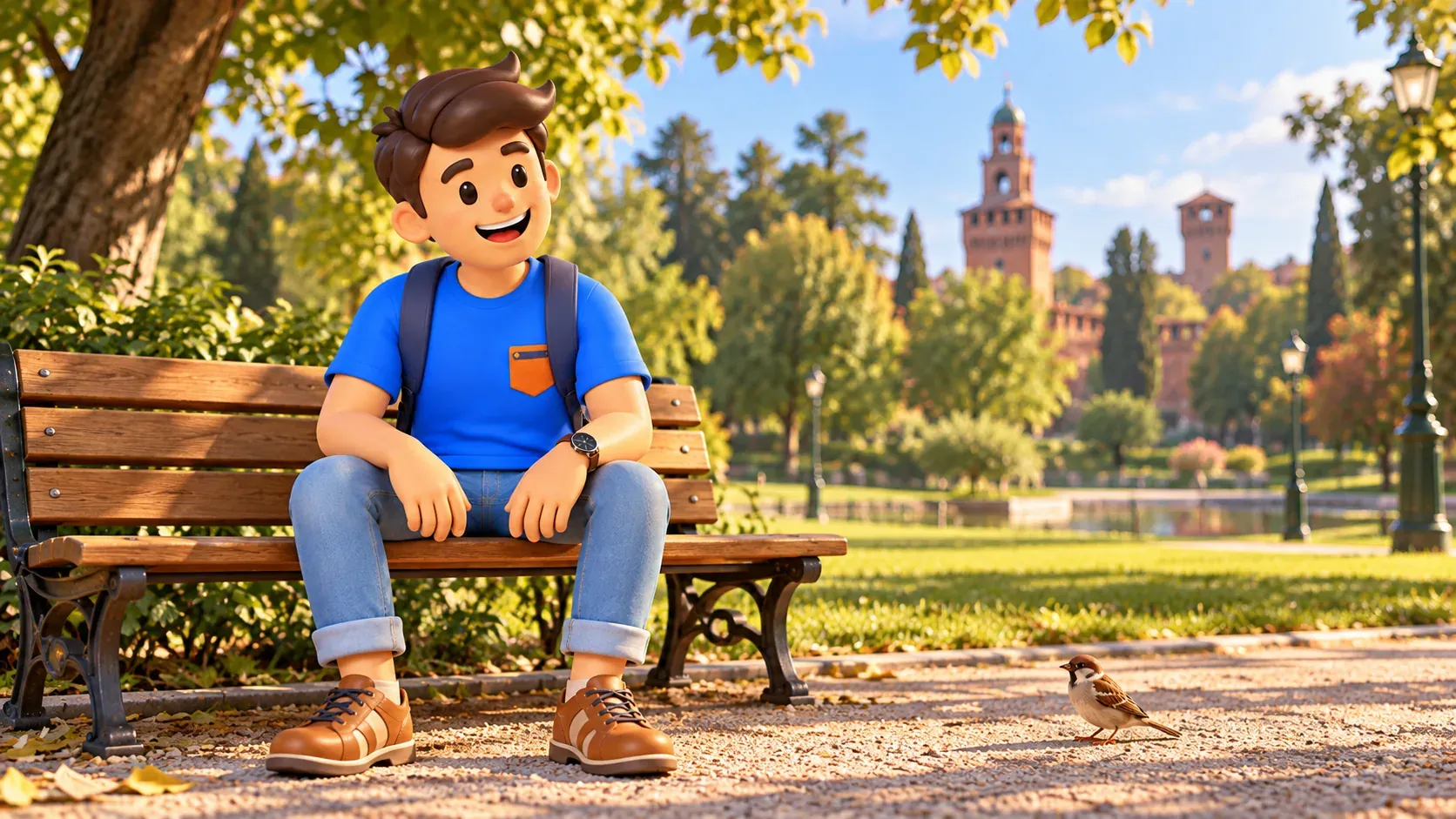
At Castello Sforzesco, look at the walls, towers and the arrangement of the courtyards. The complex introduces Milan's ducal past, and the movement through its open spaces gives you a different architectural experience after the cathedral and covered arcade.
The official castle information currently lists free courtyard access every day from 07:00 to 19:30. Museum collections have a separate timetable, normally Tuesday to Sunday from 10:00 to 17:30, with Monday closure. This afternoon uses the courtyards and a park walk. It does not rely on entering the museums.
Continue into Parco Sempione and choose a loop that suits your energy. Around two hours for the castle exterior, courtyards and a modest green pause is a useful starting allowance. If you want a longer park walk or the Arch of Peace, extend this part openly and make the evening simpler.
The aim is to finish the first day with something left in reserve. Have dinner near a convenient onward route or your accommodation, and keep the canals for the next evening. You have seen the core landmarks and left space for a different side of Milan tomorrow.
Day two: let Brera be a real visit
Begin the second day in Brera. If you enjoy painting, reserve a Pinacoteca visit and give it roughly two hours as a planning allowance, with more if you prefer a slower look. The point of this separate morning is to make room for art without treating the galleries as a brief stop between outdoor landmarks.
Choose a small number of works or themes that interest you, then allow your attention to stay with them. Comparing a portrait with a larger narrative scene, for example, can give the visit a personal thread. This itinerary does not require a checklist of every celebrated painting to make the museum worthwhile.
The Pinacoteca is closed on Mondays and requires reservations according to its visitor information. The palace complex and the surrounding streets are not the same experience as the ticketed collection. If art museums are not your priority, keep a neighbourhood morning and use the extra time for a longer lunch or a slower approach to Porta Nuova.
After the visit, stay around Via Brera for lunch and a short walk. Keep a realistic hour for a seated meal. Look at the actual menu and your appetite rather than assuming the evening aperitivo will cover everything. With two days, this middle pause helps separate the museum morning from the architecture-focused afternoon.
Porta Nuova: a new scale after Brera
Head north through the public streets towards Corso Garibaldi, Porta Garibaldi and Corso Como, then continue to Piazza Gae Aulenti. Allow time for the walk itself; it is a gradual transition between districts, not an instantaneous jump between map markers. Use transport instead if you want to save your energy.
At the square, look at the relationship between the buildings and public space before choosing a close-up photograph of a tower. The point is to see how the city changes its scale. After the morning's museum and older streets, broad pedestrian spaces and contemporary façades make the contrast easy to notice.
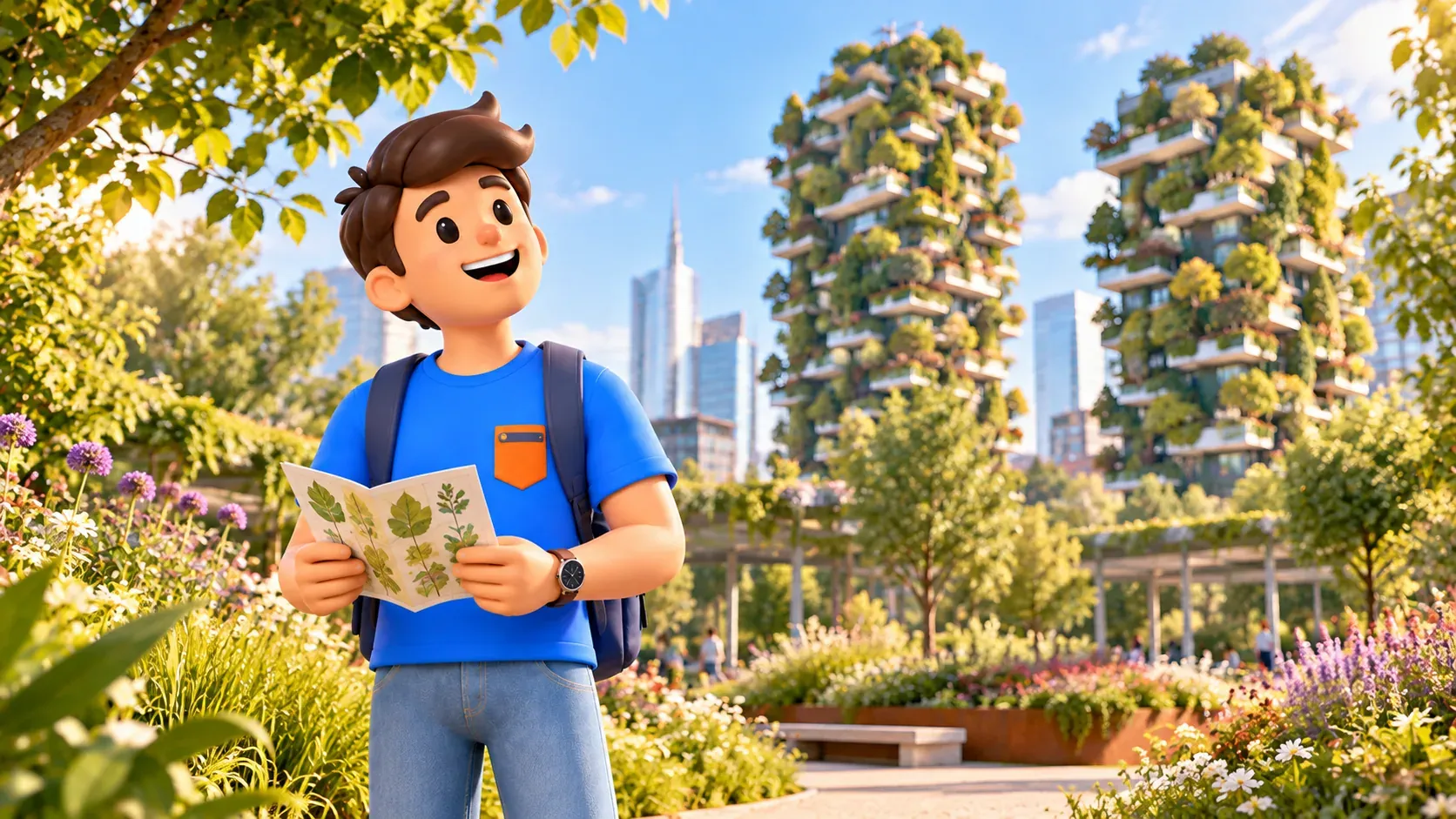
Continue towards BAM, the Biblioteca degli Alberi park, and the exterior views of Bosco Verticale. The two residential towers were inaugurated in 2014 and designed by Boeri Studio. Their planted balconies are part of a residential building, so the visit here means observing them from public spaces rather than expecting access inside.
BAM adds a different experience: paths and botanical planting bring the skyline down to the scale of a walk. The park's name refers to a library of trees, and its botanical routes help explain that idea. You can simply choose a short loop, compare the planted spaces and find a suitable place to pause.
Keep the Navigli as the second evening
After Porta Nuova, use the M2 from Garibaldi FS towards Porta Genova. Leave a buffer for reaching the station, orientation and the onward walk. Check the operator's current information for your dates. A transport transfer allows the canals to remain an enjoyable evening rather than the final stage of a long forced march.
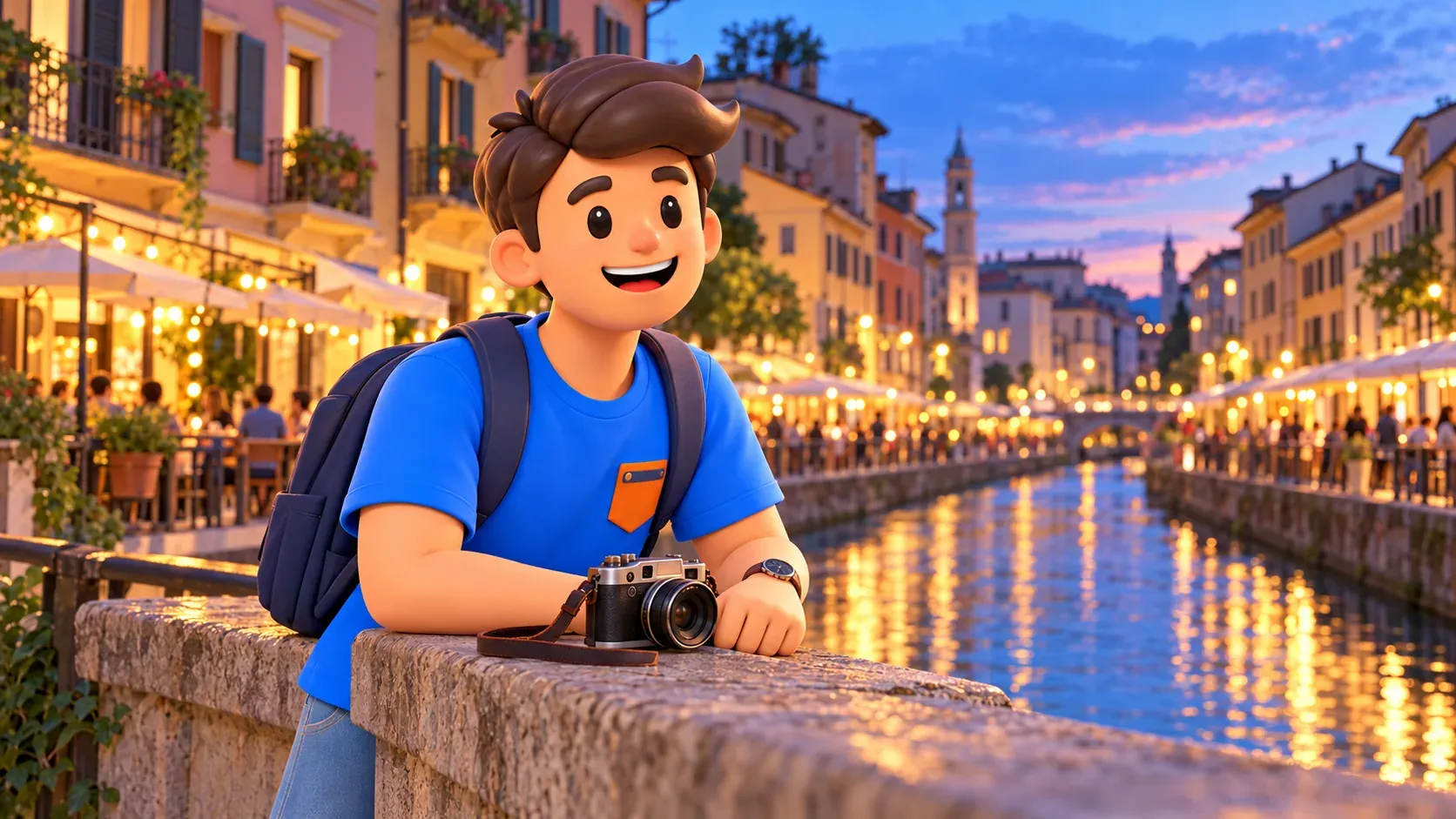
At the Navigli, concentrate on Darsena and a stretch of Naviglio Grande. The former harbour and working waterways give a historical context to today's waterside social life. Walk a little before deciding where to stop, and let the atmosphere be the main experience after the day's art and architecture.
Choose a drink, dinner or simply a longer stroll according to your plans. Aperitivo offers vary, so read what is included instead of assuming a full meal. A short detour to Vicolo dei Lavandai is possible if it interests you. A boat outing, both canals in full and another museum are separate additions, not missing parts of this evening.
Check the calendar before confirming the order
If the second day is Monday, put Brera's museum into the first afternoon and move the castle courtyards and park to the second morning. Shorten other stops as needed and retain Porta Nuova later that day. If Monday is the first day and Tuesday the second, the default Brera allocation fits the normal weekly opening pattern.
An existing Last Supper reservation should take precedence over this suggested order. Replace a principal visit or a substantial walking block around its actual location and time. The castle's current notices state that Sala delle Asse is closed for restoration, so do not build a Leonardo visit around access to that room.
To bring the museum choices, outdoor districts and pauses into one personal trip, use RoadMe to develop the programme around your own interests and preferred pace. Keeping the planning together by day makes the itinerary more convenient to prepare and easier to use while travelling.
In rain, reduce exposed neighbourhood walking and give more time to the interior you have chosen and booked. In hot weather, shorten park loops and use transport between districts. If you have only one full day after allowing for arrival and departure, use the one-day Milan plan instead of squeezing this programme into two partial days.


