
Milan in One Day: a First Visit with Time to Enjoy the City
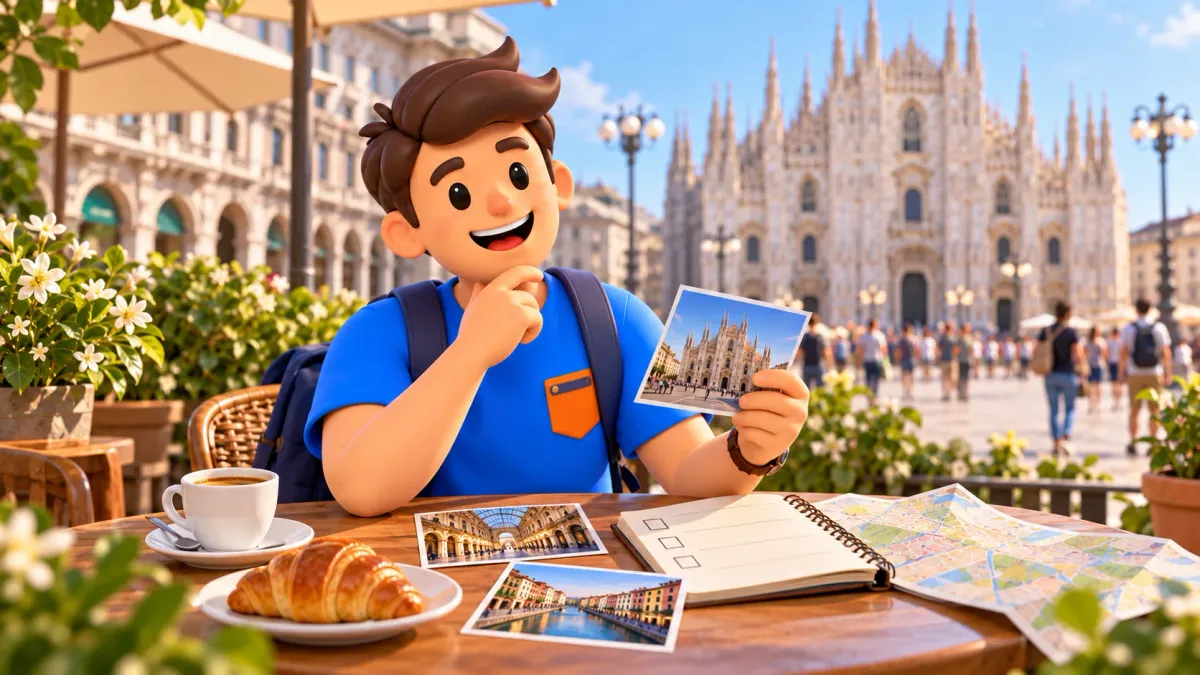
For one day in Milan, build the programme around one substantial visit and a walk through several different parts of the city. Start at the Duomo, cross the Galleria to La Scala, have lunch in Brera, spend the afternoon at Sforza Castle and Parco Sempione, then use public transport to reach the Navigli for an evening by the water.
This plan suits a first visit with most of the day available in the city. It combines famous landmarks with time to eat and rest, while keeping the Last Supper, a long museum list and extensive shopping for another programme. The main choice is what you want to experience in depth: the cathedral complex or an art museum.
Choose the main visit before arranging the rest
The simplest version gives the morning to the Duomo complex. Choose the cathedral interior or terraces according to your interests, then let the other stops provide variety. If paintings matter more, keep the cathedral to an exterior visit and use that time for the Pinacoteca di Brera instead. One carefully chosen visit gives the day a centre of gravity.
It is more convenient to develop that personal programme in RoadMe: the app plans a route or whole trip around your interests, dates, pace and budget. Try using it to organise the day's different parts together, so your own priorities shape the itinerary from the beginning.
The timetable below is an example, not a set of guaranteed admission slots. Adapt it to the reservation you actually hold. The sightseeing day runs from about nine in the morning to seven in the evening, including lunch, pauses and a transfer; travel to Milan and the journey back to your accommodation are additional.
| Part of the day | Suggested programme |
|---|---|
| 09:00–11:00 | Duomo square and one chosen cathedral-complex visit |
| 11:00–12:00 | Galleria, Piazza della Scala and the walk towards Brera |
| 12:00–14:00 | Brera streets and lunch |
| 14:00–16:00 | Castle courtyards and a short Sempione Park walk |
| 16:00–17:00 | Pause, approach to transport and transfer towards Navigli |
| 17:00–19:00 | Darsena, Naviglio Grande and an optional evening stop |
Allow roughly four to six kilometres of walking with the canal transfer by transport. This is an editorial estimate, dependent on your park route and neighbourhood detours, rather than a measured track. Comfortable shoes and a manageable bag make the different sections easier to enjoy.
Morning at the Duomo: make one clear choice
Begin on Piazza del Duomo and take a few minutes to see the cathedral in its setting. The building's history began in 1386, and its Candoglia marble connects the façade's pale appearance with a long history of craftsmanship. Look at the outline first, then choose one sculptural detail. That small observation is enough to give the exterior stop a personal focus.
The interior and the terraces offer different experiences. Choose the interior for the scale of the church and its atmosphere; choose the terraces for a closer relationship with the roof architecture and views over Milan. Read the description of the ticket you intend to buy, since different parts of the complex are separate visiting decisions.
Leave around one and a half to two hours for the chosen morning experience, including finding the entrance and the necessary checks. This is a planning allowance, not a promise about queues. If the visit takes longer, shorten the later park walk or the Brera wander. A reservation later in the morning also means moving the rest of the timetable.
For a lighter day, enjoy the exterior and use the extra time for breakfast or a slower start. If you already have a fixed Last Supper reservation, build the whole day around it instead: its location and appointment should determine the order, rather than being added as an extra between the stops shown here.
Galleria and La Scala: a short connection between two worlds
Enter Galleria Vittorio Emanuele II from the northern side of the cathedral square and continue towards Piazza della Scala. This is a natural walking connection, with a covered architectural stop along the way. Giuseppe Mengoni's nineteenth-century arcade combines iron, glass and decorated façades in a setting that works even if shopping is not your interest.
At the central crossing, look up at the roof and along a side passage before continuing. You can appreciate the change of scale in a few attentive minutes. Leave a longer café or shopping visit for a deliberate pause rather than allowing it to consume the time intended for the next neighbourhood.
On Piazza della Scala, locate the Leonardo monument and look towards the opera house. The theatre designed by Giuseppe Piermarini opened in 1778. For this itinerary, the exterior is enough to introduce that part of Milan's cultural life. The theatre museum is a separate visit and would replace another substantial part of the day.
Continue north towards Brera via the public streets around Via Verdi and Via Brera. The change from major squares to a smaller street scale is part of the route's appeal. You have already seen the city's best-known setting; the next section gives it a more everyday rhythm.
Brera at lunchtime: give the neighbourhood room
Brera is a useful place to slow down because walking, art and a meal can sit close together. Explore a small group of streets around Via Brera and the palace complex rather than trying to cover every shop and gallery. Notice the entrances, windows and changing views along the street, then choose somewhere to sit down.
Leave a real hour for lunch within the two-hour neighbourhood block. That includes choosing a place, ordering and eating at a comfortable pace. The route does not depend on a particular restaurant, a table being available immediately or a fixed meal price. Choose from the menu you can actually see and keep the afternoon's main direction in mind.
If you selected the Pinacoteca di Brera as the day's principal visit, this is where the programme changes. Use the time released by the exterior-only Duomo stop for a reserved museum visit, and keep lunch and the local walk shorter. The Pinacoteca is closed on Mondays and requires reservations according to its published visitor information.
Walking through the district and entering the art museum are different decisions. You can enjoy the neighbourhood without an indoor visit, and a museum ticket does not give you extra time in the day. Choose the version that reflects your interests rather than treating every famous name as another obligation.

Afternoon at Sforza Castle and Parco Sempione
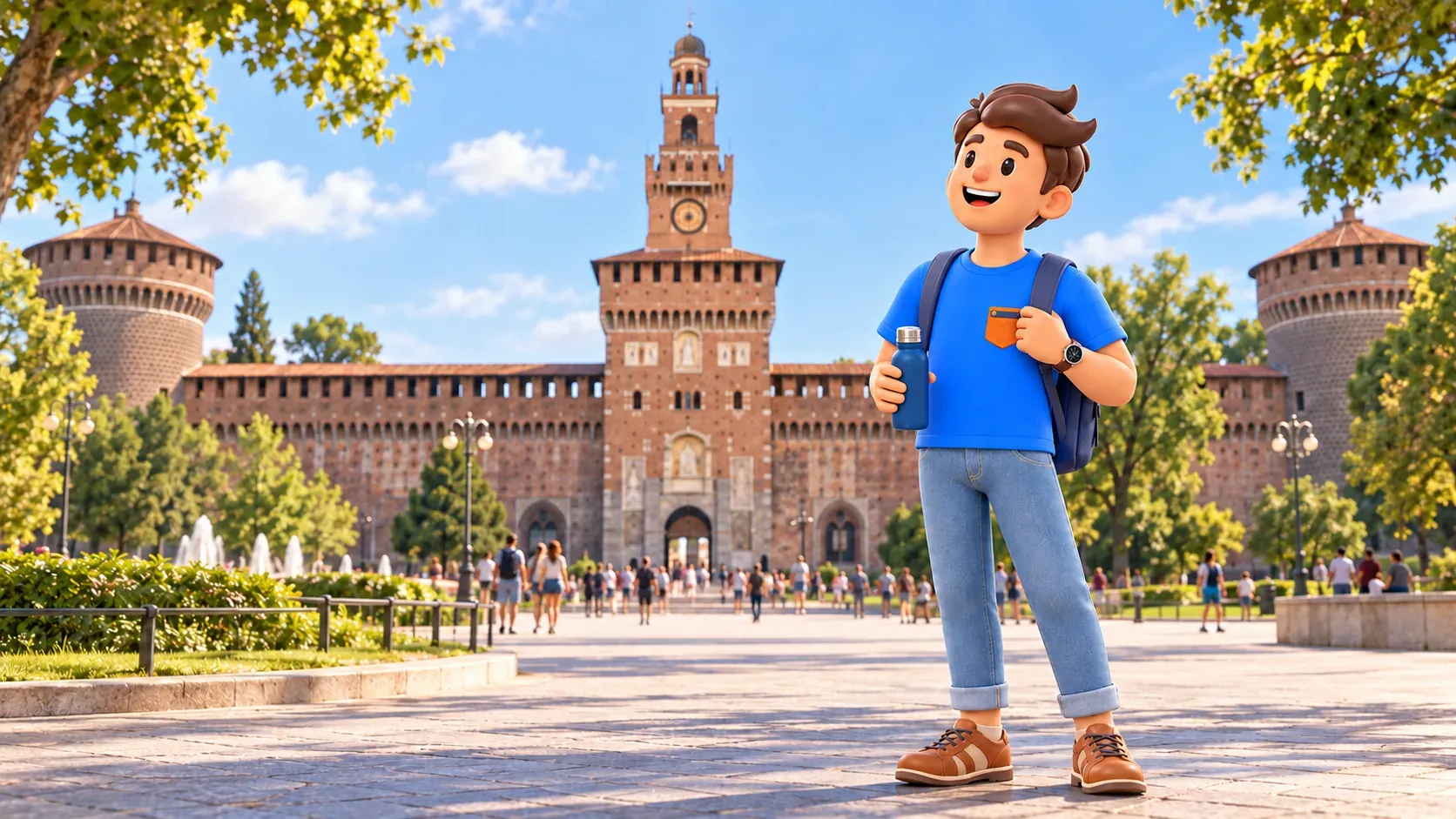
Head west from Brera towards the castle, approaching the public entrances and courtyards. The change in architecture is striking after the smaller streets: walls, towers and open courts introduce the history of the city's rulers. Start with the overall form and how the passage through the complex is arranged.
The castle's courtyards and museum collections have different visiting conditions. At the time of checking, the official castle website lists the courtyards as free to visit daily from 07:00 to 19:30. The museums normally open Tuesday to Sunday from 10:00 to 17:30 and close on Mondays. This plan uses the courtyards, so a museum closure does not by itself remove the afternoon stop.
Choose a short walk in Parco Sempione afterwards. You do not have to reach every monument or cross the park from end to end. A loop with a seated pause can provide the change of pace the day needs. If the morning visit ran late, reduce the park section and retain time for the journey south.
Use the castle as an introduction to Milan's ducal past, not an obligation to enter every collection. A museum visit is a valid alternative to the chosen morning attraction, but adding several interiors would make this a different, more demanding programme. The current castle notices also state that Leonardo's Sala delle Asse is closed for restoration; it should not be promised as an available stop.
The Arch of Peace is an optional extension at the northwestern side of the park. If you walk that far and then use Cadorna, include the return towards the southern side in your plan. Decide whether reaching the arch or spending longer at rest matters more. Either choice fits the day; the park itself already provides a useful green pause between the historic centre and the evening waterside district.
Reach the Navigli with time left for the evening
After the castle and park section, work towards a suitable public-transport connection rather than making every remaining kilometre part of the walk. Cadorna is a useful metro option near the southern side of the park area. M2 connects towards Porta Genova, a practical arrival point for the Navigli. Check the operator's current service information for your travel day.
The hour shown for this transition includes a pause, walking to and from stations, orientation and a buffer; it is not an estimate of the train ride alone. Your exact starting point in the park matters. Finish a short park loop near your chosen exit and plan the approach from there.
At the canals, concentrate on Darsena and a manageable stretch of Naviglio Grande. Darsena was Milan's working harbour, and the waterways carried goods and served the city long before their present evening appeal. That practical history gives more substance to the scene of reflections, waterside buildings and people gathering.
Walk first, then decide whether to stop for a drink or dinner. An aperitivo offer varies by venue: check what is included rather than assuming it provides a full meal. Vicolo dei Lavandai can be a small historical detour if you still have energy. The evening remains complete without a boat trip or a long walk along both canals.

Adjust the day around what matters to you
On a Monday, retain the main outdoor sequence and check the chosen indoor visit independently: Brera's Pinacoteca and the castle museums have their own closure rules. In rain, a museum can replace the park, but it needs its own reservation and time. In hot weather, shorten exposed walking and use transport where it helps.
For a programme that reflects those choices across the whole trip, use RoadMe to develop a personal plan by day around the things you enjoy. Bringing your interests, dates and preferred pace together makes the itinerary easier to organise and more useful on the ground.
If you arrive around midday, reduce the plan to the cathedral area, one further district and an evening stop. With only a short gap, follow the two-hour walk from the Duomo to La Scala. The best version of one day in Milan is the one that fits the time you really have, with a clear last stop and a separately planned journey afterwards.


