
Tortona in Half a Day: Milan’s Museums, Fashion and Creative Spaces
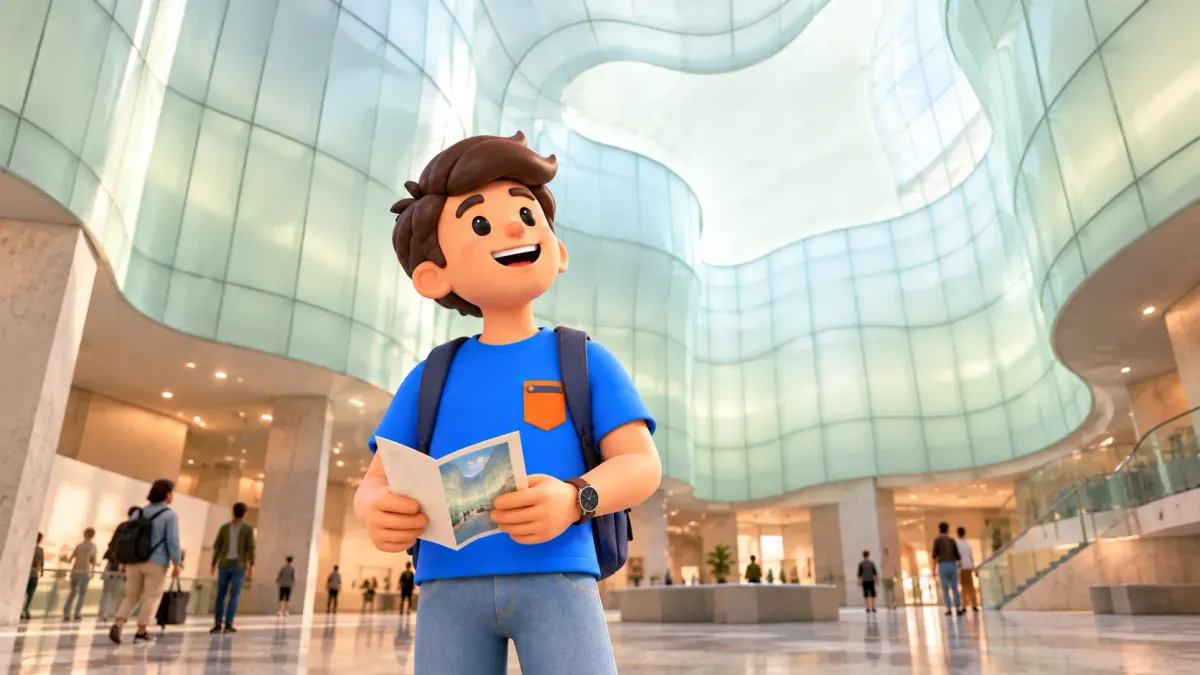
For a half-day in Milan’s Tortona district, choose one principal museum and leave time to understand the streets around it. This version centres on MUDEC’s permanent collection, with a walk along Via Tortona, a possible public-space or café stop at BASE and an exterior finish near Armani/Silos. Allow about four hours. If fashion is your main interest, replace the MUDEC visit with Armani/Silos rather than trying to give both museums a hurried look. The neighbourhood’s industrial buildings connect these choices.
Start with one museum and a compact neighbourhood plan
Use the corner of Via Tortona and Via Bergognone as a starting reference. From there, make your way to MUDEC at Via Tortona 56, return towards BASE at Via Bergognone 34 and finish near Armani/Silos at number 40. These addresses define the core area; arriving from your accommodation or a transport stop is additional time. You can enjoy a short surrounding street walk without attempting the whole design district.
To build a Milan stay around the subjects you actually enjoy, try RoadMe, which prepares a personal day-by-day itinerary using your dates, interests, pace and budget. It is more convenient to organise museum time, neighbourhood walks and rest together than fit every appealing address into the same afternoon.
A practical four-hour framework is two hours for the principal museum, 45 minutes for street connections and industrial architecture, 30 for a BASE or nearby café pause, 15 for the Armani/Silos exterior and 30 as a flexible buffer. Expect roughly 0.8–1.2 kilometres outdoors with short changes of viewpoint, plus walking inside. These are editorial estimates, not a measured route. A full meal or a second substantial museum visit needs additional time.
For the fashion alternative, give the main two-hour block to Armani/Silos, keep MUDEC as an exterior or another-day choice and adjust the order around opening times. Do not add both museums and expect the same allowance to hold. This is a half-day for attentive looking, not a contest to prove that you crossed every entrance in a small area.
Arrive using the current crossing, not an old bridge instruction
MUDEC’s current visitor information says the old green bridge at Porta Genova is closed. From that station, it directs walkers alongside the station via Via Ventimiglia to the pedestrian and cycle crossing towards Via Voghera, then onto Via Tortona. Save that distinction before leaving: an older guide’s invitation to walk straight over the green bridge is not a reliable arrival plan.
The museum also lists approaches from M2 Sant’Agostino and M4 California or Coni Zugna. Choose the connection that makes sense for where you are staying, rather than assuming Porta Genova is always the best option. If avoiding steps is essential, consult the operator’s current access information and the whole approach from your chosen stop. This article is not an accessibility audit of every connection.
Keep this arrival outside the four-hour core. A short route on the ground does not make station exits, crossings or orientation disappear. Once you reach the Via Tortona and Via Bergognone area, take a moment to identify the museum and the direction of the later stops. Then begin the neighbourhood at its own scale rather than still rushing from the transport journey.
Read a former industrial district through its buildings
Tortona’s cultural identity is tied to the reuse of industrial space. MUDEC opened in 2015 within the former Ansaldo area, while BASE brings another kind of cultural activity to that same industrial setting. Their current functions differ, so notice both the retained scale of the buildings and the way entrances now organise visitors. The past supplies a background to the walk without requiring a complete history of every factory.
Choose one visible theme along the public streets: tall windows, a large entrance opening or the meeting of old fabric and newer additions. Compare it at two positions and move on. That is enough to make the connecting walk meaningful. A studio window or impressive gate does not establish that a workshop or private courtyard is open for casual visitors.
Armani/Silos belongs to a different reuse story, associated with a former grain-storage building at the former Nestlé site. Do not assume that all three places occupy the same old factory. Their closeness is useful for walking, but the contrast between different buildings and cultural purposes is part of the point. Keep that distinction in mind when you reach the fashion stop later.

MUDEC: choose the permanent collection or a particular exhibition
MUDEC is Milan’s Museum of Cultures, with civic ethnographic collections and a programme of temporary exhibitions. The permanent display, Milano globale. Il mondo visto da qui, considers connections between Milan and wider global histories through objects and individual stories. Choose it when you want a museum that opens the city towards other cultures rather than another sequence of local architectural landmarks.
Admission to the permanent collection is free. Temporary exhibitions have their own admission conditions and should be chosen separately; free collection access does not mean every exhibition or activity costs nothing. Decide what you actually want to see before approaching the ticket desk. A specific temporary show can take the principal museum block instead, but it is not an automatic addition to the permanent rooms.
For an unhurried introduction, give the chosen visit about two hours including orientation and ordinary entrance steps. You do not need to read every label. Follow a few objects through questions such as where they came from, how they reached Milan and what their presentation explains. Read the museum’s account rather than inventing an origin from appearance alone. A small connected group can be more memorable than a rapid sweep of everything.
The museum architecture is also worth a pause. The upper exhibition level is arranged around a large covered central space with an organic glazed form. Let it be a moment of orientation before or after the rooms, not another major attraction that requires a separate timed visit. Look at how light and circulation affect your experience, without assuming that access to every backstage or service area comes with the visit.
Use the collection’s timetable, not a general museum headline
The permanent collection is closed on Mondays. Its published hours are 09:30–19:30 on Tuesday, Wednesday, Friday, Saturday and Sunday, and 09:30–22:30 on Thursday, with last entry one hour before closing. Those distinctions matter: some temporary exhibitions open on Monday afternoon, so a general claim that MUDEC is open every day does not describe the permanent-collection plan.
Check any current special notice for your date, and keep the chosen exhibition’s conditions separate if you change the main visit. You should be able to say which part of the museum anchors the half-day. That one decision avoids discovering that a familiar museum name concealed a different calendar or admission product. The street and café elements remain flexible around the visit you actually select.
BASE: a cultural place with a programme of its own
Continue towards BASE at Via Bergognone 34. Opened in 2016 in the former Ansaldo setting, it combines cultural programming with several forms of creative activity. It is useful to recognise it as a working cultural centre rather than a conventional museum with an automatic permanent visitor circuit. What you can enter and experience depends on the public programme and the arrangements in force that day.
A public bistro pause can provide a good change of pace, if it is available when you arrive. The operator describes this as a public-facing café and study space, which can also be adapted for events. That does not promise round-the-clock opening or access to every adjoining hall, workplace and residence. Choose the actual public area and follow local indications, rather than wandering through doors that happen to stand open.
The planned half-hour is for a drink and a short rest. Check availability and the menu, and choose another suitable nearby café if this part of BASE is unavailable or busy. A ticketed event is a different visit with its own duration. The half-day does not depend on a particular table, performance or encounter with someone working in the building.

If the visit reveals that you prefer cultural collections, fashion or working creative spaces, use RoadMe to prepare the remaining days around those interests and your own pace. A personal trip plan makes it easier to give substantial visits enough time while leaving comfortable pauses between them.
Armani/Silos: an exterior finish or your principal visit
At Via Bergognone 40, Armani/Silos introduces the district’s fashion side. The exhibition space is devoted to Giorgio Armani’s creative work and career; it is a cultural visit rather than a requirement to shop. In the MUDEC version of this outing, the stop remains outside. Recognise the address, look at the building’s different character and decide whether fashion deserves its own visit on another day.
If fashion is the reason you came, make Armani/Silos the principal interior instead of MUDEC. Check the current exhibition and admission arrangement before setting out. The published normal schedule has Monday and Tuesday closure; Wednesday, Friday and Sunday run 11:00–19:00, last admission 18:00, while Thursday and Saturday run 11:00–21:00, last admission 20:00. Special notices can alter that pattern.
Use the two-hour museum block for a focused look at the selected display and its presentation. Pay attention to silhouette, material and the way garments are shown, without expecting a particular piece mentioned in an old guide to be present. Displays change. The attraction is the work and the space you actually encounter, not a checklist of famous outfits borrowed from an earlier exhibition.
Keep Design Week and the canals as separate extensions
Tortona is closely associated with Milan’s design events, but a normal day is not a permanent Design Week. Showrooms, temporary installations and private venues follow their own programmes. Enjoy the district you find rather than expecting every industrial door to reveal an exhibition. If your trip coincides with a major event, allow extra time and choose its actual announced activities separately from this museum-centred plan.
Finish near the Via Bergognone museum area and leave onward travel outside the four hours. You can plan a later canal outing with our evening walk on the Navigli, adding the connection and any meal as separate time. For this half-day, one real museum visit, a few industrial details and a public café pause already give Tortona a clear story.


