
Milan’s Quiet Quarter: a Short Walk among Unusual Houses
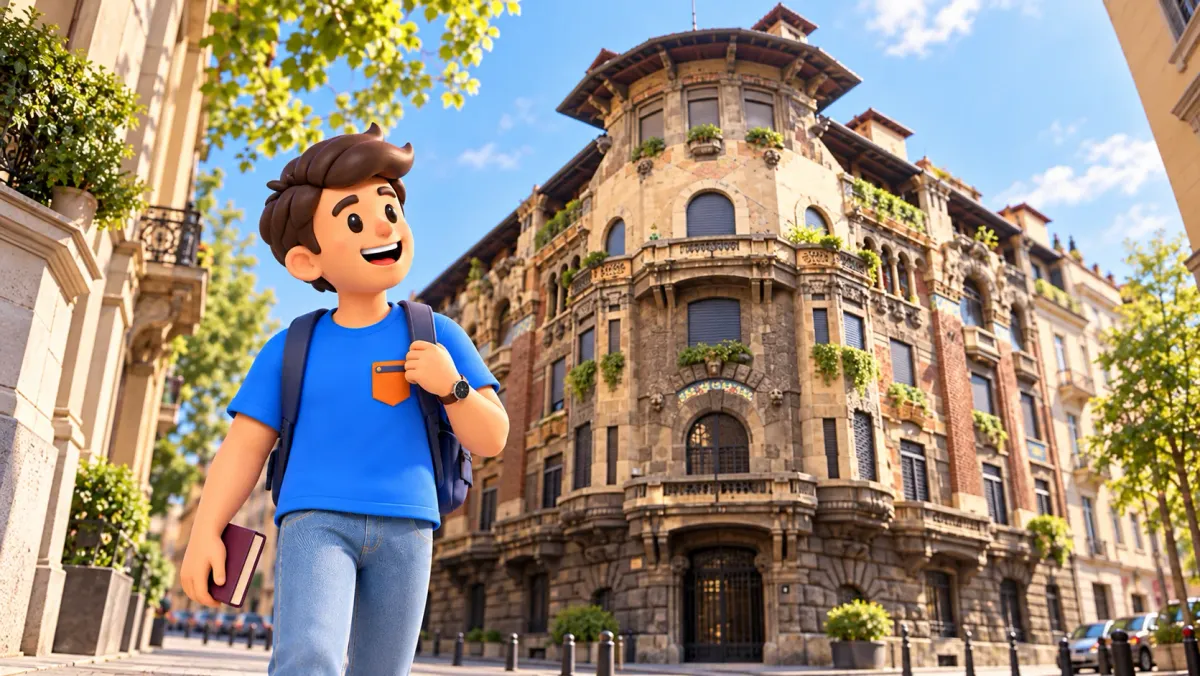
Milan’s Quadrilatero del Silenzio works well as a slow, roughly 90-minute neighbourhood walk. Begin at Palazzo Berri Meregalli on Via Cappuccini, look towards the private Invernizzi garden from the public street, find the bronze ear at Via Serbelloni 10 and finish on Via Mozart outside Villa Necchi Campiglio. The main outing is about unusual buildings and small discoveries. Entering the villa is a separate visit, while seeing the garden’s flamingos is a possibility rather than a promise.
A small neighbourhood with a clear outdoor plan
The streets around Via Cappuccini, Via Vivaio, Via Serbelloni and Via Mozart form the setting commonly called the Quadrilatero del Silenzio. It is close enough to Milan’s centre to fit between larger visits, but its appeal depends on slowing down. Choose it when you want a small architectural story, rather than a complete introduction to the city or a succession of museums.
Start at Palazzo Berri Meregalli, Via Cappuccini 8, on the corner with Via Vivaio. Continue along Via Cappuccini for a street-side look towards the Invernizzi garden, then make your way to the ear beside the entrance at Via Gabrio Serbelloni 10. Finish along Via Mozart at number 14, Villa Necchi Campiglio. Keep these names saved: the ear is on Via Serbelloni, not Via Mozart.
To give neighbourhood walks the right place in your stay, you can try RoadMe, which prepares a personal day-by-day plan around your dates, interests, pace and budget. It is a more convenient way to organise a trip that reflects what you enjoy than fitting every appealing address into the same afternoon.
| Part of the walk | Suggested time |
|---|---|
| Palazzo Berri Meregalli exterior | 20 minutes |
| Street-side view towards the Invernizzi garden | 10 minutes |
| Connecting streets | 10 minutes |
| House of the Ear | 15 minutes |
| Walk along Via Mozart | 10 minutes |
| Villa Necchi Campiglio from the public street | 10 minutes |
| Orientation, crossings and flexible pauses | 15 minutes |
That adds up to 90 minutes. Allow roughly 0.8–1.2 kilometres with small viewpoint changes; both figures are planning estimates, not a measured track. Your arrival, return journey, a café stop and any museum admission are extra. The time by the garden is a short look, not a commitment to wait until birds appear. If you move on sooner, keep the spare minutes for a comfortable pause elsewhere.
What the name “Silence” can mean for your visit
Treat the name as an invitation to notice the residential scale, not a guarantee of empty streets or uninterrupted quiet. Deliveries, traffic, other visitors and ordinary work can all be part of the day. The pleasure lies in giving attention to a doorway, a change of material or a glimpse of greenery while the city continues around you.
This is also not a single-style district. Eclectic façades, Liberty details and the later language of the 1930s can sit close together. Trying to label everything as Art Nouveau makes the differences harder to see. A more useful question is how each building presents its entrance: imposing, playful, screened by greenery or comparatively restrained.
For a couple or a small group, choose one observation each and compare them at the end. You might follow sculpted animals, unusual openings or the relationship between house and garden. The route remains interesting even if you do not see the flamingos and enter no building. Its subject is the changing street scene itself.
Palazzo Berri Meregalli: begin at the corner
At Via Cappuccini 8, look at the corner of Palazzo Berri Meregalli before following either façade. Giulio Ulisse Arata designed the building in the early twentieth century. Its rough base, brickwork, mosaics and sculptural ornament bring several architectural references together. This is a useful first stop because the mixture is visible without a lengthy explanation.
Read it in three movements. First take in the lower part and its weight. Then let your eye follow the windows and decorative figures. Finally look upwards to understand how the corner holds the two street fronts together. You do not need to identify every creature: choosing one animal-like carving is enough to turn a quick glance into a closer look.
For children, this can become a simple observation game. Ask them to find a shape that seems familiar and another that seems strange. Adults can compare the materials around those details. Keep the conversation on the pavement where you are not obstructing the entrance; it is possible to enjoy a playful façade without treating the building as a playground.
The celebrated decoration inside is not part of the standard route. A residential doorway standing open does not establish permission to enter, and this walk does not promise access to the hall or its sculpture. If a particular opening is announced, consider its conditions separately. The corner and street fronts already make a complete exterior stop.
The Invernizzi garden: a glimpse from the street
Continue along Via Cappuccini towards the garden commonly described in travel guides as Villa Invernizzi. The foundation calls the Milan property Palazzo Invernizzi; its country Villa Invernizzi is elsewhere, at Trenzanesio. For this outing, you want the garden behind the Milan palazzo, visible in part from Via Cappuccini, not a journey to the country estate.
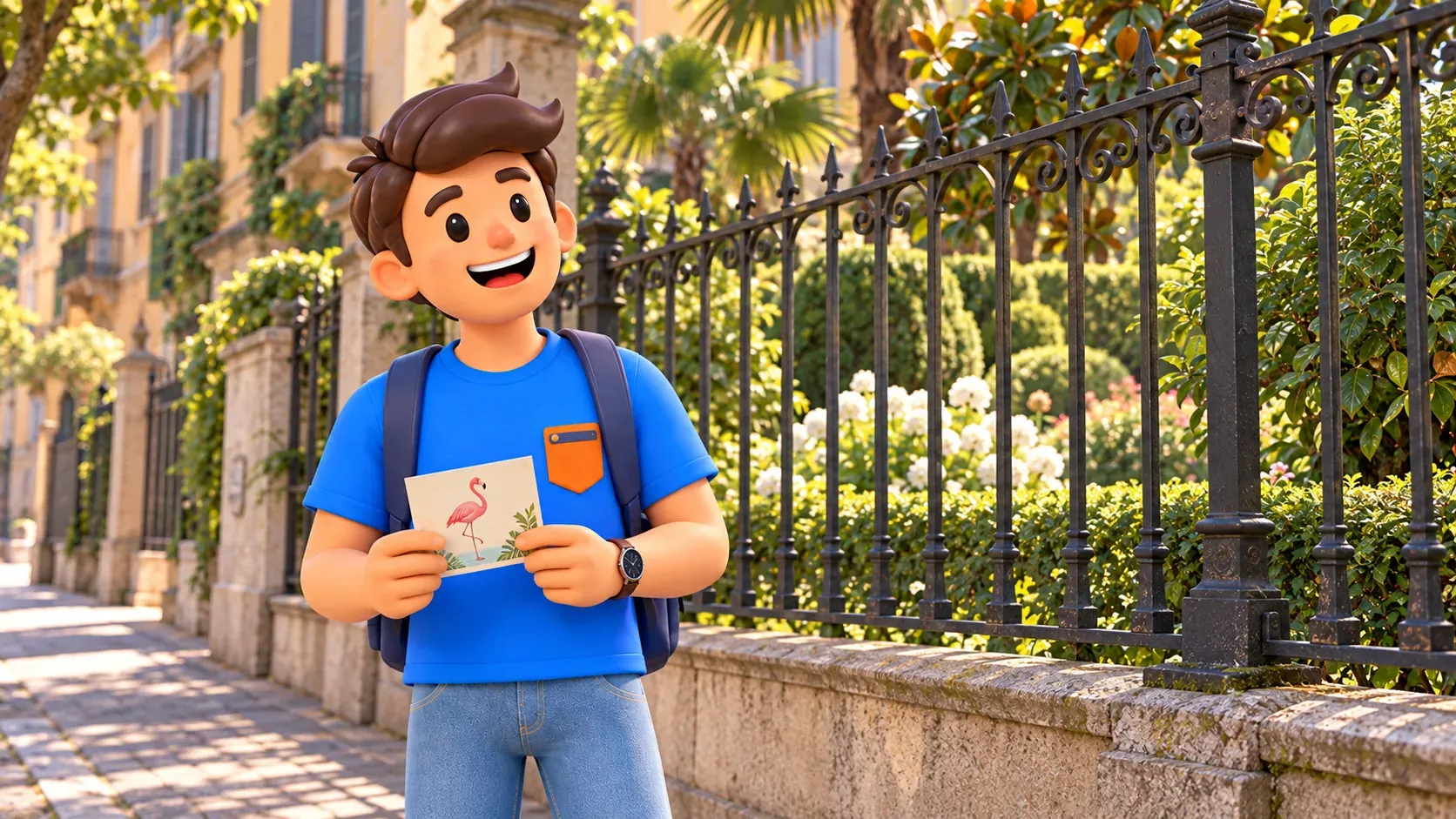
The owner confirms that flamingos live in this garden. That is an unusual detail in central Milan, but the garden remains private. Stay on the public pavement and take whatever view is naturally available through the boundary. You may have a clear glimpse or very little to see, depending on vegetation, the birds’ position and the conditions at the time.
A short look is enough. Do not climb, reach through the railings, call to the birds or try to persuade anyone to open an entrance. If another visitor already has a good view, give them space and take turns without blocking the pavement. The point is a small surprise during a walk, not an observation session that controls the rest of your day.
If the birds are out of sight, look instead at the way a closed garden changes the street. The greenery suggests a different scale from the surrounding façades, even when most of it is hidden. Move on without treating the stop as a failed attraction. The route has other details ahead, and there is no reason to wait for an uncertain photograph.
Find the ear on Via Serbelloni
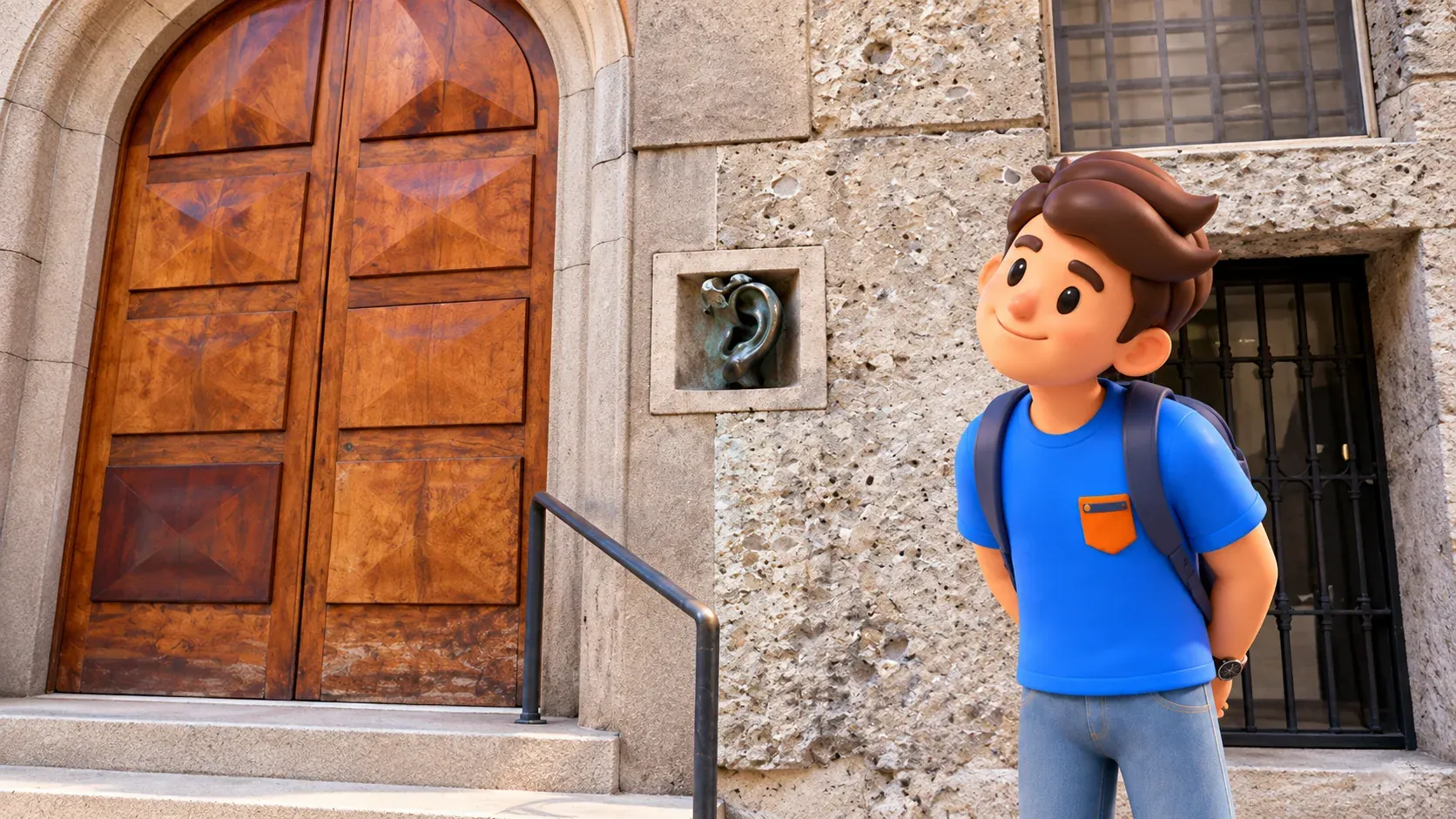
Make your way through the public streets to Via Gabrio Serbelloni 10. The building known as the House of the Ear was designed by Aldo Andreani in the 1920s. Beside an entrance, a bronze ear is set into the stonework. It originally served as an intercom, turning a practical connection between street and building into an unusually memorable object.
Look first at the doorway, then find the ear rather than searching for a huge freestanding sculpture. Its relationship to the wall is part of the pleasure. Something normally associated with a face appears in a façade, at the scale of an everyday entrance. A few quiet minutes are enough to understand why it gave the house its nickname.
You do not need to operate anything or touch the bronze. This is an exterior observation, not a working attraction to test. Avoid turning a familiar legend about whispered wishes into a required ritual. The historical use as an intercom is already a more interesting story than an instruction to perform for a photograph.
After the large corner building and the partly hidden garden, this small detail changes your attention again. That sequence is the reason to connect the stops. If you are taking pictures, keep the entrance usable and let the object remain part of the building rather than trying to clear the whole street around it.
Continue towards Via Mozart without collecting every address
From Via Serbelloni, continue towards Via Mozart and Villa Necchi Campiglio at number 14. Let the connecting stretch be a walk rather than a search for every named house in the quarter. Look at setbacks, gates, planting and the distance between a building and the pavement. These ordinary relationships help explain why the neighbourhood feels different from a continuous shopping frontage.
There is no need to add a courtyard, rooftop or private passage to make the outing worthwhile. Use public streets and respond to the view you actually have. A gate closed for daily use is not a problem to solve. If a section is busy or interrupted by works, take a suitable public alternative and preserve the main order of the stops.
This is a good moment to decide whether you want a museum visit today. If you have another reservation or your attention is fading, keep the exterior finish. If the house itself is the reason you came, allow it a separate block and shorten the earlier walk deliberately. Those are two different kinds of outing, both perfectly reasonable.
Villa Necchi Campiglio: an optional visit with its own time
At Via Mozart 14, the public-street stop marks the end of the main route. Villa Necchi Campiglio, designed by Piero Portaluppi and built in 1932–1935, is now a FAI house museum. Its more restrained forms make a useful contrast with the decorative corner at the start. Do not expect the street view to reveal everything shown in photographs taken within the grounds.
To enter the house and garden, plan a separate ticketed visit under the operator’s current conditions. The usual published opening is Wednesday to Sunday, 10:00–18:00, with last entry at 17:00; special events or notices can affect the arrangements. The outdoor ninety-minute walk does not include that admission or the time spent inside. Nor does it assume that the garden is a freely accessible public park.
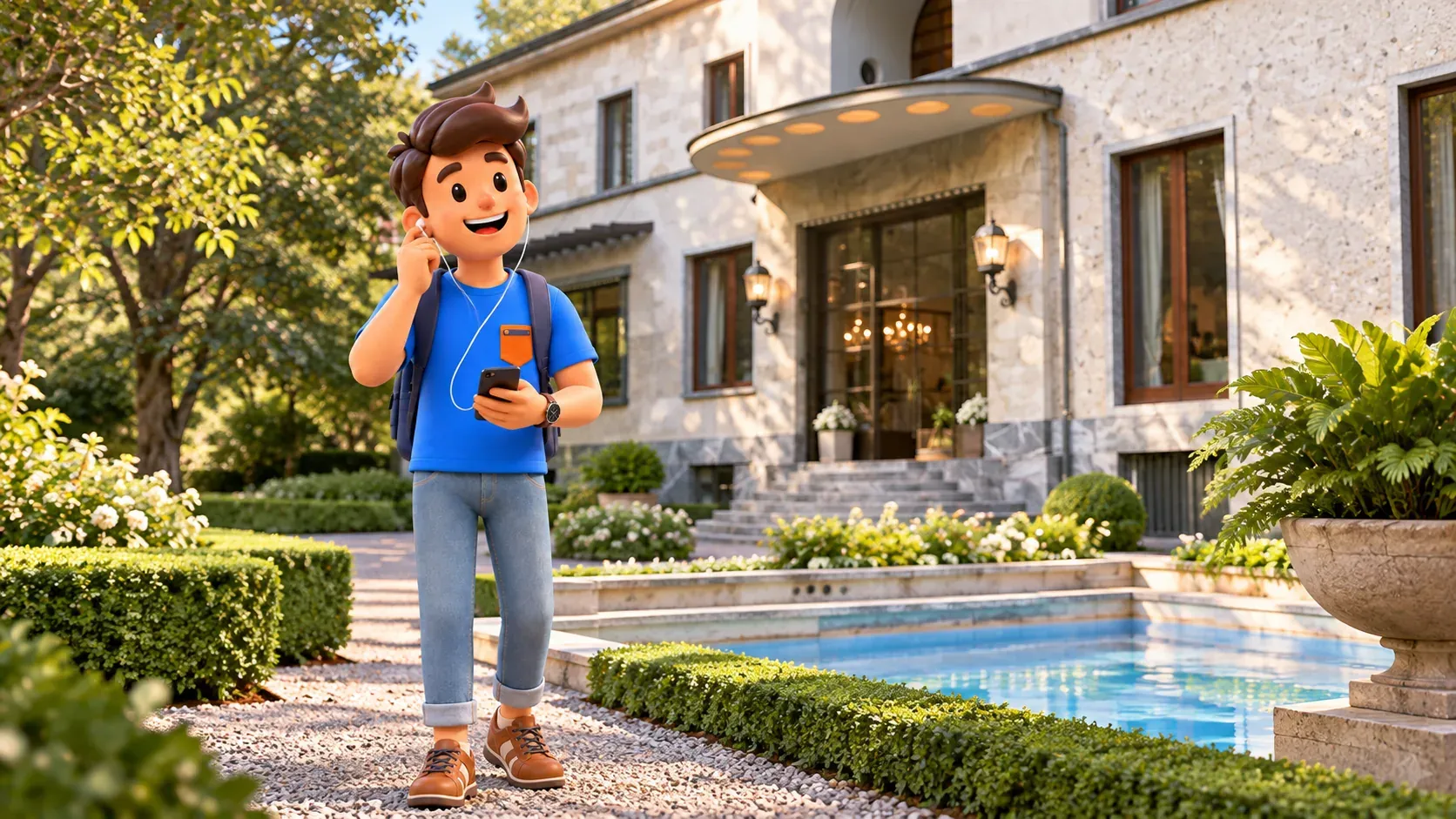
The museum visit offers a different scale of attention: rooms, furnishings and art rather than a sequence of street details. Leave enough time to be interested, not merely to prove that you went in. If you choose the downloadable audio guide included with the visit, bring your own earphones as requested by FAI. Check the visit you are actually booking rather than borrowing conditions from an old travel account.
If the museum changes the shape of your afternoon, you can use RoadMe to prepare the rest of the stay as a personal plan around your interests and pace. It helps organise walks, substantial visits and rest together, instead of squeezing every new idea into the time left today.
Finish with a choice, not another compulsory stop
From the final street, decide whether to leave, take a separate café pause or begin the planned museum visit. The ninety-minute outing is already complete. A short route is most useful when its end is clear: you should be able to enjoy it between other commitments without discovering that the advertised time left out a required attraction.
In rain, reduce the viewing stops and avoid assuming that private porches are available as shelters. In warm weather, carry water and take your breaks according to comfort. Kerbs, uneven surfaces, crossings and individual entrances need checking if a step-free route is essential; this is not an audited accessible itinerary.
If the façades make you want a more focused architectural comparison, our two-hour Art Nouveau walk around Porta Venezia is a separate option for another time slot. Keep this quarter’s different rhythm: an expressive corner, a garden boundary, a small bronze ear and the choice of a 1930s house museum.


