
Musical Milan Beyond La Scala: Instruments and Dal Verme
Explore musical Milan beyond La Scala by pairing the Museum of Musical Instruments inside Sforza Castle with a concert at Teatro Dal Verme. The connection is short, while the experiences are different: first examine how sound is made, then listen to musicians turn it into a performance. Allow a five-hour afternoon when the museum calendar and a confirmed 17:00 concert match, checking the instrument rooms and the actual concert duration before booking.
Start with the concert, then shape the afternoon
Choose a programme you want to hear rather than buying admission solely to enter a famous building. Dal Verme presents the symphonic activity of I Pomeriggi Musicali alongside a varied wider programme. A symphonic concert, a jazz event and a singer’s show are different choices. This version uses a seated concert in the Sala Grande and gives the earlier museum visit a clear musical focus.
Try RoadMe to develop a personal trip plan around your interests, dates, pace and budget. Preparing the whole stay in the app is more convenient and efficient when a concert should fit naturally with daytime visits, meals and rest.
The castle museums normally open Tuesday to Sunday, 10:00–17:30, with the ticket office closing at 16:30. Monday and specified holiday closures need to be respected. A Saturday concert at 17:00 can make this sequence practical, but performances do not occur at that time every Saturday. Confirm the individual event, available seats and access to the musical-instrument section before fixing the afternoon.
| Conditional example | Plan |
|---|---|
| 14:00–15:30 | Museum admission, orientation and selected instrument visit |
| 15:30–15:50 | All outdoor connections, crossings and exterior viewing |
| 15:50–16:10 | Short seated pause or snack |
| 16:10–16:30 | Reserve for a slower pace or practical arrangements |
| 16:30–17:00 | Early arrival, cloakroom and finding your seat |
| 17:00–19:00 | Up to two hours reserved for the concert |
The total is 300 minutes: 90, 20, 20, 20, 30 and 120. The concert allowance is an estimate including an interval where applicable; verify the full event length and extend the plan if necessary. Start the clock at the castle museums’ admission point, not on arrival at the distant side of the park. Expect approximately 0.7–1.1 kilometres outdoors, with walking inside the museum additional. This is not a measured navigation track; arrival and onward travel are separate.
Inside the castle, choose one collection deliberately
Use Piazza Castello as the address reference and follow the current museum signs to the instrument collection in the Rocchetta, on the first floor. The castle is a complex of courtyards and collections, so ask staff for the appropriate visitor route rather than assuming every staircase reaches the same department. If stairs or changes of level are difficult, arrange the specific museum access with staff before buying.
The outdoor courtyards and the museum collection are different admissions experiences. Ordinary museum entry is paid, with concessions and free access under stated conditions. A combined castle-museums ticket does not mean every specialist tour or separate activity is included. Check the current terms and any temporary room closures. Do not calculate the visit from an old price range or assume that a free courtyard also gives free access to the instruments.
Ninety minutes covers admission, orientation and a selection, rather than every collection inside the fortress. The Pietà Rondanini, painting gallery, decorative arts and Leonardo-related visits are not additional stops within this allowance. A ticket with several possibilities still leaves you with a finite amount of attention. Save a different collection for another day if you want to keep the musical connection meaningful.
Look at instruments as solutions to musical questions
The museum’s modern collecting history includes Milan’s purchase of Natale Gallini’s collection in 1957. Its setting inside an old fortress does not make every instrument medieval or every display a surviving ducal room. The interest is the variety of ways makers have shaped materials into musical possibilities, with instruments from European and other traditions represented in the collection.
Begin with a manageable comparison: a bowed or plucked string instrument, a wind instrument and a keyboard instrument. Look at the body, the arrangement of strings or holes, and the position a player would need to adopt. Size and decoration are useful details, but the deeper question is how the object allows someone to control vibration, pitch and tone.
A keyboard is particularly good for questioning familiar assumptions. Keys do not automatically mean a modern piano’s action. A virginal, for example, belongs to the family of keyboard instruments that pluck strings. The museum’s collection includes the double virginal of Ioannes Ruckers. Check the current display if that particular instrument interests you; a collection highlight is not a guarantee that every object is available on every date.
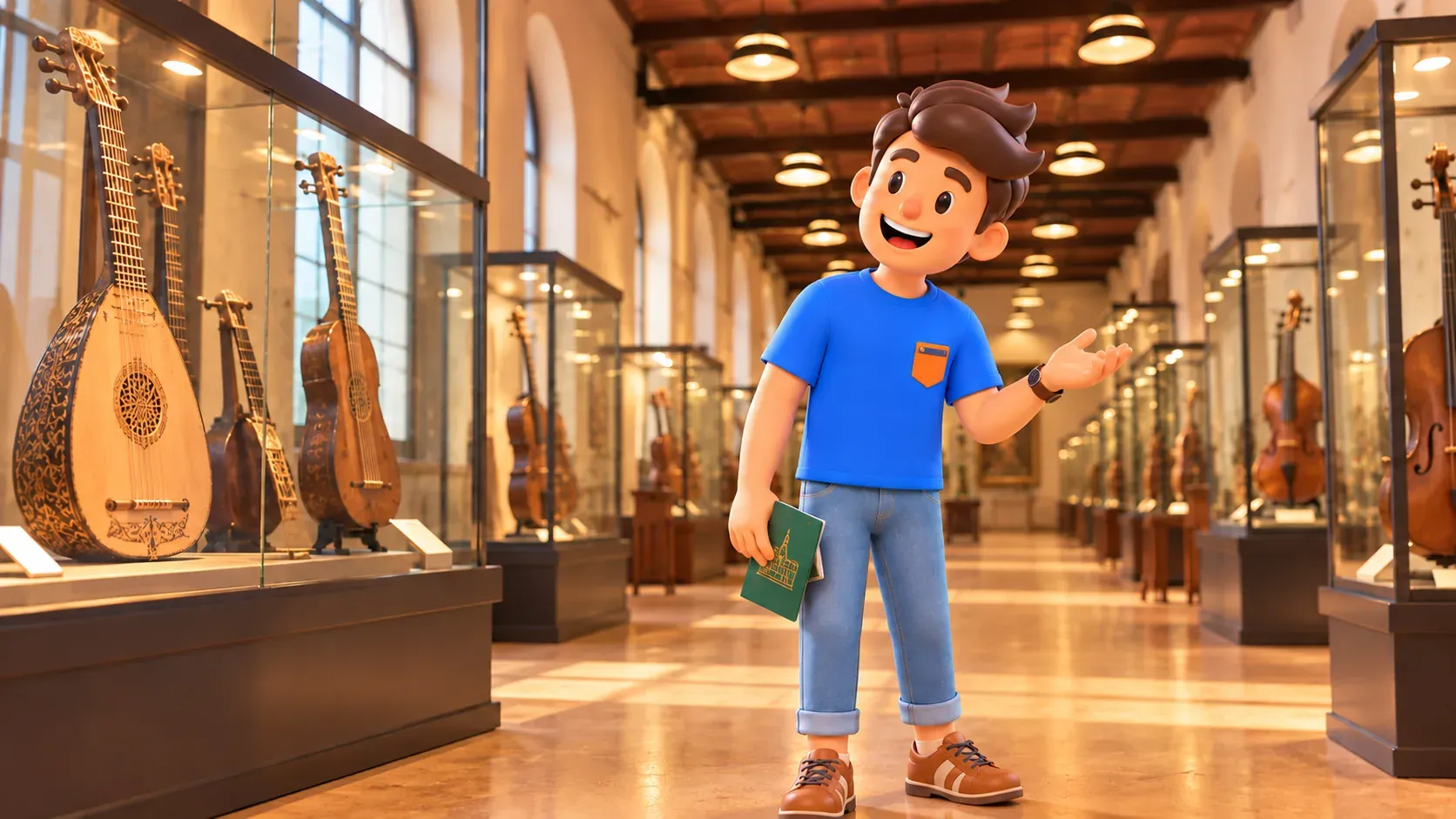
Choose one object for its construction and another for its relationship to the player. How would the hands reach the working parts? What needs supporting, and where would the instrument sit against the body or furniture? Read the label before deciding that an unfamiliar shape must have an exotic purpose. Patient looking can make the technical history approachable without a long catalogue of makers and dates.
This is a museum visit, not permission to play the exhibits. Demonstrations, guided encounters or concerts have their own programmes when offered. Do not expect a regular admission ticket to provide a live performance or access to an instrument’s controls. If you use interpretation available on the day, follow staff guidance and keep any personal listening quiet enough to respect other visitors.
Electronic music adds another Milan to the story
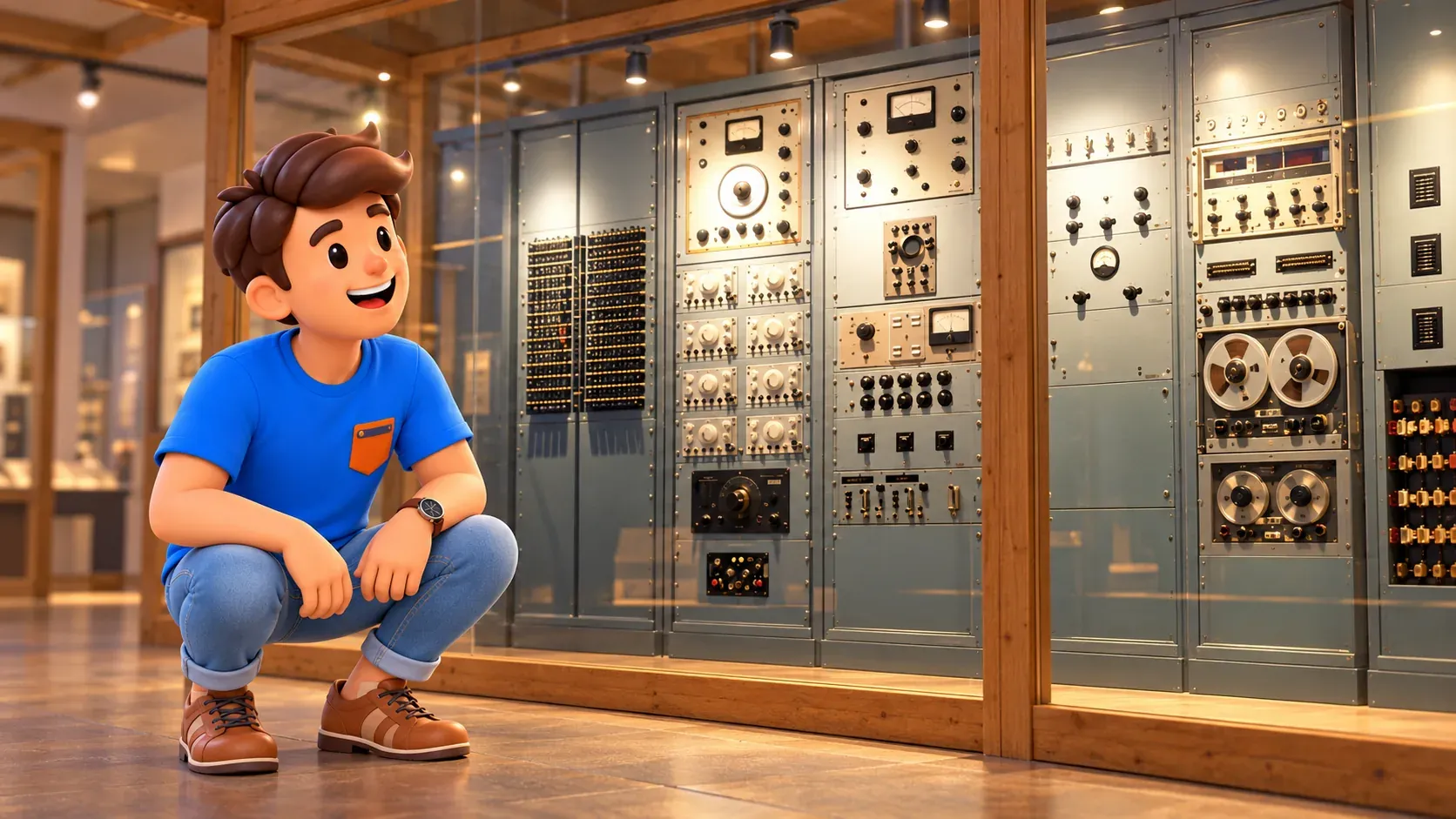
The equipment associated with the Studio di Fonologia Musicale della Rai provides a striking change of scale. Established through the work of Luciano Berio and Bruno Maderna, the Milan studio operated from 1955 to 1983, producing experimental electronic music and work for broadcasting. Its presence connects musical heritage with a city of recording, technology and new artistic languages.
Instead of looking only for a polished wooden instrument, notice panels, meters, controls and recording equipment. The question becomes how sound could be generated, transformed, combined and preserved. You do not need to understand every circuit to recognise a different relationship between composer and apparatus. Making music could involve organising recorded material as well as writing notes for performers.
Keep the historical equipment distinct from a public interactive station. Its appearance does not invite you to turn a knob or operate a machine. The useful connection with the later concert is broader: music depends on tools, choices and a person deciding how a sound should develop. The museum has prepared your attention for listening, rather than supplied an exact preview of the evening’s repertoire.
A short city connection to Dal Verme
Leave through the available public courtyard route towards Piazza Castello, then use Via Luca Beltrami and Largo Cairoli to reach Via San Giovanni sul Muro 2, the theatre’s official address. Follow current crossings and confirm the final entrance on a map. The building also relates to Via Giacomo Puccini; the visitor address is more reliable than following an unlabelled photograph of a side façade.
The twenty-minute allowance covers the outdoor connections and small exterior viewpoint changes in the programme. It is not a measured claim about one uninterrupted walking speed. Keep the separate pause for sitting or a small snack before the concert. A full lunch or a long shopping stop requires more time. Resist turning the short connection into another sightseeing circuit that consumes the theatre-arrival buffer.
Dal Verme has more than one historical identity
The theatre opened in 1872 to a design by Giuseppe Pestagalli. Its history includes the premieres of Puccini’s Le Villi in 1884 and Leoncavallo’s Pagliacci in 1892. These give the address a substantial operatic past even when the programme you choose is orchestral. Musical Milan developed through several stages and institutions, not through a single theatre alone.
The interior is not an untouched nineteenth-century opera house. Bombing in 1943 destroyed the interior and original dome, and later uses included cinema. The theatre reopened as a modern auditorium in 2001. Today the Sala Grande’s green seats, wood and acoustic design offer a different environment from an imagined sequence of gilded opera boxes. Let that difference become part of the visit.
Listening is a different form of attention from museum looking. You cannot decide how long to stay with one musical passage or return immediately to the beginning. Settle into the programme you selected, and let contrasts in rhythm, instrumentation and intensity provide an accessible starting point. Familiarity with the work can help, but recognising every theme is not a condition for enjoying live music.
Arrival, bags and the meaning of your ticket
Allow thirty minutes before the concert for practical arrangements; that is this itinerary’s recommendation, not a promise about queue length or the theatre’s earliest opening time. Check the date, starting time, hall and assigned seat on your ticket. The box office’s opening hours are not a timetable for daytime sightseeing inside the auditorium. Buy through channels authorised for the event and check the actual conditions before paying.
The theatre requires backpacks, umbrellas, cameras and audio or video recording equipment to be left in the cloakroom. Finish the snack before taking your seat: food and drinks belong in the bar areas, not in the hall. Put away unrelated screens, follow staff instructions and preserve the quiet needed for the performance. If you need assistance with access or seating, contact the ticket office in advance.
Entry to the hall is prohibited once the performance has begun. A late spectator is asked to wait in the foyer until the first interval before reaching the seat; do not assume that a gap between movements is permission to enter. Check the arrangement for a programme without an interval. Any spoken introductions also have their own language arrangements, so ask beforehand if that element matters to you.
Use RoadMe to turn an interest in music into a personal plan for the whole trip. Bringing your days together in the app makes it easier to give a concert proper space while balancing the rest of Milan around your own pace.
Keep an alternative if the dates do not align
Visit the instrument museum on its own and choose Dal Verme on another day if that better matches the programme. Conditions were checked on 17 October 2026; verify rooms, calendars, tickets and event length for your date. Our La Scala museum and performance comparison helps with a different musical choice, while the castle-to-Arch-of-Peace walk offers a separate outdoor outing. Neither is an extra stage of this five-hour afternoon.


