
Three days in Marseille: the centre, Longchamp and your choice
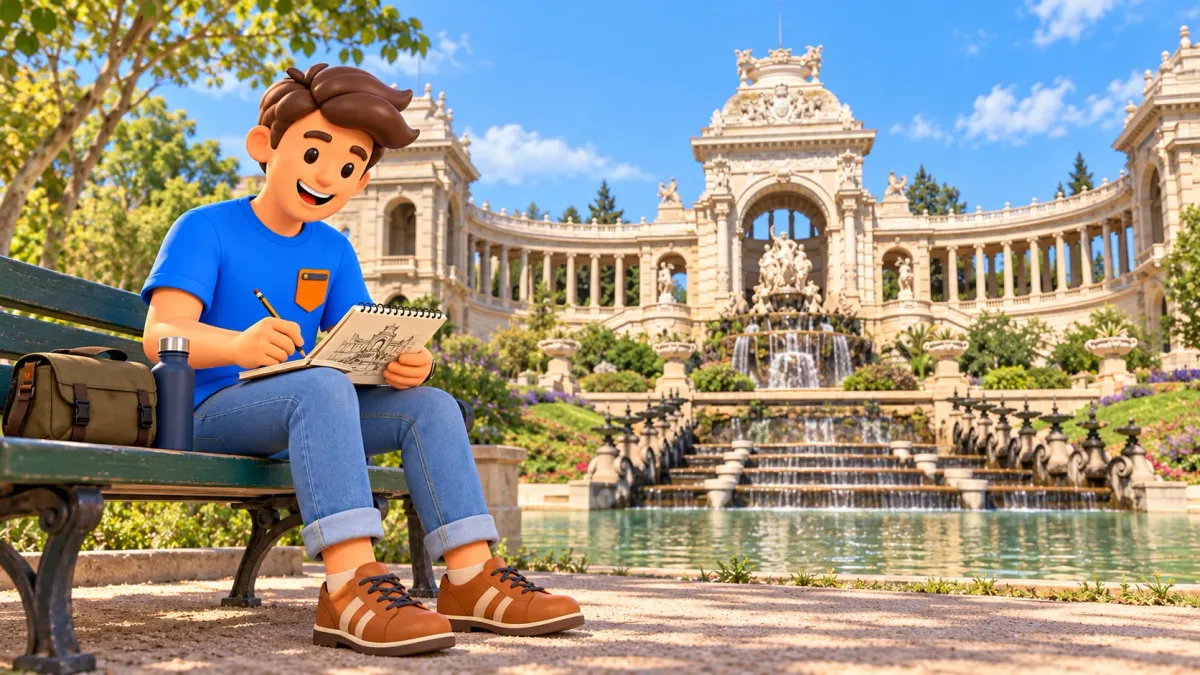
Three full days in Marseille give you room to move beyond the waterfront without turning your holiday into a collection of hurried arrivals. Spend the first day around the Old Port and Le Panier, the second at Longchamp with an optional hilltop finish, and the third on one experience that genuinely interests you: islands, modern architecture or art.
The order is flexible. Museum closing days and the sea forecast matter more than the day numbers below. Suggested durations are editorial estimates, with meals and transfers counted separately. This programme assumes three usable sightseeing days; arrival and departure may shorten what is realistically available.
Build the three days around different experiences
Think of the trip as a waterfront day, a palace-and-park day and a personal choice. You will still recognise connections between the areas, but you will not repeatedly cross Marseille to collect isolated sights. Keep one principal visit in each half-day and let smaller observations happen along the way.
For a balanced first visit, choose a museum on day one or day two rather than feeling obliged to make both days museum-heavy. Someone who loves galleries may happily do more; a traveller interested in street life can spend the same time in the neighbourhoods.
Before booking anything, put the fixed commitments on a simple calendar: an island departure, a guided architectural visit or your journey home. Then place the flexible walks around them. Leave a proper lunch break each day. Having three days is valuable precisely because you can enjoy an unexpected courtyard or a longer conversation over lunch without losing the entire programme.
Let RoadMe turn your interests, dates and preferred pace into a personal three-day itinerary. It is a much easier way to bring the whole trip together than assembling every day separately: try the app and start with the Marseille you want to experience.
Day one: the Old Port, Le Panier and the northern waterfront
Start after breakfast at the eastern end of the Old Port and follow the northern quays towards the town hall. Look across the basin before heading uphill: the port entrance and the basilica on its hill give you bearings for later. Allow the morning for a gradual introduction rather than setting a deadline for every square.
Continue into Le Panier with a small group of landmarks: Place de Lenche, Place des Moulins and the Vieille Charité. Narrow streets, steps and little open spaces provide the interest between them. At the Vieille Charité, the former charitable institution and its present cultural role offer a short historical thread. A longer museum visit here would replace, rather than precede, another substantial visit.
After lunch, move towards La Major and the Mucem waterfront. Choose either exhibitions or time in the permitted outdoor spaces around the museum and Fort Saint-Jean. Allow roughly two hours for your principal cultural stop, adapting to its actual programme. Mucem and the fort normally close on Tuesdays, so retain the street walk or move this day when necessary.
Our one-day Marseille route develops this central sequence in more detail. For a three-day stay, its purpose is to introduce the city without using all your energy. Finish near the waterfront, then keep the evening convenient for your accommodation. An extra distant landmark is rarely more rewarding than an unhurried dinner after a full first day.
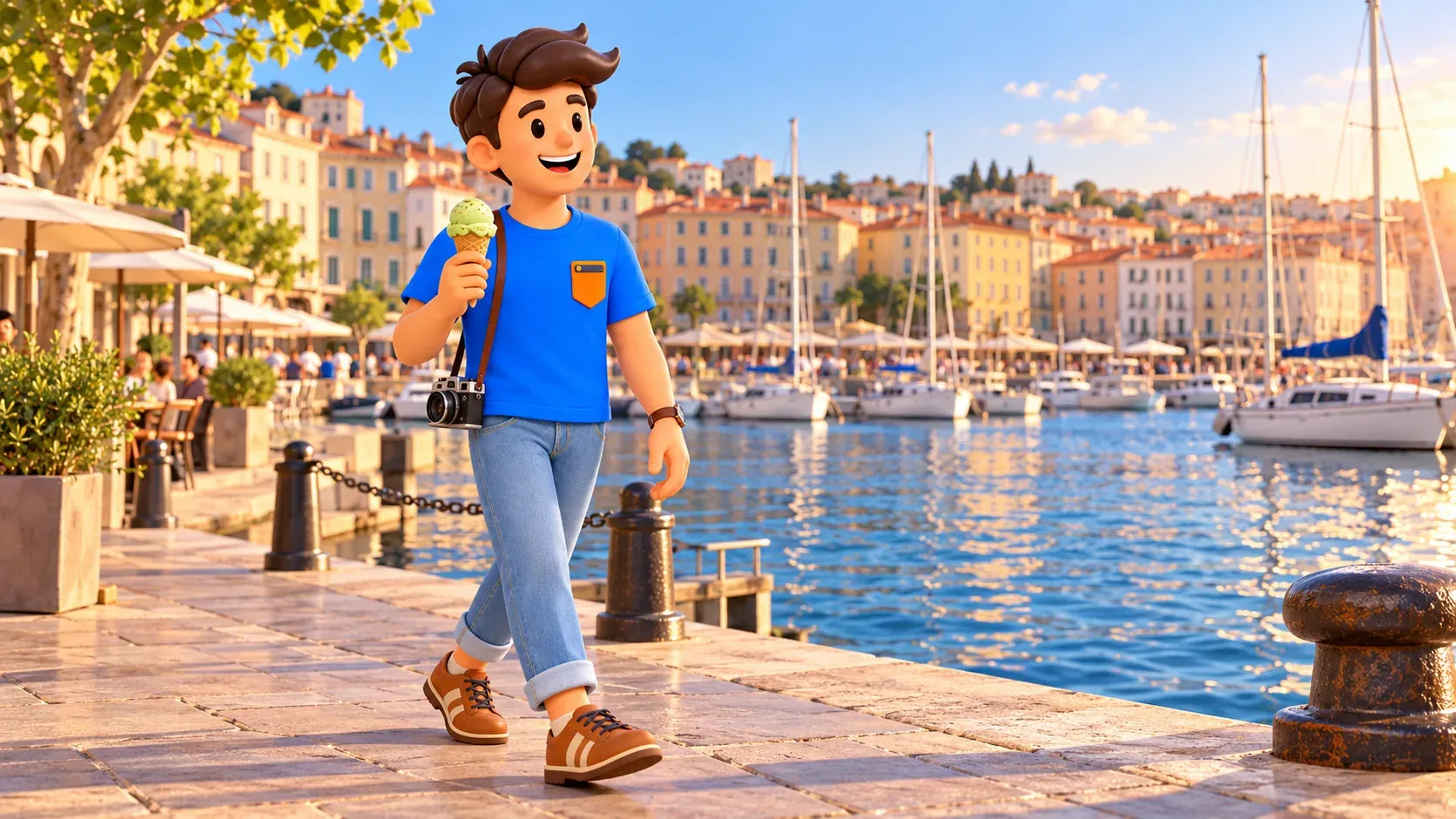
Day two morning: understand Longchamp before entering a museum
Make Longchamp the destination for the morning. It lies inland from the Old Port, so allow a real journey to get there. Use a current local transport connection or walk if that fits your plans; do not treat it as the next doorway after the waterfront. The arrival is more satisfying when you have time to look at the whole ensemble.
Begin outside with the central fountain, the curved colonnades and the two wings. Longchamp commemorates the arrival of Durance water in Marseille: that single piece of context changes the monument from a grand backdrop into a statement about the city’s everyday needs. Notice how the water and architecture occupy the composition together, then move around rather than relying on one photograph.
Continue into the park when it is open. A quiet circuit and a place to sit help separate the palace from the museum you may choose next. About an hour for the outdoor introduction is a useful starting point, not a measured requirement. Steps, open areas and different entrances can affect the approach; check the specific access if mobility needs shape your day.
Choose one Longchamp museum, then protect the lunch break
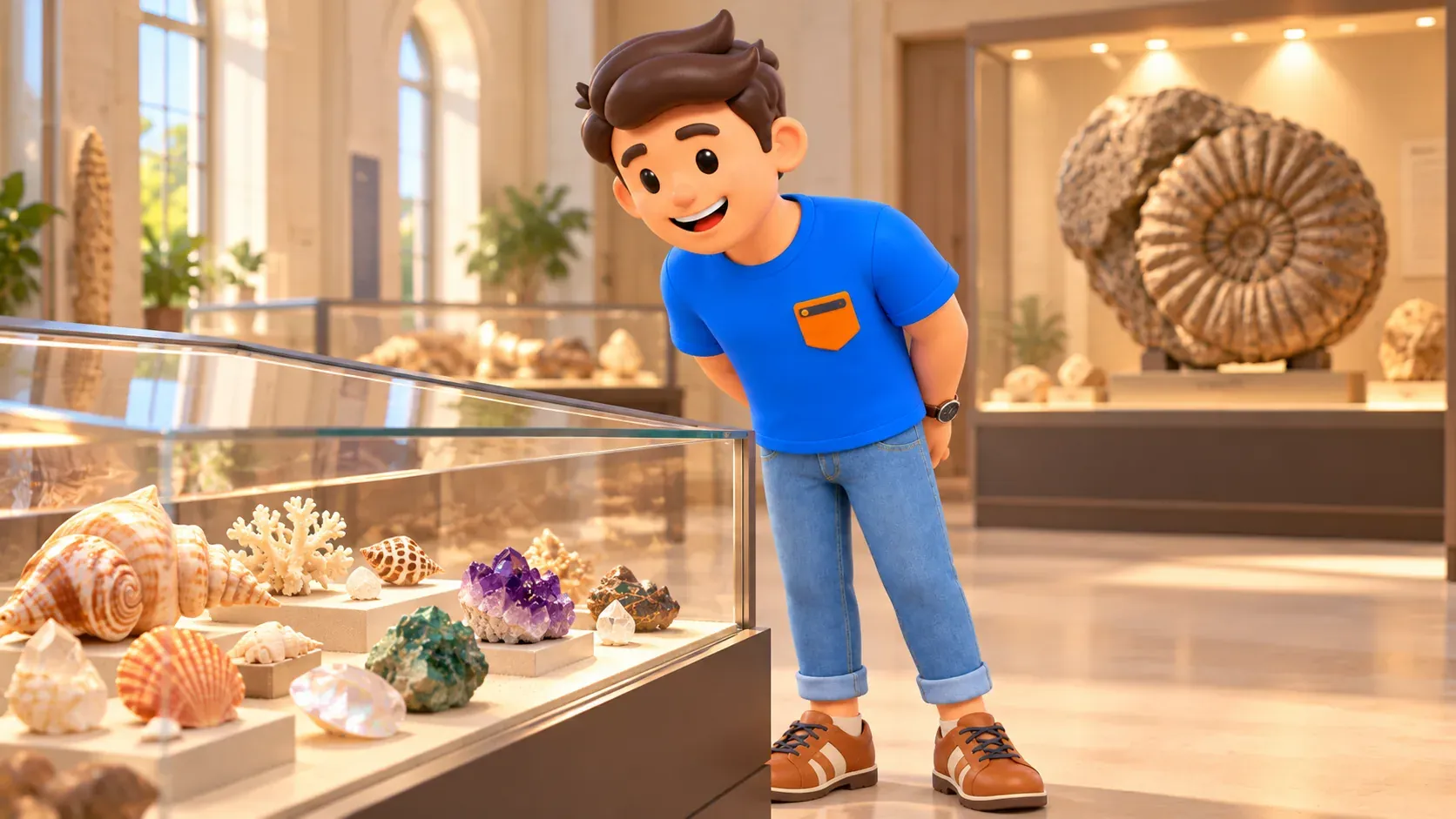
The Musée des Beaux-Arts occupies the left wing; the natural history museum is in the right. Choose paintings and sculpture if you want time looking closely at art, or natural history if that subject better matches your curiosity. Being in the same palace does not make two museums a single short visit. Give one collection your attention and leave the other as a reason to return.
As a planning estimate, keep an hour to an hour and a half for the chosen museum, with more time if its current programme interests you. Both normally close on Mondays, with stated exceptions and additional closures. The natural history museum also currently has a midday break. Check the actual day and available rooms rather than relying on an uninterrupted all-day opening.
Have lunch in the area before deciding what the afternoon should contain. This pause is where a three-day itinerary earns its flexibility: you can stay around Longchamp and Cinq-Avenues, return for a rest or make the optional trip to the basilica. Decide according to how the morning felt. A later start, a lively exhibition or tired feet are all sensible reasons to keep the afternoon simple.
Day two afternoon: a relaxed neighbourhood or Notre-Dame de la Garde
The gentlest version stays near Longchamp for a little more park and neighbourhood time, followed by an easy return. You have already seen a major ensemble and perhaps a museum. There is no need to turn the rest of the afternoon into compensation for an imagined lack of sightseeing. Keep time for a café, photographs or simply watching a different part of Marseille.
If the basilica is a priority, plan a separate transfer to Notre-Dame de la Garde. It is across the city and on a hill, not an extension through the Longchamp gardens. Include the approach, possible waiting and the final ascent. Arriving by an appropriate transport option can save energy, while walking is a deliberate choice for people comfortable with the climb.
Allow about an hour or an hour and a half at the sanctuary and surrounding viewpoints, depending on access and worship. The familiar Bonne Mère has a longstanding connection with Marseille and its seafaring life. Look for the Old Port you explored yesterday. Finish after the visit rather than adding a full coastal walk: the hill works here as an optional highlight with its own journey back.
Day three option one: Frioul for an island day
Choose Frioul when you want the third day to feel clearly different from the city. Check the operating information and sea conditions before committing, then organise the day around an outward sailing and a realistic return. Time on the boat, boarding and waiting belong to the trip. Do not allocate the whole interval between two departures to walking on the islands.
After arrival, keep the initial programme compact around the harbour and the Digue du Berry, which connects Ratonneau and Pomègues. Select a further walking section according to conditions, daylight and everyone’s ability. The point is a change of atmosphere: exposed limestone, water and a slower horizon. A longer circuit is optional, not proof that you have visited properly.
Bring water, sun protection and footwear suited to the chosen ground. The islands are not a shaded urban park. Leave room for a meal or a picnic where permitted, and identify your return plan before moving away from the landing area. If the sea cancels the trip, choose a city day instead; a cancelled crossing is a planning constraint, not a reason to force another boat outing.
Day three option two: modern architecture in the south
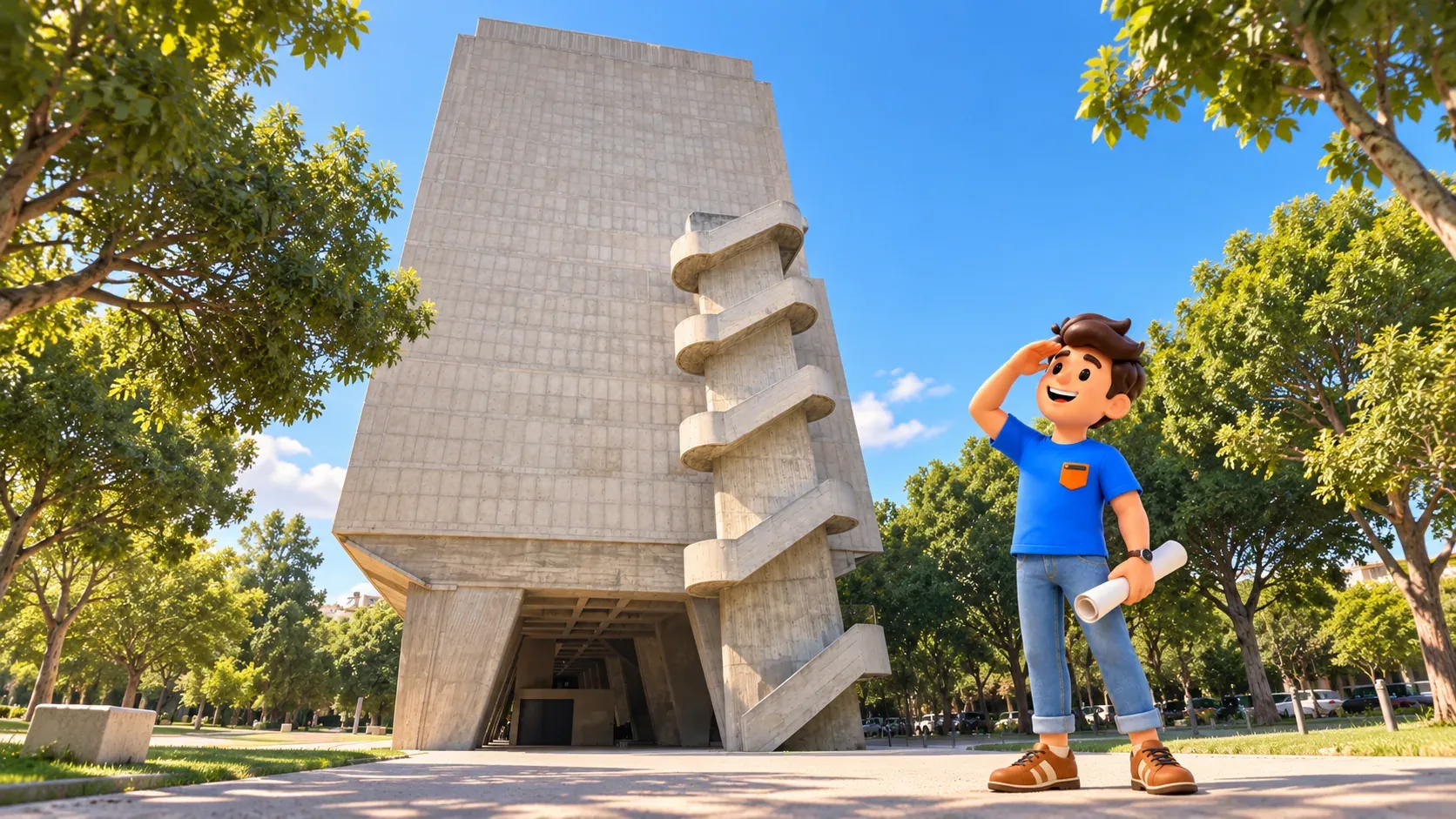
Choose the Cité Radieuse if architecture and the organisation of daily life interest you. Le Corbusier’s building is still inhabited, which makes it a different kind of visit from a museum. Plan the journey south and decide whether you want an exterior introduction or a booked guided visit with its own access. Do this before filling the rest of the day.
Individual visitors may use only the areas currently opened to them and must follow the building’s visitor procedure. An apartment visit belongs to the guided offer, not an assumed free exploration. Respect residents and restricted spaces. The interesting question is how a residential building can combine different daily functions; you do not need unrestricted access to appreciate that idea.
Afterward, the Jardin de la Magalone nearby can provide a gentle contrast if open. Keep an actual lunch break and a comfortable return journey. If you book a longer tour, make it the centre of this day. Do not attach Frioul or another cross-city excursion to the same programme: the architecture option works because it gives one area and one subject enough attention.
Day three option three: Cantini and a slower central afternoon
For an art-led day with fewer transfers, choose the Musée Cantini near Rue Grignan. Its modern art focus gives a different experience from the older paintings and sculpture at Longchamp. Check the current display and opening date before choosing it, particularly if a specific work is your main reason for coming. A collection description does not promise that every work is on view.
Reserve a substantial morning or early afternoon block, then have a meal nearby. Spend the remaining time on the central streets south of the port, or return to a favourite place from day one. This is the simplest version to shorten for a late arrival or early departure because it has fewer separate moving parts than an island day.
Cantini normally closes on Mondays, with calendar exceptions and possible exceptional closures. If your chosen date does not work, swap the art day with another suitable day or select a different open visit that interests you. Keep the personal subject intact instead of replacing a closed museum with the longest possible list of unrelated stops.
Put the dates in order and leave a little space
Once you know which third day you want, reorder the programme around access. Mucem’s usual Tuesday closure and the usual Monday closures at Longchamp and Cantini need different solutions. Check exceptions as well. Strong wind can close Longchamp park and prevent museum access, so an indoor attraction there is not automatically a reliable bad-weather replacement.
If Frioul is your priority, use the best suitable sea day and keep the city blocks movable. In hot weather, move exposed walking earlier; in persistent rain, shorten outdoor stretches and give one open museum more time. None of those changes requires adding more attractions. A clear main experience and a comfortable meal often make a stronger day than a tightly packed rescue programme.
For a trip shaped around islands, architecture or art, RoadMe can work out a personal plan around your interests. Use the app to make planning more convenient and spend your attention on enjoying the places you chose.


