
Half a day at Longchamp: palace, park and one museum
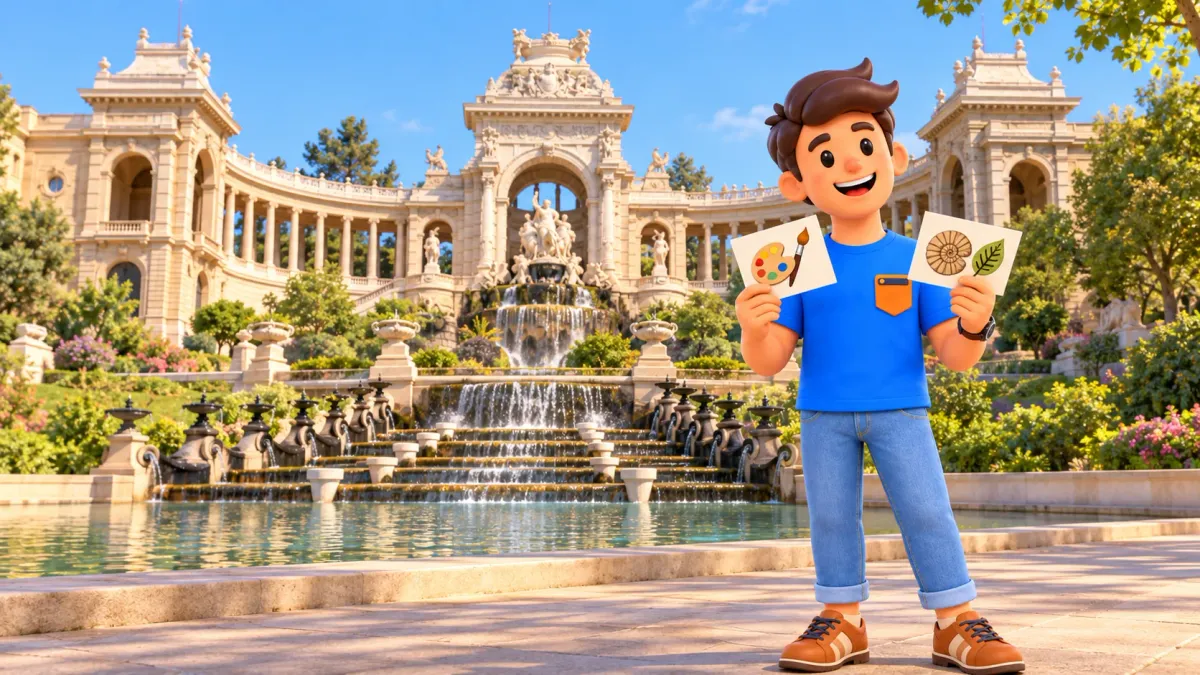
Longchamp works best as a small world of its own. Come for the monumental fountain and curved colonnades, choose either fine arts or natural history, then leave time for the park. In roughly three to four hours, you can enjoy different parts of the ensemble without treating both museum entrances as compulsory stops.
This plan starts on the city-facing side of the monument and finishes after a park pause, with your onward journey counted separately. Durations are editorial estimates, not measured walking times. Check the actual date before setting off: museum closures, available rooms and the park’s weather restrictions can change what is possible.
Choose the museum before choosing your pace
Give the visit one main indoor subject. The Musée des Beaux-Arts is the choice for paintings and sculpture; the natural history museum is for curiosity about the natural world. Both are part of Longchamp, but they offer different ways of looking. Choosing in advance stops the morning disappearing into a debate at the doors and gives the rest of the half-day a comfortable shape.
A useful starting allocation is forty to fifty minutes outside, sixty to ninety minutes in one museum, a twenty- to thirty-minute pause and around forty minutes in the park. Keep some additional margin between these blocks. You can shorten a part you enjoy less or expand the one that catches your attention. The aim is a satisfying half-day, not exact compliance with a timetable.
If no museum currently interests you, choose an exterior visit and shorten the outing rather than entering only to fill time. Conversely, if a collection is the main reason for coming, put it first when its opening allows and reduce the park. Longchamp has enough variety to support either version. Decide according to the people travelling with you, including how much standing and walking feels comfortable.
Use RoadMe to turn your interests and preferred pace into a personal Marseille itinerary, with a half-day like this placed where it suits the trip. The app makes planning the whole stay much more convenient than organising each visit separately: try it with the experiences you most want to have.
Arrive at the monument and read the fountain as a whole
Longchamp is inland from the Old Port, so give the journey its own place in the day. Arrive at the city-facing side if you want the monumental introduction described here. A current local transport connection or a deliberate walk can both work, but the route to the area is not included in the three- to four-hour visiting estimate. Leave time to find your actual entrance.
Before approaching individual details, stand back and look at the central fountain, the colonnades and the wings together. The ensemble celebrates the arrival of Durance water in Marseille. That brief context changes the impression: the grand setting also speaks about supplying a growing city with something essential. You can follow that idea through the composition without learning the name of every sculptural figure.
Change your viewpoint a little and notice how the cascade relates to the architecture above. The water’s sound, the pale stone and the broad outline offer more than a single front-facing photograph. Use the permitted viewpoints for this part of the visit.
Use the colonnades to connect architecture and the visit
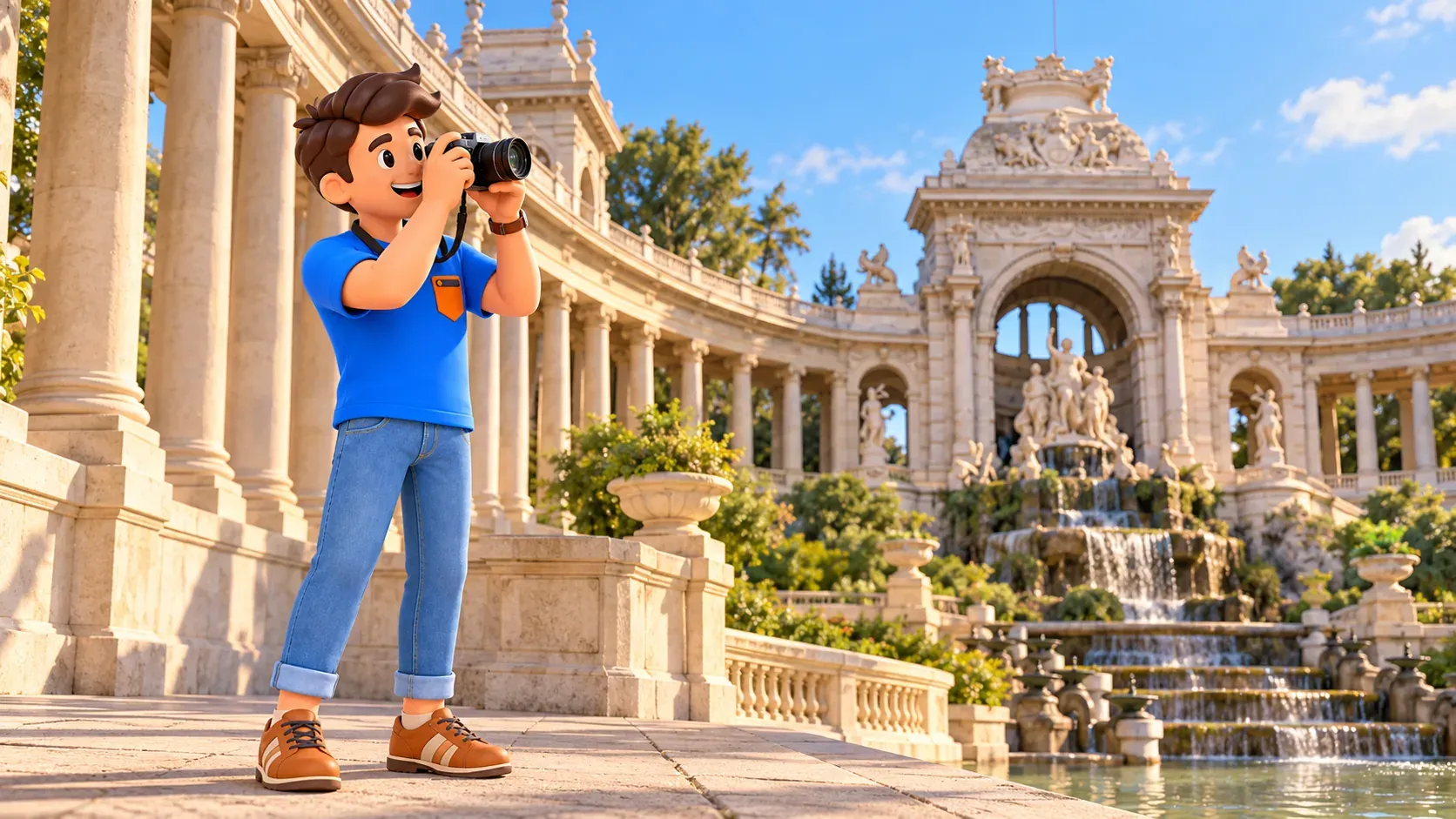
Once you have seen the whole arrangement, approach the architectural spaces permitted that day. The curve makes the wings feel related rather than like two unrelated museum buildings. Look for a change between the broad view from below and the closer rhythm of columns, shadows and stonework. A few minutes of attention can make these details more memorable than taking several nearly identical photographs.
When facing the monument from the city side, the fine arts museum is in the left wing and natural history in the right. Keep that simple distinction, then follow the actual visitor entrance signs. The palace, museum rooms and park do not necessarily share a single access arrangement. A door seen from outside is not a promise that every room behind it is open.
Steps and changes of level matter in this ensemble. If a particular access requirement shapes your visit, check the exact museum and approach beforehand rather than relying on a general description of a park. You can still appreciate the architecture from suitable public positions, but that is a different promise from an uninterrupted step-free circuit through all the spaces.
Fine arts: give a small selection of works real attention
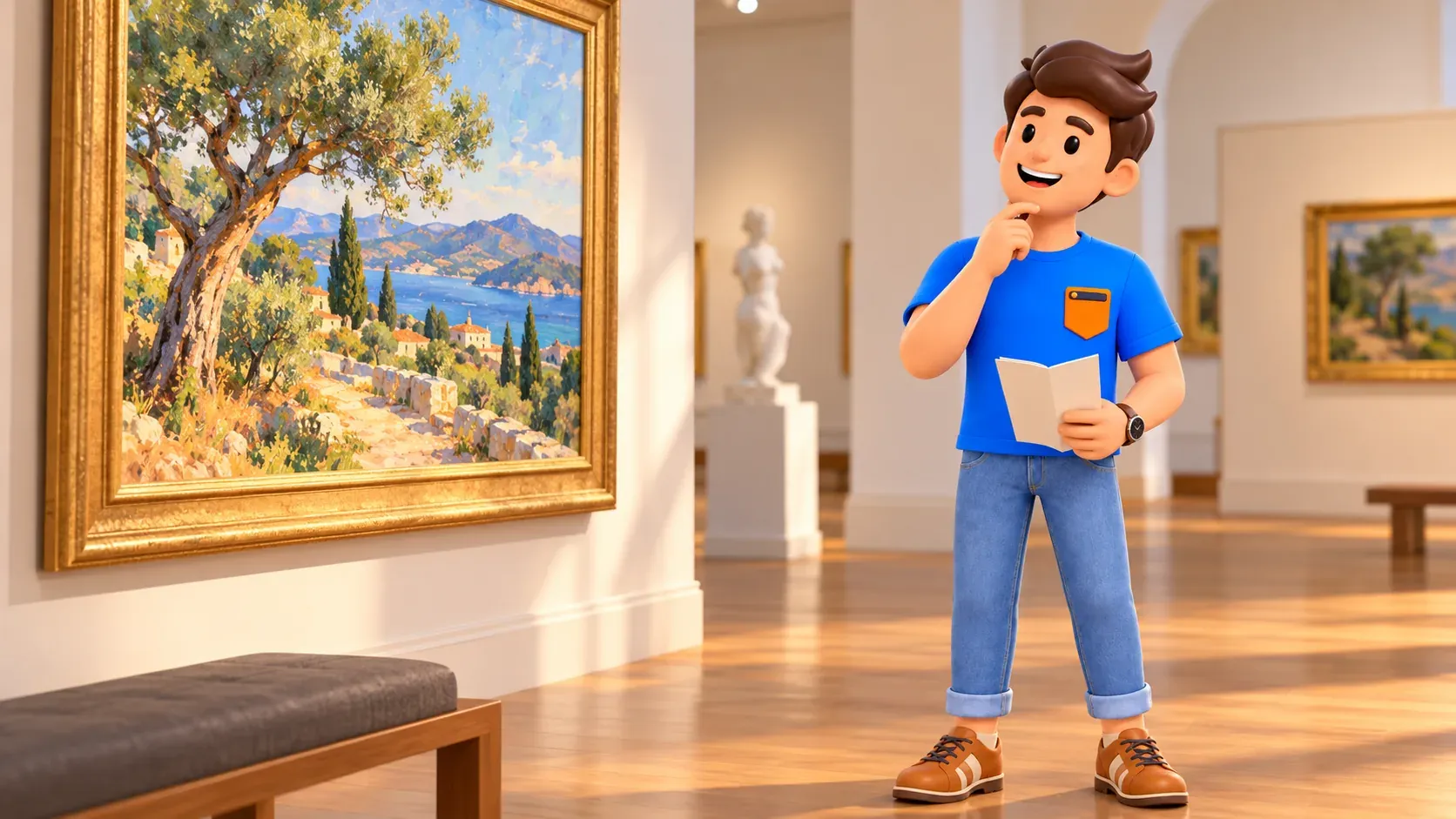
Choose the Musée des Beaux-Arts if you want the indoor part to be about looking closely at paintings and sculpture. Its collection includes European works from the sixteenth to nineteenth centuries. For this half-day, the useful question is not how many rooms you can cover but what you would like to notice: a painted landscape, the treatment of light or the physical presence of a sculpture.
Check the current presentation before deciding that one particular work must be the centre of your visit. Collections and available rooms are not the same thing, and a general museum description does not guarantee every object on display. Once inside, choose a modest sequence and allow yourself to stop. You may remember a small number of works better than a rapid attempt to see everything.
An hour to an hour and a half is an editorial starting point for a focused visit. If you find yourself wanting more, use some of the outdoor allowance rather than speeding through the last rooms. If the collection is not holding your attention, leave earlier without treating the outing as unsuccessful. The fountain, architecture and park remain meaningful parts of the same visit.
Natural history: follow one question rather than every display
Choose the natural history museum if you would rather spend the indoor block thinking about nature. Read the current programme to see which subjects and rooms are actually available. This is especially useful when travelling with someone whose curiosity is quite specific. A named exhibition, family activity or guided session may have its own dates and conditions; it should not be assumed to happen during any ordinary visit.
Inside, give yourself one question to follow. What catches your attention first, and what would you like to understand about it? That approach keeps the visit active without making it a test of how much information you can absorb. If you are travelling with children, let their interest influence the pace, while keeping an agreed point for a pause or an early finish.
Keep roughly the same sixty- to ninety-minute starting block, adjusting to what is open. The museum currently publishes a midday break, so check how it fits your planned arrival. Its official access information also currently identifies limitations for people with reduced mobility. Clarify your particular needs directly before choosing it. Neither the building’s shared location nor a general family recommendation settles those practical questions.
The park gives the half-day a different rhythm
After the indoor visit, use the park as a change of attention rather than another list of things to complete. Walk a comfortable section, find somewhere suitable to sit and notice the contrast with the fountain’s formal composition. You have spent time looking at architecture and perhaps a collection; the green space allows those impressions to settle before the journey back into the city.
Longchamp’s park once contained Marseille’s zoo. Treat that as a historical layer, not a promise of an operating animal attraction. It can explain why the site has more than one kind of space, but a relaxed visit does not require tracking down every remnant. Let the park walk suit the available time and the areas actually open on your date.
About forty minutes is a useful initial allowance, with more if this is your favourite part. Follow the available public paths and choose an exit that makes sense for your return. A garden pause should not end in an unexpected rush across the grounds. Before moving far from your museum exit, consider where the next transport connection or meal will be.

Place the pause where it helps, not where the clock insists
A twenty- to thirty-minute break works well between the museum and the longer park section, or near the end if you prefer to keep walking first. Bring water and decide whether the visit ends before lunch or includes a proper meal afterward. A brief pause and a restaurant lunch are different time commitments. Adding the second means extending the half-day estimate.
Do not build the programme around an unverified refreshment stand inside the grounds. Use a confirmed option or make a simple plan for the nearby neighbourhood. The purpose is to avoid spending the last part of your visit searching for something that may not be operating. A little preparation lets the pause remain a pleasant part of the experience instead of a new logistical problem.
If the morning has become longer than expected, protect the break and shorten the final circuit. You have already had the main architectural view and the museum you chose. There is no need to use the remaining minutes to prove that you have seen every corner of Longchamp. A relaxed finish often makes the whole visit feel more coherent.
For a day that balances art, nature and time to rest, RoadMe can work out a personal plan around your interests. Let the app bring the itinerary together more efficiently while you keep your attention on enjoying Marseille.
Check calendar and weather together
Both museums normally close on Mondays, with published exceptions and additional closures. Check the specific date, the current rooms and the latest entry conditions before leaving. A permanent collection does not imply permanent access. If your chosen museum is closed, decide whether the other genuinely interests you or whether an outdoor-only visit is the better use of your time.
Strong wind can lead to closure of Longchamp park and prevent access to the museums. An indoor collection here is therefore not automatically a reliable replacement for a windy outdoor plan. Check the actual situation rather than travelling on the assumption that a roof guarantees entry. In any weather, the park’s opening and the museum’s admission need to be considered separately.
If you have only a shorter window, keep the fountain and a modest architectural circuit when access allows, then finish with a pause. Do not squeeze two museums into the time originally intended for one. If an exhibition is your priority, reverse the emphasis and reduce the exterior. Both decisions preserve a clear purpose instead of turning a half-day into a race between doors.
Finish with a clear next step
Choose your finishing point according to the part of the park you actually enjoyed and the onward connection you need. Allow the return journey separately, particularly if you have another timed commitment. Cinq-Avenues can provide a straightforward neighbourhood continuation, but it does not require a new substantial visit. The half-day at Longchamp is already complete on its own terms.
If this visit forms part of a longer stay, our three-day Marseille plan shows where an inland day can sit alongside the port and a personal-interest day. Keep that wider perspective when deciding what comes next. The attraction of Longchamp is the combination of a monumental water story, one chosen indoor subject and breathing space in the park, all given enough time to be enjoyed.


