
Le Panier in two hours: squares, stairways and the Vieille Charité

For a two-hour introduction to Le Panier, start at Place de Lenche, continue towards the Accoules, climb to Place des Moulins and finish around the Vieille Charité. Keep one short café or sitting break. This gives the walk a beginning, a high point and an architectural finale without turning every nearby lane into another obligation.
The two hours begin at Place de Lenche and end at the cultural centre. Getting there from your accommodation, a full museum visit, lunch and the onward walk to the waterfront need additional time. All time blocks below are editorial estimates. Le Panier is hilly: close points on a map can still mean steps, changes of level and a slower walk than expected.
Choose a small route with room to look
Use four anchors rather than a long checklist: Lenche, the Accoules, Moulins and the Vieille Charité. They make a coherent neighbourhood walk, with the lower square leading into the hill and a cultural ensemble near the end. You can enjoy the contrast between open spaces and narrow streets without needing a historical explanation at every doorway. The aim is to understand the quarter at walking pace.
As a working budget, allow twenty minutes around Lenche, twenty for the Accoules approach and exterior, twenty around Moulins, twenty for the connecting streets, fifteen for a pause and twenty-five at the Vieille Charité. Those blocks include unhurried movement between nearby anchors, not six guaranteed appointments. If one place holds your attention, take time from another. Begin while the cultural centre is open if its courtyard matters to you.
Comfortable footwear and a small supply of water are more useful here than a packed bag. Keep both hands available when using steps. Before setting off, decide whether the uphill section suits everyone in your party. This is a walking idea through a real residential quarter; it does not promise a continuous step-free route or a flat path between its named squares.
It is much more convenient to let RoadMe work out a personal route around your interests and available time than assemble every stop yourself. Try the app to turn two hours in Marseille into a clear plan that fits your trip.
Place de Lenche: settle into the scale of the quarter
Begin on Place de Lenche rather than counting the whole Old Port as part of these two hours. If you have approached from the northern quay, pause when you reach the square. The broad harbour scene gives way to closer facades, tables and streets rising behind them. That change of scale is a useful first impression of Le Panier, even before you enter its narrower passages.
Spend a few minutes looking at how people use the space. Notice which streets feel like through routes and which lead further into the neighbourhood. The square works well as a meeting point before the ascent: agree here on the next anchor, especially if your group tends to spread out for photographs. It is easier to do that in an open space than halfway along a narrow stairway.
You can take your drink here or save the break until later. For a two-hour walk, choose a short stop instead of a full meal, and include time to order and pay. There is no need to chase a supposedly essential café across the quarter. The useful choice is the place that is open, suits your budget and lets everyone continue comfortably. Restaurant availability is not part of the route’s timing promise.
The Accoules: let the climb explain the landscape
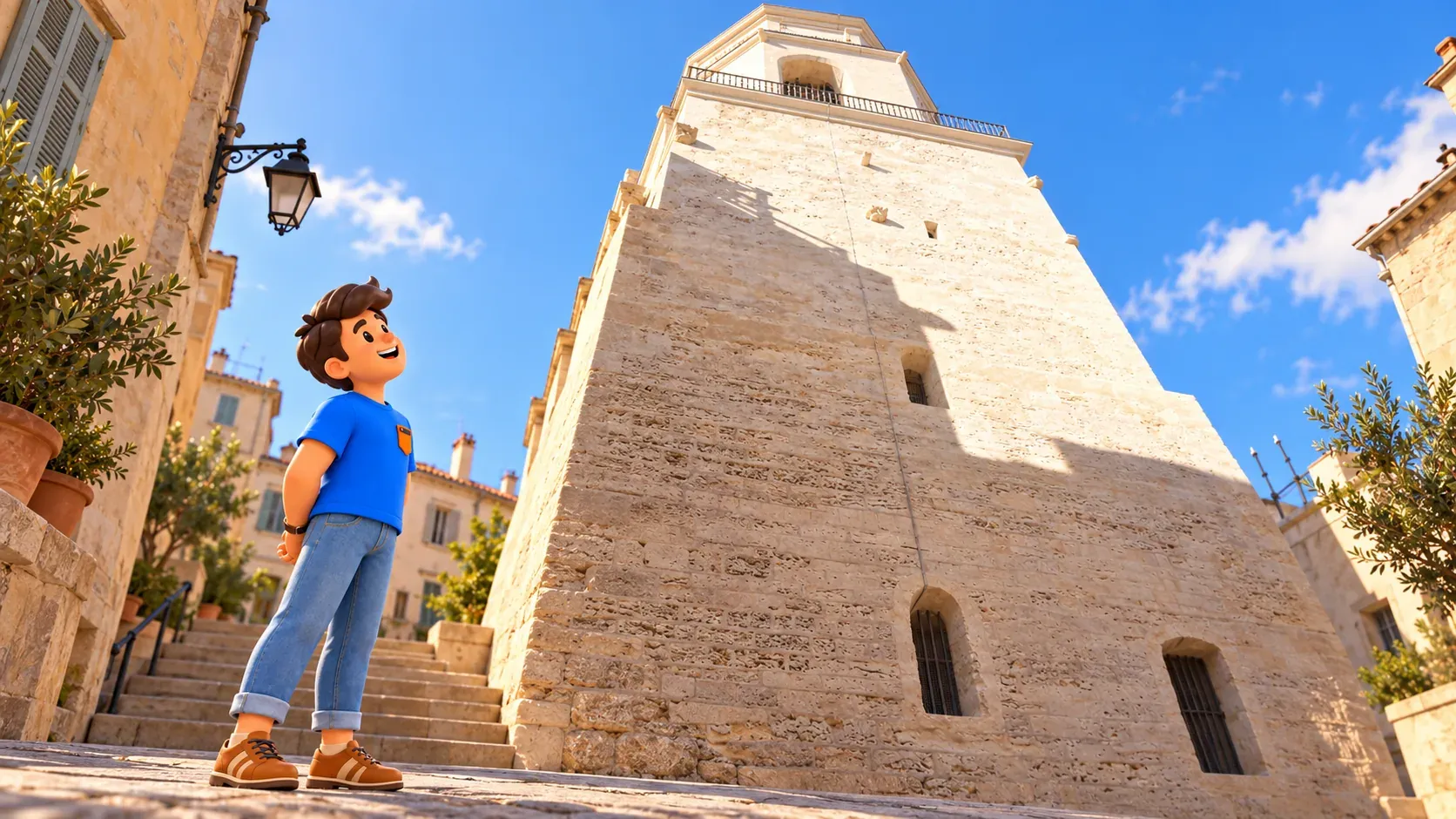
Continue towards the Accoules area, keeping the bell tower as an exterior reference. The stairways around this part of the quarter make the hillside tangible. Pause in a position that leaves room for people passing, then look back as well as uphill. A lane seen from the other direction often reveals more about the relationship between the quarter and the harbour than another detour does.
The old bell tower survived the destruction of the medieval church during the Revolution; the present church belongs to a later period. That small distinction is enough to make the scene more interesting. You are looking at layers of building, rather than an unchanged medieval street. There is no need to turn the stop into a detailed chronology or assume that the tower itself is open to climb.
For the basic route, allow an exterior stop. Enter the church only when access and religious use permit, and shorten another block if you stay. A closed door does not prevent the neighbourhood walk. Avoid treating a service, a private entrance or an unfamiliar courtyard as a visitor attraction. The pleasure here comes partly from observing the street carefully while allowing everyday life to carry on around you.
Place des Moulins: a pause on the hill
Continue up to Place des Moulins. This is the high part of the proposed loop, so give the approach its own time rather than interpreting the short distance as a reason to hurry. The shift from compact lanes to a more open square is the reward. Before taking pictures, stop and let your breathing settle; the square can be a natural moment to check how everyone feels about continuing.
The name recalls the windmills that once stood on the hill. Use that single historical clue to imagine a working landscape above the port rather than looking for a complete preserved milling complex. The square’s underground cistern is closed to the public, so it is not a hidden visit to add to this walk. Its existence provides context, not an extra entrance or a reason to search for a way below.
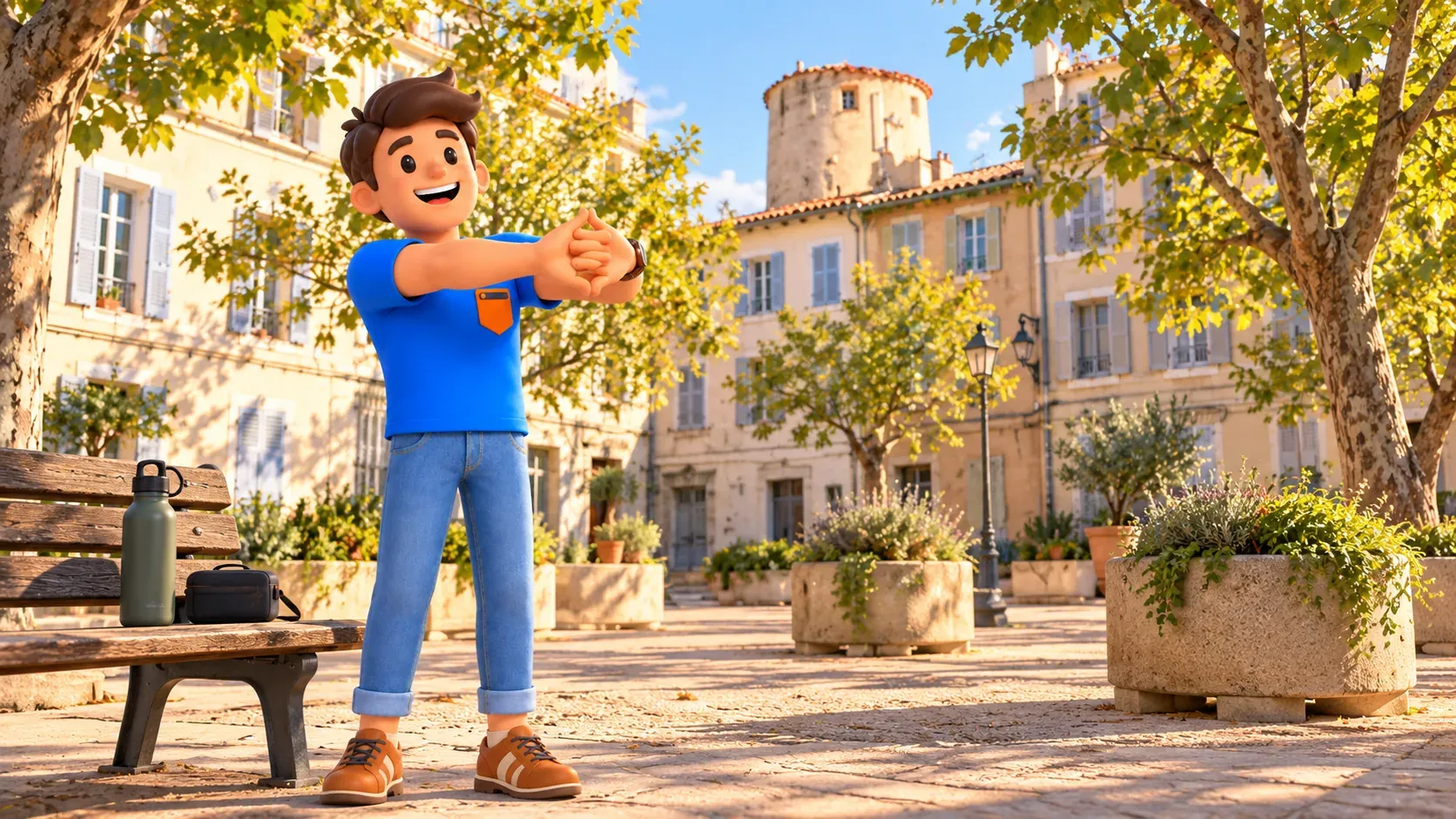
Keep the rest of the stop simple: look at the square as a whole, notice how its edges meet the streets, then decide on a brief rest. If seats are occupied, do not make an uncomfortable pause into another target. You can continue slowly and stop later. This is also a good point to abandon a side excursion: you already have the contrast between the harbour approach, the stairways and the hilltop.
Between the squares: choose one thread through the lanes
Head towards the Vieille Charité through the intervening streets, leaving room for one small discovery. A workshop window, a painted wall or the rhythm of shutters may catch your attention. Choose a thread rather than collecting every photogenic corner. If you enjoy colour, notice how light changes the same facade. If architecture interests you, look at thresholds and the different widths of streets. Neither activity requires entering residential space.
Street art and independent businesses can make a walk feel different from one visit to another. Treat them as things to encounter rather than a fixed outdoor exhibition with every shutter guaranteed to be open. Ask before photographing someone at close range or working inside a shop. Buying a small object is optional; the route should still feel complete if you only look and continue.
Use the planned fifteen-minute pause here if you did not stop at Lenche. Take stock before the cultural centre: do you want architecture, an actual exhibition or simply a quiet finish? A longer café stop can be the best choice, but it changes the remaining visit. Decide together now, while the walk still feels relaxed. There is little benefit in saving minutes on the break and then spending them debating at the museum entrance.
Vieille Charité: an architectural finish, with museums as a choice
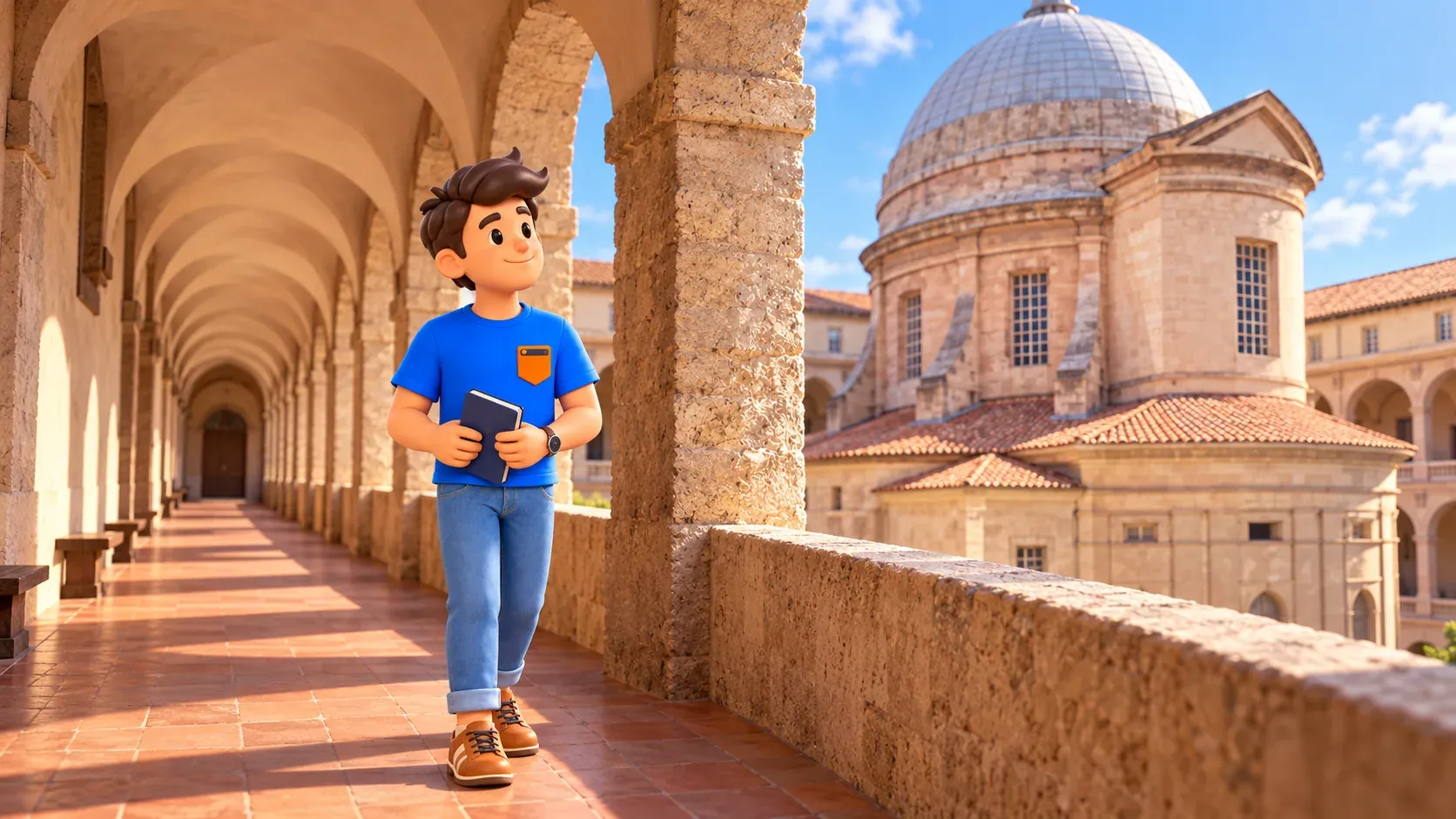
Arrive at the Centre de la Vieille Charité, at 2 rue de la Charité, with roughly the final twenty-five minutes available. The courtyard and central chapel give the walk a different spatial experience from the surrounding lanes. The former institution for the poor is now a cultural centre. That change of purpose adds meaning to the architecture without requiring you to visit every collection housed within the ensemble.
For this short route, the default is the exterior and, when open and permitted, a look around the courtyard. Museum rooms, temporary exhibitions, chapel installations and events are separate choices with their own conditions. Do not interpret access to one space as a ticket for all the others, or assume that a brief courtyard stop includes a complete museum visit. If an exhibition is the main reason you came, give it a longer block and reduce the street walk.
The centre normally closes on Mondays, with exceptions, and can announce additional closures. Check exceptional closure notices for your actual date, including the availability of the courtyard and any room you want. For mobility needs, confirm the current entrances, lifts and permitted route with the centre before visiting. Do not rely on a general opening label to settle specific access needs.
If the centre is closed, finish outside and keep the walk focused on the squares and streets. Avoid promising that the courtyard stays open independently. A pleasant short route remains possible, while an exhibition-led visit should move to an appropriate day.
Adapt the two hours to your interests and energy
For a shorter version, leave out Place des Moulins and keep Lenche, a manageable part of the Accoules area and the Vieille Charité exterior or courtyard. Allow roughly an hour to an hour and a half, according to the actual connecting route and your break. Skipping the hilltop reduces the programme; it does not automatically create a step-free route. Check the streets you will use if stairs or steep slopes are a concern.
With children, choose one observation game instead of adding more stops: compare the shapes of windows, look for a colour across several streets, or find the difference between a square and a courtyard. Keep the game away from private doors and preserve space on the steps. With photographers, agree on one longer picture stop. That usually works better for the whole group than repeated, unpredictable pauses every few metres.
In hot weather, use shade where available and shorten exposed or tiring sections. After rain, take additional care on steps and sloping surfaces. If the cultural centre is the priority, build the walk around its confirmed access; if the neighbourhood is the priority, let the visit remain optional. The best adjustment is one made before fatigue or a closing door forces an abrupt change.
RoadMe makes a neighbourhood walk easier to fit into a full trip by building a personal itinerary around what interests you. Let the app organise the programme, whether you want more architecture, cultural visits or time to explore the streets.
Finish here, then choose what belongs to the rest of the day
The two-hour route ends around the Vieille Charité. Keep the next leg separate, whether you return towards the Old Port, continue towards La Major or leave for lunch elsewhere. An onward waterfront walk is attractive, but adding it without extra time turns a compact neighbourhood visit into a rushed city circuit. Give the following activity its own journey and a proper break between the two.
For a broader central day, our one-day Marseille walk connects the harbour, Le Panier and the waterfront. Use that plan when you want a whole-day sequence. Use this shorter route when the quarter itself deserves your attention: the lower square, the climb, the hilltop and the cultural courtyard make a complete small journey.


