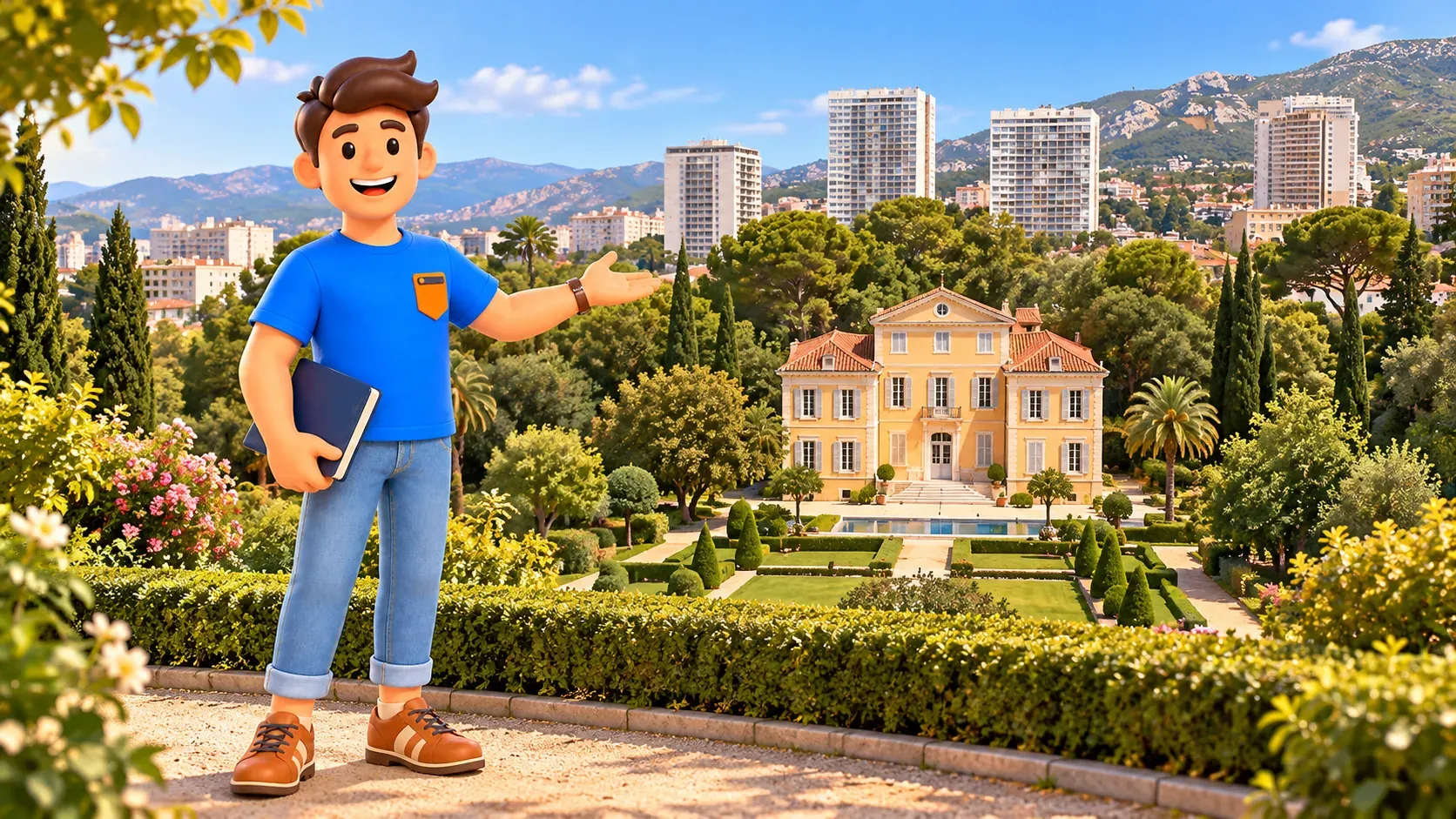
A football day in Marseille: the Vélodrome and one southern garden
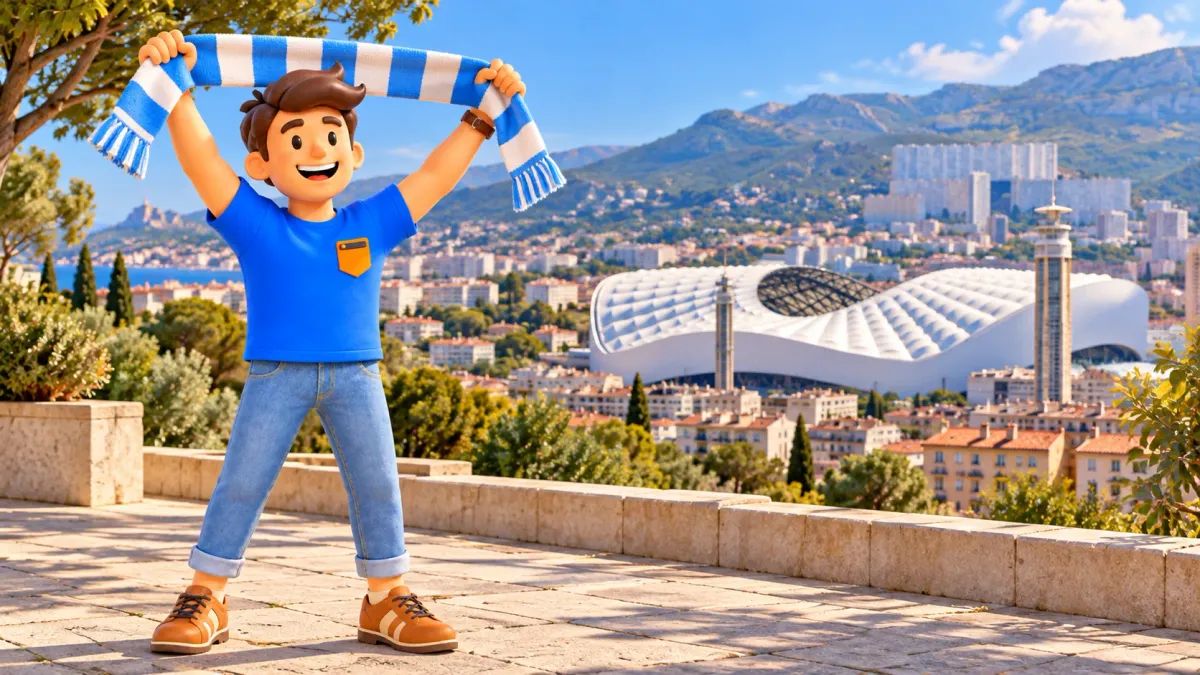
Give a Marseille football day one clear centre: an OM match you have booked or an available OM Stadium Tour. Add one garden in the south of the city and a proper meal, allowing the stadium’s timetable to set the order. The contrast between a huge sporting landmark and a quieter green space can make a satisfying day without crossing the whole city.
The stadium now uses the name CEPAC Vélodrome; older guides may still call it Orange Vélodrome. Both refer to the familiar Vélodrome. For a modest tour-and-garden programme, allow roughly four to five hours from the stadium area, plus your city journey. This is an editorial framework. A match has its own arrival, playing and exit schedule and can take a much larger part of the day.
First choose a match or a particular stadium visit
A match and a stadium visit answer different wishes. Choose a match if you want to follow the football from your seat and experience the event with the crowd. Choose the tour if you are mainly interested in the building, its backstage spaces and club history. Check the official offer for your actual date before fitting other stops around it. A ticket for a stadium visit should not be treated as admission to a match, and a match ticket does not automatically provide the tour route.
Read the precise product you are booking. The stadium currently offers self-guided visits, programmed guided visits and a separately offered Matchday visit on the morning of a match. It is therefore too simple to say that all visits are impossible on match days. Availability still depends on the programme. Matchday is its own booked experience with its own meeting instructions; it is not a reason to arrive at an ordinary entrance and expect a place. Select one confirmed activity as the basis of your plan.
Then choose one green stop. Magalone works for a compact garden and bastide setting along boulevard Michelet. Borély offers a broader park visit west of the stadium area. Bagatelle provides another small garden option around a villa used by the sector town hall. They are alternatives, not a continuous three-garden circuit. The right choice is the one that fits your available daylight, walking pace and return to the correct stadium entrance when needed.
Let RoadMe develop your complete personal Marseille itinerary around your interests, available days and pace. The app makes it much more convenient to give football its place while balancing the whole trip with architecture, gardens and time together.
Look at the roof and understand the Vélodrome name
Allow a short exterior introduction from an accessible public place, following the actual event arrangements. The white roof’s rising and falling outline gives the building a recognisable silhouette among the southern city blocks. Look at its scale before concentrating on a close photograph. This brief encounter can interest a companion who is less attached to football but enjoys architecture. It does not require a circuit around every side of the stadium, particularly when barriers or organised flows determine where spectators should go.
The name retains a piece of sporting history. Opened in 1937, the stadium originally accommodated cycling as well as other sports; a cycle track explains the word Vélodrome. The inauguration included an OM match against Torino. You only need that small layer to see the place as more than a football ground that appeared in its current form. The major reconfiguration completed in 2014 added the sweeping roof and changed the stadium’s relationship with its surroundings. The contrast between the original name and today’s envelope is an easy detail to remember.
The latest name adds another layer rather than another destination. The naming partnership announced in June 2026 took effect on 2 July, bringing CEPAC to the stadium’s official name. Use the current name when checking the venue’s own information, while recognising the older Orange wording in existing material.

Make the inside visit or the match the day’s anchor
For the OM Stadium Tour, read the current description and actual booking instructions. The official offer includes spaces such as the dressing rooms, press conference room, trophies and pitchside. Pitchside means viewing from beside the playing surface, not permission to wander across it. The format and available spaces follow the product and stadium operation on your date. Give attention to the transition between a vast sporting space and the smaller places where an event is prepared. The visit can make sense without memorising every season or player.
Ordinary self-guided and guided visits use the Jean-Bouin side on boulevard Michelet, with Gate 18 identified by the operator. Guided participants are asked to arrive ten minutes before their slot. The Matchday product has a different meeting arrangement and asks for arrival fifteen minutes beforehand near the accessible lift between the Puma shop and Jean-Bouin ticket office. Recheck your own confirmation rather than applying one entrance to every format. If particular mobility arrangements matter, confirm them with the operator before building the rest of the day around the visit.
For a match, organise the day around the confirmed fixture and your own ticket. The operator currently directs Jean-Bouin and North stand spectators towards Rond-Point du Prado, while Ganay and South stand spectators use the Dromel side. The ticket and event instructions remain the guide to the actual entrance. Leave room for checks and the crowd’s pace. A tour’s Gate 18 is not a universal match gate. If the match takes place late, enjoy any garden beforehand and leave the return after football for transport and rest.
Add one garden: Magalone, Borély or a smaller alternative
Magalone provides a relatively compact change of mood along boulevard Michelet. From the stadium area, an editorial allowance of about twenty to thirty minutes for the street walk gives an initial scale, followed by thirty to forty-five minutes in the garden if it is open. Check the real route, crossings and pace. The eighteenth-century bastide and composed garden offer a different view of the residential south. Keep the building as an exterior subject unless a separate visit is actually announced. A garden opening does not establish public admission to rooms inside.
Borély gives more room to make the green pause the second main part of the day. The Huveaune pedestrian connection from the Michelet area is one possible approach; the current open route and any local works need checking. Allow roughly thirty-five to forty-five minutes for a comfortable transfer with ordinary pauses, rather than treating a short published walking reference as a deadline. Public streets provide another route when needed. Choose the actual path and return before setting out, especially if you must get back to the stadium for a timed event.
Inside Borély, spend about forty-five to sixty minutes on a modest park visit instead of trying to cover the entire estate. Its eighteenth-century bastide, formal garden and landscaped nineteenth-century spaces give a brief story of how the southern city’s country properties became places of public leisure. A museum visit or botanical garden reservation would add another programme with its own conditions. Our Borély half-day develops that larger visit. For this football day, the park and a rest can be enough; shorten the stop if it begins using the return margin.
Bagatelle is a smaller alternative further west, around the villa that houses the town hall for the sixth and eighth arrondissements at 125 rue du Commandant-Rolland. Choose it for a short garden pause when its location suits your actual plan. Check the garden’s access rather than copying the town hall office timetable, and do not treat the administrative building as an open museum. It does not sit automatically between the stadium and Magalone. Select this branch deliberately and keep the other gardens for another day.
Plan the meal, small bag and return together
Place a meal where it genuinely fits the booked activity. A morning stadium visit can lead to lunch and the chosen garden; an evening match may suit an earlier garden pause followed by food before entry. Confirm any restaurant you particularly want and allow enough time to enjoy it. A simple meal is often better than a distant booking that adds another transfer. For mixed-interest groups, let the quieter stop have its own purpose: noticing trees, reading a building or sitting together, rather than merely waiting for the football supporter.
Prepare what you will carry with the stadium’s current rules in mind. Read the actual prohibited-item list and event instructions before leaving your accommodation. Large bags and luggage are among the listed restrictions, and everyday travel items can also be restricted. Do not assume that a phone power bank is permitted simply because it is useful for sightseeing. The operator describes storage on match or event days; that does not establish an all-day luggage service for every tour date. A light day bag and an independently confirmed luggage plan make the combination easier.
For transport, use current RTM information and the station appropriate to your ticket or visit. M2 serves Rond-Point du Prado and Sainte-Marguerite Dromel, and the venue also lists T3 at Dromel. Check the real service and any event arrangements, particularly for the trip back after a late finish. A scheduled departure on paper is not an immediate seat after the final whistle. Leave time to exit with the crowd, walk to the right connection and continue to your accommodation without depending on an optimistic arrival estimate.
RoadMe can work out your whole personal trip with the mix of sport, local history and relaxed walks that suits you. Use the app to organise the days more efficiently and comfortably around the stadium activity you have actually chosen.
Build a simple half-day, or reverse it around the match
For a confirmed morning tour, begin at the instructed entrance, then give the visit the duration stated for the product you selected. A planning block of roughly one to one and a half hours is only an editorial starting allowance, not an official duration for every format. Add entrance margin. Afterwards, take lunch and choose either a compact Magalone visit or a modest Borély walk. Transfers, the garden pause and the meal can fill the rest of the half-day. Finish where your prepared transport makes sense instead of returning to the stadium without a reason.
For a match later in the day, reverse the logic. Put the optional garden into the available daylight first and set a firm departure point that protects the stadium’s instructed arrival. Then return to the side shown on your ticket, eat at a suitable time and let the match dominate the evening. If the fixture or your arrival leaves too little room, omit the garden. The day is still a football day. Trying to save every optional stop usually removes exactly the margin needed to enjoy the main event calmly.
Our Le Corbusier and Magalone walk offers a different southern-city day when architecture interests you more than adding another stadium experience. It is a separate plan, with building access and any guided visit considered on their own terms. Keep the same principle throughout this part of Marseille: choose the activity that matters, add one complementary stop and leave the rest of the trip room to breathe. The Vélodrome’s sporting history and a quiet garden can reveal two sides of the city without turning either into a rushed checklist.