
Five days in Marseille: the city, islands and Calanques
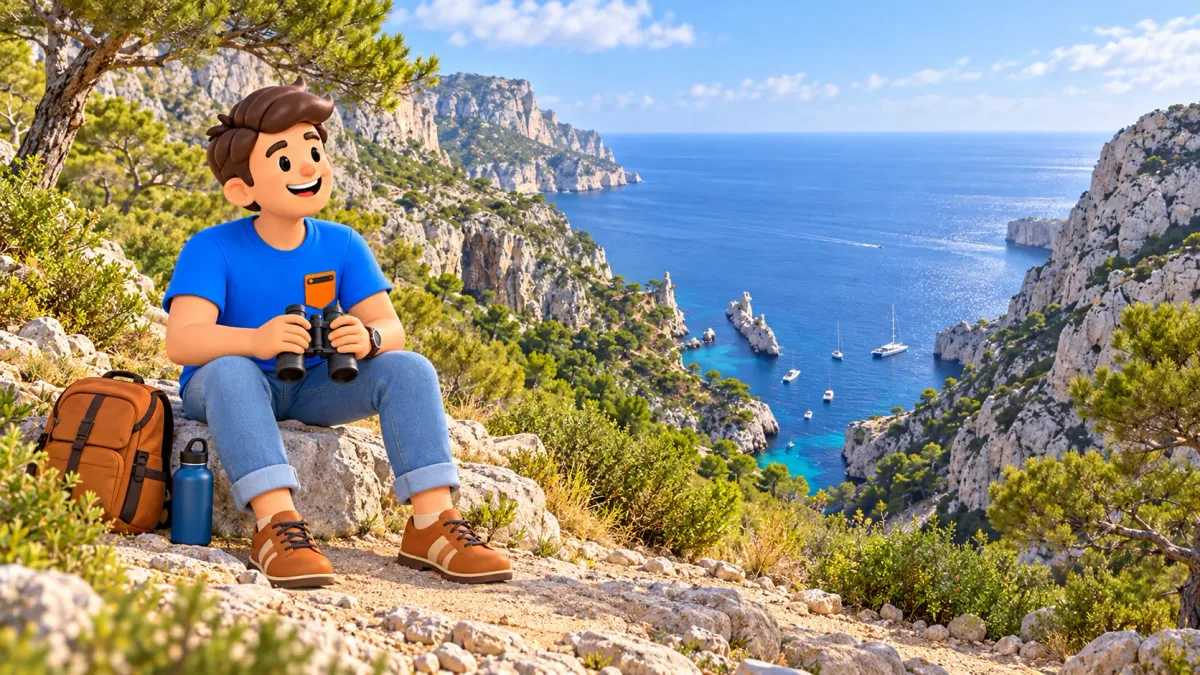
Five full days in Marseille let you combine the port city with an island trip and a Calanques outing, while keeping a margin for weather. Start with two city days, give each excursion its own day and leave the fifth movable. That last space makes the programme more comfortable and gives an outdoor priority a second chance if conditions change.
This is a framework for choosing and distributing experiences, not a turn-by-turn hiking guide. The day numbers can change. Any suggested duration is an editorial estimate; journeys, meals and waiting need their own time. Check access for your actual travel dates, and treat arrival and departure separately if they reduce the five sightseeing days.
Two city days, two excursions and one useful reserve
Keep the first city day around the northern waterfront and the second around Longchamp, with a separate visit to Notre-Dame de la Garde if it matters to you. The third and fourth slots belong to an island experience and the Calanques. They are not fixed appointments until you know the operating conditions, suitable weather and any required reservations.
The fifth day has two roles. It can receive a postponed excursion, or become a quieter personal day if everything has worked. Do not book it so tightly that it loses that usefulness. A good five-day stay has variety across the whole trip rather than a full list of attractions every morning. Your energy after a walk also belongs in the plan.
Choose your priorities before adding secondary sights. If islands are the main reason for coming, protect a suitable sailing day. If walking in the Calanques matters most, work around authorised access and your ability. Museums and neighbourhood strolls can fill the more flexible blocks. This ordering is easier to manage than five equally rigid sightseeing lists.
Let RoadMe work out a personal five-day trip around your interests, dates and pace. The app makes it much more convenient to bring city visits and separate excursions into one clear itinerary: try it with the Marseille experiences you care about most.
Day one: find your bearings around the Old Port
Begin at the eastern end of the Old Port after breakfast and follow the north quays towards the town hall. Take time to understand the basin, the exit to sea and the surrounding hills. This is the common reference point for several later journeys. A relaxed first morning helps you judge distances and how much walking feels pleasant in the weather you actually have.
Continue through Le Panier, using Place de Lenche, Place des Moulins and the Vieille Charité as a small set of anchors. At the former charitable institution, a brief look at the ensemble supplies historical context without requiring a complete museum circuit. Choose lunch in the area already reached. Crossing the city for a meal would interrupt a naturally compact first day.
Afterward, continue towards La Major and Mucem. Choose exhibitions or the permitted exterior spaces of the museum and Fort Saint-Jean. One substantial cultural visit is enough for this afternoon; about two hours is a starting estimate. Mucem and the fort normally close on Tuesdays, so adjust the day order. Our one-day Marseille route offers the more detailed central sequence if you need it.
Day two: Longchamp, one museum and an optional hill
Make a separate journey to Longchamp rather than treating it as part of the harbour walk. Start outside with the fountain, colonnades and park when open. The monument commemorates the arrival of Durance water in Marseille, a useful glimpse of the city’s practical history behind the grand architecture. Look at the whole arrangement before deciding how long to spend inside.
Choose one museum: Beaux-Arts for paintings and sculpture, or natural history in the other wing. Reserve roughly an hour to an hour and a half according to interest, then have lunch nearby. Both usually close on Mondays, with exceptions; the natural history museum currently also has a midday break. Confirm the available rooms and your date rather than assuming continuous access.
In the afternoon, stay around the neighbourhood if you want an easier day. Alternatively, arrange a separate transfer to Notre-Dame de la Garde, including the approach and climb. About an hour or an hour and a half at the sanctuary and viewpoints is a reasonable starting block. The Bonne Mère’s relationship with the city and its maritime life adds meaning to the panorama. Keep the return journey uncomplicated.

Day three: choose Frioul or Château d’If
Pick the island experience by what you want to do there. Frioul suits a day of open landscapes and walking at a chosen pace. Château d’If suits a concentrated monument visit with a strong historical and literary theme. Choosing one keeps the day legible. Visiting both is a separate decision that needs compatible sailings, sufficient time ashore and a clear understanding of the tickets.
For Frioul, begin around the harbour and Digue du Berry between Ratonneau and Pomègues. Add a walking section only after considering conditions and the return. Water, sun protection and suitable shoes matter on exposed ground. Leave time for lunch or a permitted picnic. You do not need a long circuit to appreciate how different the island horizon feels from the central quays.
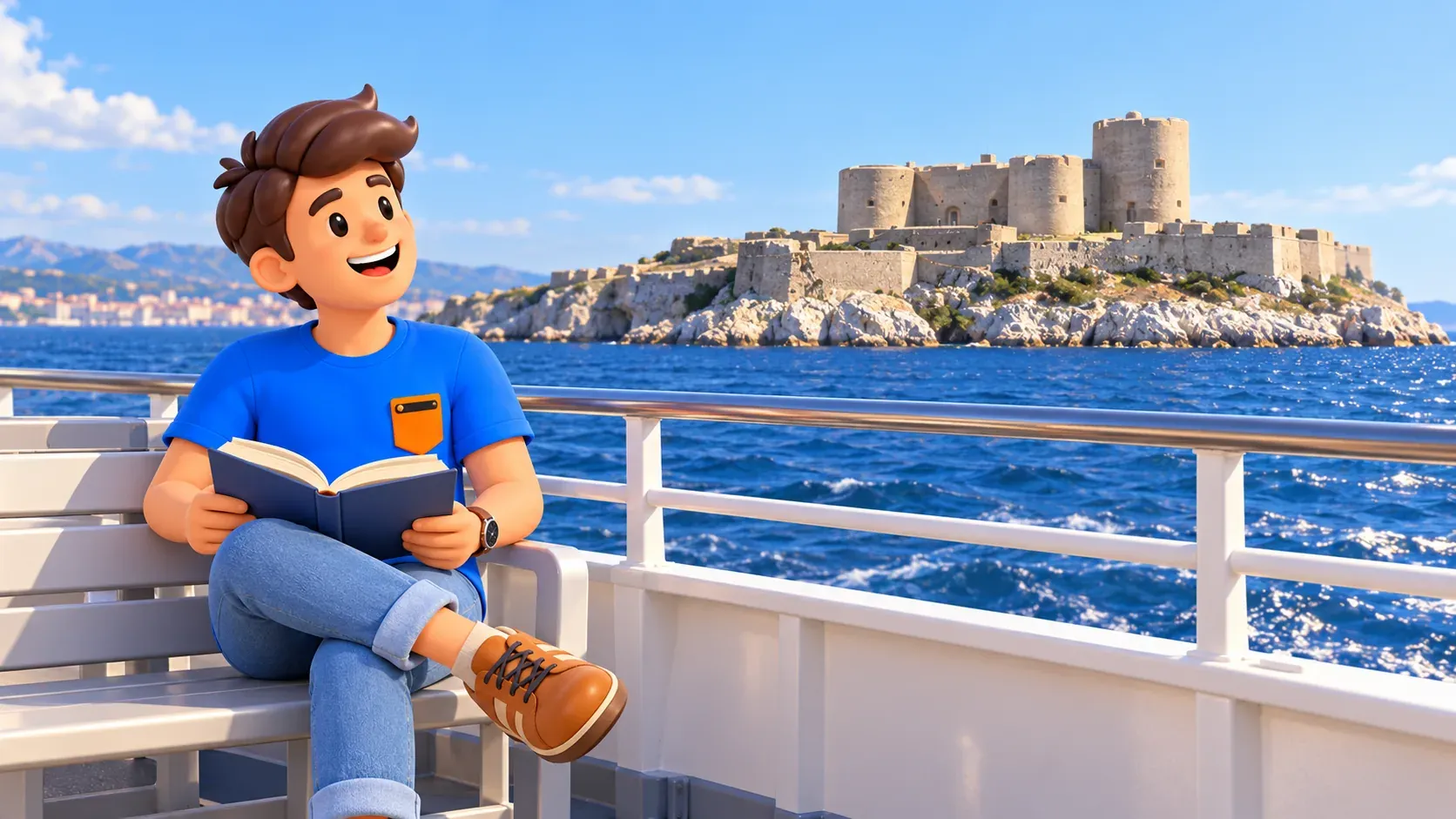
For If, distinguish the boat journey from monument admission. Check both the sailing and the castle opening: one does not guarantee the other. The former fortress became a prison, while Edmond Dantès belongs to Dumas’s fiction. That distinction makes the place more interesting, not less. Steps and uneven ground shape the visit. Allow time for the actual return boat and avoid a distant timed booking afterward.
Day four: give the Calanques a day of their own
Choose a defined outing rather than a general ambition to “see the Calanques”. From the Luminy side, the Sugiton viewpoint and the cove are different targets. Decide between a view-led walk and a longer outing towards the shore according to terrain, conditions and everyone’s ability. Do not count the descent as the whole effort: the return and the journey back into Marseille also matter.
Keep the morning for reaching the starting area and walking, with a generous allowance for pauses. Use the park’s current route information for the chosen destination and confirm the local transport connection. This broad itinerary is not a substitute for that route preparation. The landscape is not a city promenade; a short-looking distance can involve rough ground, sun exposure and substantial effort.
Carry enough water, sun protection and footwear suitable for the selected path. Plan food and bring your waste back. Stay on authorised paths and respect restoration zones. Swimming is not required for a successful day and should not be used to justify a route beyond your comfort. Keep the evening after the excursion light, with a simple meal and no ambitious additional sightseeing.

Reservations and fire closures change the nature day
At certain peak-season dates, the Sugiton and Pierres Tombées shore area requires a reservation. Check the park’s actual calendar for the year of your trip, the zone concerned and the booking procedure. Avoid reusing last year’s dates. The viewpoint and cove should not be treated as identical destinations with identical access conditions; your chosen route determines what you need to verify.
A reservation does not override a forest-access closure. During fire-risk controls, check the official daily status for the relevant area before leaving. If access is prohibited, do not go, even with a booking. The park explains that affected reservations are cancelled rather than transferred automatically. Move the outing into the reserve slot only if that later day is authorised and suitable.
If there is no appropriate nature day, keep the city alternative. A longer holiday increases flexibility but cannot guarantee every outdoor experience. Heat, wind, rain and personal fatigue can also justify a shorter outing even when access is technically permitted. Make that decision before setting off. A clear change of plan is easier than trying to rescue an unsuitable walk once committed to it.
Day five: a buffer first, a personal day second
Keep the fifth day available until the key outdoor decisions are clear. If the island trip or Calanques walk was postponed, this is the place for it, provided the conditions now work. If both have happened, use the day for a different interest. Having a reserve does not mean that one excursion automatically has to be rescheduled: sometimes a quieter city day is the better choice.
Architecture enthusiasts can plan a visit to the Cité Radieuse in the south. It remains a residential building; follow the visitor procedure and use only permitted areas. A guided apartment visit has its own booking and access. The nearby Jardin de la Magalone can be a gentle continuation if open. Keep lunch and transport within the same manageable day rather than adding an unrelated excursion.
For a slower finish, choose central art, a favourite neighbourhood or a short waterfront return. This is also useful if departure has taken part of the day away. You have already seen different sides of Marseille. The final hours can deepen one impression instead of introducing a new area that would demand another long journey and leave you watching the clock.
Put the calendar, meals and transfers into the plan
Place the actual dates beside each day. Mucem’s usual Tuesday closure differs from the usual Monday closures at Longchamp. Château d’If has a Monday closure during its cooler-season schedule and can close because of weather. Check exceptions and the operator’s current sailing information. An island journey should not be planned solely from the general opening description of the monument.
Budget time rather than trying to make every transfer disappear. The approach to a hill, the wait to board and the return from Luminy are real parts of a day. Leave a lunch break on each city day and a realistic food plan for excursions. These small decisions affect enjoyment more than adding an extra attraction between two major blocks.
Keep useful documents and directions available before leaving for an exposed outing, and check any current visitor requirements. Travellers sharing a programme may have different walking limits; choose the demanding section for the whole group rather than the most energetic person. A five-day trip offers room to split interests thoughtfully, but it still needs a clear meeting and return arrangement if people separate.
When a trip includes culture, islands and a nature day, RoadMe can develop the whole personal plan around your interests. Use the app to organise the stay more efficiently and keep your attention on the journey itself.
Adapt the five days to the trip you actually have
Five nights do not always create five complete days. With a late arrival, shorten the first city block; with an early departure, keep the fifth as a brief local morning. If only four full days remain, select one island experience and one nature outing rather than squeezing two islands into the same slot. Preserve the ordinary pauses that make the stay feel like a holiday.
For less walking, favour transport-supported city visits and omit the Calanques path if it does not suit you. For a culture-led stay, give one open museum more time and treat the outdoor programme as optional. The same overall structure can support different people because it separates destinations that need their own day from the smaller observations that fit naturally along the way.


