
Dickens, Johnson or Keats: Choose a Literary London Walk
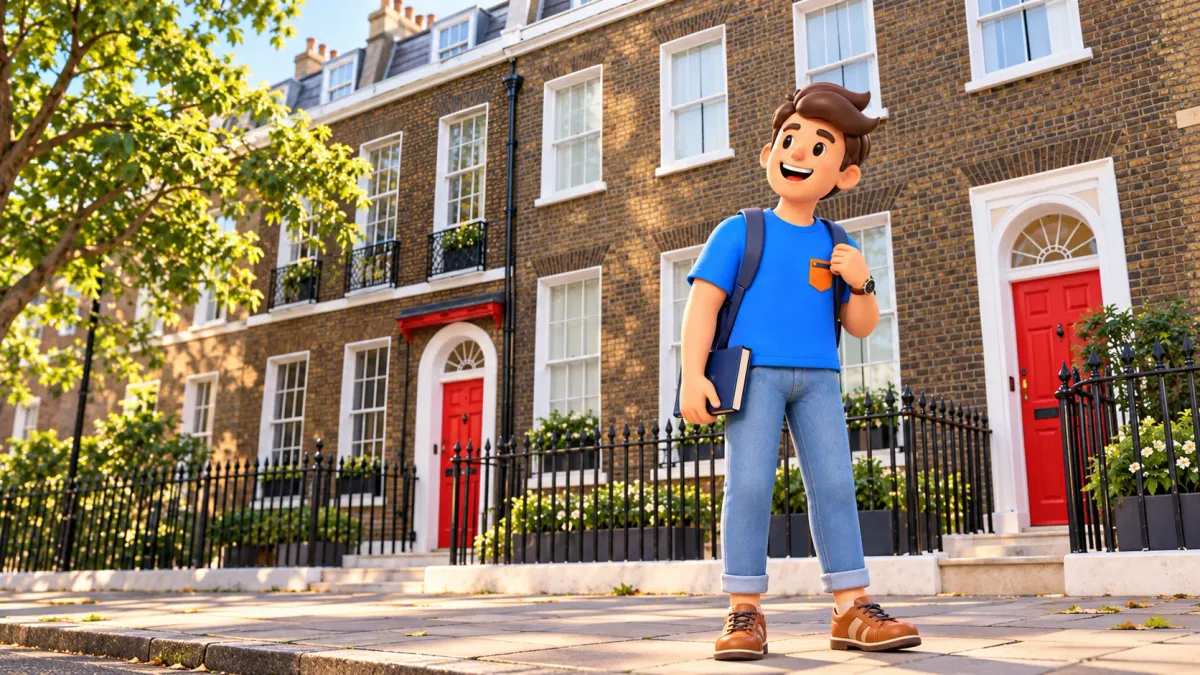
Start with Charles Dickens if you want a writer’s family home, Samuel Johnson if the work of making a dictionary interests you, or John Keats if poetry and a garden appeal. Their London houses offer three different ways into literary history. Choose one as the centre of an outing, with time to look, read a little and enjoy the surrounding streets.
The Charles Dickens Museum is on Doughty Street in Bloomsbury, Dr Johnson’s House is near Fleet Street in the City, and Keats House is in Hampstead. They are not neighbouring stops for a short walk. A three-hour visit around Dickens’s house is a manageable first option; Johnson and Keats make alternative outings for different interests and days.
Choose the question before choosing the author
A literary visit does not require you to know every novel or poem beforehand. Begin with a human question. How did writing fit into family life? What kind of work went into defining a language? How did a home, friendships and a garden relate to poetry? Each house makes one of those questions easier to explore.
Try RoadMe to develop a personal London plan around your interests, dates, budget and pace. In the app, it is more convenient to give a literary visit its place in the whole trip, alongside the neighbourhood walks, larger sights and breaks that suit you.
Choose one author today rather than judging the outing by how many houses you reach. These are domestic buildings with different calendars and access conditions. A familiar name can help you begin, but curiosity about a room, a working routine or a relationship is enough. Leave room for the visit to deepen your interest.
Dickens: a family home during an early writing career
Charles Dickens lived at 48 Doughty Street with his young family from 1837 to 1839. The present museum uses numbers 48 and 49. This period connects the house with work on books including Oliver Twist and Nicholas Nickleby, giving a first visit a clear literary focus without turning the building into a summary of his entire life.
Look at the home as a place where domestic and professional demands met. Rooms for living, receiving visitors and working help bring a writer down to human scale. The celebrated name belongs to someone who also had a household around him. That relationship is often more interesting than trying to attach a famous sentence to every chair or window.
The house is a museum presentation shaped by preservation, collections and interpretation. Do not assume that every object has remained in the same room since Dickens lived here. Read the explanations attached to particular pieces before deciding what they prove. A personal object can illuminate a life without confirming that a specific book was written at that precise spot.
A short passage from a book you already know can make the visit more personal. Oliver Twist is one possible starting point, but you do not need to finish a novel as preparation. Notice a domestic detail that interests you, then return to the writing later. The aim is a useful connection between person, place and text.

Keep biographical addresses separate from fictional settings. A house where Dickens lived is documented differently from a lane that resembles somewhere in a novel. You can enjoy the atmosphere of the surrounding streets without calling every doorway a confirmed scene from a story. That distinction allows the imagination to work without turning it into a false location claim.
Johnson: the house as a place of sustained work
Dr Johnson’s House stands at 17 Gough Square, in the courts behind Fleet Street. Samuel Johnson moved into the rented house in 1747 and left in 1759. He was a tenant, rather than the owner of a property bought with the dictionary commission. Remembering that makes the place a working address within a changing life.
His Dictionary of the English Language appeared in 1755. Its importance does not require calling it the first English dictionary or imagining that Johnson completed every task alone. The museum’s account includes the role of assistants. Think about the practical demands of collecting examples, making distinctions and turning many separate decisions into a substantial reference work.
The house provides a domestic setting for that labour. A dictionary can seem like an anonymous finished object when you consult it, yet its making involved people, space and repeated work. Choose this visit if you enjoy language or the process behind a book. You do not have to understand every historical definition to appreciate the undertaking.
The building also has a history after Johnson. It served other purposes and underwent restoration; wartime damage required later work to the roof. Historic features and later care coexist. That makes the house more complex than an untouched container for one famous resident, while still preserving a strong connection with the work carried out here.
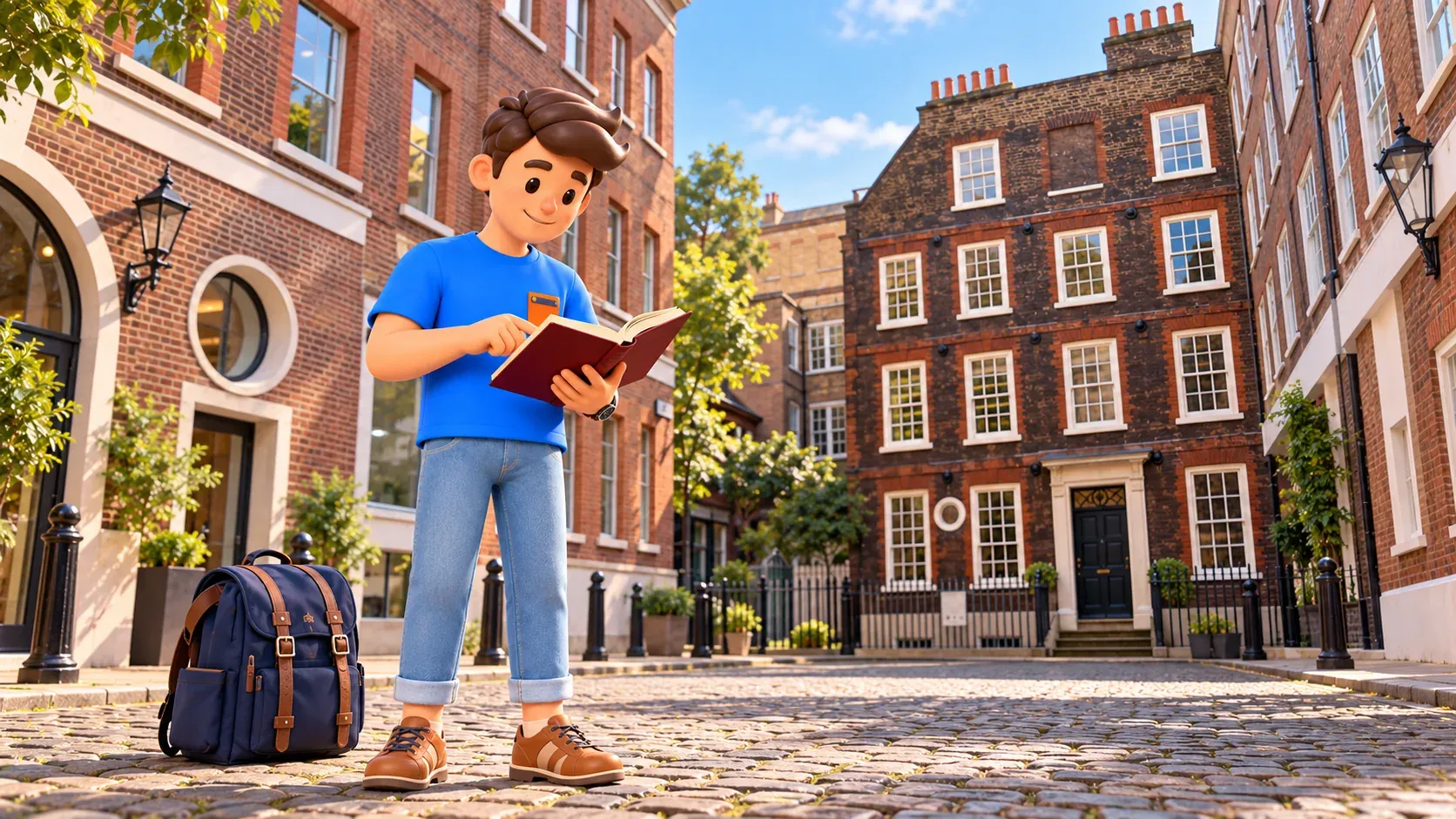
Give the house a selected visit and allow a separate pause nearby. It has no refreshments for sale. The small courts make an interesting setting, but they are still part of a working city. Use public access and leave doorways clear. A visit focused on language can be rewarding without becoming a long tour of every literary association around Fleet Street.
Keats: poetry at the scale of a house and garden
Keats House in Hampstead was originally part of Wentworth Place, two adjoining homes designed to appear as one, with a shared garden. John Keats moved into his friend Charles Brown’s half in December 1818 and left for Italy in September 1820. The short period gives the house significance through writing, friendship and his relationship with Fanny Brawne.
The association with Ode to a Nightingale, written in 1819, offers a useful starting interest. You can look at the relationship between rooms and garden without expecting to hear a nightingale during your own visit. An ordinary quiet moment with a poem is enough. Literary history does not depend on recreating the weather, sounds or mood of one celebrated day.
The building changed after Keats left. The two houses were joined in 1838, and later residents and preservation work shaped what became the museum. It was not the poet’s birthplace or a private villa kept entirely unchanged. Understanding the layers helps you enjoy the setting while letting the interpretation explain which parts relate to his time here.

Choose Keats if the combination of poetry and an outdoor pause appeals more than another dense central-city outing. The garden is free during its access periods, while entering the house is a paid visit. A garden-only pause can be a deliberate choice, but it does not include the same experience as the museum or guarantee that the gates are open at every hour.
A little reading can change the walk
Bring a short selection in your own book or on your own device. Read in an appropriate place without obstructing other visitors. You might choose a few pages of a novel for Dickens, a definition to think about for Johnson, or a poem for Keats. Treat it as a personal focus rather than a test of literary knowledge.
Notice what changed after seeing the house. Did a room make the work feel more domestic? Did the scale of the building alter your idea of a famous writer’s life? Did you become curious about someone else in the household? Those questions leave you with something to discuss beyond the fact that you visited an address.
Use only the handling and seating arrangements the museum offers. Your own notebook is different from a historic desk, chair or book on display. Ask staff if you need a place to sit. A reading pause is easy to enjoy when it fits the space, and it does not require an invented writing workshop or access to objects not offered to visitors.
A three-hour first outing around Dickens’s house
For a first literary visit, make the Charles Dickens Museum your main destination. Allow fifteen minutes for entry arrangements, ninety for a selected house visit, thirty for tea, fifteen for reading your own chosen passage and thirty for looking along a small section of Doughty Street and the nearby public streets. Together, that makes three hours.
This is an editorial planning allowance, not a measured walking track or a promise to see every display. Travel to the museum and onward afterwards, a full meal, a special event and visits to the other authors’ houses are additional. A daytime start around eleven can leave a comfortable margin within the ordinary opening period, subject to the actual ticket and date.
The Artful Tea Room is for museum visitors only and has its own hours, normally closing at 4:30pm before the house closes. Take the tea and reading pause before leaving for the street portion, rather than relying on unconfirmed re-entry. Food and drink are separate purchases. If seating is busy, choose a shorter pause or an appropriate nearby alternative.
Outside, look at the rhythm of windows, the narrow frontages and the relationship between houses and pavement. Keep the street section modest. You are extending the sense of a domestic address, not following a fully reconstructed journey made by Dickens. For a different day, our Bloomsbury two-hour walk gives squares and cultural façades their own outdoor outing.
Check the calendar and the house’s practical limits
Standard adult entry to all three houses is paid; check the particular concessions and free categories.
The Dickens museum normally opens Wednesday to Sunday, 10am to 5pm, with last entry at 4pm. Holiday exceptions and occasional room closures need a date-specific check. Entry uses timed intervals, and buying on arrival can mean waiting at capacity. Large bags and suitcases are not allowed; small backpacks must be carried by hand or worn on the front inside.
At Johnson’s house, ordinary hours are Tuesday to Saturday, 10am to 5pm, last entry at 4:30pm, and Sunday noon to 4pm, last entry at 3:30pm. Book online or visit on the day, while checking special closures. Keats House normally opens Wednesday, Thursday, Friday and Sunday, 11am to 1pm and 2pm to 5pm. The midday break matters; it is not one continuous session.
Ordinary Keats house tickets can be purchased on arrival without advance booking, with card-only payment. Special programmes have their own arrangements. Across all three places, distinguish a general house visit from a tour or event. A published volunteer-tour pattern is not a promise that a tour will happen for your group on the day.
Access differs too. Dickens has a staff-operated lift connecting four levels, with the attic excluded. Johnson’s house has entrance steps and stairs between floors, without step-free access. At Keats, most ground-floor rooms have wheelchair access, while stairs restrict the upper floor and basement. Discuss particular needs with the house, and plan the journey there separately.
With RoadMe, it is easier to turn your interest in writers, neighbourhoods and quiet cultural visits into a personal programme for the whole journey. Try the app to plan London at your preferred pace, giving reading, walking and rest a considered place.
Finish with one connection you want to keep exploring. A family home, a dictionary workplace or a poet’s garden can each open a different London. One well-chosen literary outing gives the books a setting and the city a human voice, without requiring you to reach every celebrated address.


