
Kensington Gardens: a Walk from the Italian Gardens to Peter Pan
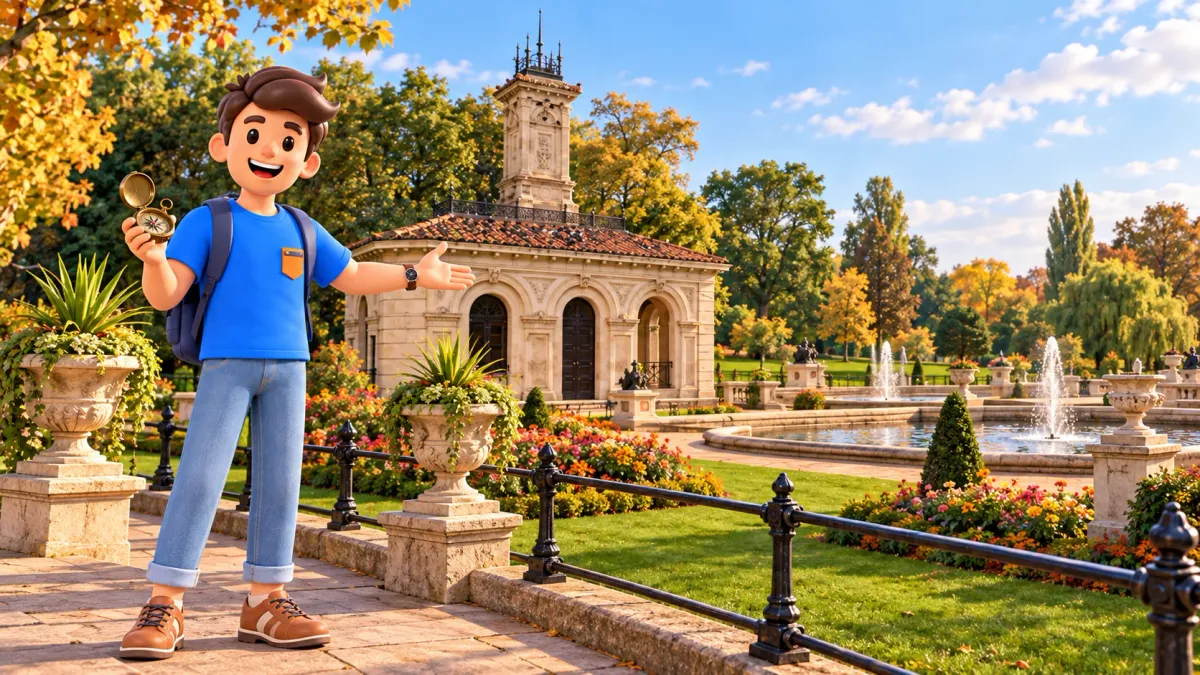
For a short Kensington Gardens walk, begin at the Italian Gardens near Lancaster Gate and follow the west side of the Long Water south to the Peter Pan statue. Set aside sixty to ninety minutes for looking, photographs and a proper pause. The actual connection is short: the pleasure comes from moving between formal water gardens, a softer lakeside landscape and a small world of bronze figures.
This is a gentle section of the park, not a circuit of every royal landmark. Kensington Palace, the Albert Memorial and a full Hyde Park walk belong to longer plans. You can enjoy the route without entering a paid attraction or fitting a museum around it. Choose daylight and check the park’s gate times for your date before deciding when to start.
A small route that fits into a London day
Lancaster Gate on the Central line is a useful starting station for this part of Kensington Gardens. Cross the surrounding roads at the designated crossings and enter towards the Italian Gardens. First explore the ornamental basins. Then take the public paths on their western side, continuing south beside the Long Water, with the lake to your left. Look for the Peter Pan statue set back on the right, among the trees.
Try RoadMe to turn the things you enjoy into a personal plan for your whole London day or trip. The app makes it more convenient to balance gardens, art, longer visits and rest around your interests, dates, pace and budget.
Allow roughly half to eight-tenths of a kilometre for the garden paths and the connection to the statue, depending on how much you wander. This is a planning estimate, not a measured track. The two sights are close together; they do not require ninety minutes of continuous walking. You are choosing time to look rather than adding distance simply to fill an itinerary.
A relaxed outline is twenty to thirty minutes around the Italian Gardens, fifteen to twenty beside the lake and fifteen to twenty at the statue. Add a brief seated pause if a suitable place is available. Finish at Peter Pan. Returning towards Lancaster Gate is extra: initially allow around fifteen to twenty minutes, adjusting for your pace, the exit you use and current conditions.
The Italian Gardens: begin with the water
The Italian Gardens were created in the 1860s, with a design by James Pennethorne. Their four principal basins establish a clear pattern before you start noticing individual ornaments. Take an overall view first. The repeated shapes, low stone edges and planting make water part of an arranged architectural scene, quite different from the less formal shore you will follow afterwards.
You do not need to identify every carved figure to appreciate the setting. Choose one urn, one reflection and one view across a basin. Notice how stone, water and vegetation divide the picture into different surfaces. Moving a short distance can change their relationship more than adding another stop elsewhere in the park. It is a useful place to practise looking before photographing.
Do not make working fountains a condition of a successful visit. Maintenance and operating conditions can affect water features, and an illustration of running jets does not confirm what will happen on your date. The layout remains readable when the water is still. A calm surface can reveal the shape of a basin or the reflection of an urn especially clearly.
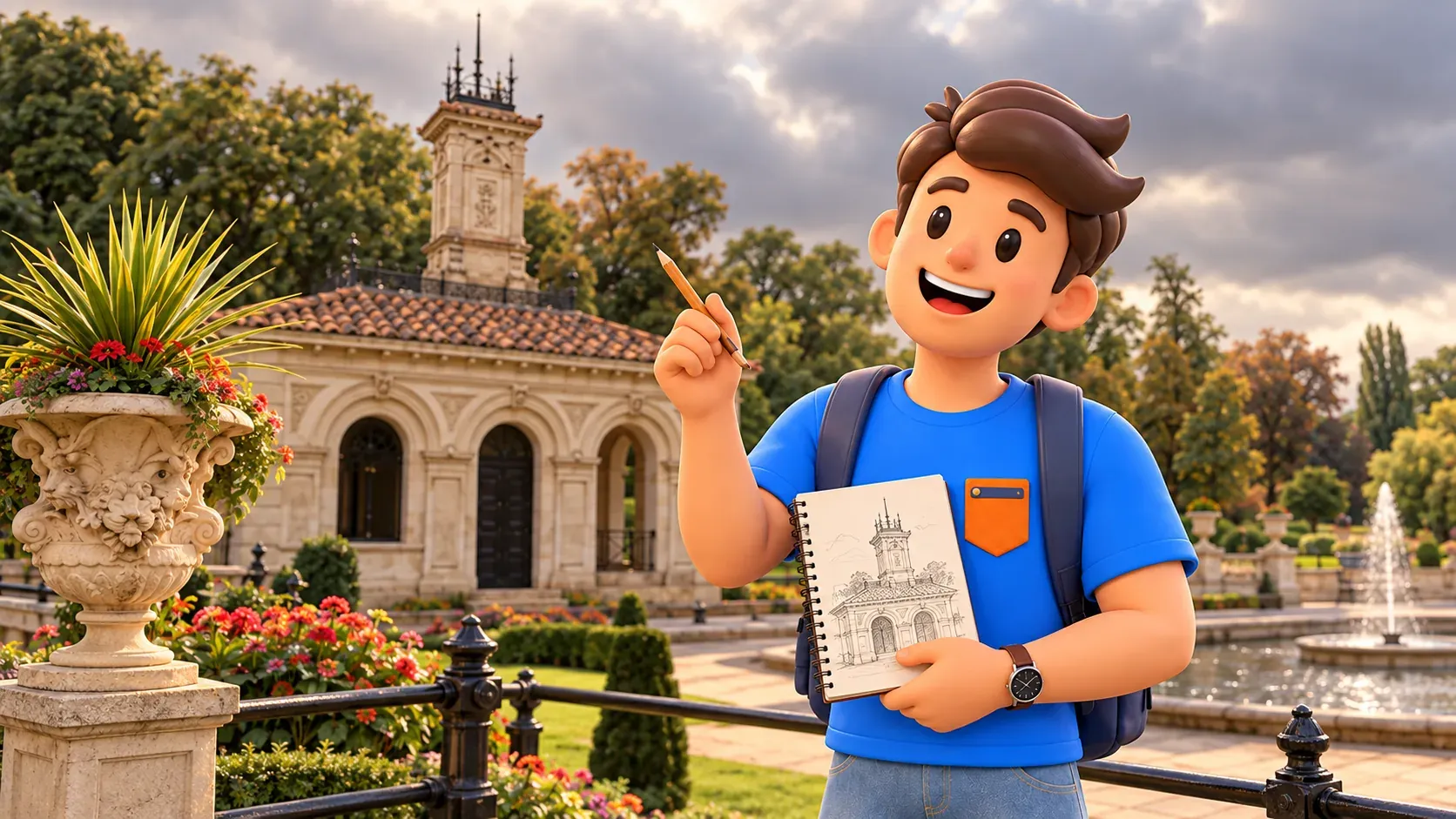
Stay on the visitor paths and keep stone edges clear for other people. A fountain basin is not a paddling pool, and a better photograph does not require standing on its rim. If several visitors gather at the same angle, move to another public viewpoint. The garden is a place to share, and small changes of position usually give you another interesting composition.
A decorative building with a practical past
The Pump House at the northern side of the Italian Gardens deserves a second look. Its arches and roof make it seem like another piece of garden decoration, but it once housed a steam engine serving the fountains. The tall pillar above the roof disguised a chimney. That practical detail changes how you read an otherwise ornamental-looking building.
Look from outside at the relationship between the low roof and the vertical pillar. Imagine the need to give useful machinery an appearance suited to a formal royal garden. You are not visiting an engine display, and this route does not promise access inside. The interest lies in recognising that a carefully designed landscape depends on work and systems as well as attractive surfaces.
This is also a good moment to compare the garden with the station district in our Paddington walk. There, bridges make engineering visible beside a canal; here, an architectural detail conceals part of a water system. Treat the two as separate outings unless you have allowed time for the connection and a longer day outdoors.
Follow the west bank of the Long Water
Leave the formal basins by the public paths on the western side and continue south, keeping the Long Water to your left. The change of scene is the point of this short walk. A geometric garden gives way to longer views of water, trees and their reflections. Follow the actual signs and open paths rather than trying to stay at the closest possible point to the shore.
The Long Water is not the Round Pond near Kensington Palace. That distinction matters when choosing your direction: a photograph of a broad formal pond can suggest the wrong destination. This route stays with the lake leading south from the Italian Gardens. You do not need to circle another stretch of water or reach the palace to find the statue.
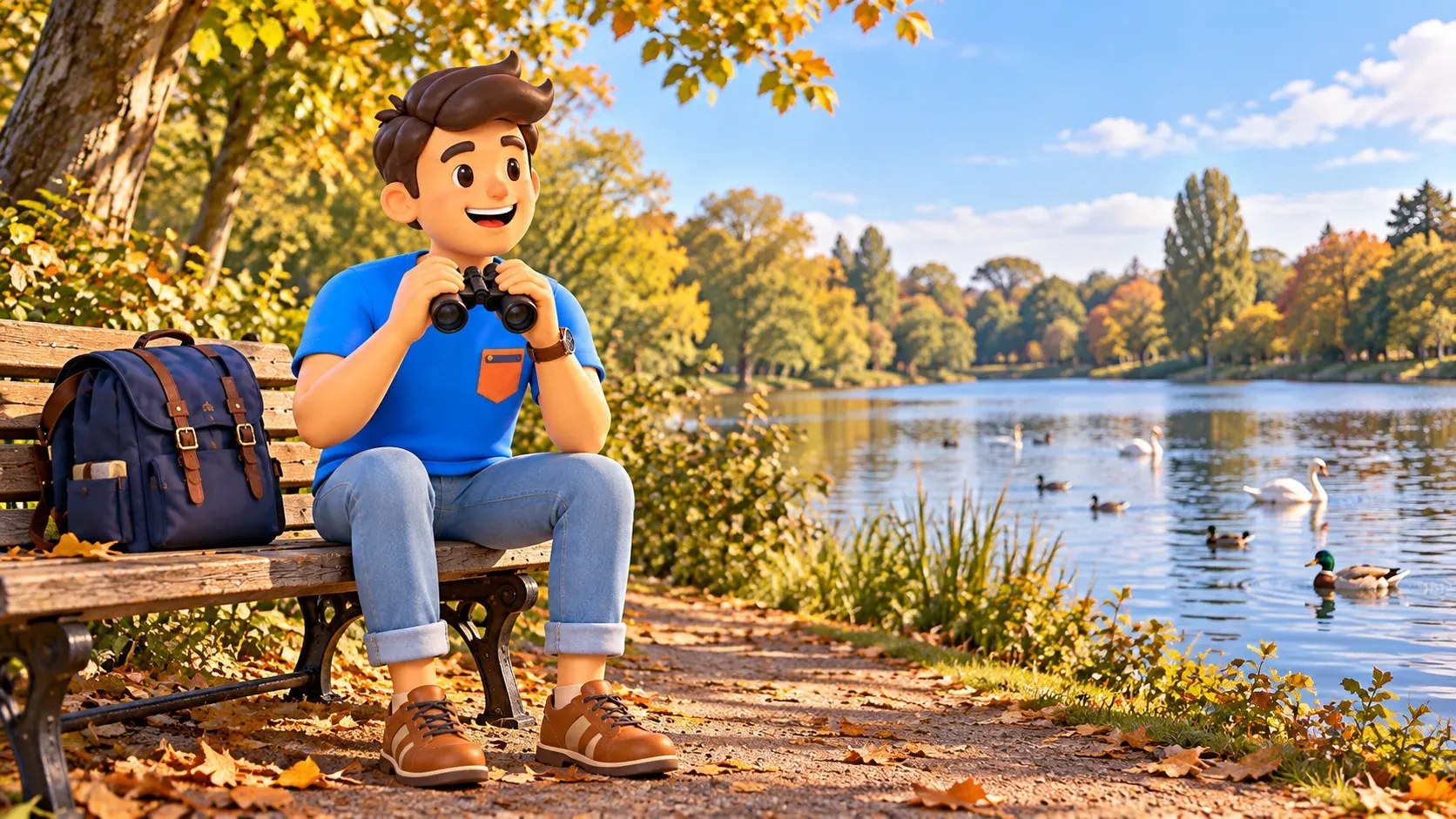
For a quiet pause, choose a place where you can stop without blocking the path. Watch the water from a distance and let any birds approach or move away on their own terms. The Royal Parks asks visitors not to feed wildlife. Binoculars are useful if you have them, but simply looking is enough; there is no need to attract an animal for a closer photograph.
With children, make the lakeside section a small observation game. Find a reflection that changes, a tree with a distinctive shape and a bird moving differently from the others. Let each person choose one detail to describe. It gives the walk a purpose without turning it into a test or requiring knowledge of species, and it works even when a particular animal fails to appear.
Peter Pan: look below the famous figure
The Peter Pan statue dates from 1912 and is the work of Sir George Frampton, commissioned by J. M. Barrie. The bronze figure connects a real London park with a character born from literary imagination. You do not need a detailed account of the books to enjoy that meeting: the setting gives the sculpture a quieter character than a monument standing in a busy square.
Begin with the whole shape, then look lower down. Fairies, birds and animals surround the central figure, creating details at different heights. Rather than taking only a portrait of Peter, look for the way a smaller figure fits into the rugged, tree-like form. The monument rewards a second view because its interest is spread across the group, not concentrated solely at the top.

A child can choose a favourite small figure while an adult notices the contrast between smooth bodies and rougher bronze surfaces. Keep the task light: nobody needs to find every creature or agree about the most interesting part. Observe from the ground, without climbing or using the sculpture as a seat. Being invited into a story is different from being invited onto a historic object.
Leave room for others to look, especially when several families arrive together. Take your photograph from an available public position and step aside before discussing it. If the space is busy, spend a little longer with the surrounding landscape and return to the details when there is room. A quiet experience depends partly on timing, and cannot be guaranteed by calling the statue a hidden place.
Choose daylight, weather and a comfortable finish
Entry to the public park is free. A café stop, transport and any later paid attraction are separate choices. The Royal Parks lists Kensington Gardens as opening at six in the morning and closing at dusk, with seasonal gate times. Check the current date’s closing time rather than assuming a summer evening schedule also applies in autumn or winter. Allow enough time to leave comfortably.
The entire route is outdoors. In rain, shorten the pauses if needed and pay attention to wet paving and fallen leaves. A café may provide a welcome break when open, but buying a drink and finding a seat take time. This walk is not a continuous covered alternative, and proximity to an Underground station does not by itself establish a fully step-free journey.
If anyone uses a wheelchair or pushchair, check the practical approach and current path conditions for your group before setting off. Use open public paths, respect any maintenance barriers and turn back if the suitable connection is unavailable. A shorter look at the Italian Gardens is still a worthwhile stop. You do not have to reach the statue to justify coming into the park.
With RoadMe, it is easier to build a complete personal trip around your preferred mix of outdoor walks, culture and unhurried breaks. Let the app shape your days around your interests, pace and budget, so this small park visit has a comfortable place in the wider journey.
At Peter Pan, decide whether to return towards Lancaster Gate or deliberately extend the outing using the park’s signs and map. Add travel time before a fixed booking elsewhere. The short route is complete on its own: formal water, a lakeside pause and a sculpture that becomes more interesting as you notice its smaller inhabitants. Leaving room in the day is part of its appeal.


