Cheung Chau, Peng Chau, Lamma or Yim Tin Tsai: which island should you choose?

An island outing changes the feel of Hong Kong. Dense urban streets give way to piers, low buildings, fishing heritage and a different rhythm between experiences. Yet the islands do not offer the same day out in four interchangeable versions. One invites a varied village walk, another a gentler few hours, another time beside a fishing bay, and another a closer look at salt making and community history.
If you have one available day, choose by atmosphere, walking effort and the practical arrangements for getting there. This guide compares Cheung Chau, Peng Chau, Lamma and Yim Tin Tsai as four separate options, rather than an island-hopping challenge. Detailed walks already have their own articles. Here, the aim is to help you decide which kind of island day belongs in your particular trip.
Ask three questions before choosing
First, identify the memory you want to bring home: lively village streets, a quiet short walk, a fishing bay or the story of a small community. Next, assess your energy honestly. Wanting to see the sea does not automatically mean wanting to walk across an entire hilly island. Finally, consider how freely you can choose the date. For some destinations, current visiting arrangements matter more than attractive photographs.
RoadMe makes it easier to build a personal trip plan around your interests, fitting an island day into your wider route at a comfortable pace with room for rest.
Consider Cheung Chau for village streets, a temple and varied impressions within one outing. Peng Chau offers a shorter walking base, maritime history and creative reuse of an old factory. Lamma combines fishing heritage with a choice between a compact Sok Kwu Wan visit and a longer walk. Yim Tin Tsai suits travellers drawn to a coherent community story who can adapt to organised visiting arrangements.
Avoid awarding one island the title of quietest or least touristy. The atmosphere changes with weekends, holidays, arrival time and your chosen walk. Select a format you understand rather than expecting an inhabited place to become an empty stage. Residents, other visitors and ordinary daily activities are part of what makes an island interesting, even when they do not resemble a carefully framed travel photograph.
Cheung Chau: for a varied village outing
Cheung Chau is a strong candidate for a first island day when you want streets, a maritime setting and a recognisable cultural anchor. You can create a meaningful visit without making every distant point compulsory. Begin with one part of the village, allow time to look around and then decide whether to continue towards another viewpoint or shore. Variety does not require covering the entire island.
Pak Tai Temple helps reveal the maritime community behind the leisurely walking scene. Founded in 1783, it connects the island with religious traditions of people whose lives depended on the sea. For a short visit, that context is enough to change how you look. This is a place with local meaning, rather than a decorative pavilion created solely for visitor photographs.
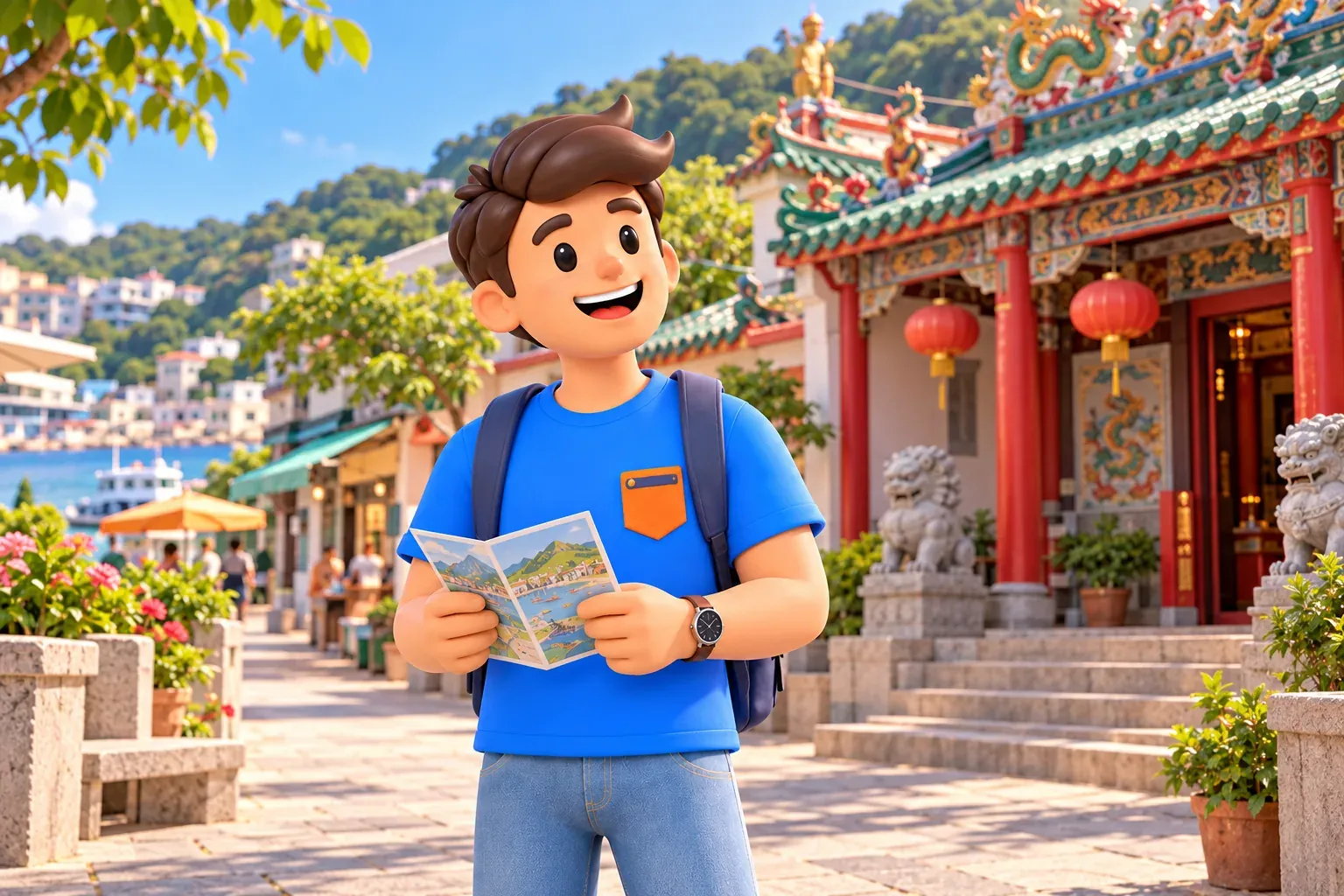
Cheung Chau’s traditions and festival events are widely known, but they do not happen every day. Do not build an ordinary outing around an expected festival unless you have deliberately chosen its date. The temple, streets and waterfront provide a more reliable basis. A special event is a different kind of visit, with its own crowd levels and demands on your time.
Choose this option when your companions enjoy changing scenes and are not expecting uninterrupted solitude. With limited stamina, do not automatically add a distant cave, climb or long coastal circuit. A village walk and an extensive island exploration are separate decisions. Our detailed day outline, Cheung Chau, helps turn the general choice into a workable sequence once you have settled on this island.
Peng Chau: for a shorter walking base
Peng Chau appeals through a few unhurried hours among small streets and traces of local history, rather than the length of an attraction list. Choose two meaningful anchors and keep the spaces between them flexible. There is no need to prove that a small island must fill every hour from early morning until late evening. A modest programme can be a positive choice in a busy city trip.
Tin Hau Temple, founded in 1792, recalls the maritime community and the importance of the sea goddess in local life. It provides context for walking beside the water: religious practice connects with everyday hopes and occupations rather than existing apart from them. Respect for a functioning temple matters more than trying to obtain the most dramatic possible photograph inside.
The former Fook Yuen Leather Factory introduces another side of the island: its industrial past and later creative reinterpretation. Island history is not limited to boats and temples. A reused production space can prompt questions about materials, labour and what happens to buildings after their original purpose ends. Current interior access and particular installations still need separate confirmation.

Do not make entry to the factory courtyard the sole condition of a successful visit. Public streets, the temple and the waterfront remain worthwhile if it is unavailable. A half-day island walk also does not necessarily mean half a day from your hotel door and back. Travel, waiting and a meal add time. The focused walk in Peng Chau provides a useful starting structure.
Lamma: for a fishing bay and a chosen walking effort
Before choosing Lamma, clarify the outing you imagine. A compact visit to Sok Kwu Wan and a walk between villages across the island’s hills are not the same day. Attractive trail photographs should not quietly turn a gentle bay visit into a compulsory hike for everyone. Decide on the walking element deliberately, with the least energetic member of your group in mind.
In Sok Kwu Wan, Tin Hau Temple connects the shore with maritime belief and community memory. The building experienced a fire in 2004 and restoration afterwards. That small historical detail is sufficient to encourage a more attentive visit. You do not need to turn the stop into a complete survey of religious objects or treat it only as scenery before lunch.
Lamma Fisherfolk’s Village introduces fishing culture on a floating site in the bay. The important practical distinction is that this is not an ordinary museum room beside the street. Access, a local transfer, activities and charges depend on the selected visit. A ferry ticket from the city should not automatically be assumed to include this site or every experience offered there.
Lamma suits travellers who want to spend time beside a fishing bay and choose their own depth of exploration. Add a longer walk separately, considering terrain, weather and the return sailing. A quieter outing can legitimately leave from the same village where you arrived. Lamma develops the Sok Kwu Wan and fishing-heritage approach without making a full island crossing compulsory.
Yim Tin Tsai: for understanding a community story
Yim Tin Tsai near Sai Kung is especially rewarding when you want to connect different layers of a small community. Salt pans, Hakka heritage and a Catholic chapel form a coherent story. Think of the visit as encountering a restored cultural landscape rather than searching for the greatest possible number of attractions within a small area. Its interest lies in relationships between places and activities.
The salt pans explain a traditional livelihood and the roles of water, sunlight and work in village life. Their conservation project received a UNESCO heritage conservation award in 2015. That does not mean the island is inscribed on the World Heritage List. The value here includes everyday work that may look less spectacular than a large urban monument but reveals how people sustained their community.
St Joseph’s Chapel, consecrated in 1890, adds the story of the Catholic Hakka community. Its restoration also received a heritage conservation award. The connection matters more than collecting prestigious labels: religion, production and village space help explain one another. Interior access and visiting sessions remain separate practical matters, so a general interest in the island is only the first stage of planning.
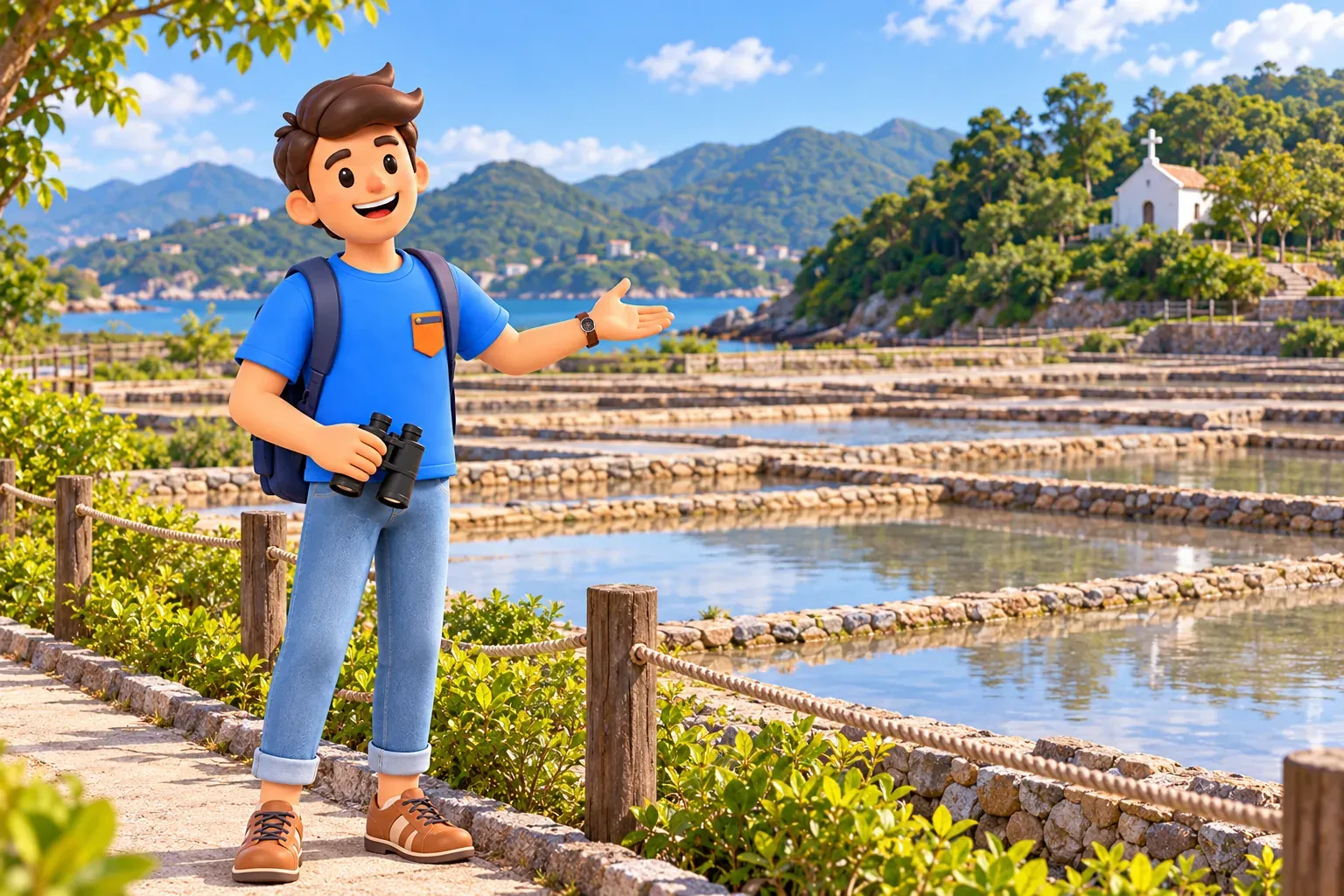
The key constraint is the visit arrangement. The operator lists regular visits on Saturdays, Sundays and public holidays, with group reservations accepted from Tuesday to Friday. Do not transfer the opening days of individual facilities into an assumption of ordinary daily weekday boat access. Salt-pan sessions and indoor midday breaks also matter. Yim Tin Tsai explains this destination in more detail after you have chosen it.
Match the walking to the rest of your trip
Compare your selected walk rather than the size of the island. A short village outing and a climb towards a distant point can differ sharply in effort on the same island. With children, or after several busy city days, keep one part optional. Being able to end comfortably often contributes more to the experience than adding one further attractive stop.
RoadMe helps shape a personal itinerary for the whole journey around your interests and preferred pace. Balancing island time, city walks and rest in the app is more convenient than assembling separate lists of places yourself.
For Cheung Chau, Peng Chau and different Lamma villages, check the actual ferry destination rather than just the island’s name. Your arrival point shapes the day. Yim Tin Tsai also involves reaching Sai Kung overland and following the local operator’s current arrangements. In every case, choose a return sailing beforehand and preserve time to reach the pier and board.
Your budget includes more than the crossing. Food, certain spaces and additional activities may cost extra; a free public walk does not make the complete outing free. Equally, a paid programme is not necessary for every island. Decide which experience matters first, then choose extras consciously. Check weather and operating notices, and keep water, exposed walking sections and the journey home in mind.
If you remain undecided, use the simplest match: Cheung Chau for variety, Peng Chau for a shorter gentle base, Lamma for a fishing bay, Yim Tin Tsai for community history and salt making. One island is enough for a first outing. It can become a distinct chapter of your trip rather than another race between piers.