
Griffith Park with Kids: Choose a Half-Day Plan
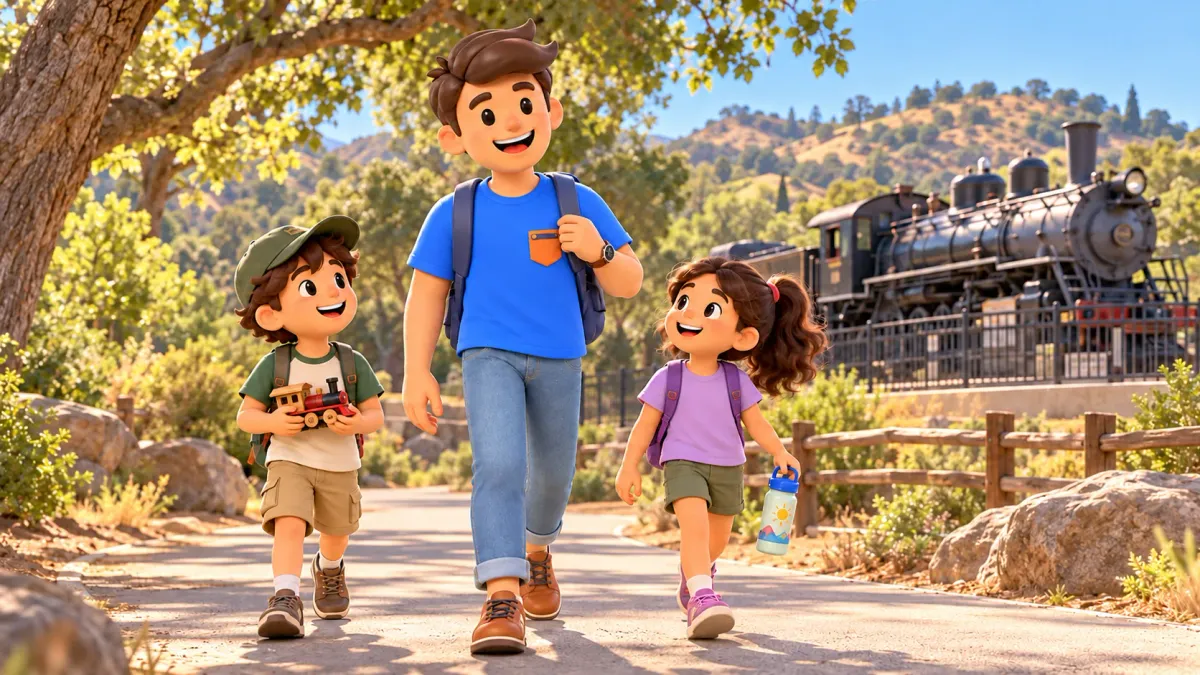
For a half-day in Griffith Park with kids, choose one main interest: trains, animals, museum stories or time outdoors. One substantial visit, a food break and a relaxed finish can make a satisfying outing. Trying to connect Travel Town, the Autry, the present-day zoo and the old zoo site usually adds more packing and transfers than a family expects.
This guide offers three programmes for roughly four hours, plus a shorter outdoor option at the Old Zoo. They are alternatives, rather than stops on a compulsory checklist. Count the time from arriving at your first attraction to finishing the outing. Travel from your accommodation and the journey back belong outside that window.
Choose the experience before choosing the stops
Travel Town is a natural anchor for a child who wants to examine every locomotive. The Autry Museum of the American West suits families interested in objects, pictures and the stories they suggest. If animals are the main attraction, give the Los Angeles Zoo the half-day. A child's particular enthusiasm matters more than an age-based recommendation meant to suit everyone.
To turn those interests into a convenient day, try RoadMe: the app develops a personal route or trip plan around your interests, dates, pace and budget. Give the family outing one clear priority so the resulting programme reflects the way you want to travel.
Make one simple choice together before leaving. Asking whether children want to see everything rarely helps: most attractions look appealing in a photograph. Offer two recognisable experiences, such as big trains with outdoor time or a museum followed by a relaxed break. The decision then concerns the kind of day they will have, rather than the number of names they collect.
Consider the adults' experience as well. Driving, finding the entrance, handling bags and getting everyone ready take energy. A second attraction can require more work than its position on a map suggests. One well-chosen visit leaves room for conversation, water and an unexpectedly absorbing detail, which may become the thing everyone remembers.
One park does not mean one short walk
Griffith Park covers a large area, with hills, roads and separate visitor sites. Travel Town occupies a different part of the park from the Old Zoo. The Autry and the current zoo have their own approaches and entrances too. Sharing the park's name does not establish a convenient walking connection between all of them.
Treat each site as a separate outing when planning with children. If you choose two, decide how you will move between them. Do not automatically add a cross-park walk to a museum visit or assume that the route suits a stroller. This guide does not present the listed places as a single compact walking circuit.
For a taxi journey, save the exact destination and work out where you can be collected afterwards. With a car, allow time for permitted parking and getting everyone ready to leave it. When using public transport, examine the final approach separately: arriving at a stop near Griffith Park is different from arriving at your chosen entrance.
Option one: Travel Town and an unhurried break
Choose Travel Town if your family would enjoy being outside and looking closely at real railway equipment. The size of the locomotives is part of the experience. Children do not need an explanation of steam engineering before they begin: wheels, couplings, windows and the differences between vehicles provide plenty to notice.
A workable outline starts around opening time at 10am, allows an hour and a half for the displays and then about forty minutes for food and rest. The remaining time does not need another compulsory attraction. If everyone still wants more and transport has been arranged, add a short Old Zoo outing, with a generous allowance for transferring and getting organised.
Travel Town's published hours are 10am–5pm, with Mondays temporarily closed. Admission is free. The miniature railway is operated separately: free access to the larger exhibits does not include a train ride or guarantee that the smaller train will be running. Check its arrangements before leaving if riding is the central promise of the day.
Travel Town dates from 1952. That small piece of history makes the locomotives more than oversized toys: they preserve a transport story. In a city so often associated with cars, looking at railway equipment introduces another scale and another way of imagining journeys. A brief historical connection is enough; the outing need not become a technical lecture.
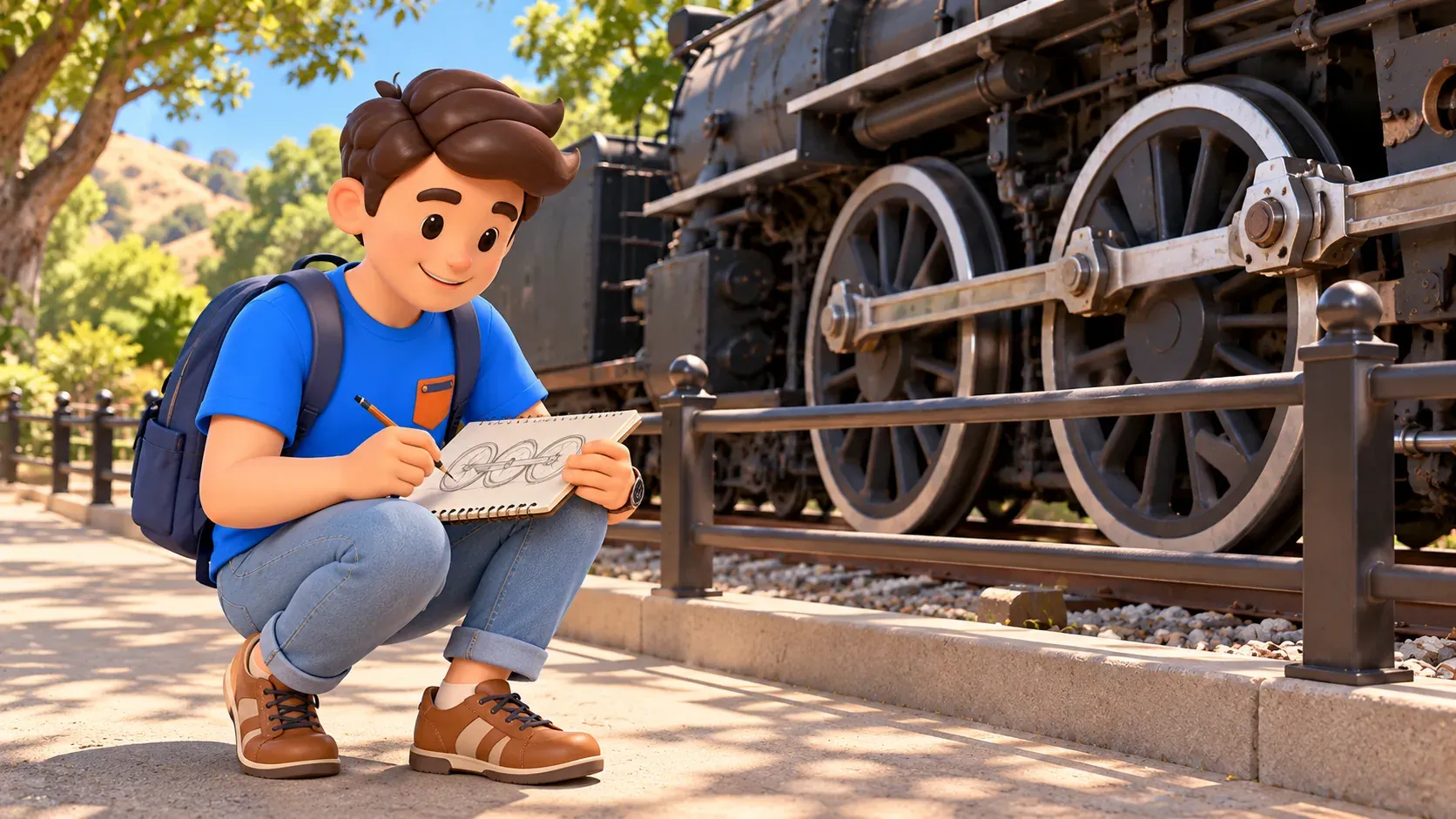
Try finding three differences between two visible vehicles. Compare wheel sizes, window arrangements or the shape of the front. Watch from permitted areas and follow signs about access to individual exhibits. Railway tracks and museum equipment remain part of a managed collection, even when the setting feels informal and many visitors are families.
Option two: the Autry, through objects and questions
The Autry Museum of the American West offers a more focused museum programme. Start with a few objects, images or themes that interest your family. There is no need to cover every gallery. One question can organise a first visit: how did people live, how has the West been represented, or how can an everyday object carry a story?
Allow approximately two hours, with permission to finish earlier. Follow the museum with a proper break and some time outside in a suitable open area. Do not add the zoo simply because it is nearby. Two substantial visits call for different kinds of attention and can easily extend beyond the half-day you meant to spend.
The Autry's regular hours are Tuesday–Friday, 10am–4pm, and Saturday–Sunday, 10am–5pm. Check Monday and holiday arrangements against its calendar. Admission is paid. The café is temporarily closed, so make an independent food plan. Family activities depend on the actual programme rather than being a guaranteed part of every visit.
For a child who does not enjoy reading long labels, ask them to choose one object and explain the choice. Was it the colour, material, size or an unfamiliar shape? Then use the label to answer a single question that follows. This gives children a meaningful role without turning a museum outing into a test.
Different ages need different levels of attention. An older child may read more while a younger sibling studies one detail and then takes a break. Adults can agree how to divide briefly and where to meet, following the museum's rules. A shared outing does not require every family member to spend the same amount of time on every display.

Option three: let the zoo fill the half-day
The Los Angeles Zoo works best here as the main programme. It is the operating zoo, distinct from the former enclosures elsewhere in Griffith Park. Avoid promising children that a full zoo visit will definitely be followed by the trains. Another day may be a better place for that experience.
Arrive around the 10am opening and choose a few areas using the current visitor map. Alternate watching with breaks. If one place proves more interesting than expected, shorten the remaining plan rather than rushing away. An unvisited part of the map does not make the outing unsuccessful.
Regular zoo hours are 10am–5pm, with last entry at 3.45pm. A late arrival gives a family much less freedom than a morning start. Individual animals may not be visible when you reach their area, so avoid making the success of the day depend on one promised sighting.
Decide in advance when you will stop for food, checking current food rules and available options. Reaching the exit takes time too. Leave the final part of the programme for gathering belongings, using the toilets and beginning the return journey. It should not depend on squeezing in another obligatory area.
The Old Zoo: an outdoor visit with a different purpose
The Old Los Angeles Zoo occupies a former zoo site whose surviving structures recall its earlier use. It can provide a short walk and a rest in the accessible public parts of the park. Do not look for the current zoo's animals here: this is a different place and a different kind of stop.
With children, observe from open paths and appropriate public areas. Stay outside barriers and do not treat ageing structures as climbing equipment. A family introduction can be as simple as noticing the forms of the stonework and talking about how a place's purpose changes over time.
You can choose this as a shorter outing in its own right when the family wants fewer indoor spaces and more unstructured time. If combining it with Travel Town, allow for moving between the sites first. When the transfer, weather or tiredness makes a second stop inconvenient, finishing after the museum is a complete and sensible programme.

Keep the practical plan small enough to use
Bring water, weather-appropriate clothing, sun protection and a modest snack where permitted. Check your selected attraction's bag, stroller and mobility arrangements if those affect your family. General access to a park does not establish equal convenience on every path or in every museum room.
For a whole trip that gives family interests and breaks enough space, try RoadMe, where a personal itinerary is shaped around your preferred pace and priorities. Give Griffith Park one manageable block, making the wider journey easier to organise and the plan more convenient to use while travelling.
Before setting out, concentrate on the essentials for your chosen option: whether the main site is open, whether admission is needed, the approach to its entrance and the journey back. Postpone the outing when park restrictions or unsuitable weather affect it. The four-hour outline is an editorial allowance with breaks, not a measured duration guaranteed for every family.
For a longer stay, the three-day Los Angeles family plan spreads museums, park time and the coast across separate days. Within Griffith Park itself, a successful half-day begins with one clear choice and ends while there is still some enthusiasm left.


