
Los Angeles with Kids: Three Days of Discovery and Rest
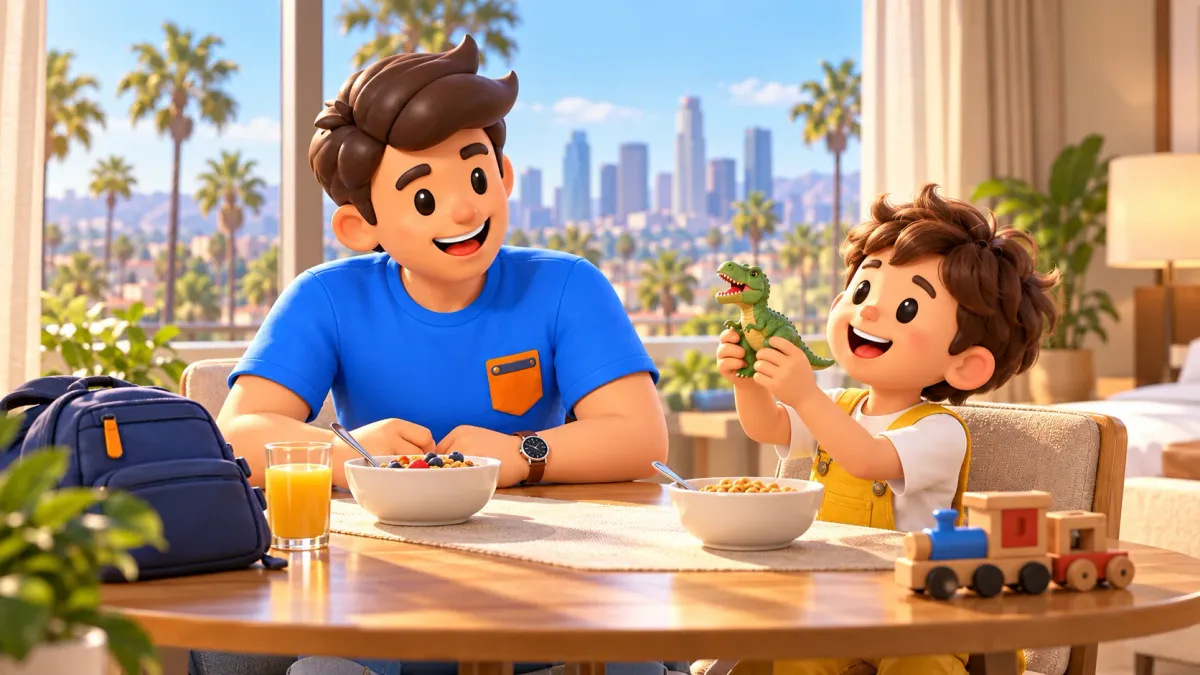
For three days in Los Angeles with children, choose one main outing each day: a museum at Exposition Park, trains or the zoo in Griffith Park, and a relaxed Santa Monica day. Leave lunch, a proper pause and the option to finish early between them. This balances discovery and rest while giving the whole family different experiences.
The outline below is for three full days, with choices based on interests. Age matters, but so does your child's usual rhythm: one may want to study a skeleton for ages, another wants to play, and either may need quiet after a busy morning. Suggested durations are planning allowances, separate from a venue's opening hours.
One main outing, with room to stop afterwards
Begin with a family choice: dinosaurs or scientific discovery, railways or animals, a play museum or the ocean. You do not need reservations for both alternatives every day. If the first experience captures a child's attention, spare time lets you stay; if they become tired, you can leave without feeling that the entire programme has failed.
The three days are geographically separate. Exposition Park is by the museums south of Downtown; Travel Town and the zoo sit in the northern part of the large Griffith Park; Santa Monica is on the coast. Do not turn those into a single day's checklist. Travel from your accommodation and back counts towards the effort even when it is absent from the attraction list.
To work out a trip around your family's interests, try RoadMe: it builds a personal day-by-day plan using your dates, pace and budget. Start with what the people travelling actually enjoy, and prepare a coherent itinerary instead of a set of compulsory visits.
- Day one: one Exposition Park museum, lunch and a short outdoor walk if everyone feels like it.
- Day two: Travel Town or the zoo, followed by uncommitted time.
- Day three: Cayton Children's Museum if the age range and calendar suit, or go straight to the pier and ocean.
Move whole days to fit the calendar. Travel Town is temporarily closed on Mondays. Cayton normally opens Wednesday to Sunday. The Natural History Museum closes on the first Tuesday of the month except June to August. Confirm actual dates, holiday exceptions and special closures before making reservations.
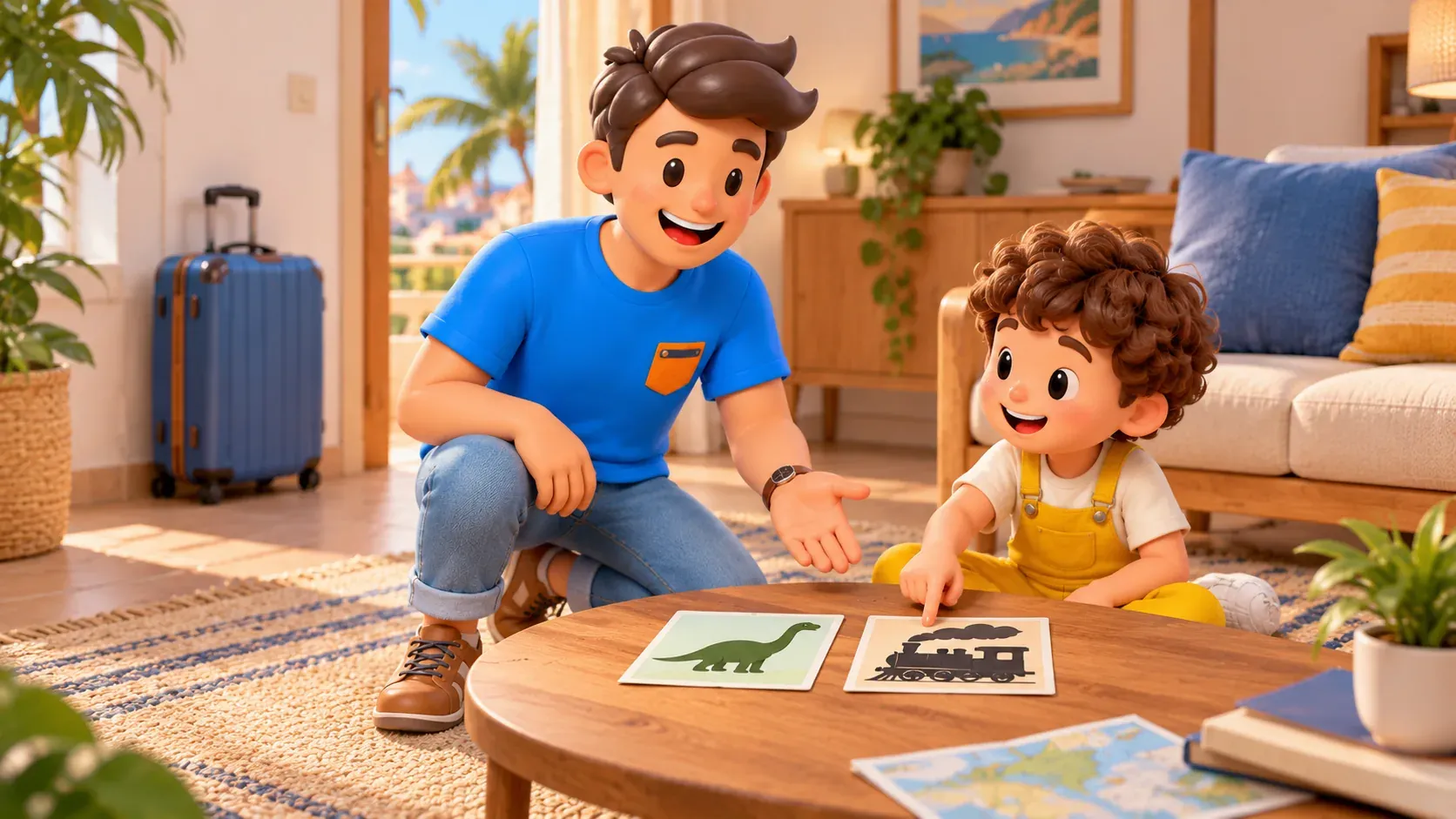
Day 1: one Exposition Park museum and an outdoor pause
Begin near your chosen museum rather than adding a compulsory Downtown tour first. For dinosaurs and past animal life, choose the Natural History Museum at 900 Exposition Boulevard. For interactive science, consider the California Science Center as an alternative, checking which galleries are available on your dates.
Morning: go to the subject that interests your child
At the Natural History Museum, arriving around its 9:30 opening gives a straightforward start. Allow roughly two to three hours for the main visit, with permission to leave sooner or spend longer in one section. Having paid for a building does not require seeing every part of it.
Dinosaur Hall displays fossils and skeletons that invite comparisons of size and anatomy. A small observation task can be more engaging than a lengthy explanation: spot the horns, examine teeth or notice differences between two skeletons. There is no need to turn a single visit into an attempt to cover all of palaeontology.
The museum highly recommends advance online tickets. Additional programmes and particular exhibitions can have their own arrangements; ordinary admission does not mean every activity on the website is included. Choose just one extra if it matters to your family, leaving space between its time slot and lunch.
Lunch and a quieter green break
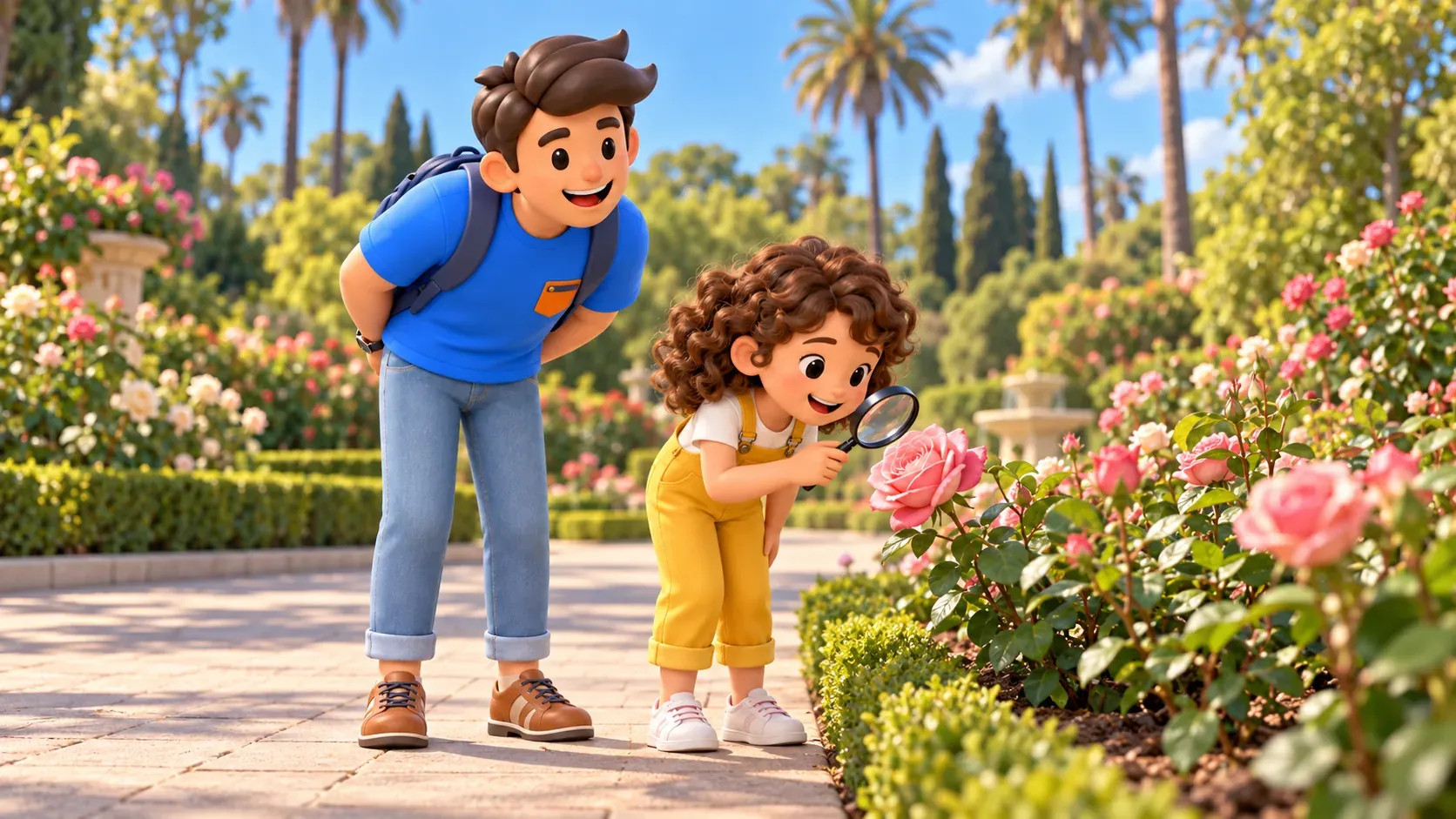
After the museum, stop to eat before deciding what comes next. The Exposition Park Rose Garden is close to the museum area and can provide a short walk when open. Treat it as a place to appreciate plants quietly, rather than a promised playground or permission to use every lawn.
The garden closes for maintenance from January 1 to March 15. Do not make it essential to a winter visit. If unavailable, have lunch and head home, or take a short walk through open public parts of the park following signs on arrival.
The California Science Center and Natural History Museum are close together, but two complete museums can still be too much. If science is the strongest interest, choose the Science Center instead of the natural-history visit beforehand. Make available permanent galleries the basis of the visit, and check the calendar separately for any particular special programme.
A family day can finish after lunch. That leaves time for familiar rest, dinner and a calm start the following morning. If everyone is still keen, add a small flexible block nearby rather than another compulsory entry.
Day 2: choose trains or the zoo in Griffith Park
For transport interests, consider Travel Town Museum at 5200 Zoo Drive. For animals, choose Los Angeles Zoo. Both belong to the same broad park area, but have different addresses and different visits. Sharing a park does not mean a family should walk through them one after another.
Trains: a compact outing with an early finish
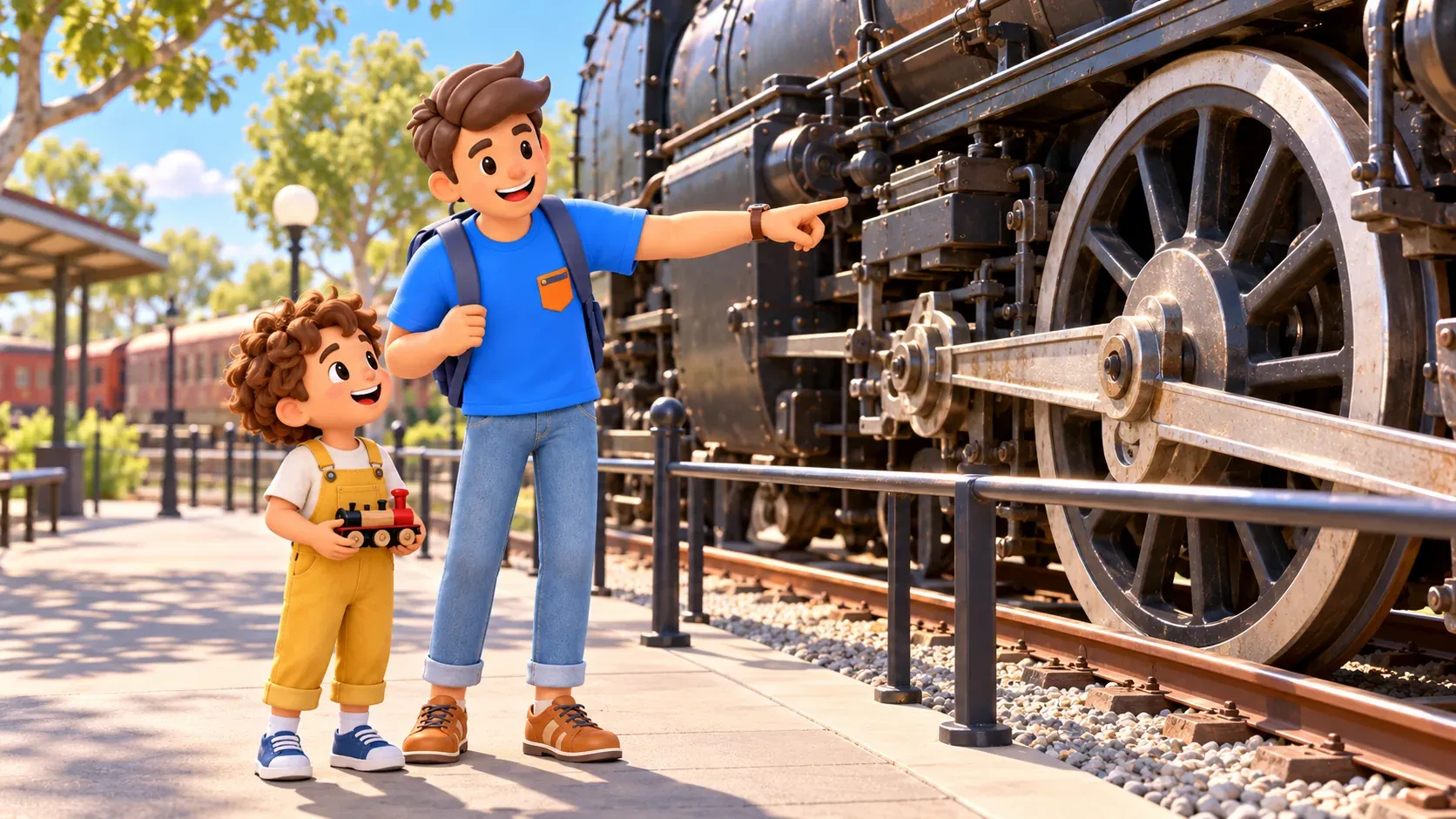
At Travel Town, arrive at 10:00 or later within opening hours. Founded in 1952, the transport museum preserves railway equipment. A slow approach works well: compare wheels, carriages and locomotives while imagining how people's journeys have changed.
Initially allow an hour and a half to two hours before a food break. This is a planning estimate, not a required visit length. Ordinary museum entry is free, while the miniature train ride is a separate activity run by another operator. Check its own timetable and arrangements; a free museum visit does not make every activity free.
The museum foundation lists a temporary Monday closure and normal 10:00–17:00 hours on the other days. Confirm the current calendar, including holiday exceptions, before setting off. On the exhibits themselves, use only areas permitted to visitors.
The zoo: a different main choice
If your family chooses animals, go to Los Angeles Zoo at the start of the day. Give the main visit several hours with breaks. It is better to enjoy fewer areas with attention than to keep moving towards another enclosure simply to cover everything.
Normal zoo hours are 10:00–17:00. Animals begin going in for the night at 16:00, and last entry is listed as 15:45. That makes a late arrival after a long train-museum visit a poor basis for your main zoo experience. Choose it deliberately as the centre of the day.
Keep the evening free after returning. The observatory, Walk of Fame or another distant programme may look tempting on a map, but each adds another journey. A family plan benefits from being able to finish while everyone still has some energy.
If adults and children have different interests, try preparing the trip in RoadMe, where your interests and preferred pace inform a personal plan. The app makes it convenient to distribute different experiences across three days around your dates and budget.
Day 3: Santa Monica, play time and the ocean
Families with younger children can begin at Cayton Children's Museum, on the third level of Santa Monica Place. The museum describes its audience chiefly as children up to eight; check particular play-area restrictions on arrival. Older children who are not interested in that format can start by the ocean instead.
An optional morning of play
Cayton normally opens Wednesday to Sunday from 9:00 to 17:00. Advance reservations are strongly recommended, so do not assume walk-in entry without waiting. Children remain accompanied by an adult. Strollers are not allowed inside, with a stroller-parking area provided; consider that if your child usually naps in one during an outing.
Give the play morning roughly two hours, followed by a proper lunch break. If the museum is closed on your chosen day, there is no need to replace it automatically with another children's museum far away. Santa Monica still provides a complete day with the pier and a short walk by the water.
Afternoon: a short coastal walk
From Santa Monica Place, head towards the pier using city pavements and marked crossings. The pier opens daily from 6:00 to 22:00, while amusements and cafés have their own schedules. Decide whether the plan is simply to see the ocean or include a specific ride.
The Pier Bridge is being rebuilt. The pier remains open, but allow for diversions and delays. Follow temporary signs. If reaching the pier takes longer than expected, shorten the walk while preserving time to rest and get back.
This family programme does not require walking to Venice. Stay near the pier, explore the nearby pedestrian promenade and pause beside the water. A beach walk is not a promise of suitable swimming conditions: entering the water depends on the particular day and local rules.
Plan the return from Santa Monica. The E Line is a useful transport corridor, but Downtown Santa Monica station is a separate walk from the pier. Drivers should remember their parking location and account for the walk back. A practical finish matters as much as an interesting start.
Keep a family rhythm across the trip
Reserve the main visit first, then fit in travel and the breaks your family normally needs. Sleep, food and time without new input should not be whatever happens to fit between tickets. If a usual nap falls in the middle of an outing, plan an early finish or a return to your accommodation.
Prepare clothing, water and a small snack the evening before, taking the venue's rules into account. The morning then needs only a check of opening arrangements and the route to the entrance. In heat or rain, shorten the outdoor section rather than adding a second large museum to an already busy morning.
Let interests change. A child may unexpectedly become absorbed by a locomotive, while another planned visit can feel less important after a journey. A good outline can absorb that: one main outing, a clear pause and a relaxed way back make the trip more resilient than a promise to see everything.


