
Three days in Geneva: highlights and a day for your interests
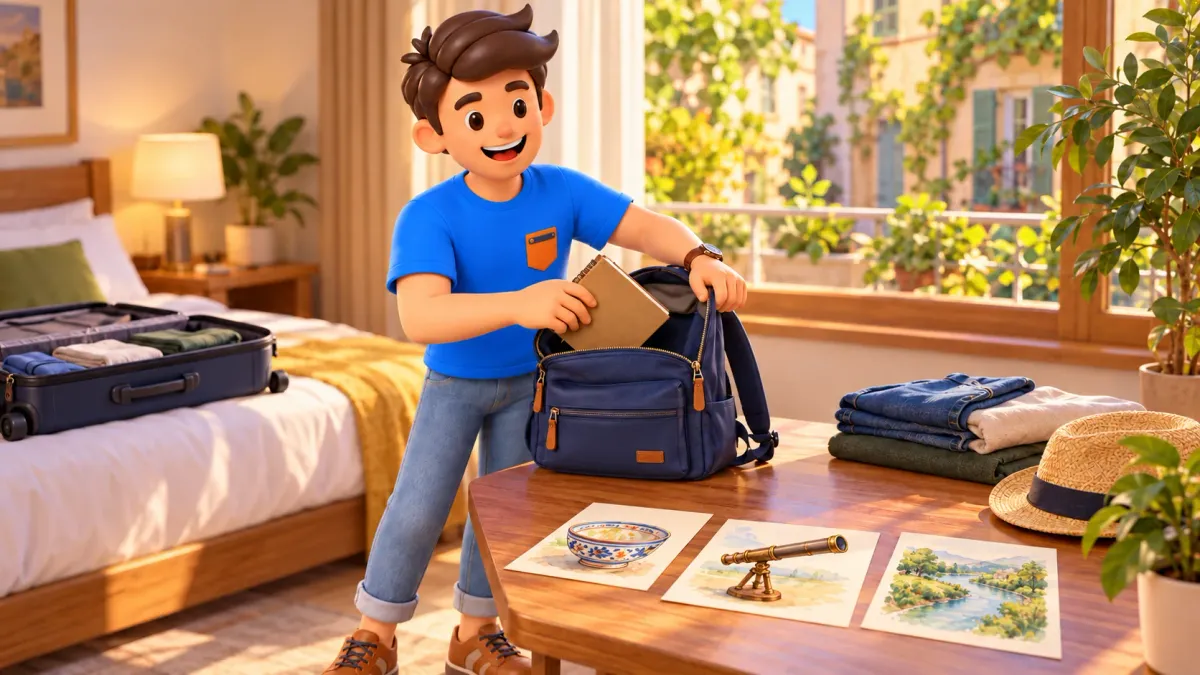
Three days in Geneva give you time for the familiar places and a whole day shaped by your own interests. Spend the first in the Old Town and beside the lake, the second in the international district with one main visit. For the third, choose art, scientific collections or a walk along the Rhône. These are alternatives, not three activities to fit into one day.
The plan assumes three days with enough time for walking. If arrival or departure removes half a day, shorten complete sections. Durations below are estimates for a comfortable pace, not measured schedules. The benefit of the extra day is the freedom to stay with something interesting while still keeping time for a proper lunch and rest.
Give each day its own purpose
Instead of dividing a long list into equal parts, give each date a theme and a clear geographical shape. The historic centre calls for attention to streets and changes of level. The international district involves a separate journey and the arrangements of a chosen visit. The final day can follow a quite different curiosity.
It is much more convenient to organise this trip around your interests with RoadMe: the app works out a personal day-by-day plan according to your preferences and pace. You get a coherent route with room for your own experiences, rather than manually distributing dozens of places across the trip.
| Day | Main theme | Principal choice |
|---|---|---|
| First | Old Town and lake | Historic streets followed by the waterfront |
| Second | International Geneva | One main visit around Nations |
| Third | Your own interest | One museum or walking scenario |
If the last day simply brings you back to a favourite shore, that is a reasonable choice too. The itinerary does not have to prove that every day is completely different. Extra time should improve the trip through a proper visit, a long pause or a closer understanding of a neighbourhood you already enjoyed.
Day one: the historic centre and a lakeside conclusion
Begin at Bourg-de-Four and continue uphill to Saint-Pierre Cathedral. The square introduces the city’s trading life, while Saint-Pierre brings the Reformation and architectural change into view. On a first encounter, notice the contrast between the square and its fountain, the short connecting streets and the more concentrated space around the cathedral.
Choose one direction for an interior visit. The cathedral, towers and archaeological site require different attention and time. Maison Tavel is an alternative if you want to connect the walk with the history of ordinary urban life. A three-day trip allows you to linger, but does not oblige you to visit every part of the cathedral in the same morning.
Continue towards the Town Hall, the Treille and Parc des Bastions. Pause on the promenade before descending, then let the Reformation Wall continue the historical theme among trees. After lunch, move towards the Jardin Anglais and the waterfront view of the Jet d’Eau. The day changes scale from nearby façades to water and distant perspectives.
This can occupy much of the day with lunch and stops. A substantial museum visit expands the morning, so shorten the waterfront section accordingly. The one-day Old Town and lake route gives a more detailed sequence and shorter alternatives. Here the priority is an enjoyable beginning to the whole trip.
Day two: the international district without a museum marathon
Begin at Place des Nations, allowing separately for the journey there. Broken Chair introduces the humanitarian context. The Palais des Nations connects the League of Nations with the United Nations story. This remains a working international setting, so an exterior walk and a visit inside must be treated as separate decisions.
The International Red Cross and Red Crescent Museum can be the main visit when people, assistance and human dignity interest you. The Ariana offers ceramics and glass, approaching cultural connections through objects and craftsmanship. If you choose a confirmed Palais des Nations tour, its timing shapes the morning instead. The three possibilities do not belong together in one overloaded programme.
After lunch, leave a flexible continuation: selected Botanical Garden areas or a quiet stretch of the right-bank parks. Choose one conclusion according to energy. Do not plan to cross controlled Palais des Nations grounds as though they were a public park. Connect city stops using accessible public streets and current entrances.
The district, one visit and a green continuation can take much of the second day at an unhurried pace. Shorten the garden if the museum is especially absorbing. The two-day Geneva plan explains that arrangement in greater detail. With a third day available, you need not hurry towards yet another subject before evening.
Day three: choose one of three directions
Ask what has been missing so far. If you want objects and cultural stories, choose the museum area. If observing nature and historic instruments appeals, head towards Perle du Lac. If you have had enough interiors, follow the Rhône. Avoid changing direction halfway through only because another option also sounds attractive. It can remain an idea for a future visit.
Art and cultural collections: one museum in the Bains area
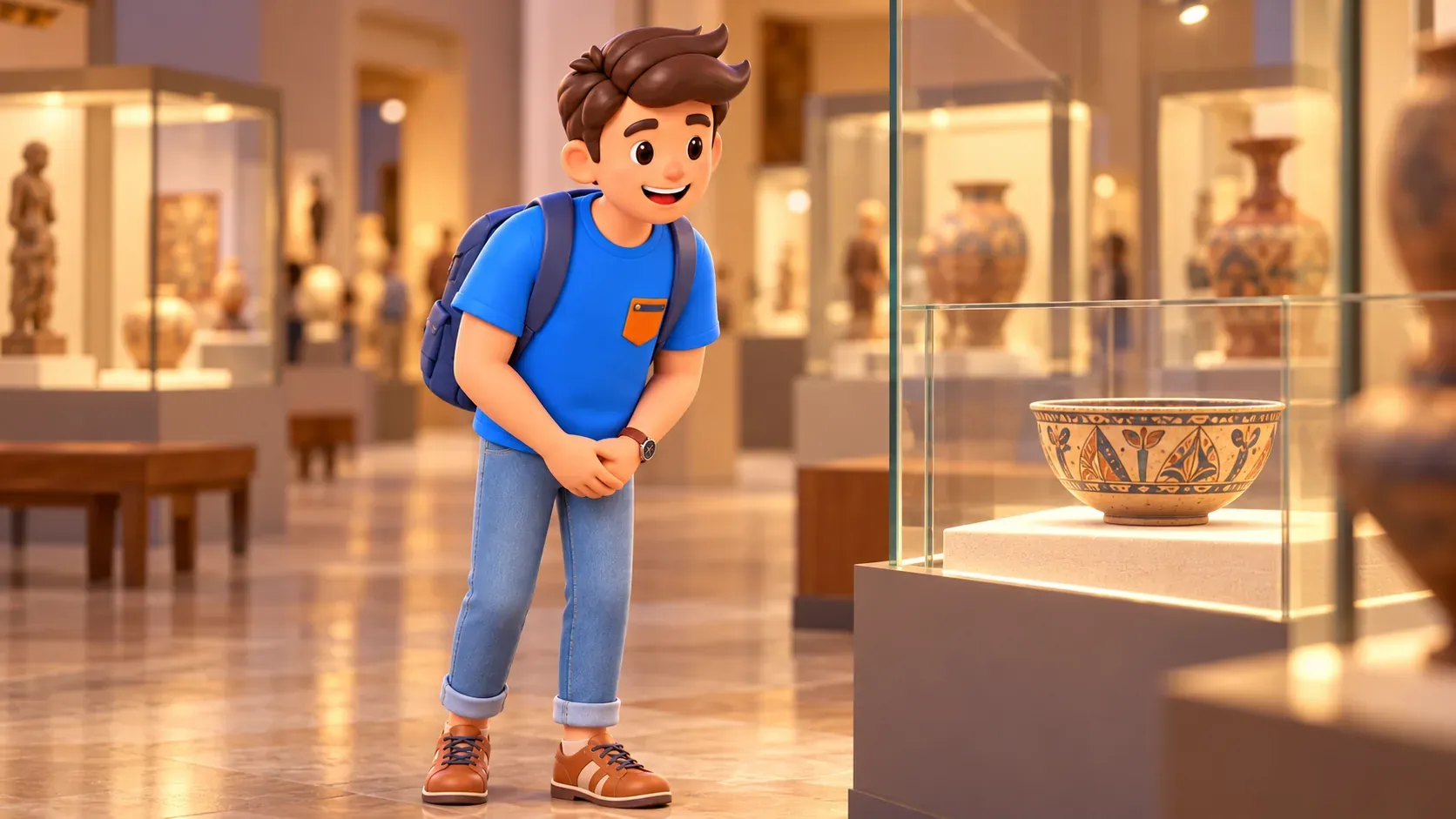
The MEG approaches cultural diversity and encourages questions about objects and their origins. It suits a desire to understand the context in which something was made or used, as well as its appearance. Choose a few themes that hold your attention instead of trying to examine every display equally closely.
Alternatively, the Patek Philippe Museum brings watch mechanisms together with decorative arts. You do not need technical expertise to appreciate the ways measuring time became a question of form, material and ornament. This is a subject in its own right, rather than a required extension of seeing the Flower Clock.
Choose one museum, then leave room for nearby streets and lunch. The collection and neighbourhood can occupy half a day or more according to interest. Check current access and the exhibition programme before choosing. Two nearby names on a map do not guarantee that two full collections will make a more satisfying day.
Science and plants: Perle du Lac and the Botanical Garden
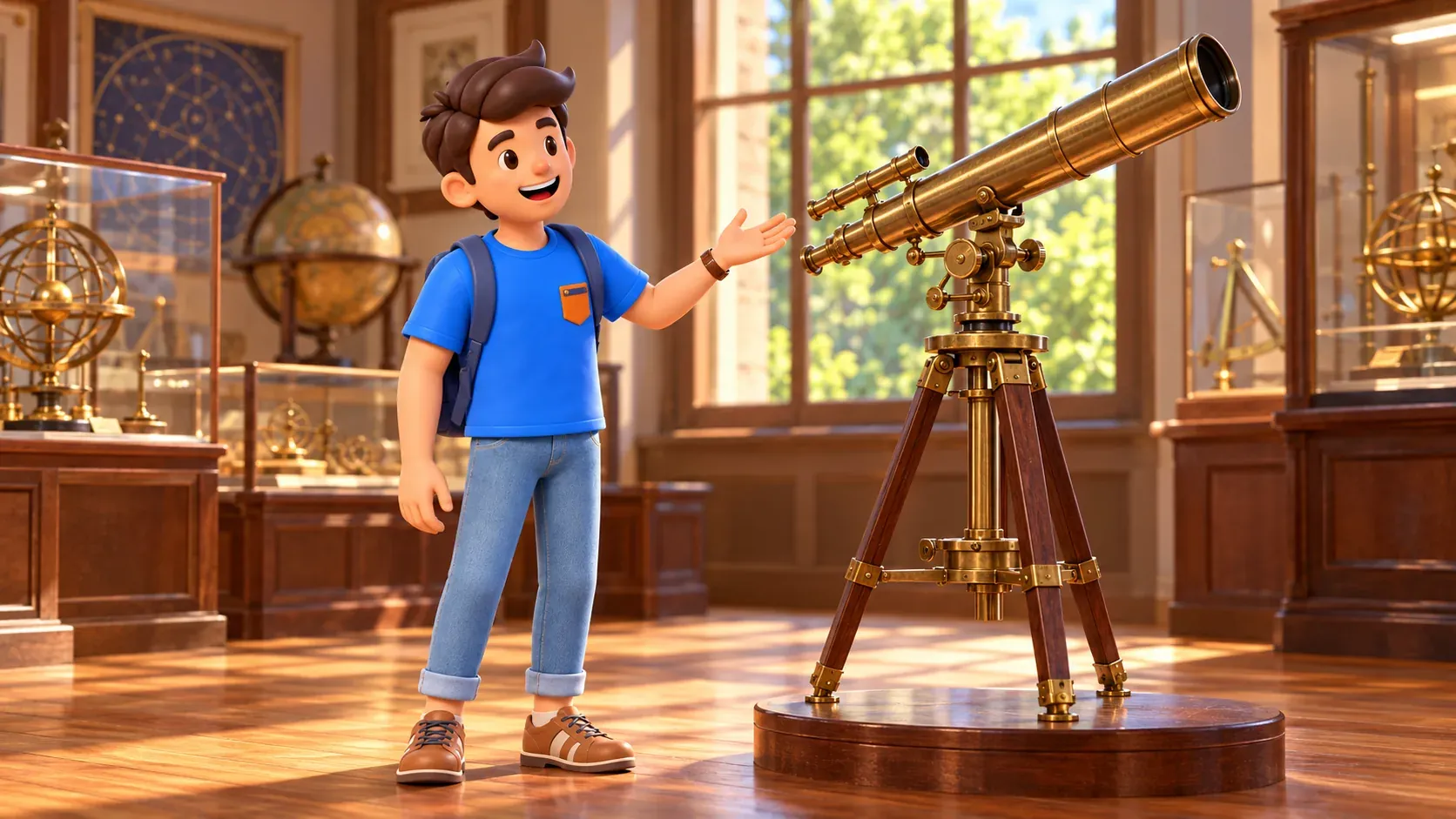
The Museum of the History of Science in Villa Bartholoni introduces historic instruments and ways of observing nature. A useful starting question is how people measured, examined or compared phenomena before familiar digital tools. One instrument can make scientific history more approachable than a long catalogue of discoveries.
After the museum, you can continue towards selected areas of the Botanical Garden. If you already visited the garden on day two, do not automatically repeat it. Spend longer with the instruments and the park instead. If the previous day stayed in the museum district, plants provide a new continuation. The itinerary should respond to the experiences you have already had.
Keep a half day for this direction, with the option to extend. The Museum of the History of Science normally closes on Tuesdays, so move the science visit to another date or keep the garden portion if necessary. Check the schedule before visiting. An open park does not establish that the museum and every greenhouse are open at the same time.
The Rhône and Jonction: a walk instead of another collection
Begin a river outing around the Bâtiment des Forces Motrices. The former hydraulic station recalls that water was part of Geneva’s engineering as well as its scenery. Its cultural role adds another theme: a technical building finding a new purpose. An exterior look is enough for this walk; attending an event requires a separate arrangement.
Continue on accessible public paths towards the Saint-Jean area or views of the Rhône and Arve meeting. These represent different extensions. There is no need to add the priory ruins, woodland park and every bridge to one short outing. If Jonction is your main aim, leave time for the approach and return, accounting for changes of level.
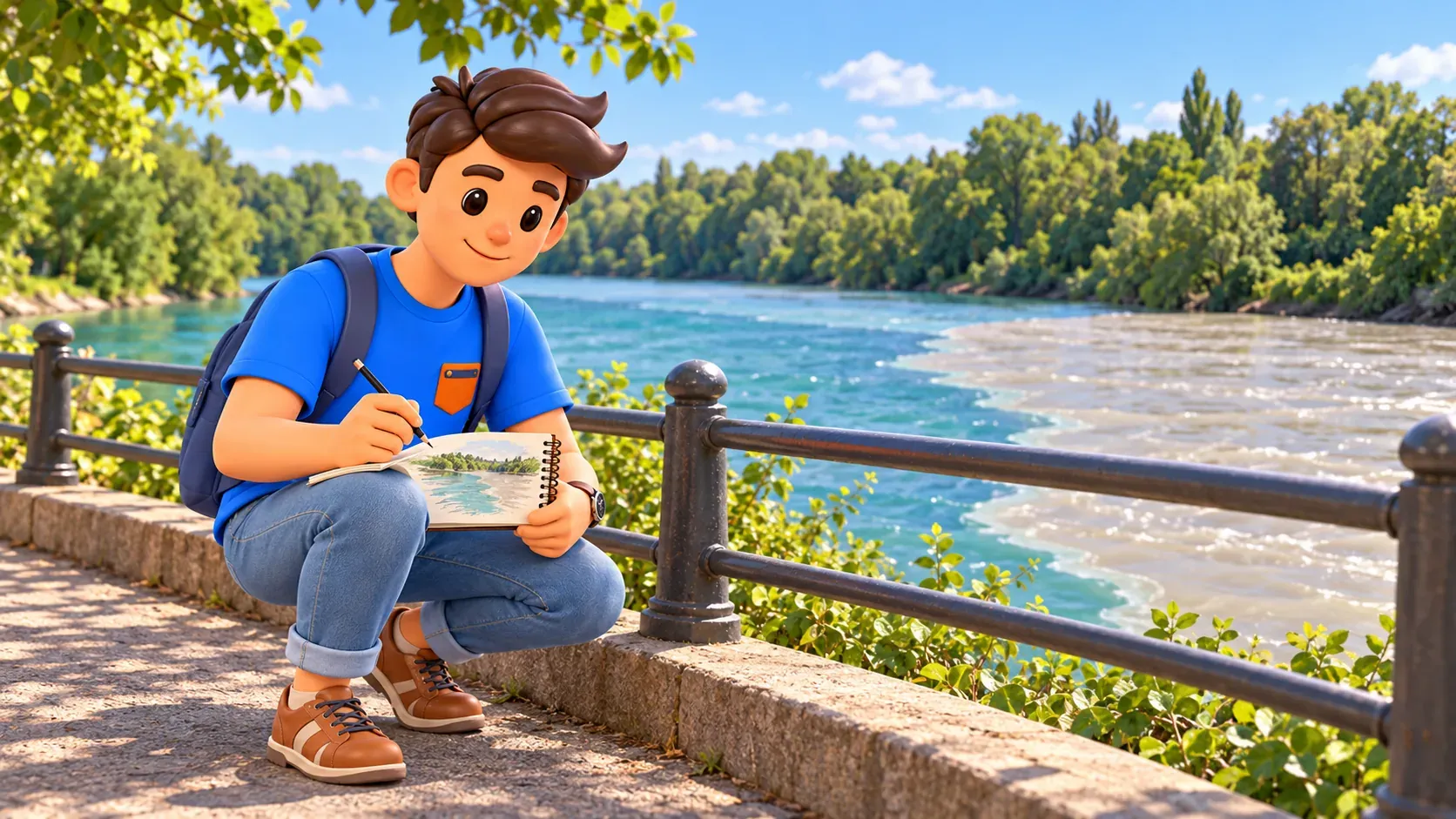
At the meeting of the rivers, the differing water colours are interesting to observe but depend on conditions. Do not expect an identical sharp dividing line in every kind of weather. Give the walk a few hours with pauses and check the current route and approaches. Stay in accessible public places rather than descending towards the water for a compulsory photograph.
Let the calendar determine the order
The number assigned to a day matters less than actual access. If your chosen museum is closed on the proposed date, move its whole themed section and keep nearby walks with it. A confirmed Palais des Nations tour can also change the order. This is ordinary trip planning, not a reason to squeeze a visit into an inconvenient gap.
For rain, keep the museum direction with short outdoor connections nearby. Clear weather can be used for the Rhône or longer garden sections. Three understandable themes let you exchange whole days without repeatedly rebuilding everything from the beginning. The geographical logic should survive the change, even when the calendar needs to move.
Consider your energy as well. After an absorbing museum, another collection with hours of labels may not appeal. Alternating interiors and open space changes the type of attention the day requires. Keep permission to finish earlier, particularly if you have an evening event or a journey the following morning.
Make the three days comfortable for you
Identify two visits that genuinely matter, then arrange the remaining walks around them. Connect each day’s beginning and end with your accommodation and eventual departure. The last attraction is not the last action of a trip: collecting luggage and reaching the next commitment still take time. Those journeys need to be visible in the plan.
With RoadMe, it is much easier to prepare this trip personally: the app builds a day-by-day itinerary around your interests and pace, connecting selected places into a coherent route. The third day can follow your preferences instead of becoming another general list of attractions.
Agree with companions on one shared daily theme and an optional section that can be removed. Give food and rest their own time, rather than whatever remains between addresses. Outdoors, account for sunshine, wind and the condition of paths. Comfortable footwear matters on slopes and cobbles as much as the number of places you intend to see.
Different interests need not produce constant compromise. Someone who enjoys a long museum visit might appreciate an easy garden conclusion afterwards, while a companion who prefers walking can make the river the principal choice on another day. A shared framework is more useful than trying to give everyone an identical number of stops.
If three calendar days become a shorter trip
A late arrival may leave time only for a small Old Town section or the lake. Move the complete central route to the next date, then choose one of the remaining themes. Do not try to preserve two full introductory days and a substantial third scenario when you effectively have only a day and a half or two days available.
For an early departure on the third day, return briefly to a favourite park or neighbourhood near a convenient finishing point. A proper museum visit makes sense only with enough time for both the collection and the onward journey. Saving a good idea is more pleasant than walking through rooms while constantly checking your watch.
The value of three days is not simply the amount seen. You can compare historic Geneva, its international role and one subject you chose yourself. That personal final emphasis helps you leave with an impression of the city that extends beyond the familiar outline of its fountain.


