
Spring in Geneva: from Treille’s chestnut to Bastions
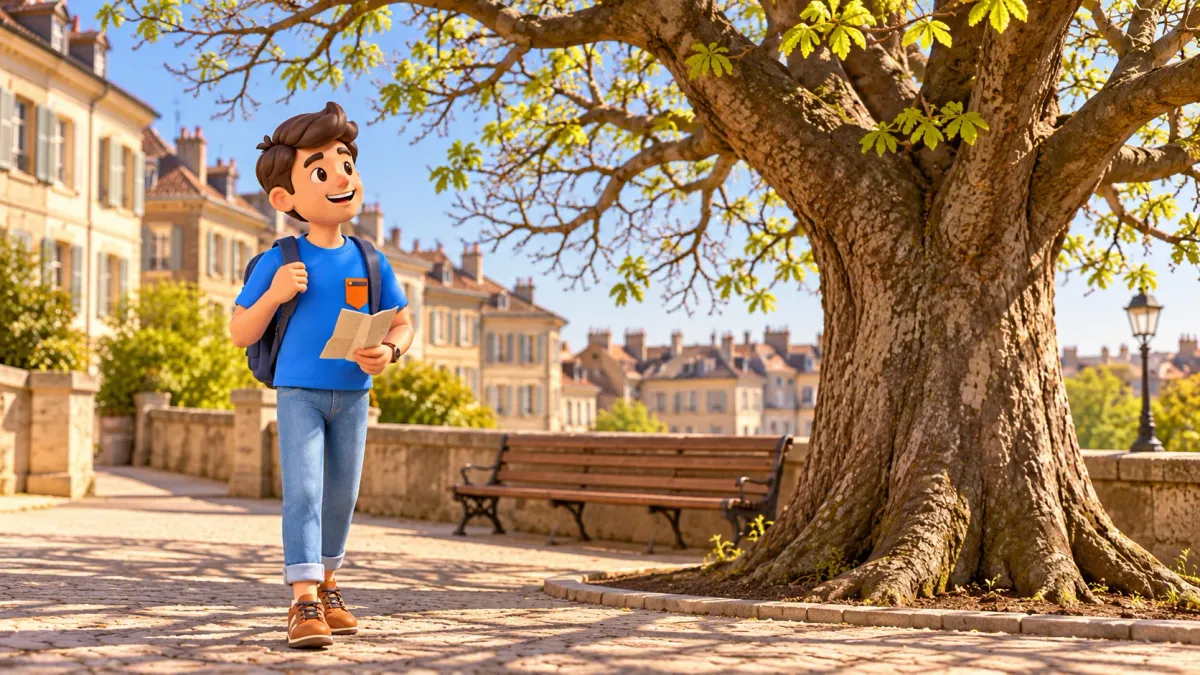
Spring in Geneva can be noticed on a small scale: a young leaf, changing light beneath trees and the chance to linger on a public bench. Treille and Bastions make a rewarding combination for that kind of walk. A living civic tradition, a historic promenade and a park below the Old Town meet within a compact area.
Begin by the official horse-chestnut on the Promenade de la Treille, pause near the long wooden bench and, if the approach suits, descend towards Parc des Bastions. This is a short seasonal story without promised flowering dates. It remains meaningful when the tree is waiting for leaves or already fully green.
Choosing the timing and format
Use the weather on your day and your wish to spend time outside as starting points. Roughly an hour with pauses can be a personal allowance, not a measured route duration. A brief visit takes less; reading, photographs or a relaxed bench stop can make it longer.
RoadMe makes it much easier to turn this idea into a complete personal walking or trip plan around your interests and pace. Let the app work out comfortable connections and time for seasonal details you want to notice without rushing.
The first decision is whether to connect the upper promenade and lower park. The tree and bench stand near each other on elevated Treille; Bastions is below. If descending is unsuitable, keep Treille alone or approach the park independently. Each part has a story of its own.
The second decision concerns how long to remain still. Spring sunshine in a photograph does not guarantee a warm bench or a windless day. Dress for actual conditions and leave freedom to shorten a pause. This article provides no weather forecast or promise of dry paths.
Do not tie a trip to an invented first-leaf date. Each year’s official observation has its own timing, while neighbouring trees may be at another stage. Understanding the tradition and seeing the place matters more for an ordinary visitor than trying to predict the event.
The official horse-chestnut: spring begins with a leaf
On Treille, identify the Marronnier officiel de la Treille through its current on-site designation. Among a row of trees, it is easy to choose whichever chestnut appeals. Distinguish the official reference from the general green promenade. Approach from public paths and leave the tree its space.
Geneva’s tradition concerns the opening of the official tree’s first leaf. The distinction matters: it is a leaf, rather than blossom, the equinox or every tree changing at once. A modest natural observation acquires a public significance.
Records of the tradition have been kept since 1818. Observation and announcement are associated with the office of the Grand Council’s sautier. An everyday tree becomes a meeting point between civic procedure and a natural seasonal process. It offers an unusual way of seeing how a city notices time.
Since 1818 refers to records and tradition. It does not mean the current tree is the same biological individual observed at the beginning. Civic continuity can endure while the living object changes, a useful distinction when imagining the long history of this small event.
What makes the observation civic
The interest lies in repetition. A small sign is noticed again and again, receiving a record and a place in public time. A long sequence allows years to be compared, although a tourist’s passing glance does not become an independent scientific conclusion. For the walk, appreciate the relationship between attention, memory and procedure.
Beside clocks and official buildings, a city also marks time through a living tree. The appearance of a leaf does not promise consistently warm weather afterwards. A seasonal sign and the conditions of a particular day remain different things, so curiosity works best alongside ordinary attention to the weather.
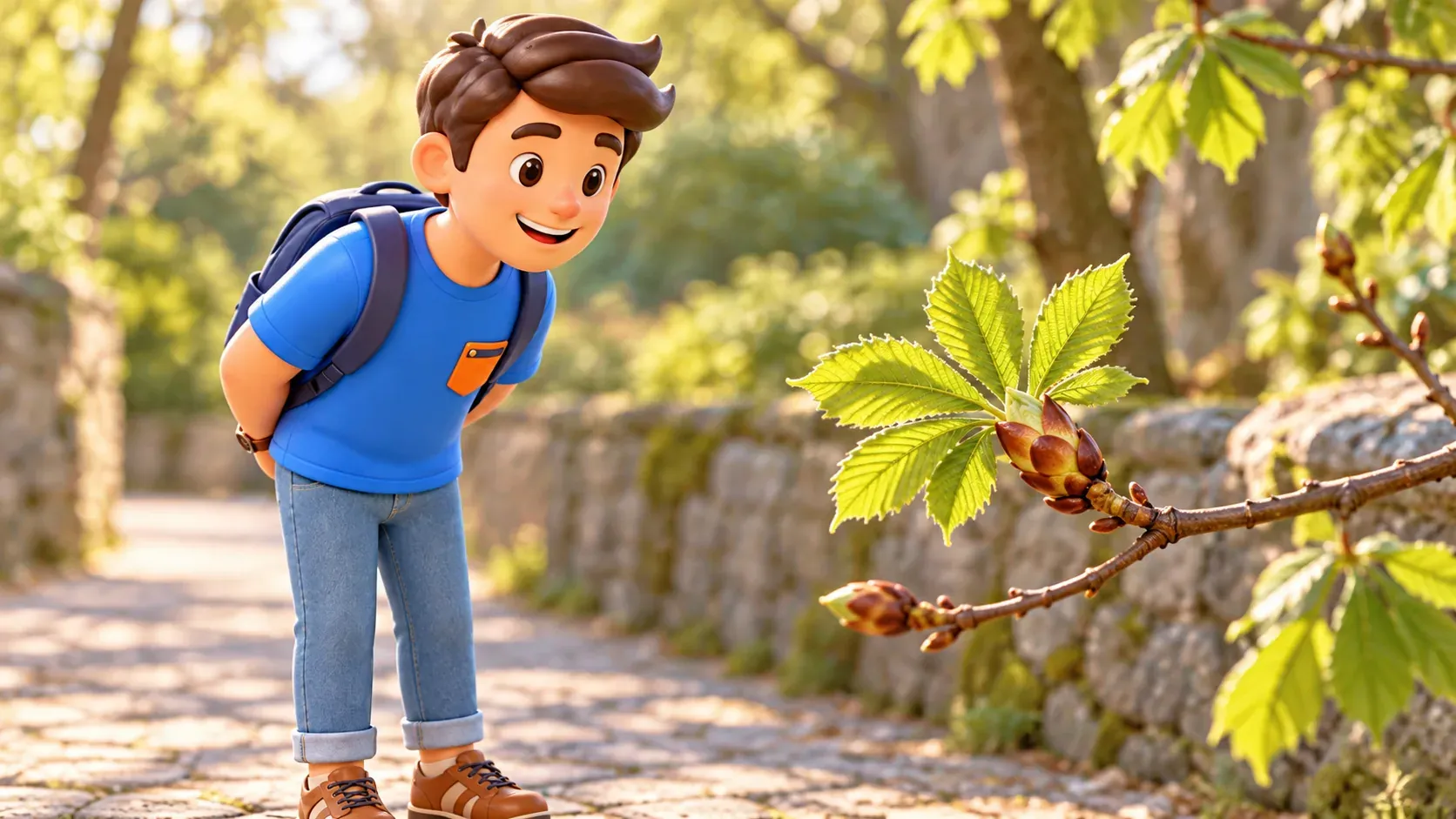
Look at what is visible today: buds, young leaves and the pattern of branches. There is no need to touch a twig, unfold a leaf or enter planting for a special angle. A visitor’s role is quiet observation; an official declaration does not depend on our conclusion from a passing look.
If leaves have not appeared, the story remains intact. You can see a tree awaiting change and imagine the attentiveness of a long-running observation. If foliage is already full, consider the difference between the tiny first sign and the ordinary green appearance that follows.
With children, begin with a simple question: how does a little new leaf differ from one already unfolded? The answer can be a personal observation of shape or colour. Avoid searching for the one correct branch or promising to witness the first official moment that day.
For photographs, record an overall view from public space and one available detail without touching branches. The two scales complement each other: one recalls the place, the other the seasonal observation. A close leaf can be attractive, but without surroundings it may lose its connection with this particular walk.
The long bench: make the pause part of the route
The Banc de la Treille is a recognisable long wooden bench on a historic promenade. Appreciate its perspective, repetition and relationship with the line of trees. Its urban character is enough for this walk; a world-record comparison with other benches is unnecessary.
Find a free section if you wish to sit. The whole bench need not be empty, and solitude depends on the particular moment. Other people belong to a living public place. Leave them ordinary space and choose your own comfortable pause.
Shift attention from an individual leaf to a wider scale. Look along the promenade, at trees beside stone and the difference between shaded and open light. The same spring becomes noticeable through several kinds of detail.
For a photograph, the bench’s long line can guide the eye. Close portraits of resting strangers or an entirely empty frame are not required. A section of bench, the tree rhythm and your own position already convey the place.
If sitting feels cold or damp, a short standing stop works too. The bench retains architectural interest without a long rest. The outing is not incomplete because the day does not invite reflective reading beneath the branches.
During the pause, decide whether to continue downwards. Visibility may allow a sense of the park and city, but no fixed Alpine panorama is promised. The important relationship is the upper promenade’s height above the next green space.

Descending to Bastions: noticing the city’s levels
Head towards Parc des Bastions using suitable public streets and available approaches around Place de Neuve. A short distance between points does not establish a level path. Choose the actual descent with surfaces, steps and personal comfort in mind.
The connection shows how the promenade above the park relates to the city below. It is a separate part of the experience. Do not shorten it through closed courtyards or treat every open arch as a continuation. A clear permitted route is preferable to searching for a speculative shortcut.
If access requirements determine your day, assess the particular approaches separately. This combination has not been surveyed as guaranteed step-free. Treille alone or Bastions alone preserves the seasonal subject without an unsuitable link between levels.
After rain, stone and paving can change the feel of a step. Allow time for calm movement, especially with children or a pushchair. In unpleasant conditions, finish the upper section and save the park for another day, keeping the experience you already had.
Bastions: from one tree to a whole park
Below, the scale changes again. Parc des Bastions sits at the foot of the old centre and relates to former fortifications. The first botanical garden established here in 1817 adds another urban layer: plants have long belonged to the public life of this place.
Choose a short available avenue or a free bench. After attention to one chestnut, notice how differently trees and shrubs enter the season. The whole park need not become green simultaneously or reproduce a particular promotional photograph.
Continue an observation game: one new leaf shape, one patch of light and one sound of an urban park. These simple reference points make the walk personal. They require neither equipment, botanical training nor a long list of things to find.
To connect this walk with the rest of Geneva, let RoadMe work out a personal plan around your interests and available time. The app makes a coherent route with calm pauses and suitable connections much more convenient and effective than assembling the day from scattered notes.
A full exploration of monuments, the park and neighbouring museums can be another subject. Here a small circuit or rest after the descent is enough. Moving from one officially observed tree to a varied park setting already completes the spring thread.
Keeping the interest at any stage of foliage
Choose one of three formats: a short tree-and-bench visit, the upper promenade with descent and a little park, or independent Bastions with a suitable approach. The shared idea is noticing the urban season without requiring everything to be in one prescribed state.
In cold or rain, shorten stationary pauses and the circuit. A warm indoor space nearby is not part of the confirmed plan. If you prefer to move the day inside, use the museum options for rainy Geneva, checking date and access separately.
Finish with one short note: what looked like spring today? A young leaf, shadow on a bench or new light between branches may be enough. That memory connects the walk with personal experience more effectively than waiting for an ideal day selected in advance.


