
A rainy day in Geneva: one museum and a short walk
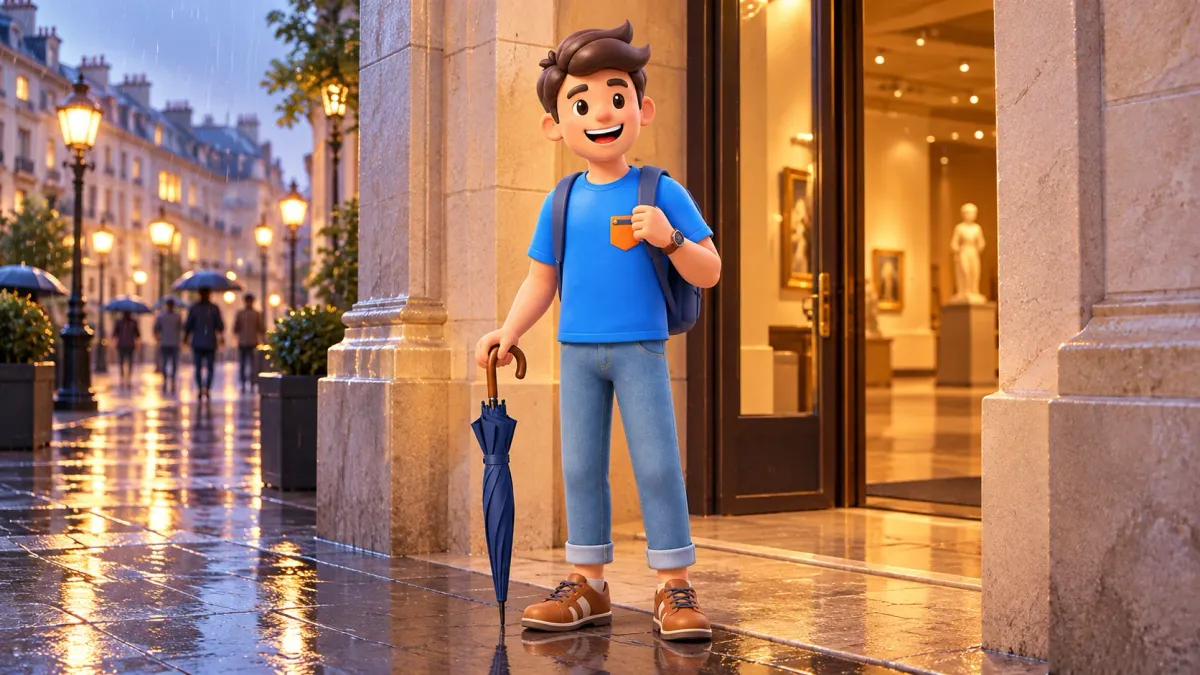
A rainy day in Geneva does not need rescuing with an overloaded programme. Often the better choice is one museum, time to appreciate it and a small stretch of nearby streets if conditions allow. The visit retains a sense of the city without journeys between closed doors becoming its main memory.
RoadMe’s collection offers five different directions: city history at Maison Tavel, art and archaeology at MAH, watchmaking at Patek Philippe, world cultures at MEG, and Chinese and Japanese art at Fondation Baur. These are alternatives, not a five-museum route.
Choose an interest, then an open day
Start with what you actually want to see and compare it with the calendar. Then check the real entrance, approach from transport and conditions of the relevant exhibition. Half a day with one museum is a useful framework, not a compulsory duration; the depth of your visit and preferred breaks determine the pace.
RoadMe makes it much easier to create a complete personal walking or trip plan around your interests and pace. Let the app work out a day centred on one substantial visit, leaving convenient approaches and proper time to rest.
On an ordinary Monday, all five choices in this article are closed. That matters more than the rain. Do not travel to a museum simply because it suits poor weather: move the visit to an open day or choose another format. Special calendar exceptions need separate checking.
Morning does not suit every address either. Patek Philippe normally opens in the afternoon except on Saturday; Fondation Baur is also generally an afternoon choice. General hours are not the same as last admission and do not establish access to every room. With a short window, confirm the activity you actually want.
The most famous museum need not be your best choice. For someone interested in watch mechanisms, a detailed display may offer more than a large painting gallery; for a city enthusiast, a model of old Geneva may be the stronger attraction. Rain changes the conditions of the day, not your interests.
Maison Tavel: understanding the city from indoors
Maison Tavel stands at 6 Rue du Puits-Saint-Pierre in the Old Town. The historic private house adds substance to the visit: Geneva’s story unfolds within its old urban fabric. The medieval frontage and sculpted heads offer a short introduction before you enter.
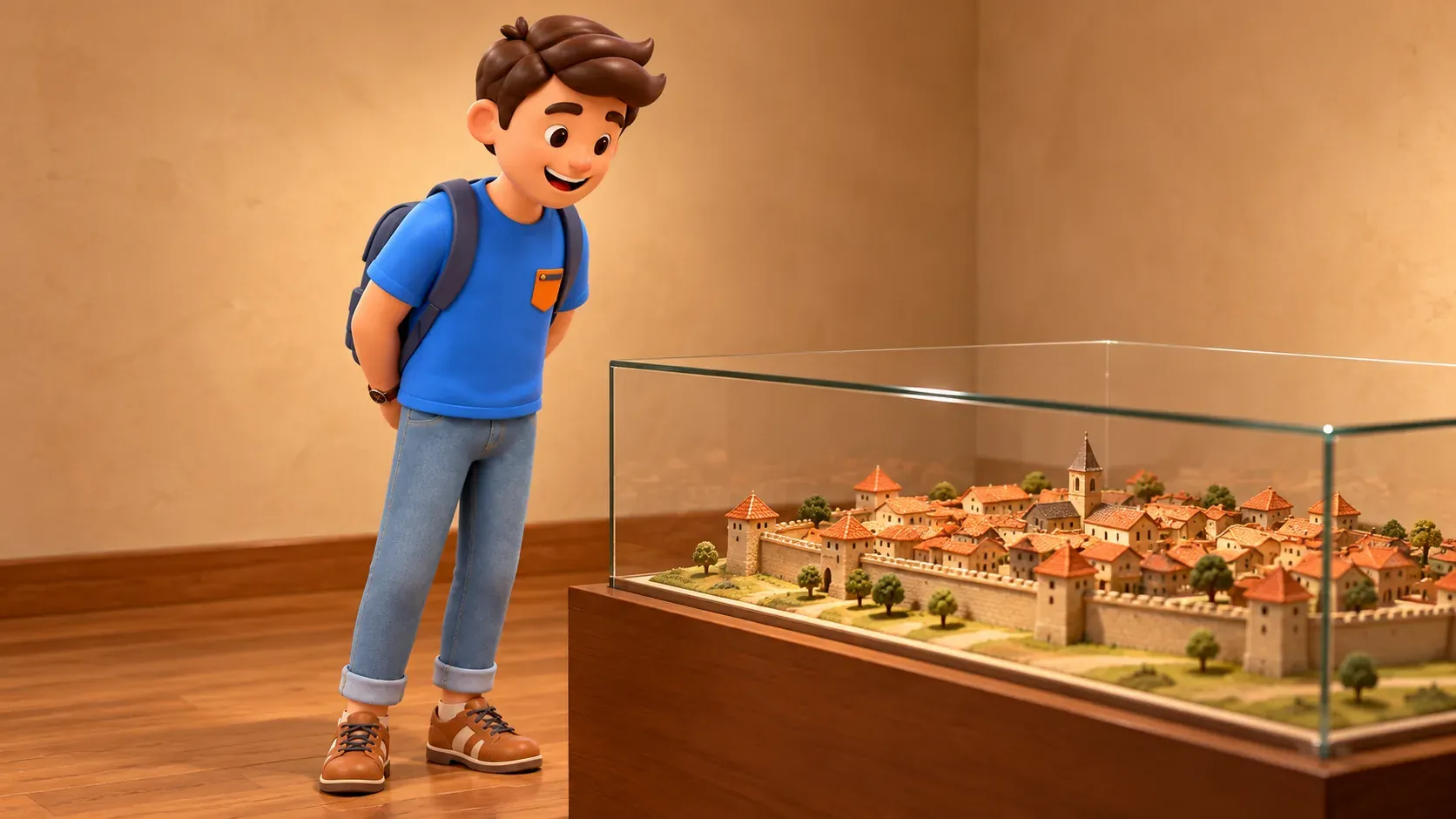
A particular point of interest is the Magnin relief model of earlier Geneva. Models like this connect individual streets with the overall shape of a city. Choose one task: consider the relationship between dense buildings, open spaces and former boundaries rather than immediately memorising every section.
This option suits visitors who have already walked through the centre and want to assemble their impressions. A familiar street may read differently afterwards. You do not need to match every feature of the model to a present-day route; the first reward is a change in the scale of your view.
For a short outdoor continuation, Rue du Puits-Saint-Pierre and the closest old streets are enough. Wet paving and slopes call for a calmer step. Do not add a stair descent merely to complete an attractive loop if you would rather return somewhere dry.
Maison Tavel’s materials use prix libre, meaning visitors choose their payment. This should not become an unconditional promise that every visit is always free. A particular programme or event may have separate conditions, so match the information to your date and purpose.
MAH: one thread through a large collection
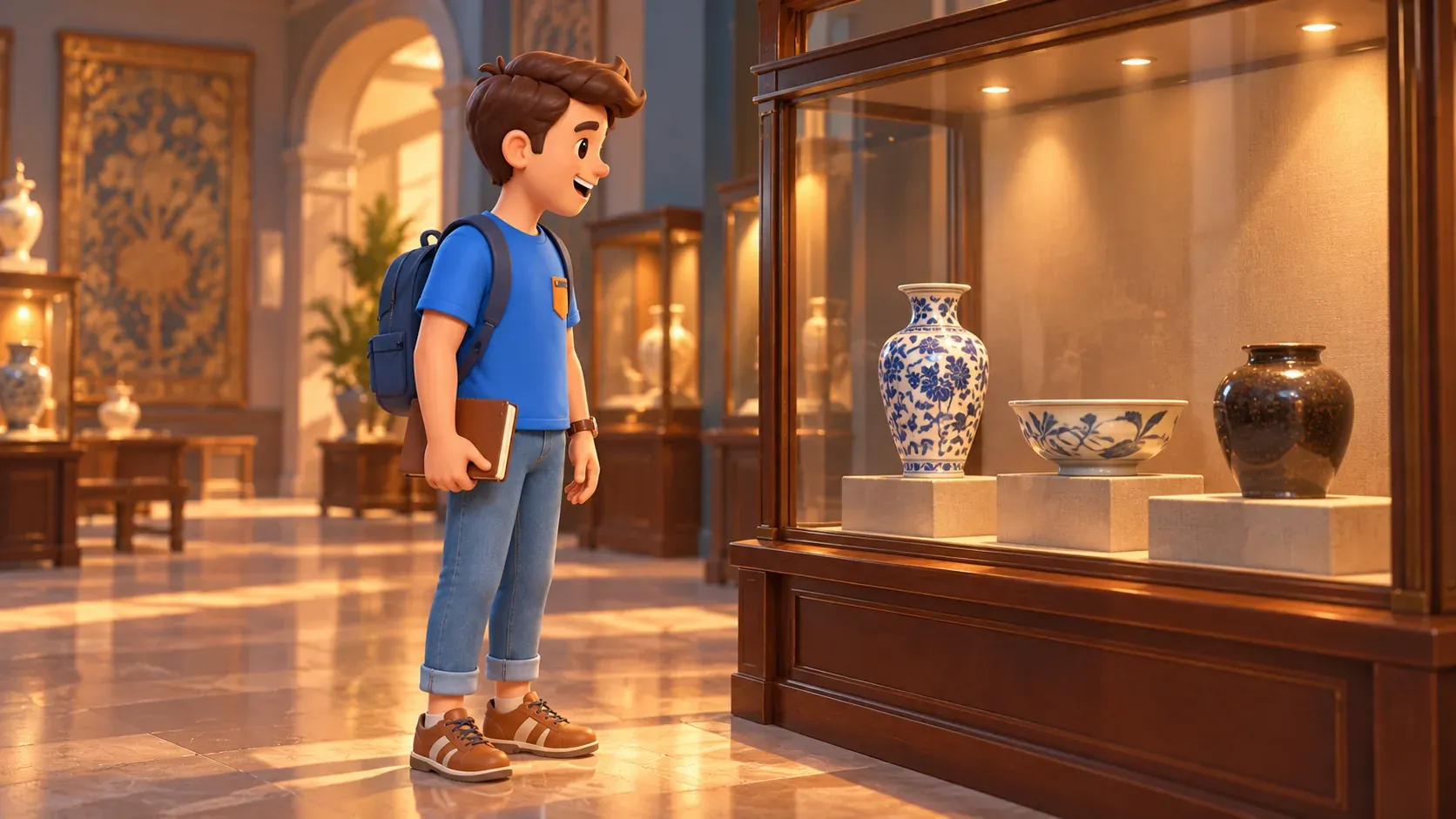
The Musée d’art et d’histoire is at 2 Rue Charles-Galland. Its encyclopaedic character combines archaeology, painting, sculpture and applied arts. The monumental 1910 building establishes a substantial scale, but a rainy day does not oblige you to cover the whole museum.
Choose one theme or a small available section. Begin with a real interest: material, period, technique or a way of depicting people. The visit gains its own story, and exhaustion does not become the price of trying to see as many rooms as possible.
Alternate an overall view with an individual object. First notice how a gallery is arranged, then linger with a chosen work. Reading every label in sequence is unnecessary. If companions have different interests, you can agree to meet after a short independent look, within the actual arrangements of the space.
After leaving, consider the building’s exterior and a short section around Charles-Galland if the rain eases. A long exposed walk is not an obligatory ending. In heavier rain, return by a convenient route and let the museum remain a complete experience.
MAH also uses a freely chosen payment principle, while events and exhibition programmes can have different conditions. General information should not be treated as access to every separate activity. One confirmed programme is more useful for a short day than several assumptions about entry.
Patek Philippe: mechanics as decorative art
The Patek Philippe Museum at 7 Rue des Vieux-Grenadiers offers another pace. Watches connect mechanics, craftsmanship and the design of small objects. It is a good choice if you enjoy detail and the question of how a complex thing can be both an instrument and a work of decorative art.
The collection spans several centuries of watchmaking. For an initial visit, compare a few ways that function and appearance work together. Knowing every mechanism’s name is unnecessary: notice how form suggests a purpose and where a technical object also reveals the taste of its period.
Starting time matters particularly here. An ordinary weekday morning should not be planned as a museum window: the standard schedule is mainly afternoon-based, with earlier Saturday opening. Advance purchase is recommended, but is not compulsory booking for every individual visit; the operator also provides same-day tickets at reception.
Keep the outdoor continuation in the Bains area near Rue des Vieux-Grenadiers. MEG need not be added automatically because it is in the same district. Two museums require a different reserve of energy and time from the original idea of one thoughtful visit.
MEG: object histories and cultural connections
MEG, the Musée d’ethnographie de Genève, is at 65 Boulevard Carl-Vogt. Its focus concerns world cultures, objects and their interpretation. Look beyond appearance to questions about origin, use and the way an object is presented to a visitor.
For a short visit, carry one question: what can an object tell us about a person or society? Avoid reducing an entire culture to a single exhibit. Attention to context makes the museum a place for encounter and reflection rather than a collection of unusual things to scan quickly.
MEG’s permanent exhibition is free; temporary exhibitions and particular programmes have separate conditions. That distinction helps with both budget and subject. Do not extend the permanent collection’s rule to every event in the calendar.
Afterwards, appreciate the museum’s exterior and the nearest short stretch of streets in Bains. Plan from the actual exit rather than an abstract centre of the district. If conditions worsen, the outdoor section remains an opportunity rather than an obligation.
Fondation Baur: an intimate option after confirming access
Fondation Baur, Musée des arts d’Extrême-Orient, is at 8 Rue Munier-Romilly. Chinese and Japanese art offers a more intimate subject. Choose it after confirming the current availability of the spaces and programme you want; ordinary hours alone are not enough to assume that all galleries are accessible.
The collections are associated with Alfred Baur’s collecting. For a calm visit, focus on material, surface and silhouette in a few objects. A small difference in shape can require more attention than a large painted narrative. This rhythm suits someone who likes to linger with individual things.
The regular schedule is generally afternoon-based. Late Wednesday access relates to specific announced guided visits rather than a guarantee every week. Temporary exhibitions and main collection spaces may also have different arrangements.
Do not add the Japanese garden as an always-open compulsory continuation. A small stretch of nearby Munier-Romilly is enough if conditions suit. If a suitable visit cannot be confirmed for your date, choose another museum from the selection according to its actual calendar.
Build the day within one area
Maison Tavel belongs to the Old Town; MAH and Baur lie south and southeast in a neighbouring sector. Patek Philippe and MEG form another cluster farther west in Bains. Proximity on an overview map does not imply a covered passage or a convenient rainy-weather connection.
To make your chosen museum part of a comfortable trip, let RoadMe work out a personal plan around your interests and available time. The app makes a coherent route much more convenient and effective, including approaches, nearby walks and pauses, than assembling a rainy day from separate notes.
The pattern is simple: actual entrance, substantial visit, pause and a short nearby walk if conditions are reasonable. Ten or twenty minutes outside can be a personal planning choice, not a measured route. A striking finish does not require travelling to the opposite side of the city.
A café is another separate decision: an open museum does not guarantee its café is operating or a table available. If rest matters, allow time and choose an available option according to circumstances. The approach still takes place in rain even when most of the day is indoors.
What to confirm before leaving
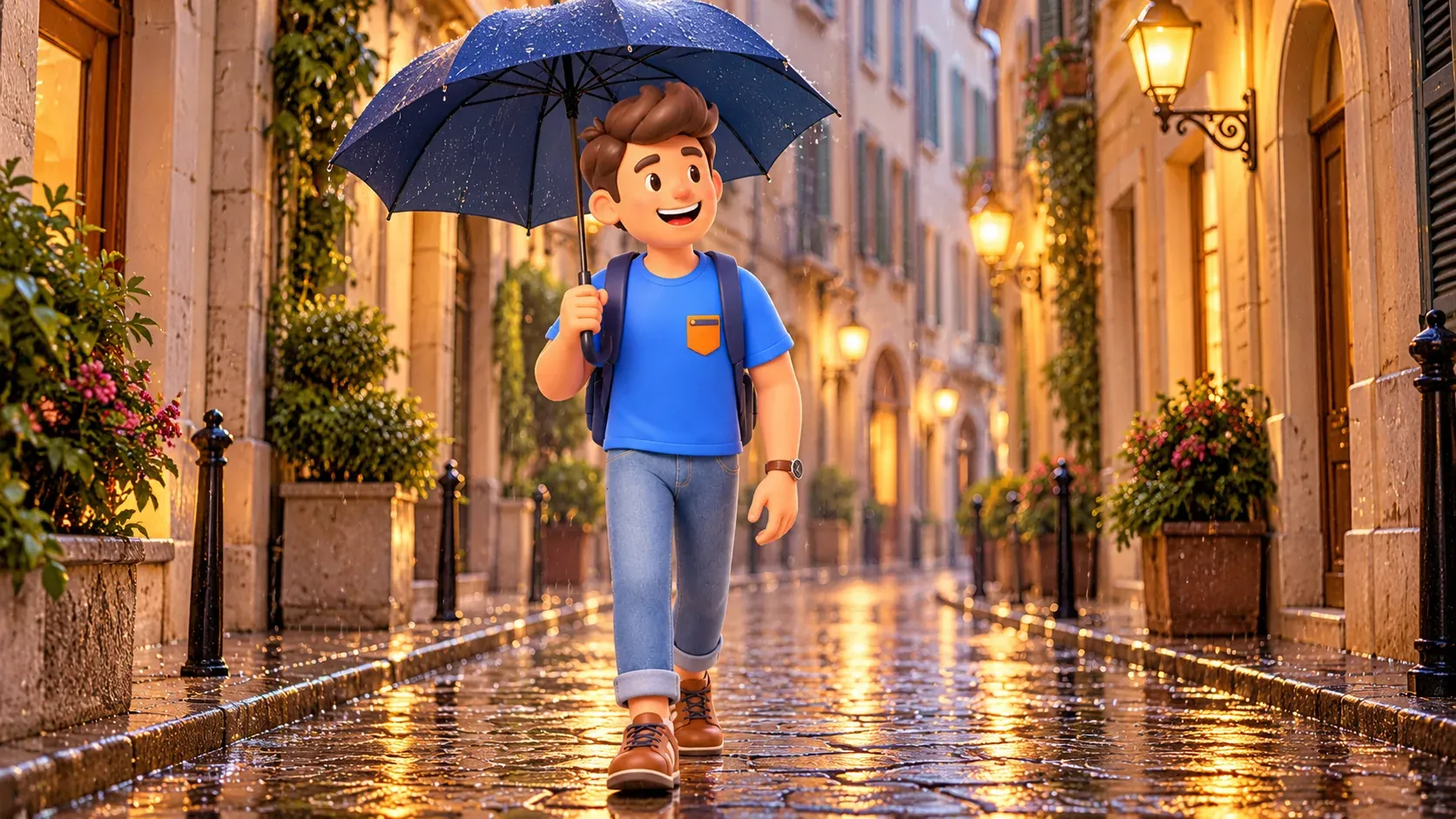
Check your date, exhibition, last admission and the chosen museum’s rules. Arrangements for umbrellas, backpacks, pushchairs and access vary, so there is no shared rulebook for all five addresses. In the Old Town, also consider wet paving and the slope of your particular approach.
One new observation is enough at the end: a connection between streets, a remembered object shape or a question worth discussing. A rainy day becomes a full part of the trip when it has its own interest and a calm pace. One well-chosen museum can provide exactly that.


