
Mon Repos and Perle du Lac: a quiet walk on Geneva’s right bank
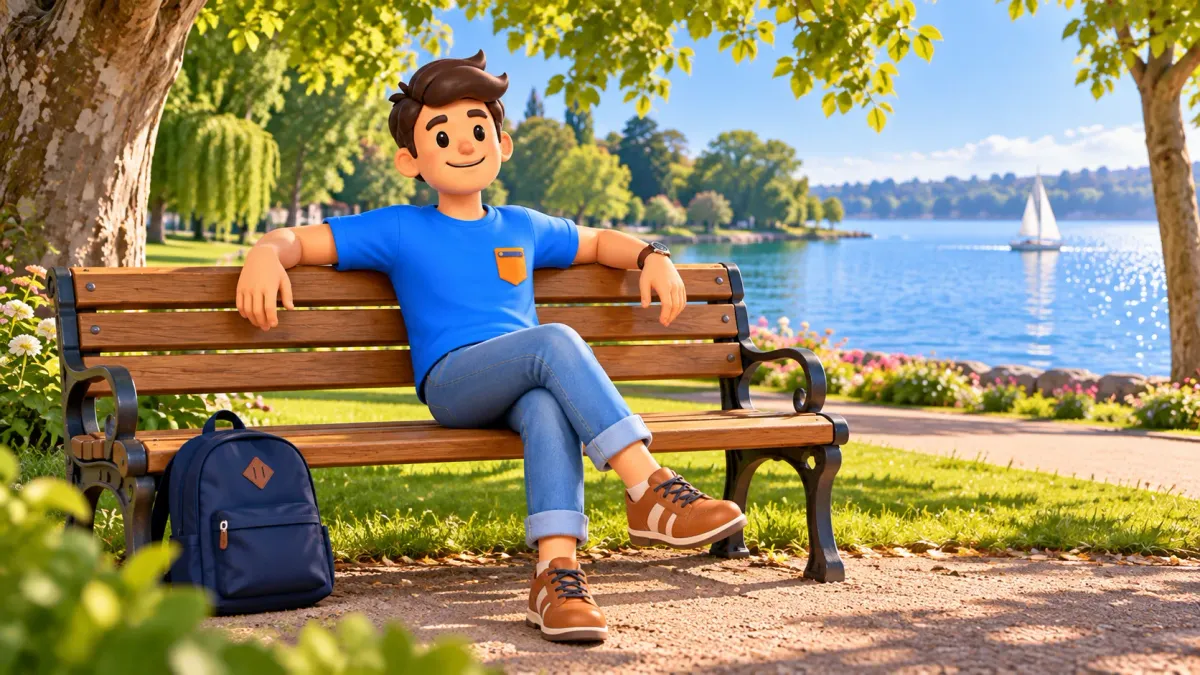
For a Geneva walk without constantly changing attractions, choose the right bank north of the central harbour. Mon Repos, Perle du Lac and Barton bring together lake views, estate houses and mature trees. A couple of hours can be spent noticing small differences between neighbouring parks, with room left for a genuine rest.
Begin in Parc Mon Repos and view its villa from outside, then follow available park paths towards Perle du Lac and Villa Bartholoni. The Museum of the History of Science inside is an optional addition. Continue to Parc Barton afterwards or finish by the water sooner. Allow roughly ninety minutes to two hours for the parks with pauses; the museum needs a separate block.
Choose the relaxed version that suits your day
RoadMe makes it easier to bring these parks into a personal plan, working out a route around your interests and pace. Lake time, architecture or the history of science can receive the attention that suits your own trip.
The route begins once you are already around Mon Repos. Add your journey from the centre, station or hotel separately. To approach on foot through Pâquis, use our Quai du Mont-Blanc walk. Combining both routes deserves a longer part of the day, rather than being treated as an invisible addition to two hours.
The overall direction runs from the southern part of this park group towards the north: Mon Repos, Perle du Lac, then Barton. Follow signs and open paths along individual sections. Park names help orientation without requiring you to identify a formal boundary at each stage or walk the perimeter of every former estate.
A short version ends at Perle du Lac: two different settings, a view of Villa Bartholoni and a lake pause. A longer version includes Barton's trees. Add the museum to either when open if you are prepared to extend the time. These are alternative ways to spend the outing, not levels you must complete.
Decide what you want from the hours. Rest may need only a comfortable spot and an unhurried connection. Urban history suggests comparing the villas. For science, select a theme within the museum rather than attempting every object during a brief visit. Giving one interest priority keeps the others enjoyable.
Mon Repos: begin with the house and garden relationship
Do not immediately search for the exit to the next named park. Find a comfortable path and look at the setting around the historic house. Trees, lawns and water views preserve an estate scale within the city. It is a fitting beginning for a walk based on attention rather than distance.
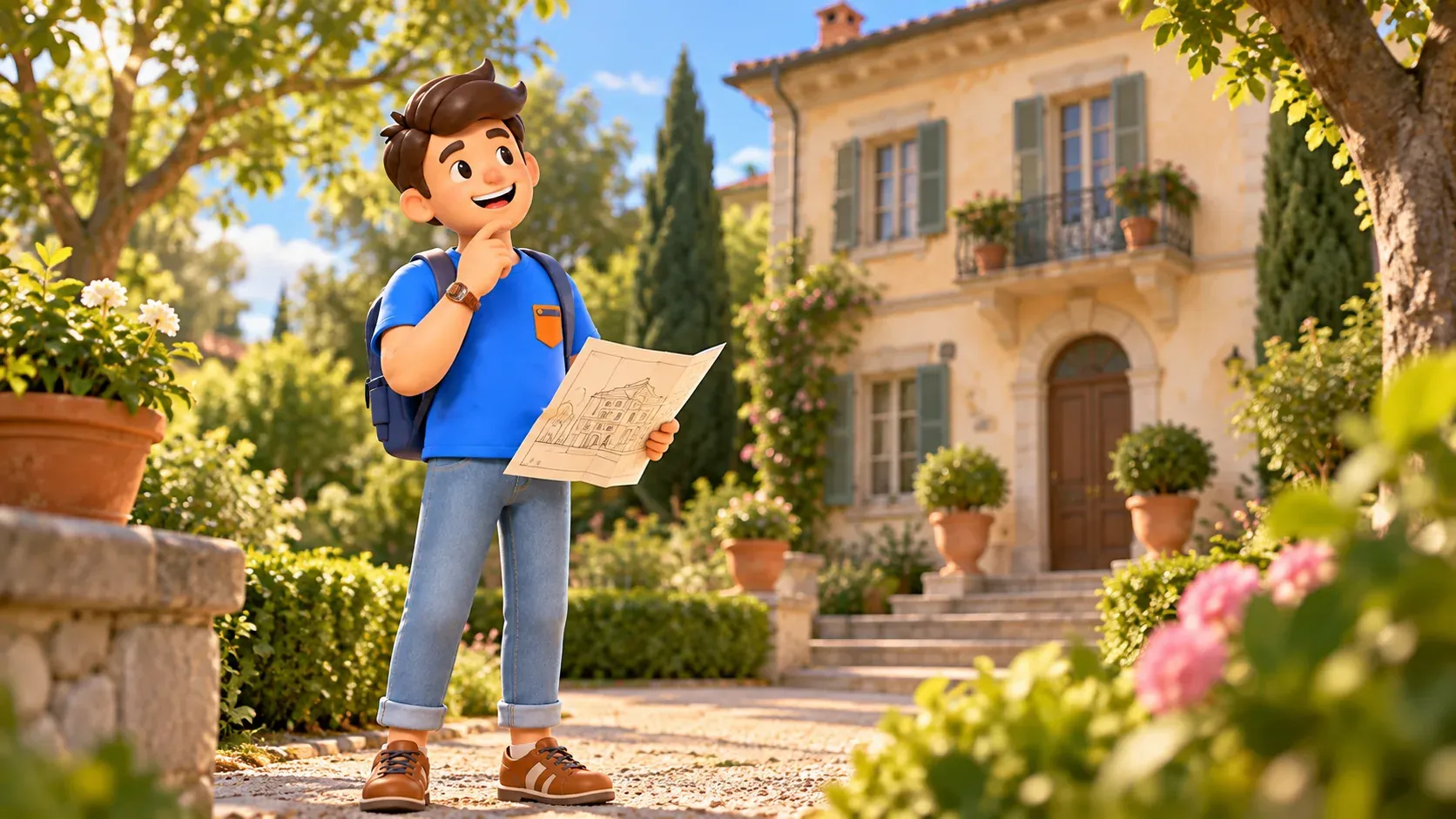
Villa Mon Repos is associated with the Plantamour family. For a first visit, that link between private property and public park is enough context. The house shows how today's green shoreline developed from separate historical grounds, each with its own owners and life.
View the villa from an available exterior position and compare its placement with the open lawn. A house in a public park is not automatically a museum. Entry inside is not part of this itinerary, and an exterior stop does not depend on a promise of rooms to visit.
Choose a small architectural detail: a window, facade proportions or the relationship with large trees. Then step back and see the ensemble again. Moving from detail to whole takes only a few minutes and can offer more than a hurried picture at the door.
If your journey here was tiring, take the first pause now. It fits the route: a park walk need not involve continuous movement. With children, start with something easy to notice, such as the contrast between an open lawn and a shaded area under trees.
Let the perspective change towards Perle du Lac
Continue on permitted connecting paths towards Parc de la Perle du Lac. If a passage is closed, use a marked open route instead of cutting through a service area or planting. It feels like one green outing, but current boundaries and restrictions still apply.
Notice how the lake appears differently along the way. In one place water is a wide background, in another trees frame it. You do not always need to reach the immediate waterline. A few steps inside the park sometimes create a more interesting setting for the view.
Perle du Lac sounds like a place to stop, but its name cannot guarantee identical light or an empty shore on every date. This is a public park with ordinary urban life. Quiet is relative, so choose a calm spot according to the moment rather than expecting solitude in every corner.
Put the camera away for a few minutes if you wish. Follow changes in shade, breeze and sound rather than searching only for the next photograph. After a busy museum or city day, that small interval helps the outing feel like a break instead of another task to finish.
Perle du Lac and Villa Bartholoni: a different estate setting
Villa Bartholoni is your landmark in Perle du Lac. It is distinct from Villa Mon Repos: two different houses occupy neighbouring parts of the green shoreline. Keep the names separate when finding the Museum of the History of Science, which is inside Bartholoni.
Look at the house and surroundings from outside first. Compare how the building connects to paths and lake views. House, park and water form an ensemble. Even without visiting the museum, this stop has its own meaning within the walk.
Choose a comfortable place for the main pause. If a bench or permitted resting area on the lawn is available, do not rush away simply because Barton is next. This can be the finish of the short version. A park is no less rewarding because a neighbouring one remains for another day.
For a snack, follow the area's rules and keep paths clear. A long lunch requires a different time allowance. Food service near the park and a museum visit are not automatically included in the ninety-minute to two-hour walking estimate.
The science museum: an addition with one chosen theme
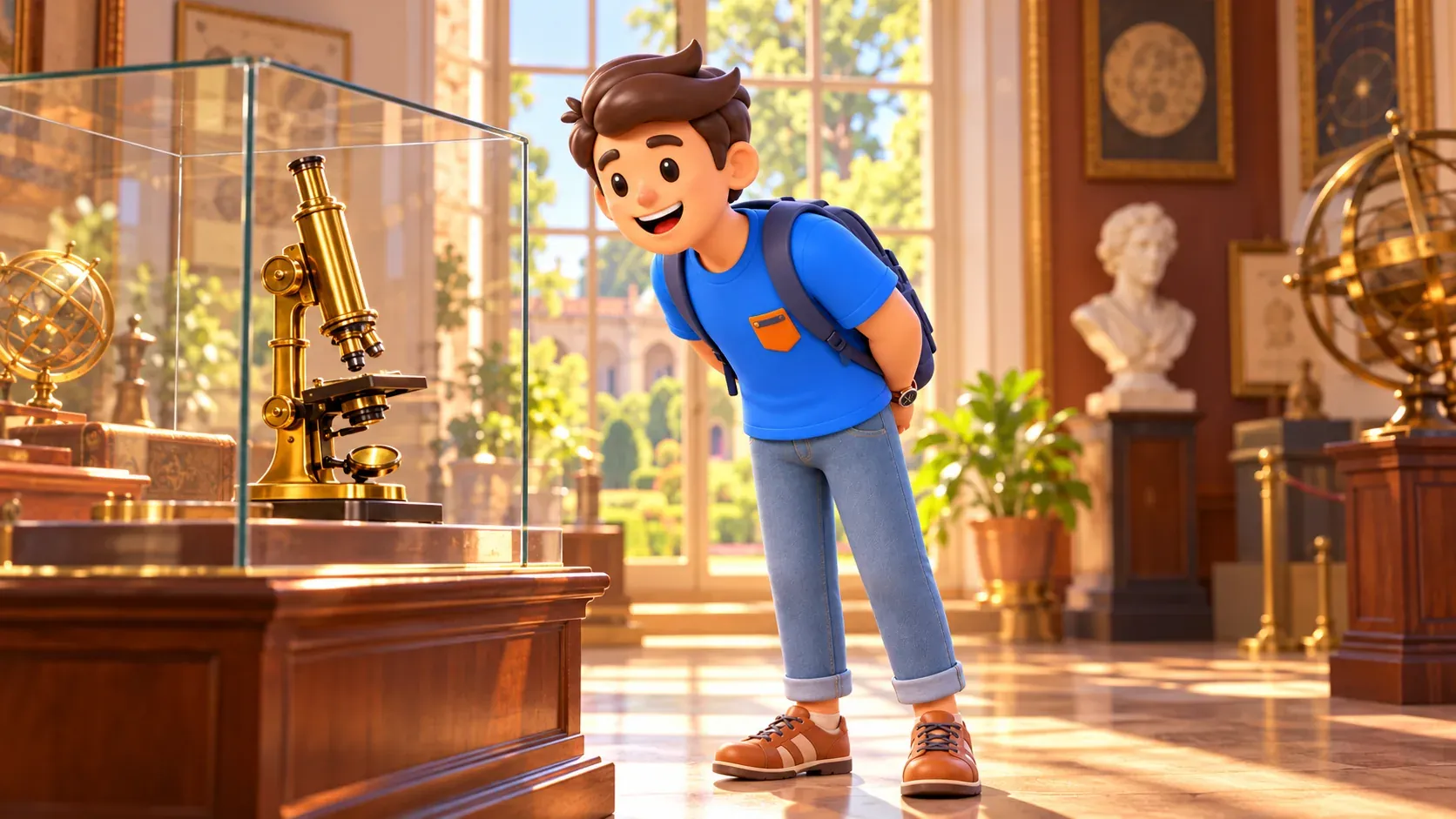
The museum in Villa Bartholoni presents historic scientific instruments and the observation of nature. It suits visitors who want to connect the lake landscape with the question of how people measured and studied their surroundings. You do not need specialist knowledge of astronomy or physics to find an entry point.
For a short visit, choose a theme: observing the sky, enlarging small objects or measuring natural phenomena. Look beyond an instrument's attractive material to the task it performed. What did its user want to know, and how did the device make something distant or difficult to see available for observation?
That question connects the rooms with the walk outside. At the lake you notice light, water and air; in the collection, you see attempts to turn impressions into measurements. A compact visit gains an idea of its own without requiring a race through every object.
The usual weekly closing day is Tuesday; check the current calendar before travelling. Museum admission times and park access are separate. On a closed day, keep the exterior villa stop and the outdoor route rather than treating a locked door as a reason to rearrange the whole day.
Check conditions separately with a pushchair or particular access requirements: the ease of surrounding paths does not describe a historic building. Published museum rules do not admit pushchairs to exhibition rooms. Visitors with mobility needs should discuss the appropriate entrance and assistance in advance.
Try a simple viewing sequence: overall instrument, working part, then the explanation of its purpose. Instead of beginning with unfamiliar terminology, you read to answer a question already formed. One understood device may leave more than a whole display photographed quickly.
With companions, each person can choose one intriguing object and compare discoveries afterwards. Everyone need not read identical labels or move at the same speed. This works especially well when one person loves technology and another mainly came for the park and historic house.
Outside, continue the idea without equipment: compare shadow in open grass and under a crown, notice reflected light or sketch a tree outline. Such observations need no special knowledge and make the walk personal. They also keep the museum from feeling like a disconnected indoor appointment.
If the visit suits you, allow an additional block, perhaps forty-five minutes to an hour for selected displays. This is an editorial pace estimate, not a duration prescribed by the museum. An interested visitor may want much longer, which is a good reason to shorten the next park.
Parc Barton: finish with a different scale of trees
If science becomes your main interest, or you prefer more time with trees and lake views, RoadMe can work out a personal plan for the whole trip. The app connects the chosen visit with the rest of the day more conveniently while keeping space to rest.
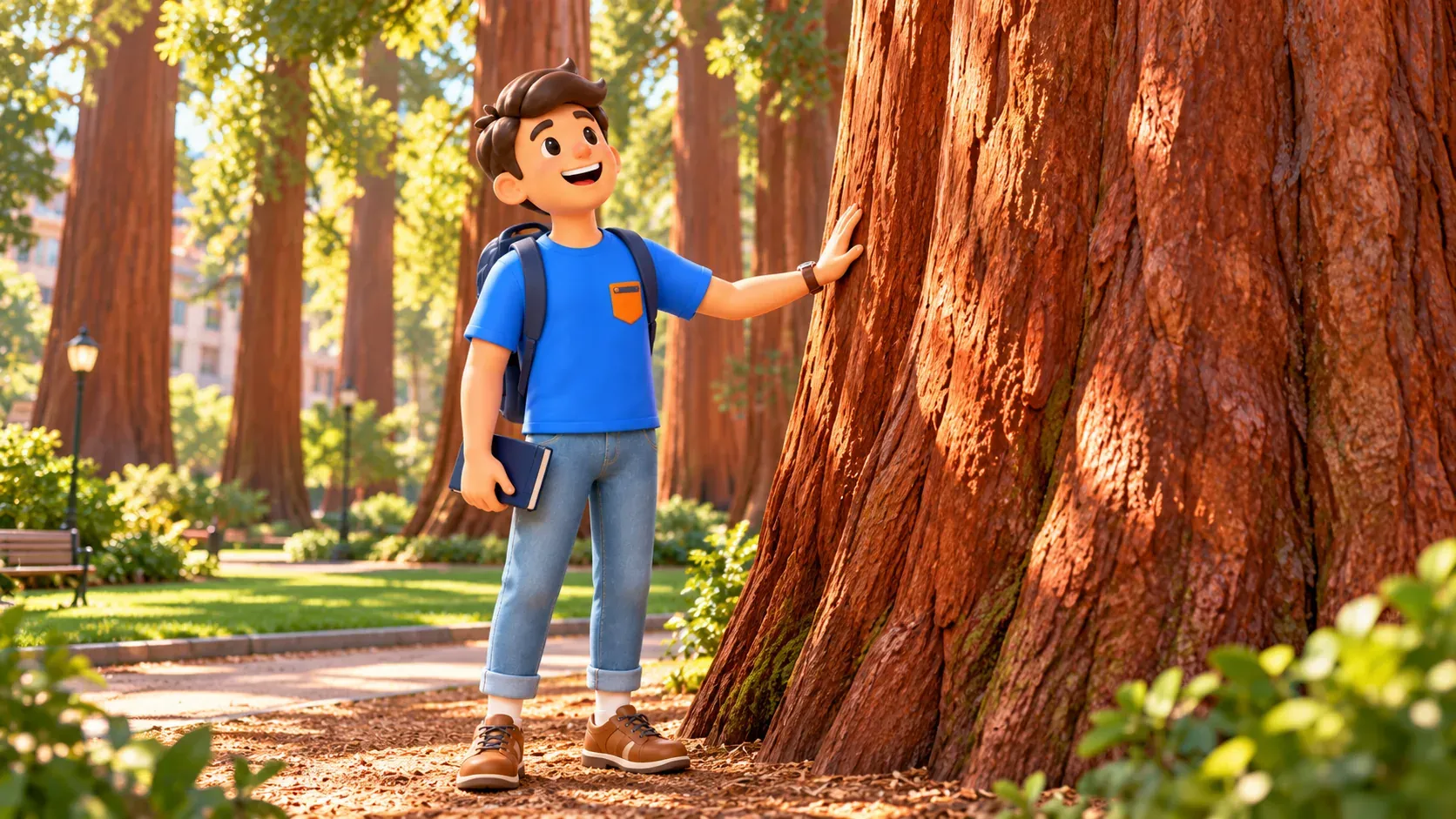
Continue to Barton on open paths. Its distinctive giant sequoias were planted in the nineteenth century. After the more open lake sections, they shift attention from horizontal water towards tall trunks and crowns. This is another kind of landscape experience rather than simply a third park name.
First stand back to see the group, then look at one trunk from an accessible path. You do not need a precise botanical definition for every feature. Bark colour, vertical rhythm and the impression of height already provide enough to observe closely.
With children, compare how a person looks beside a tall tree with their scale beside a house or boat. Climbing roots or passing a barrier is unnecessary to appreciate the size. Choose somewhere you can comfortably look up without obstructing the path.
Keep Barton a short final episode if you have already visited the museum. On an entirely outdoor version, linger here instead. The same route allows a different depth according to interest rather than imposing identical timing on every visitor.
Season and return: keep the purpose of a quiet walk
Check current park access and specific entrances before visiting. Choose daylight with enough margin for your return. This text promises no round-the-clock passage through all connections and does not replace signs on the ground.
Shade is particularly welcome in warmer months, changing colour and light in autumn, and a shorter outing with fewer seated pauses in winter. Lake wind can alter how the temperature feels. Poor weather does not make the museum a guaranteed shelter; its calendar and access still need checking independently.
Return along chosen open paths or check transport from a suitable endpoint beforehand. Park time is not the full door-to-door journey. For a train or appointment, set a finishing time. To shorten the route, remove Barton or the museum according to your priority while retaining Mon Repos, Perle du Lac and one real pause. Two estate settings, the lake and a little quiet attention already make a complete outing.


