
Geneva on a hot day: science, parks and a short lake walk
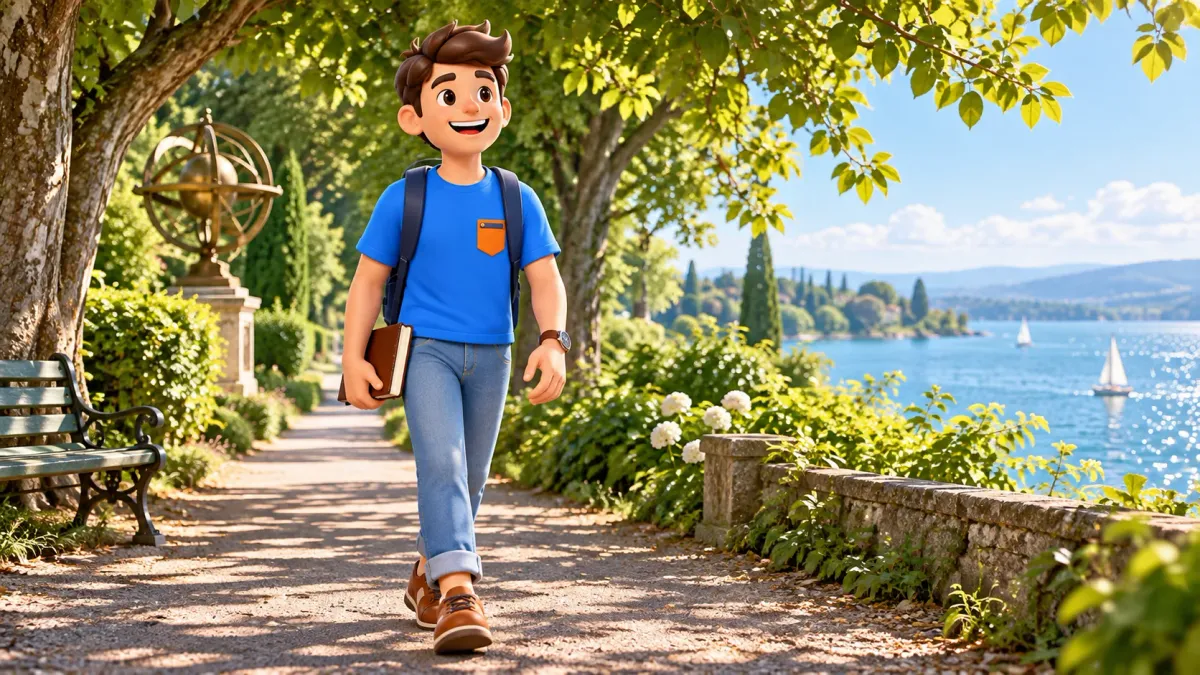
On a hot day in Geneva, a smaller plan can give you more time to enjoy the city. On the right bank, combine a little of Mon Repos, neighbouring Perle du Lac, one theme at the Museum of the History of Science and a brief view of the water. A complete circuit of both parks is optional.
The idea works through changing activities: walking, looking closely, sitting, then walking briefly again. There is no required distance. Trees and the lake create a beautiful setting; how comfortable it feels today is something to judge as you go, rather than assuming a long outdoor programme will suit every summer day.
Choose your main interest and a compact version
If historic scientific instruments are your priority, arrive directly at Perle du Lac for Villa Bartholoni. If you would rather begin with greenery, add a short section of Mon Repos to the south, then follow available public paths into the neighbouring park. You do not need to start far along the waterfront just to create an attractive line on a map.
RoadMe makes it much easier to turn this idea into a complete personal walk or trip plan around your interests and pace. The app helps work out a coherent day with a museum theme, short connections and comfortable pauses, instead of an overloaded list for a hot afternoon.
There is no single duration everyone should follow. Some visitors will enjoy the museum and one park pause; others will want to connect both gardens. The purpose is to experience different things close together while keeping the freedom to finish when it suits you.
The museum is normally closed on Tuesdays. If the interior visit matters, build the day around its calendar. An early park walk or a late pause does not mean the museum will be open at the same time. On Tuesday, choose only a short outdoor version if conditions make it appealing.
Think about arrival and departure before setting out. A convenient park exit should lead towards the next part of your day rather than start another long walk. Choose connections from your actual transport and available entrances; this is a framework for the outing, not turn-by-turn instructions for every path.
Mon Repos: begin with one pleasant piece of park
Mon Repos preserves the memory of a historic estate associated with the Plantamour family. Today it belongs to the city’s lakeside walking environment. That background gives the landscape another dimension: its purpose changed while trees, buildings and everyday urban life continued to share the setting.
Choose one inviting section instead of immediately making a full circuit. A path beneath crowns, a look across a lawn and a comfortable pause can already introduce the place. On a hot day, paying attention to a small area can be more rewarding than constantly moving towards the next view.
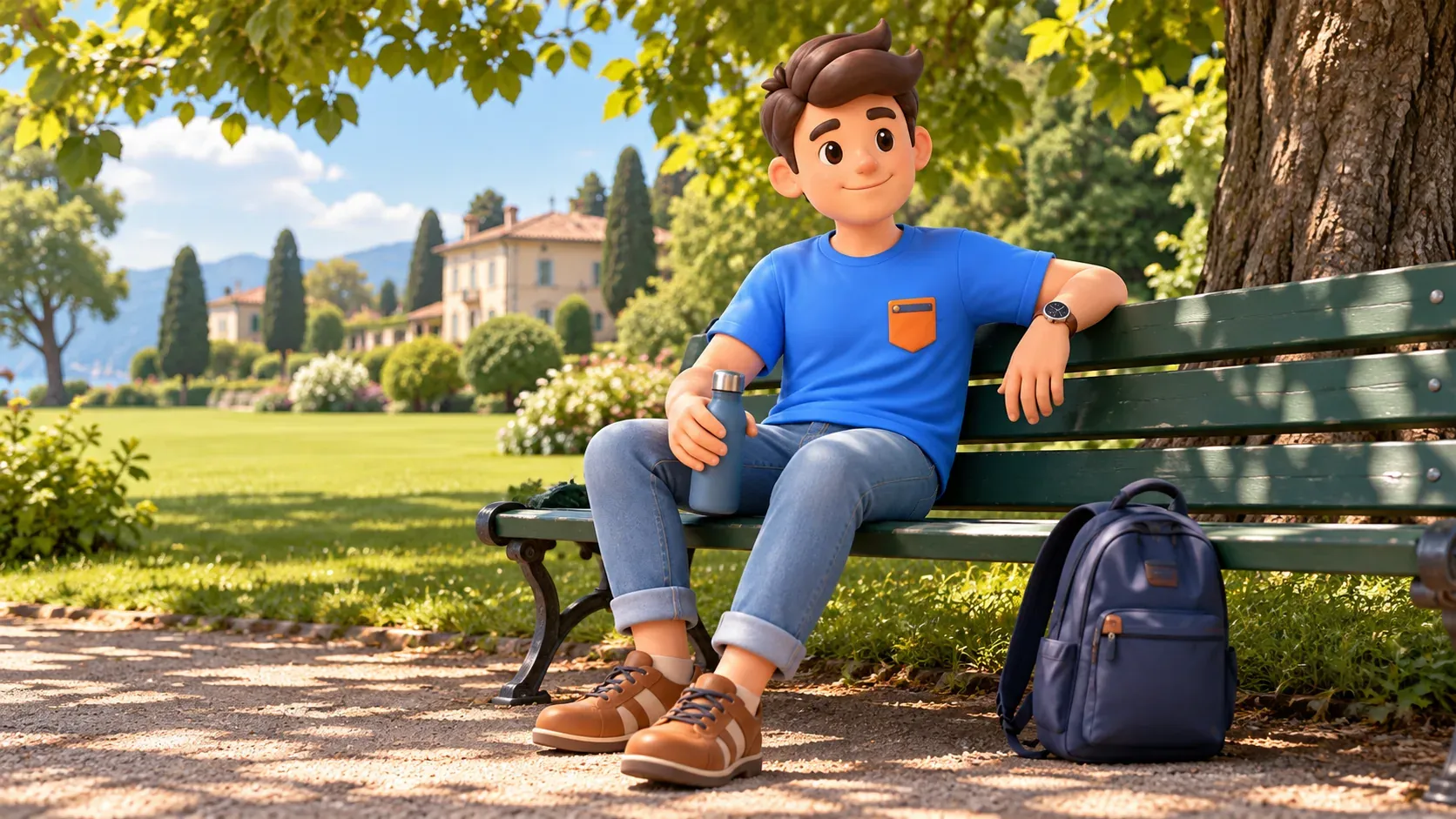
Shade shifts with the sun. A bench that looks ideal in a morning photograph may be exposed when you arrive. Look at the actual conditions before choosing a resting place. If a suitable pause is unavailable, there is no need to search across the entire park just to keep a particular stop in the plan.
While resting, notice three layers: a tree’s outline, the distance to open space, and a fragment of building or path. This turns a pause into part of the experience. You do not have to photograph everything; one attentive look can explain a garden’s arrangement better than many similar pictures.
The historic villa in Mon Repos and Villa Bartholoni are different buildings. The Museum of the History of Science is in Perle du Lac. Knowing that before walking prevents a search for the museum entrance at the first estate facade and an unnecessary return journey.
When travelling together, agree on the pace here. One person may want more sitting time, another a closer look at architecture. A small shared pause helps everyone choose the next part without the feeling that somebody is always falling behind or hurrying the group.
Perle du Lac: a neighbouring park with its own character
Continue north from Mon Repos towards Perle du Lac along available public paths. These are neighbouring green spaces, but their historic houses and identities should not merge into one anonymous garden. Each section has its own character even when they form one contemporary walk.
The name Perle du Lac can make the water seem like the immediate objective. First look for a comfortable way through and a suitable place to stop. The most exposed line beside the shore may feel less pleasant than a tree-lined path a little farther back. Enjoying the lake does not require staying beside it every minute.
The estate landscape around Villa Bartholoni brings architecture, greenery and a museum subject together. It is a good place to notice how former private settings entered modern urban culture. You do not need a complete ownership history to appreciate the relationship between house and garden.
Put your phone or camera away for a moment and compare the parks by impression. Where does open space feel stronger? Where are trees closer to the path? How does the house appear? Those differences give the walk a story without requiring every secondary point to be collected.
Being near the lake does not guarantee a breeze or cool conditions. Shorten the outdoor part if it feels uncomfortable. A beautiful setting does not oblige you to remain longer than you want. An easy ending is part of what makes a compact plan useful on a day when comfort changes.
The science museum: follow one question
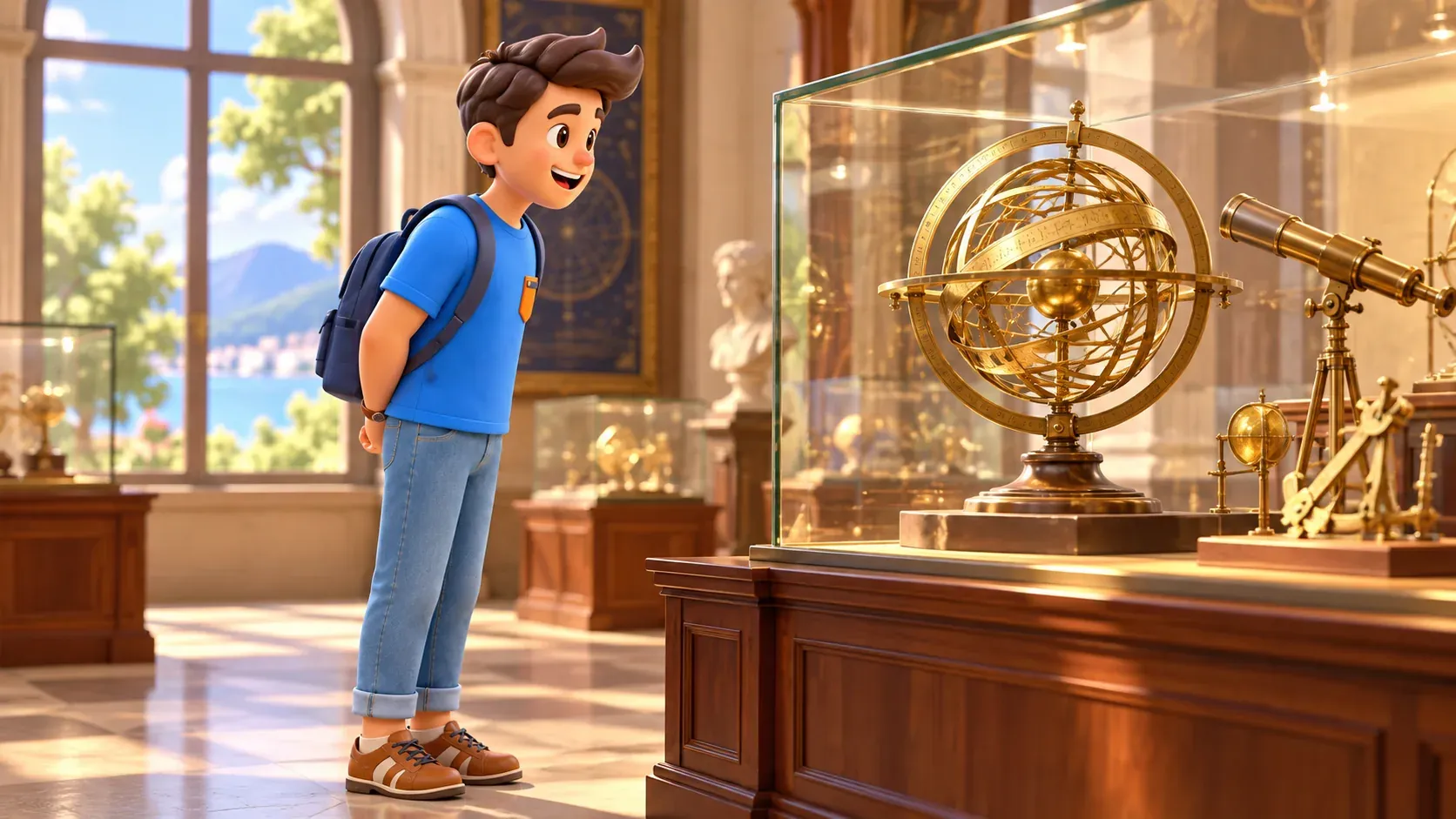
The Musée d’histoire des sciences occupies Villa Bartholoni at Rue de Lausanne 128 in Perle du Lac. Its subject is historic scientific instruments and the observation of nature. After the broad park landscape, it is satisfying to shift attention towards an object made for precise measurement.
You do not need technical knowledge beforehand. Begin with a simple question: what did someone want to discover using this instrument? A shape, scale, moving component or optical tube can offer clues. One closely considered object can change the way you think about the everyday word “observation”.
Another approach is to look at craftsmanship. A scientific instrument joins an idea about measurement with physical work: metal, glass and careful assembly. This is an appealing subject if you enjoy object design, even when formulas and a detailed history of research are not the purpose of your trip.
Avoid trying to cover all of science in one visit. Choose one available display theme and give it enough time. You can leave with a clear thought rather than a feeling that every room was passed through but no object remained memorable.
Museum admission is free; confirm arrangements for special events and the availability of particular sections for your date. However, do not assume the historic building is an air-conditioned refuge. Indoor comfort and the possibility of a visit depend on actual conditions, not simply on the word “museum”.
If access arrangements matter, prepare separately. Pushchairs are not allowed in the exhibition rooms. Access for visitors with reduced mobility is limited to the lower floor, using a lift on request. These conditions do not imply unrestricted movement throughout the building. Checking ahead helps you choose a visit that actually suits your group.
After the instruments, look at the park differently
Outside again, continue your chosen question without adding a new attraction. If precision interested you, watch how shade changes on a path. If an instrument’s shape caught your eye, notice the geometry of branches or architecture. A museum idea can carry on through ordinary looking.
You do not need to conduct an experiment or find an exact outdoor equivalent of an exhibit. Simply notice the difference between a quick glance and careful observation. That is a satisfying connection between museum and garden: the surroundings become a little less like background scenery.
Choose a resting place that is available and suitable now. Prepare water and the items you need before walking. If you rely on cafes, toilets or drinking points, check them separately. A nearby symbol on a map does not establish the service you need at every hour.
If you feel ready to finish after the museum, finish. The second park and waterside pause remain possibilities. A small route is easier to remember as a coherent outing when it ends pleasantly instead of being extended merely to complete a list.
A brief lake view rather than a long promenade
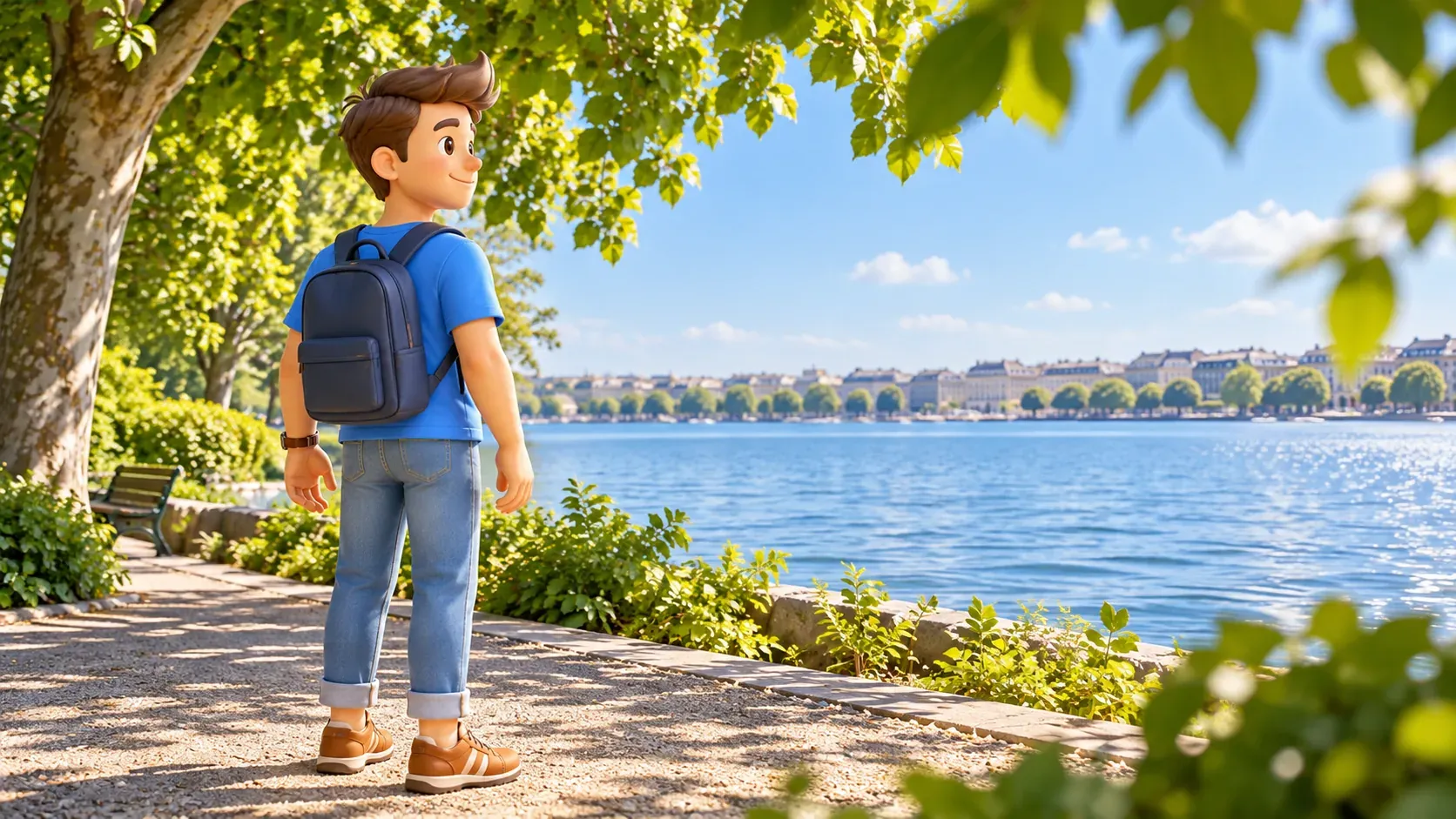
In suitable conditions, choose a comfortable place on an available public path with a view of the lake. A few minutes can change the scale again: after small instruments come broad water, sky and distant shore. The sequence gives the walk an unhurried finale.
Look at reflections, the shoreline and light between leaves. An interesting photograph does not require leaving shade or approaching the edge. Sometimes a leafy frame makes the view more expressive. Choose the picture from the comfort of the actual place instead of trying to reproduce a saved angle.
This idea does not include swimming or establish a checked route into the water. The lake is part of the landscape and urban walk here. If you want a separate day with water activities, plan it around appropriate places and conditions rather than automatically adding it to the museum outing.
Fit the outing into the rest of your trip
For the shortest version, arrive at Perle du Lac, choose a museum theme and take one pause. Add Mon Repos for a more park-focused outing. If it feels too hot for a walk, move the outdoor plan and choose another activity suited to the day. Two park names do not create an obligation to cross both spaces.
To connect this outing with the rest of Geneva, build a personal plan with RoadMe. It is much more convenient and efficient to work out the whole trip in the app around your interests and available time: the museum, park sections and pauses become a clear sequence that is enjoyable to use on the day.
Do not automatically add a long walk through the centre because there is still time. First decide whether you want more impressions. A proper rest may be the best next step, while a central-city walk can wait for a different time and more comfortable weather.
When conditions change, our idea for one museum and a short walk offers another useful rhythm. The principle is similar: choose a meaningful centre for the day and keep the length outside flexible.
At the end, remember one instrument detail, one park view and one good pause. Geneva on a hot day can then become a calm encounter with scientific curiosity, greenery and water, rather than an account of getting through a route that was too long.


