
Cascine Park: a Florence walk beyond the stone streets of the centre
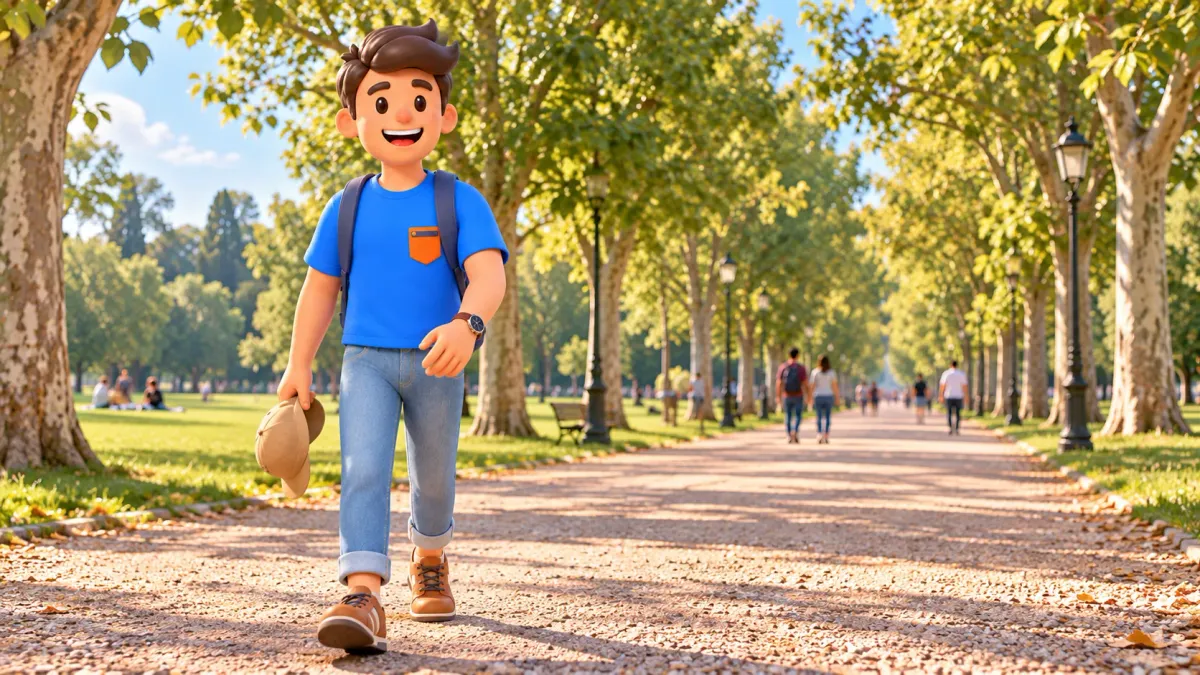
Cascine changes the scale of a Florence visit. After close streets, decorated facades and museum rooms, a broad tree-lined path can be an experience in itself. The park stretches along the Arno on the western side of the city, with space for ordinary walking and outdoor activity. Its interest is not a sequence of famous objects at every corner. It offers a different relationship between city, land and river, shaped by the transformation of a ducal estate into a public landscape.
For a first visit, choose a limited eastern portion and allow roughly ninety minutes to two hours after reaching your confirmed public starting point. Walk out along a suitable main public path for around twenty-five to thirty-five minutes, make one modest rest or river-view stop, then return with a similar allowance and some flexibility. This is an editorial time budget, not a measured loop or a promise to cover the whole park. Your arrival and onward journey are separate. A longer exploration, full meal or event requires a larger plan.
Choose the park for space, not another landmark list
Cascine works when you want to change pace rather than add a substitute museum. The trees, distance between built features and repeated views along a path are part of its appeal. You can choose a short outing and still understand that contrast. Do not make the whole park compulsory because it looks like one green shape on a map. A large public landscape can ask for more movement than a small garden, even when individual paths appear straightforward.
RoadMe makes the complete trip much more convenient to plan: the app develops a personal itinerary around your interests, dates and preferred pace. Time in a large park, cultural visits and rest can fit into one coherent day, instead of leaving you to decide whether every attractive idea really belongs in the same outing.
Begin by selecting the entrance and finish that suit your actual accommodation or previous stop. An eastern approach may be useful for a shorter visit from the centre, but check the public connection you will really use. This article gives a way to shape the visit, not turn-by-turn navigation from every hotel or station. A map should guide your exact start and permitted path. If using transport, verify the current service, stops and fare separately; no particular connection is guaranteed here.
Understand the estate behind the public park
Cascine’s earlier core was a country property of the Medici, used for agriculture and hunting. Later rulers and different periods changed how the land was used and opened to the public. Under the Lorraine dynasty, access developed on particular occasions; its transformation into a public park was completed during the Napoleonic period under Elisa Baciocchi. You do not need every administrative stage to understand the main shift. A landscape once tied to courtly ownership became part of ordinary urban life, while traces of its earlier functions remained.
That history helps explain why agricultural memory, formal planning and contemporary recreation can appear together. A park is not always land that began simply as a place for leisure. Here, paths and open areas belong to a longer process of changing access and purpose. Look at the scale rather than expecting a picturesque object to explain everything. The experience can be as simple as recognising the difference between a designed estate landscape and the dense centre you have left, with the river providing another continuous reference.
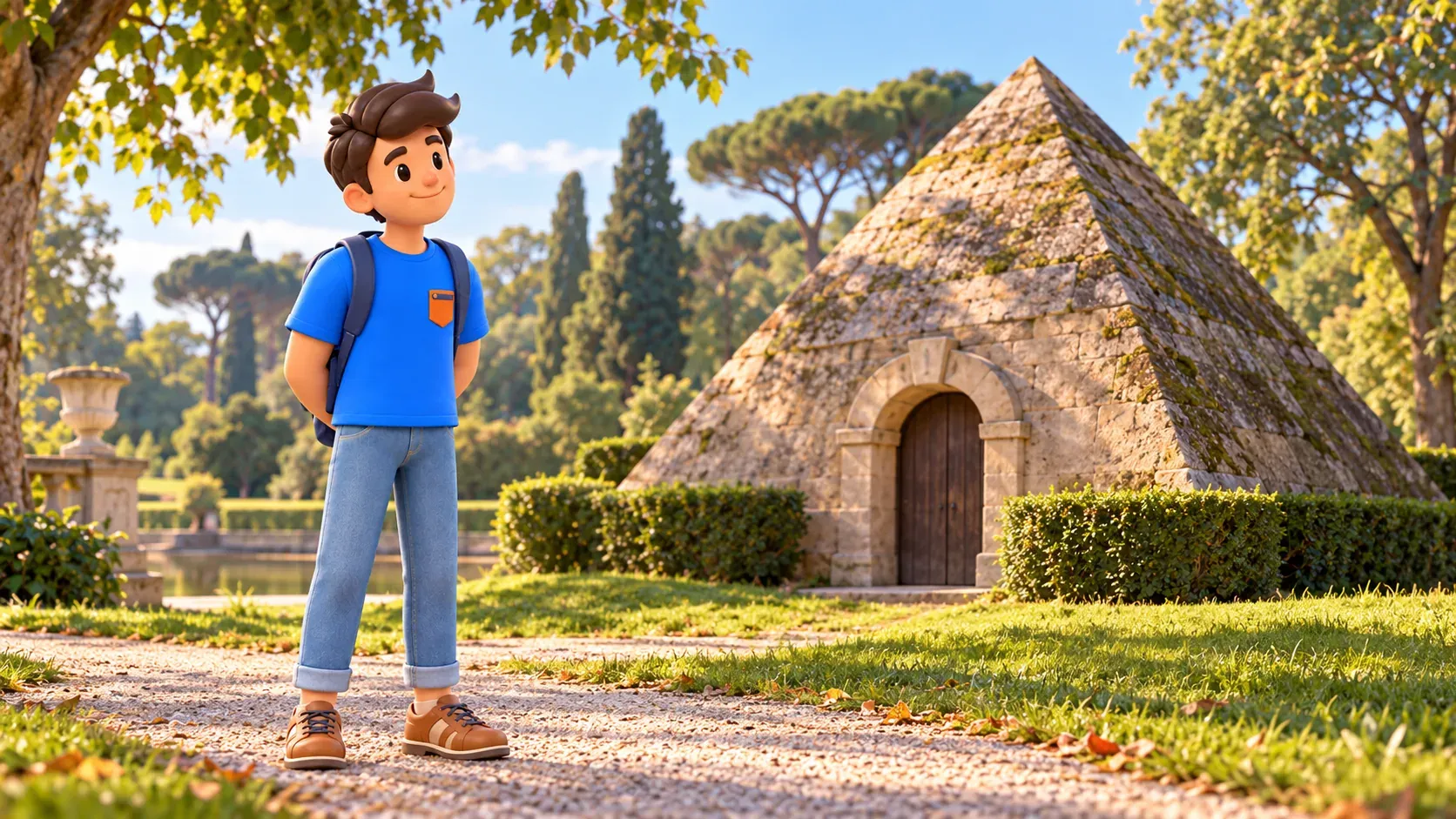
The Royal Pavilion and a pyramid-shaped icehouse associated with Giuseppe Manetti belong to the late eighteenth-century story. Their historical purposes show the mix of display and practical estate life. They can be selected interests on a longer or specifically routed visit, not compulsory detours in every short walk. Check their actual locations, public approach and any access conditions if you want them to be central. A name in the park’s history does not mean an interior is available or that the feature lies conveniently on whatever path you happen to choose.
Begin with one main path and an easy orientation
Once at your chosen public entry, spend around ten to fifteen minutes understanding the immediate setting. Identify the path you intend to follow, where you can return and whether the route fits the weather and your mobility. Do not begin by adding every side track. A simple direction gives room to notice the trees and scale without repeatedly checking where the next named object is.
Use the ordinary public paths actually available and pay attention to the ways other people are moving. Walking, running and cycling may share the broader park environment, so keep predictable movement and leave space when stopping. A large green area is still part of a functioning city. Step aside to look at a map or photograph a detail, and choose rest where it is appropriate rather than blocking the easiest route through a path junction.
The outward section can be around twenty-five to thirty-five minutes at your own unhurried pace. That is a time choice, not a fixed distance or an assurance about surfaces. Choose a sensible public turnaround before starting to feel stretched. You can stop earlier if the atmosphere has already supplied what you wanted. A limited visit is not a failed attempt at the whole landscape. It is a deliberate way to include open space in a trip that may already contain more walking than you do at home.
Let the Arno be one chosen pause
Where a suitable public riverside position fits your actual route, allow roughly fifteen to twenty minutes for looking and resting. The river is part of Cascine’s identity, but not every line nearest the water is a continuous, convenient path. Stay on permitted public routes and do not descend towards the bank through informal access merely to get closer. This article is an urban park outing, not an invitation to swim, enter the water or find a secluded river edge. A comfortable view from the normal public level is enough.
Look at the difference from the more tightly framed Arno views in the historic centre. Trees, open distance and a wider sense of landscape change the river’s role in the scene. You do not need to identify every structure to appreciate that shift. This can be the main moment of the short visit: a pause in which the city feels less like a sequence of monuments. If a riverside stop does not suit conditions, choose a comfortable allowed park position instead and keep the outing simple.
Avoid building the plan around an exact reflection, empty frame or particular colour of water. Weather, season and ordinary activity change the experience. Carry water and plan any food or purchase through actual availability and local rules. The presence of greenery does not guarantee a café, public bench or convenient service at the precise point where your time budget suggests stopping.
Add one historical feature only when it fits the route
If you want a more cultural focus, choose a feature whose actual public approach you have checked and adapt the outing around it. The pavilion can prompt a short thought about the estate’s representative side; the icehouse introduces practical storage before modern refrigeration. Neither requires a full catalogue of the park’s buildings. The most useful addition is one that explains a different function without creating an unexpected long detour. If its location changes the walk substantially, enlarge the time rather than treating it as a free extra inside the basic return route.
Giuseppe Poggi’s later work on the park approach belongs to Florence’s nineteenth-century transformation. Twentieth-century rationalist architecture near its edge and the later Maggio Musicale theatre show further layers of urban use. These are separate places with their own purposes and conditions. A walk through Cascine does not automatically include a performance, building entry or guided architectural visit. You can recognise that the park kept being connected to new cultural and civic systems without trying to enter every institution or fit its programme into the same ninety minutes.
If a performance is the main reason for coming to the theatre area, make that confirmed event the centre of your day and choose an appropriately short park segment around it. The park should support the real appointment, not make you arrive rushed or tired. Conversely, if trees and walking are the point, you can leave the theatre as context and enjoy the landscape.
Plan the return before the walk becomes long
For the basic version, allow around twenty-five to thirty-five minutes to return along an appropriate public route, with a small reserve for the actual finish. Returning by a familiar path can be useful; it does not mean the outing lacks variety. Light, direction and attention change on the way back. A loop is only better when the real connections make it comfortable. Do not invent a parallel path, assume a gate will be open or continue farther solely because returning feels less adventurous than reaching the next marker.
The broad ninety-minute to two-hour range combines orientation, outward walking, a modest pause and the return. Taking the longest end of every stage, adding a feature or resting longer extends it. Arrival, onward travel and a full meal stay outside that allowance. This distinction matters in a large park because a pleasant extra ten minutes outward can also require additional movement back. The best time to choose a turnaround is while you still have enough energy to enjoy the remaining route, not after deciding the return has become a problem.
RoadMe is more useful than a list of park stops when you need a complete personalised trip: your interests and pace determine how green time, museums, neighbourhoods and rest fit together. Prepare the itinerary beforehand and download the useful content for offline access, so less of your outing goes into coordinating the day while walking.
Make the shorter version a real option
If you have limited time or energy, shorten the outward section and keep one comfortable pause near your chosen approach. Do not remove the return reserve to make the route look more generous. A small amount of open space may provide exactly the balance needed after a gallery. You can also give Cascine its own longer visit on another day, when the landscape rather than a schedule is the main interest.
In heat, do not assume that trees mean continuous shade on every connection. Reduce exposed sections and rest before energy drops. After rain, consider surfaces and actual path conditions. This article does not certify a fully step-free circuit or identical comfort throughout the park. Check an approach and route suitable for your mobility, along with current visitor guidance. When conditions are unattractive, change the plan rather than treating a park visit as automatically easy in any weather. The value lies in enjoying the space, not completing a preset line.
For another green Florence choice, the northern gardens walk links a different set of spaces with its own slopes and street connections. It is an alternative outing rather than an addition to this one. Cascine’s contribution is scale: the shift from a working ducal landscape to public recreation, the continuity of trees and the nearby river. Choose enough to feel that contrast, then finish with a clear onward route and attention left for the rest of Florence.


